

Most teens haven’t even reached voting age, yet these extraordinary young inventors were already transforming the world. From life-saving devices that protect children and the elderly to innovative solutions addressing environmental challenges, their creations reflect a remarkable blend of curiosity, creativity, and determination. Each invention demonstrates technical skill, empathy, and insight, proving that age is no barrier to meaningful impact. Discover the stories of nine remarkable kids whose innovations continue to inspire and improve lives worldwide.
1. Gitanjali Rao

At just 11 years old, Gitanjali Rao tackled a real-world problem that affected thousands of people in Flint, Michigan, by inventing Tethys, a portable device capable of detecting lead in drinking water using advanced carbon nanotube sensors. Her device sends results directly to a mobile app, allowing families and communities to know instantly whether water is safe. Gitanjali’s work earned her the Discovery Education 3M Young Scientist Challenge in 2017, and she was later named TIME’s first-ever Kid of the Year in 2020. Beyond the awards, she continues to inspire young scientists globally, demonstrating how curiosity and determination can lead to meaningful change and safer communities.
2. Louis Braille
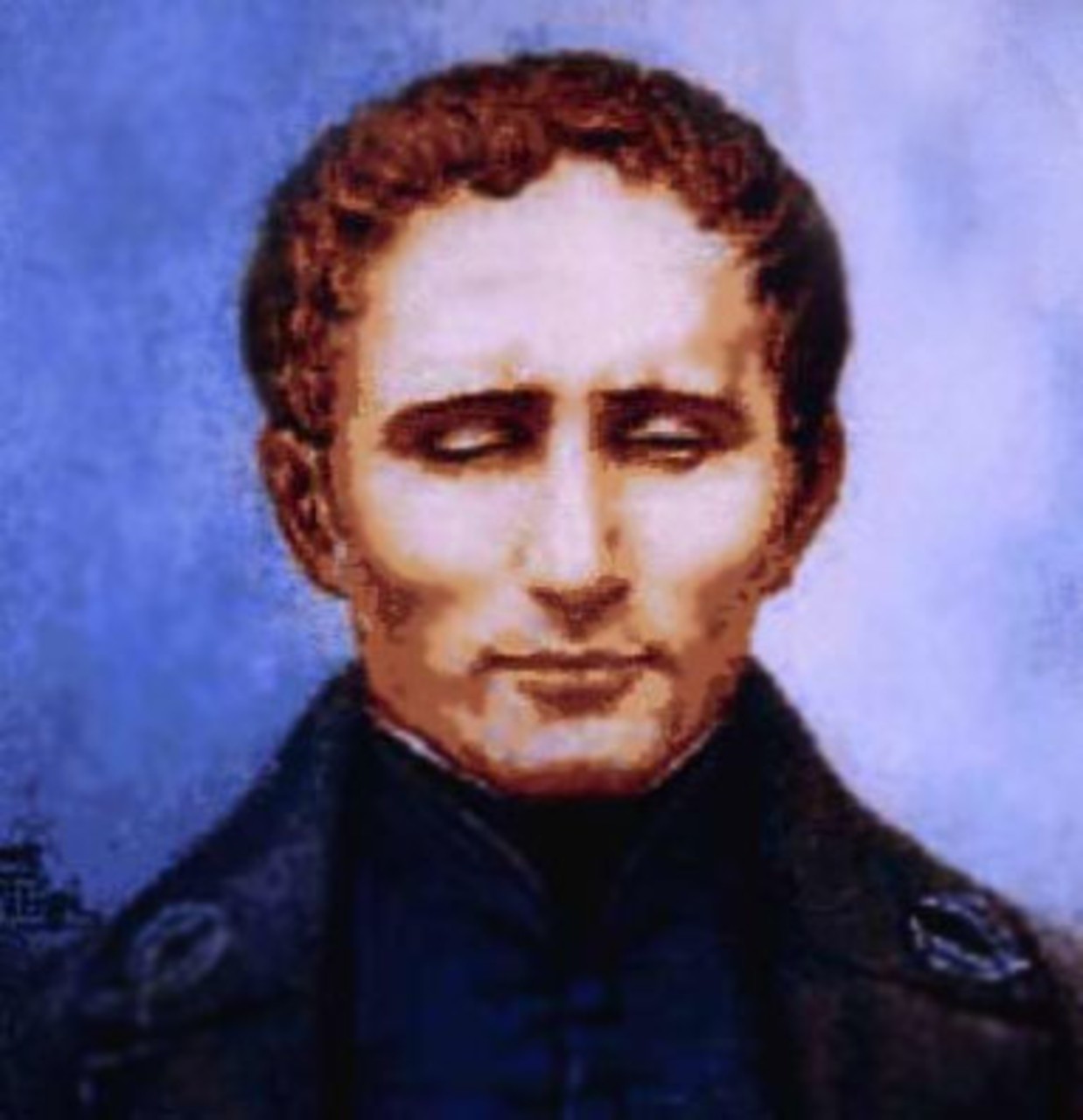
At only 15, Louis Braille forever changed the world for the blind by inventing a system of raised dots that could be read with touch. Inspired by a military code meant for soldiers to communicate silently at night, he simplified and improved the method to create something practical for everyday use. His invention gave blind people a way to read books, write letters, and pursue education independently. Though his system wasn’t fully embraced during his lifetime, it later spread worldwide and remains the universal standard, opening doors of knowledge and opportunity for millions.
3. Boyan Slat
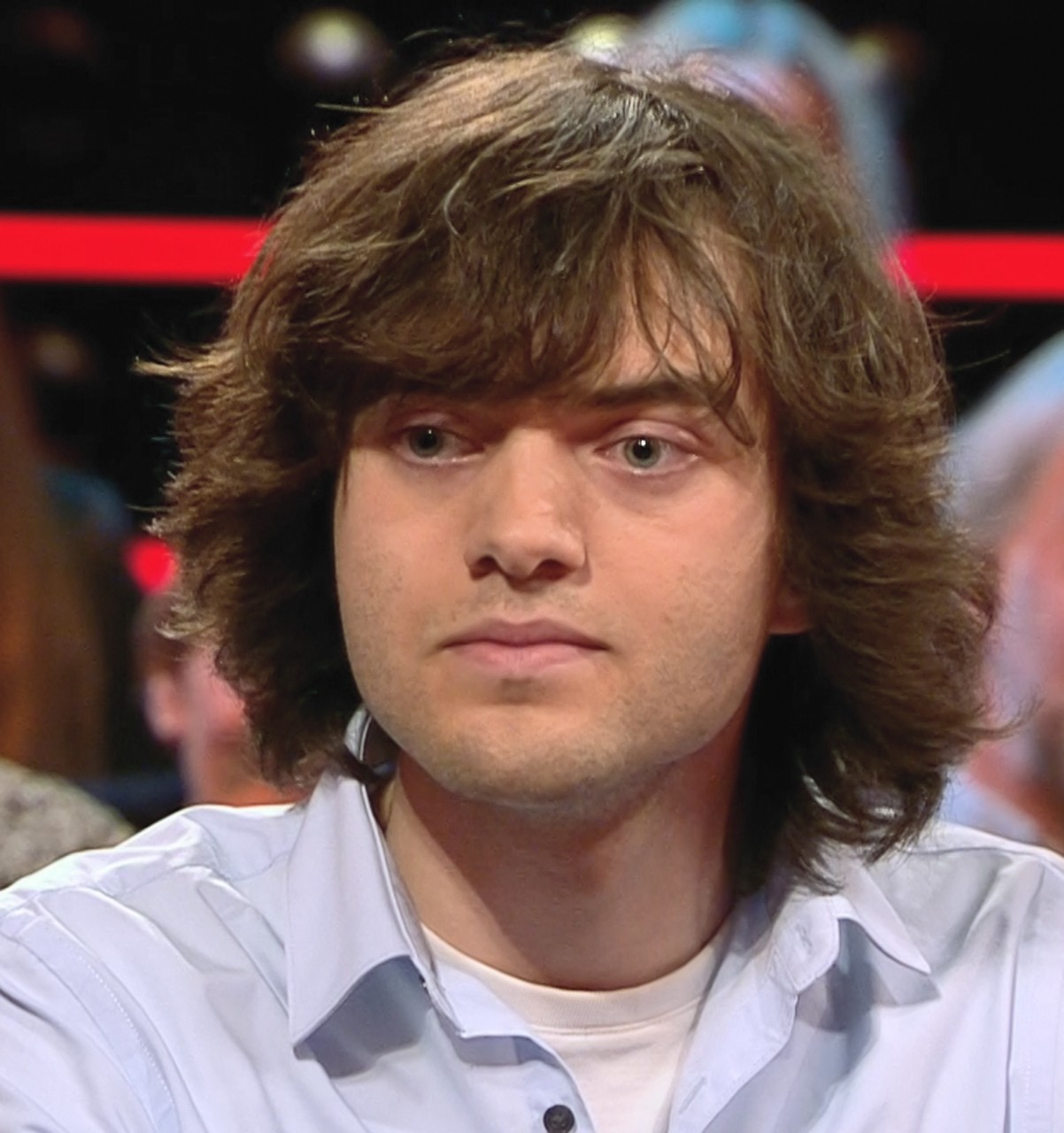
At 16, Dutch student Boyan Slat looked at the growing crisis of plastic waste in oceans and imagined a new way to tackle it. Instead of using boats and nets to chase garbage, he designed floating barriers that worked with the ocean’s own currents to collect debris. His idea grew into “The Ocean Cleanup,” a global project that has already removed thousands of tons of plastic from rivers and seas. What started as a school science project turned into an international movement, inspiring hope that innovation and determination can help restore the planet’s waters.
4. Blaise Pascal
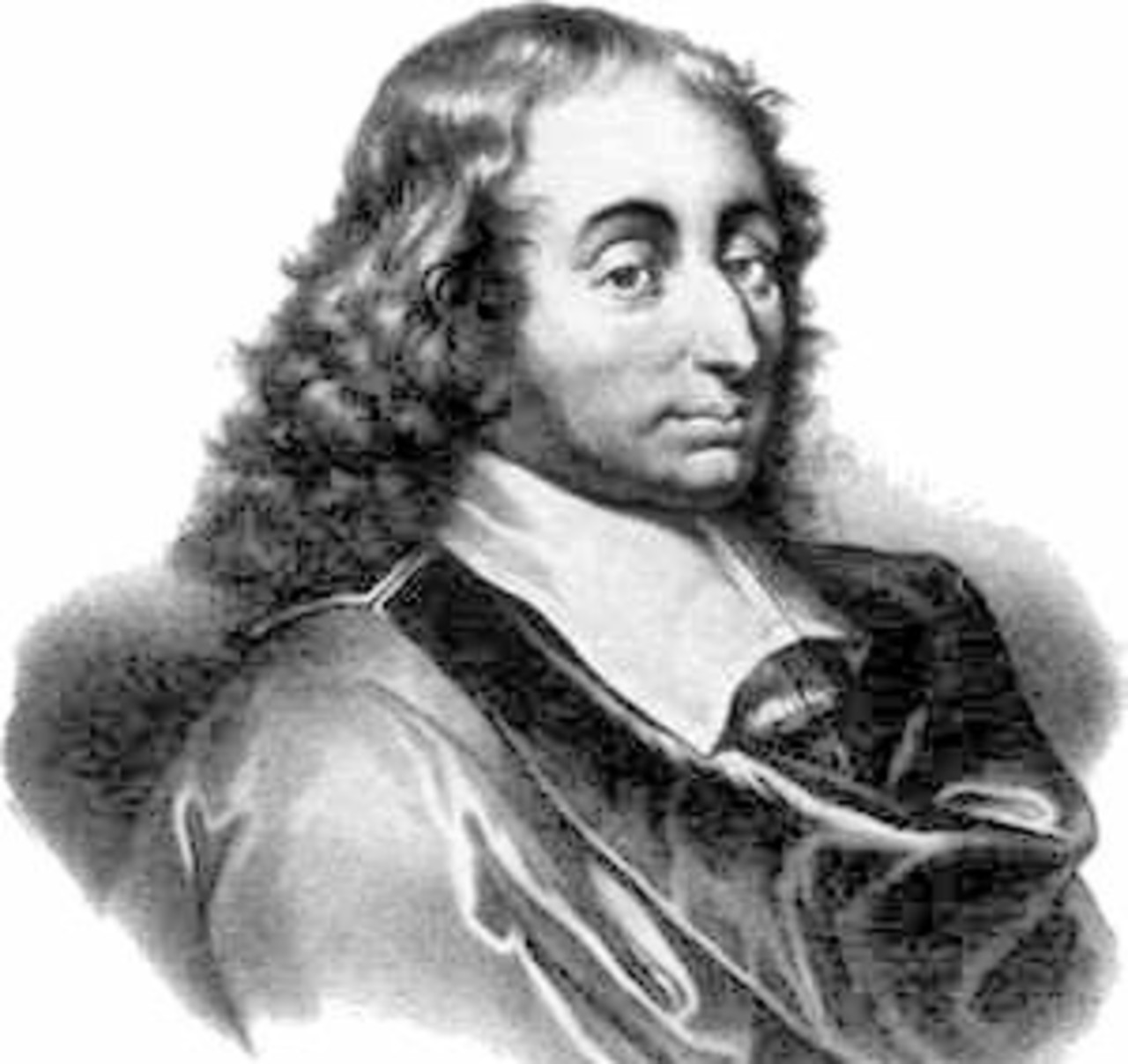
Blaise Pascal revolutionized computation by inventing the Pascaline, a mechanical calculator designed to simplify his father’s complex tax work. This innovative device used interlocking gears and wheels to perform addition and subtraction with accuracy, reducing human error in calculations. Though primitive compared to today’s technology, the Pascaline represented a monumental step toward automated computation. Pascal’s invention laid the foundation for future calculating machines and inspired generations of mathematicians and engineers to explore mechanical and electronic computing.
5. Hannah Herbst

Hannah Herbst designed a small turbine that converts ocean currents into electricity, inspired by a letter from a pen pal in Ethiopia who lacked access to electricity and clean water. Her invention, BEACON, aims to provide renewable energy to remote communities, offering a practical solution for sustainable development. Recognized for her creativity, Hannah showcased her project at the White House Science Fair and has continued to pursue innovation while excelling academically.
6. Ann Makosinski

Ann Makosinski created the Hollow Flashlight, a device that generates electricity using only body heat. Inspired by a friend in the Philippines who struggled to study at night due to a lack of electricity, Ann’s invention offers a sustainable, battery-free solution. The flashlight uses thermoelectric technology to convert heat into energy, providing light in areas without power. Her innovation earned her the Google Science Fair award and recognition from Forbes 30 Under 30, inspiring sustainable innovation worldwide.
7. Jack Andraka
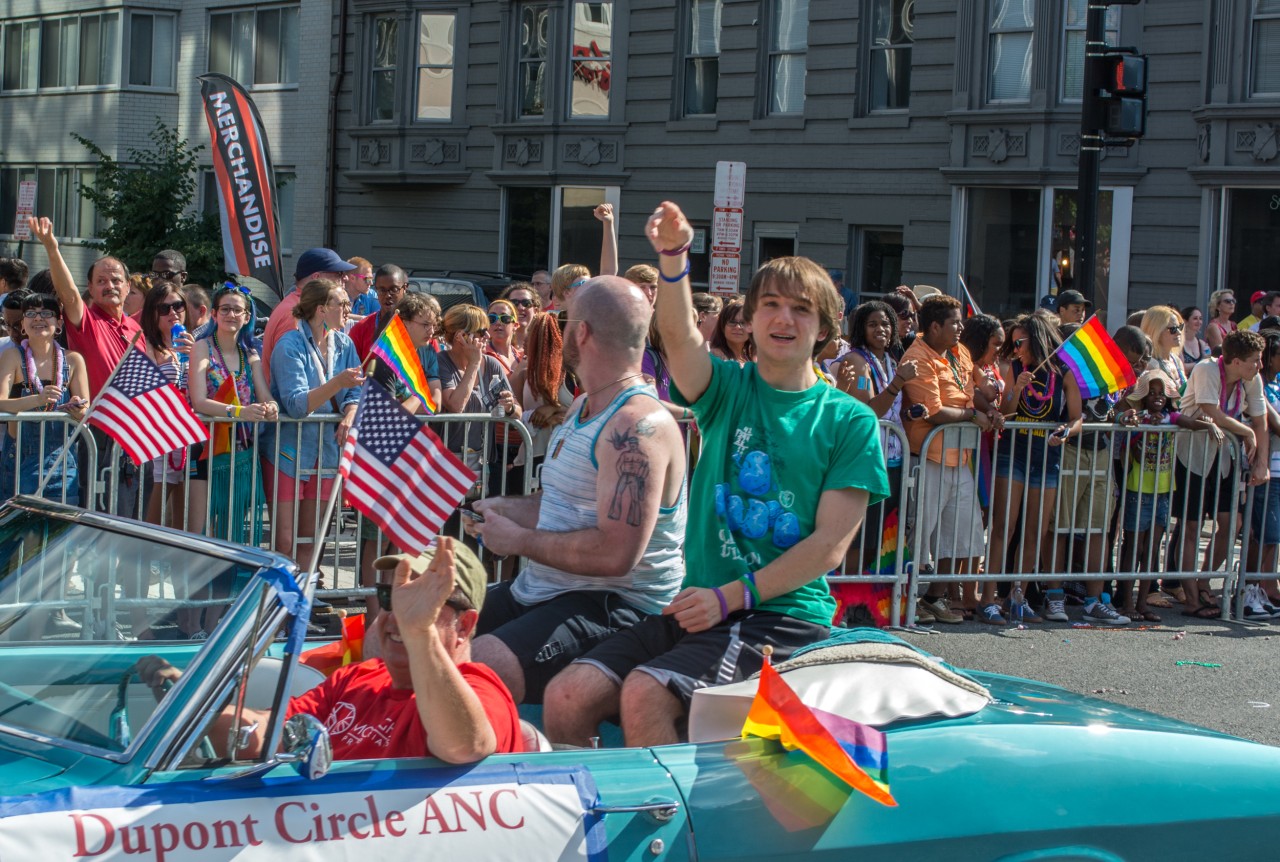
Jack Andraka developed a groundbreaking method to detect pancreatic, ovarian, and lung cancers in minutes using a simple paper sensor. His innovation, which combines carbon nanotubes and antibodies, is faster, cheaper, and more sensitive than conventional tests. Motivated by the loss of a family friend to pancreatic cancer, Jack’s method could transform early diagnosis. His work earned him the Gordon E. Moore Award at the Intel Science Fair and recognition at the White House Science Fair, making him a symbol of youthful ingenuity.
8. Margaret Knight
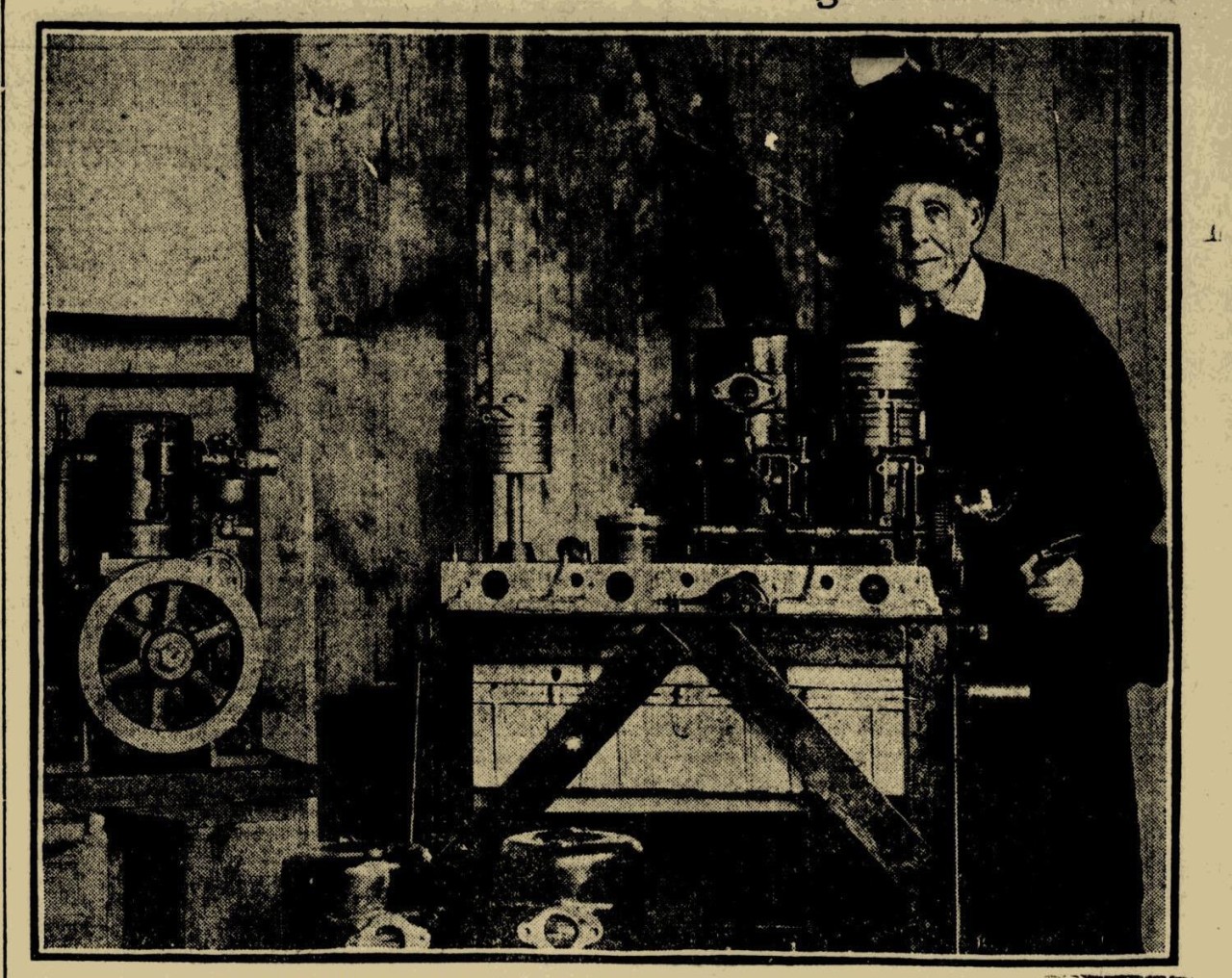
Margaret Knight showed inventiveness from a very young age. At 12, she developed a safety device for textile looms to prevent dangerous shuttle accidents that could injure workers. Her early ingenuity led to a long career of impactful inventions, including the machine that produces flat-bottomed paper bags, revolutionizing packaging and manufacturing. Knight’s work exemplifies how early curiosity and problem-solving skills can lead to major contributions in industry and safety, leaving a lasting legacy and inspiring future generations of inventors.
9. Fionn Ferreira

At 18, Fionn Ferreira addressed one of the most pressing environmental issues: microplastics polluting water sources. He developed a method using magnetic ferrofluid to extract microplastics from water efficiently, showing high removal rates for common plastics like polyester. His invention won the Google Science Fair grand prize in 2019 and has gained international attention for its potential to help protect marine ecosystems. Fionn’s work demonstrates that young innovators can tackle global environmental challenges, proving that creativity and science can combine to produce solutions with real-world impact.