

There’s a special thrill in discovering places where time seems to have quietly stepped aside, leaving behind stories etched into fading walls and forgotten platforms. These locations whisper of grand openings, bustling crowds, and journeys that once defined entire eras. Today, they stand still yet powerful, inviting curious travelers to wander through their echoes. Each site carries a blend of nostalgia, mystery, and untouched beauty that feels both haunting and irresistible, making the adventure of exploring them deeply rewarding.
1. Centralia, Pennsylvania
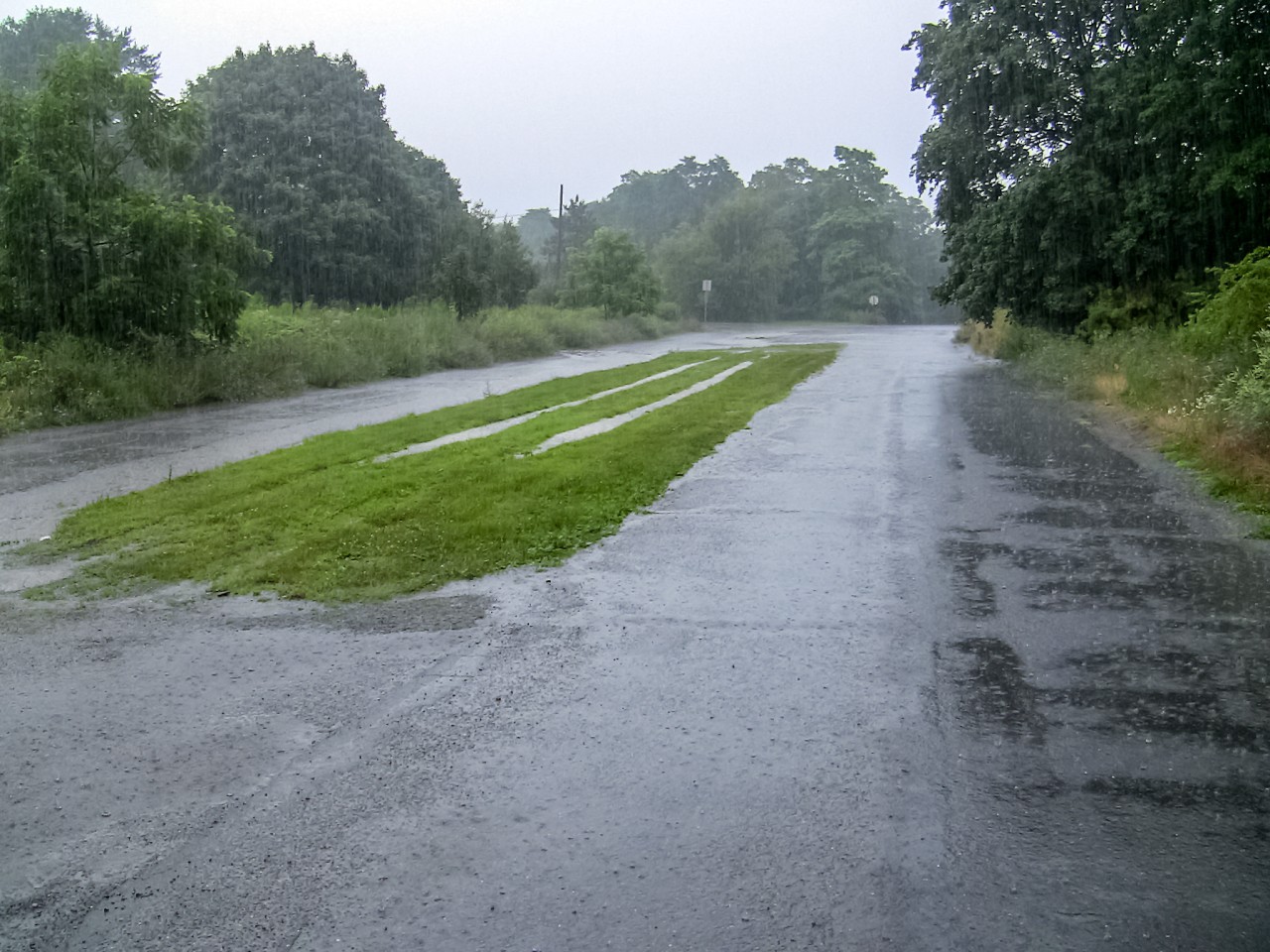
What makes Centralia unforgettable is how an underground coal fire turned an ordinary mining town into a smoky, unstable landscape. The fire that started in 1962 spread through old mine tunnels, causing sinkholes, toxic gases, and ground temperatures too dangerous for homes. Most residents relocated as the land slowly buckled and burned beneath their feet. Today, the fire is still active and may burn for centuries, leaving behind a haunting reminder of ignored warnings. The silence here feels heavier than any smoke.
2. Pripyat, Ukraine
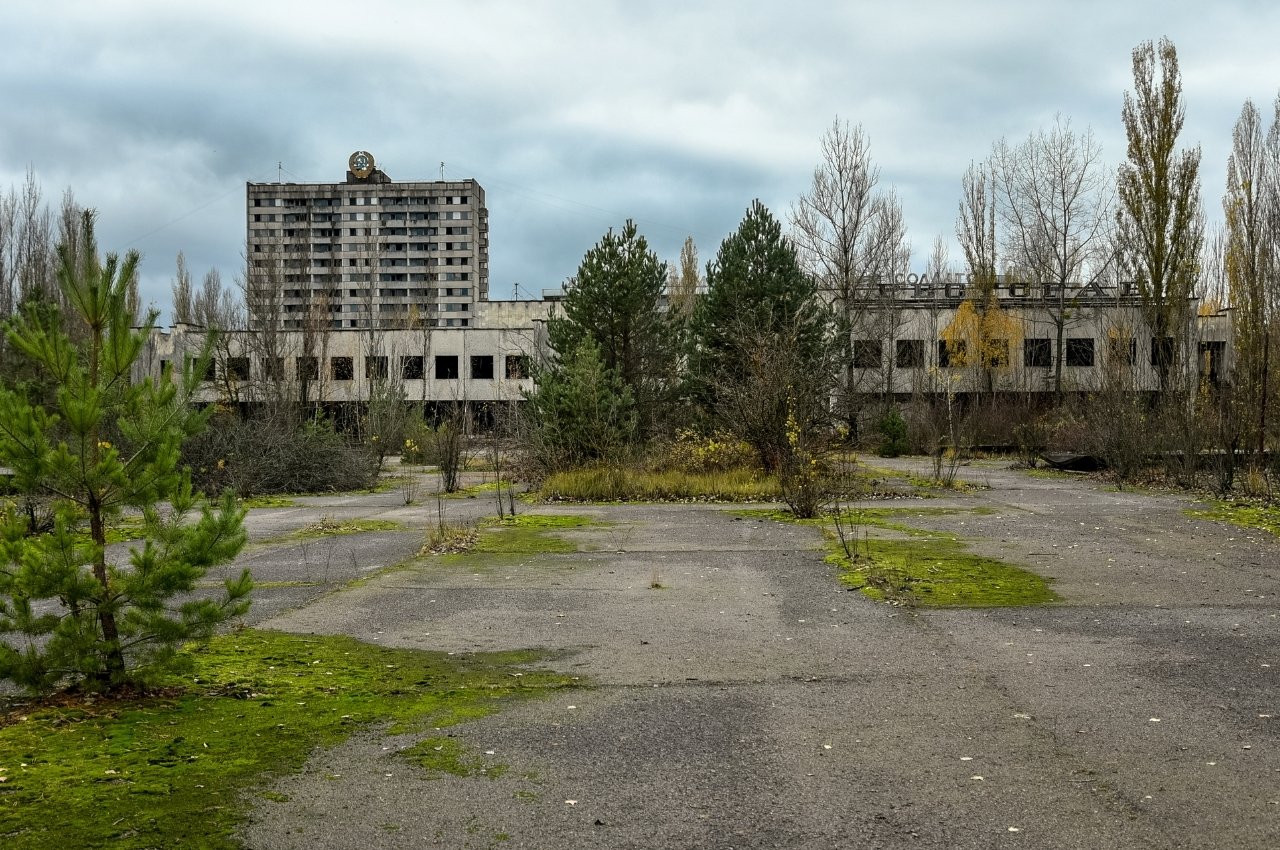
Pripyat stands out because it was abandoned almost overnight after the Chernobyl reactor exploded in 1986. A thriving city of workers and families became empty within 36 hours as radiation spread through the region. Schools, parks, and apartments remain frozen in the moment people fled, creating an eerie time capsule of Soviet life. Though nature has taken over, dangerous hotspots still linger, keeping the city off-limits for permanent return. Walking its streets feels like stepping into a paused world. Each corner whispers the cost of complacency.
3. Hashima Island, Japan
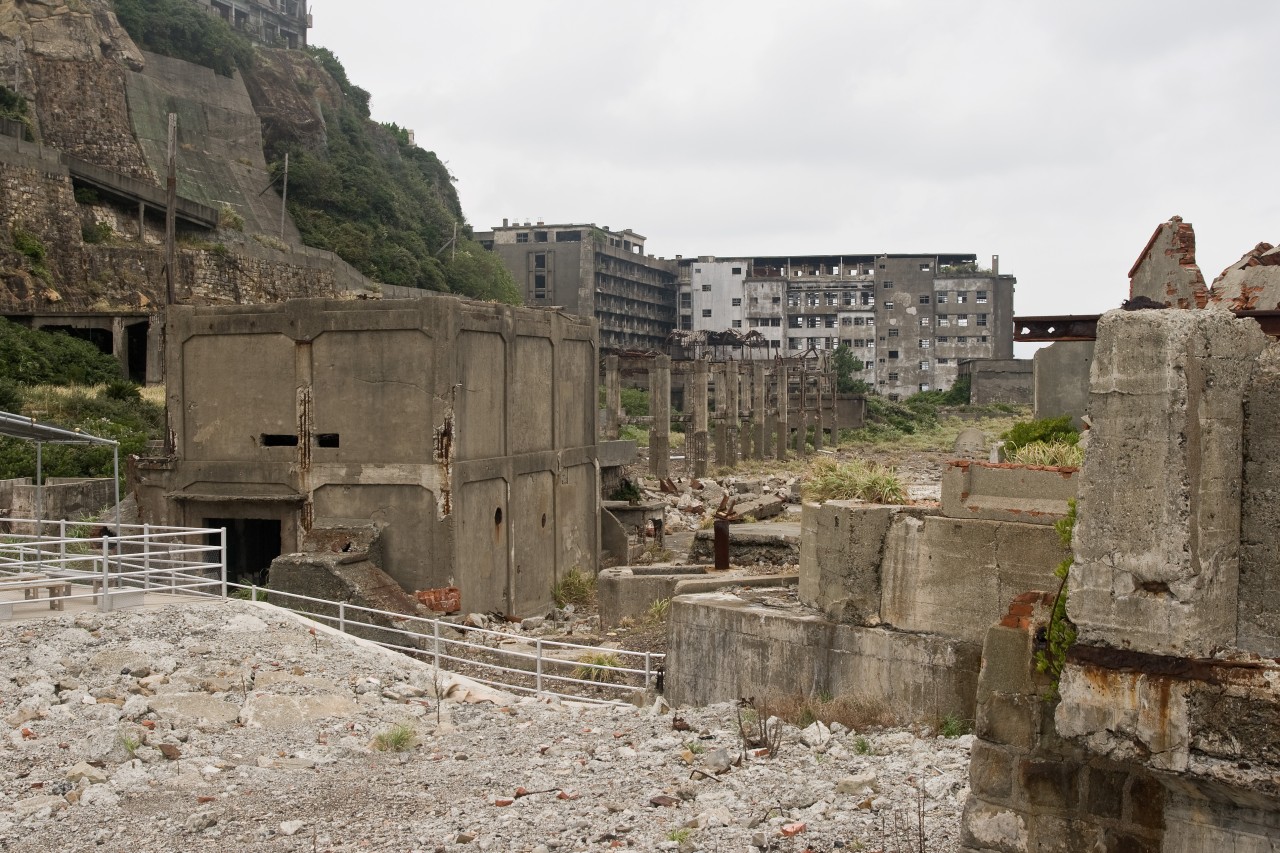
Hashima’s story is striking because its collapse was tied entirely to the downfall of coal mining. Once one of the most densely populated places on Earth, this island fortress supported thousands of workers until the mines closed in 1974. After that, residents left quickly, turning its concrete apartments into hollow shells battered by ocean winds. The island now stands as a stark symbol of industrial rise and decline. Visitors explore only select areas due to unsafe structures. The sea echoes through empty hallways like a stubborn memory.
4. Times Beach, Missouri
Times Beach is unforgettable because a health disaster erased an entire Between 1971 and 1976, contaminated oil containing dioxin wassprayed on roads to control dust, unknowingly poisoning the town. When residents learned the truth, the government bought out properties and evacuated everyone for good. Homes were demolished, and the area was eventually turned into a park, though the original town is gone. Its disappearance remains one of America’s most severe environmental failures. The ground still holds stories no sign can fully explain.
5. Gagnon, Quebec
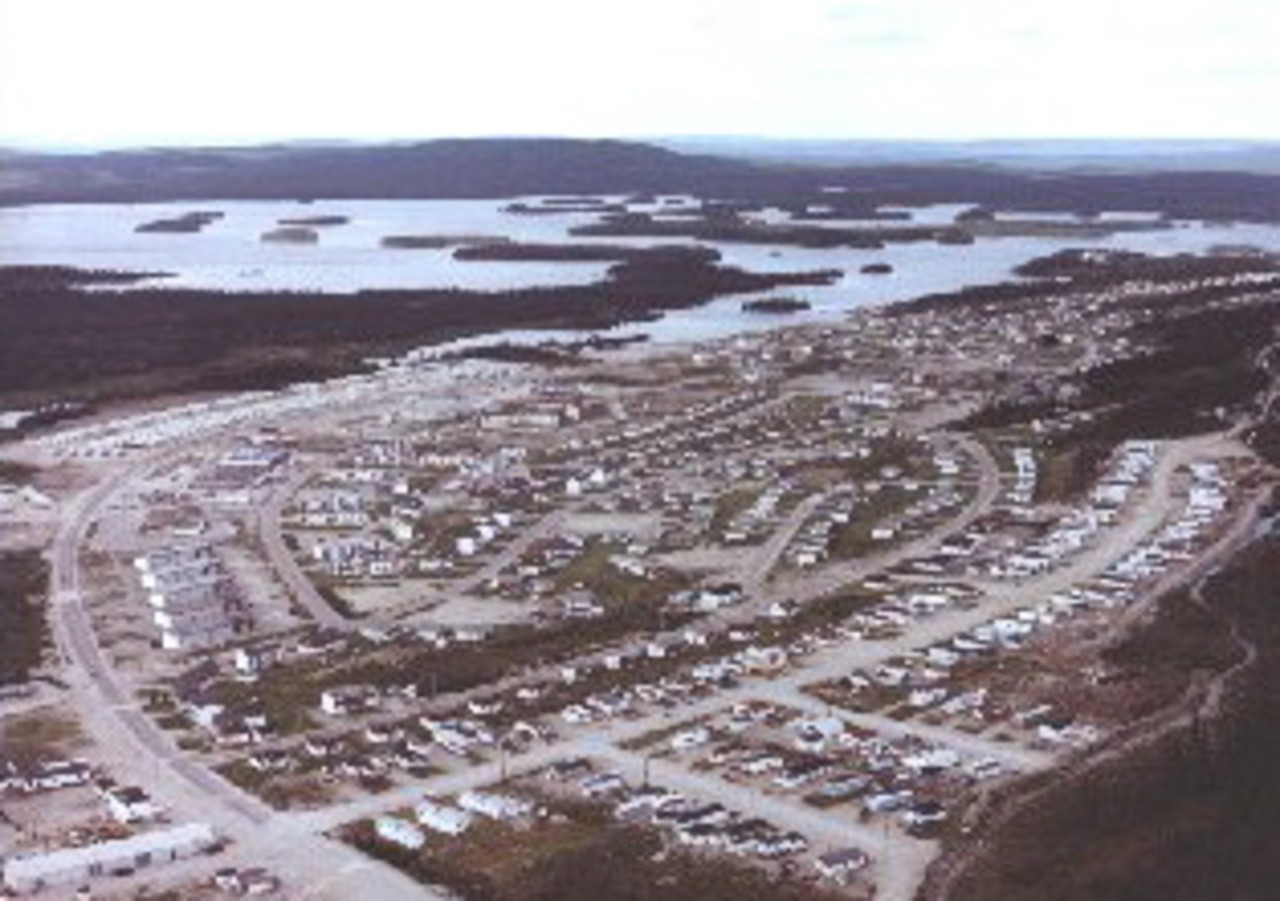
Gagnon stood in northern Quebec as a remote yet well-planned community supporting a major iron mine. The town offered schools, homes, and recreation despite its isolated location, creating a close-knit way of life. When mining ended in 1985, its economic purpose vanished almost instantly. Authorities chose full removal instead of slow decline, dismantling buildings, services, and power lines until nearly nothing was left. Only paved roads cutting through endless forest remain today, showing how quickly a purpose-built town can disappear and how fragile isolated economies can be.
6. Beichuan, China
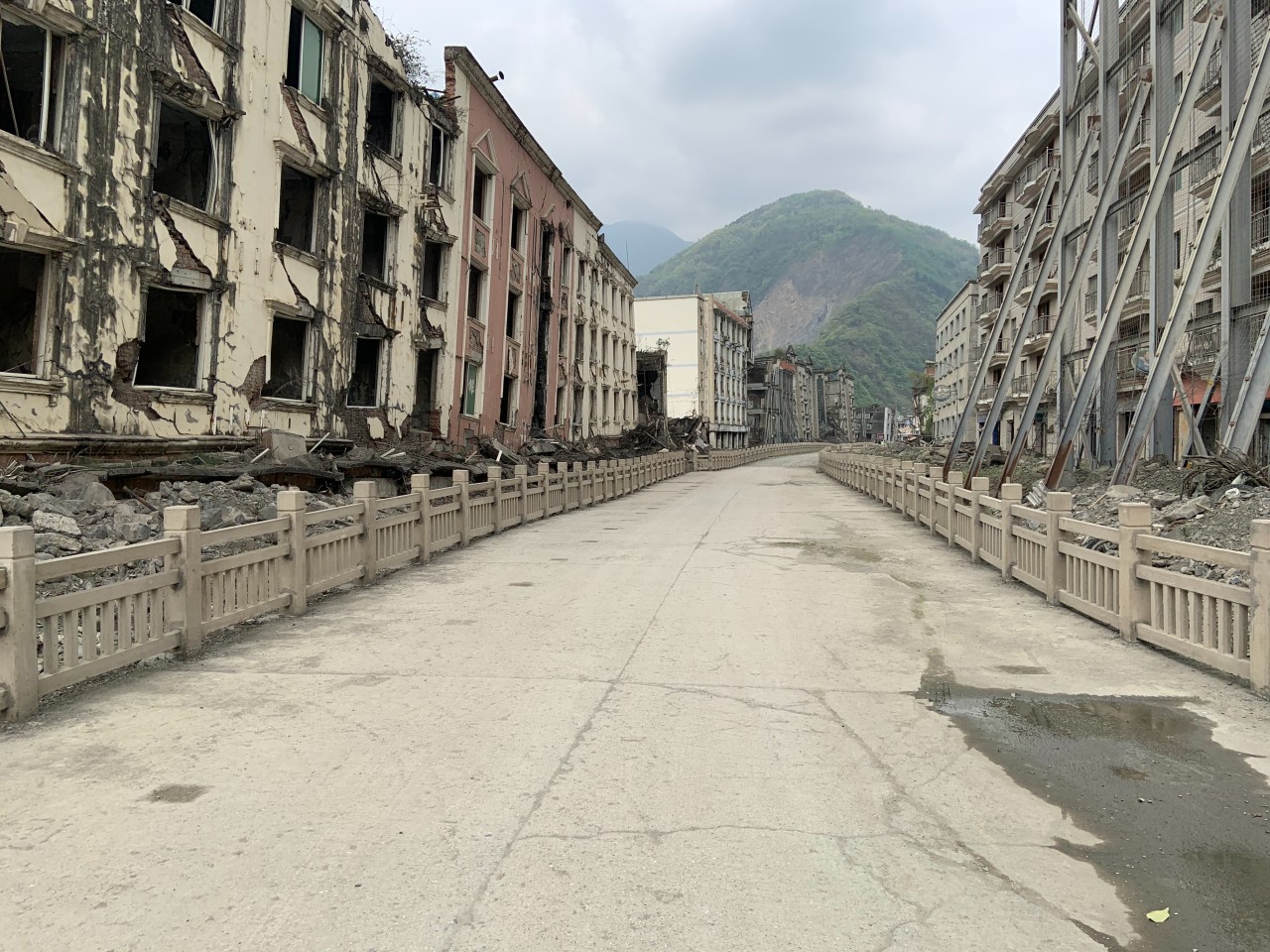
Beichuan was shattered during the 2008 Sichuan earthquake, which unleashed massive landslides and widespread collapse across the valley. Entire neighborhoods crumbled, thousands of residents perished, and the event reshaped the region’s terrain. Officials decided not to rebuild on unstable ground, choosing instead to preserve the town as a memorial. Stabilized yet untouched structures, crushed vehicles, and leaning classrooms remain visible to honor the victims. The site offers a solemn reminder of the disaster’s scale and stands as a powerful educational resource for future seismic planning and community preparedness.
7. Varosha, Famagusta
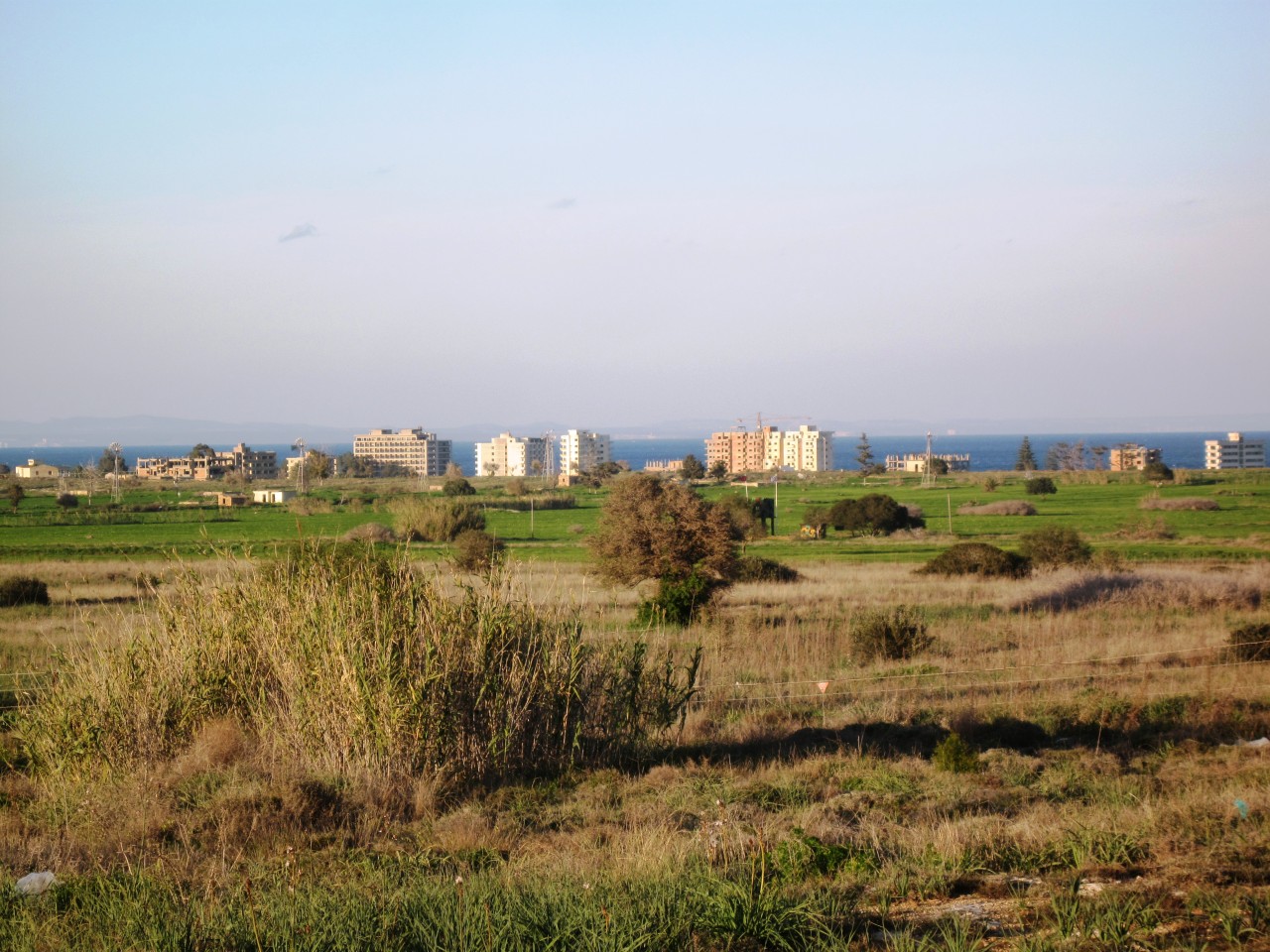
Varosha once ranked among the Mediterranean’s most glamorous resort districts, filled with modern hotels, luxury shops, and sun-soaked beaches. The 1974 conflict forced an immediate evacuation, leaving suitcases in rooms and meals unfinished. The entire area was fenced off, and decades of heat, salt air, and neglect allowed nature to reclaim streets and interiors. Though partial access has recently reopened, most of Varosha remains frozen in its final moment of life. It stands as a haunting symbol of political division and the lingering impact of unresolved conflicts.
8. Plymouth, Montserrat

Plymouth thrived as Montserrat’s capital until the Soufrière Hills volcano roared back to life in the 1990s. A series of eruptions sent pyroclastic flows, ash clouds, and searing debris cascading over the town, burying entire districts. Buildings collapsed under thick ash, infrastructure failed, and the southern region became permanently unsafe. The island’s residents were forced to abandon their beloved capital for good. Today, rooftops peek through hardened ash like modern Pompeii, showing the immense power of volcanic change and the resilience required to rebuild elsewhere.
9. Gilman, Colorado
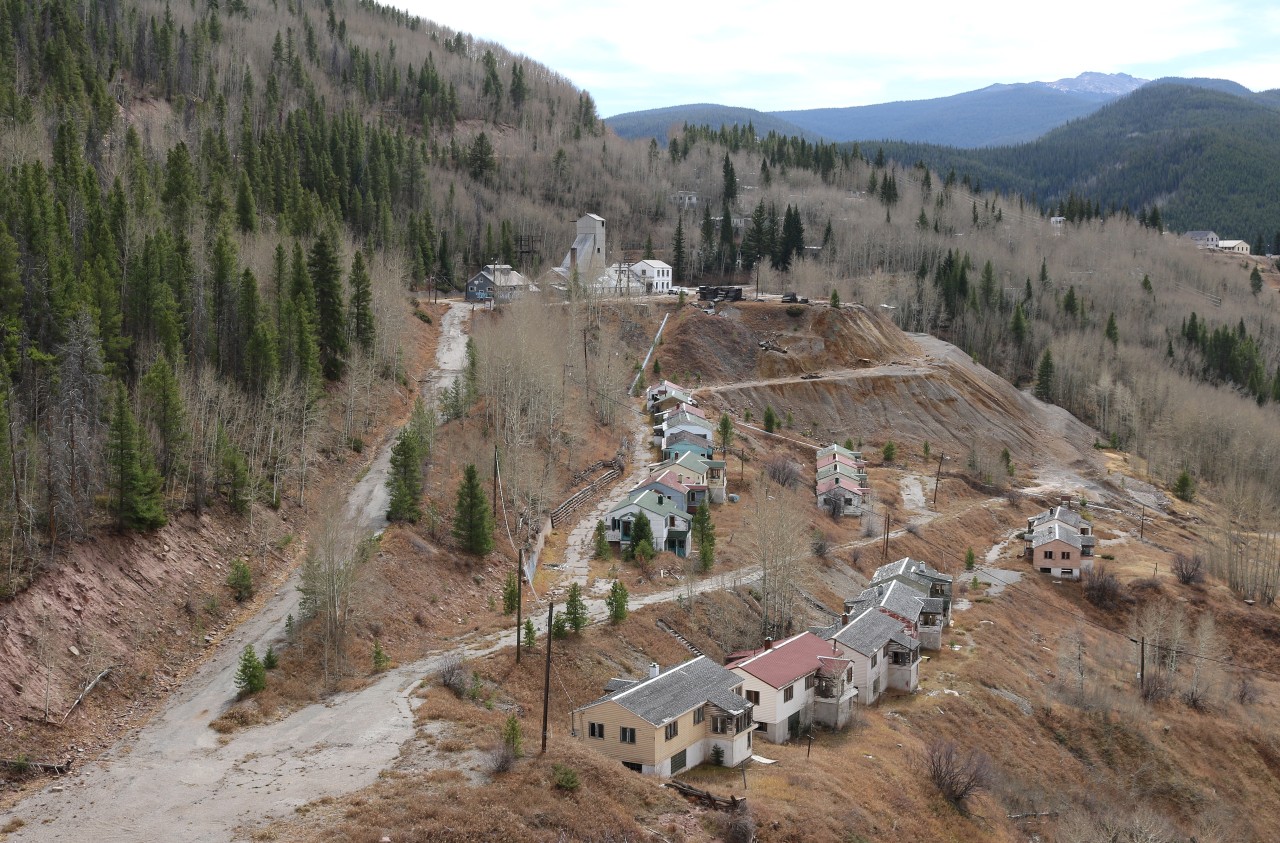
Gilman prospered for decades as a high-altitude mining town extracting zinc, lead, and other valuable minerals. Years of intensive operations left behind toxic waste that seeped into the soil and threatened nearby waterways. In 1984, regulators declared the area unsafe, ordering a full evacuation and halting all mining activity. Access was restricted as cleanup efforts began, leaving homes, equipment, and abandoned buildings frozen in place. The silent mountaintop settlement underscores the lasting environmental cost of resource extraction and the importance of responsible land management.