
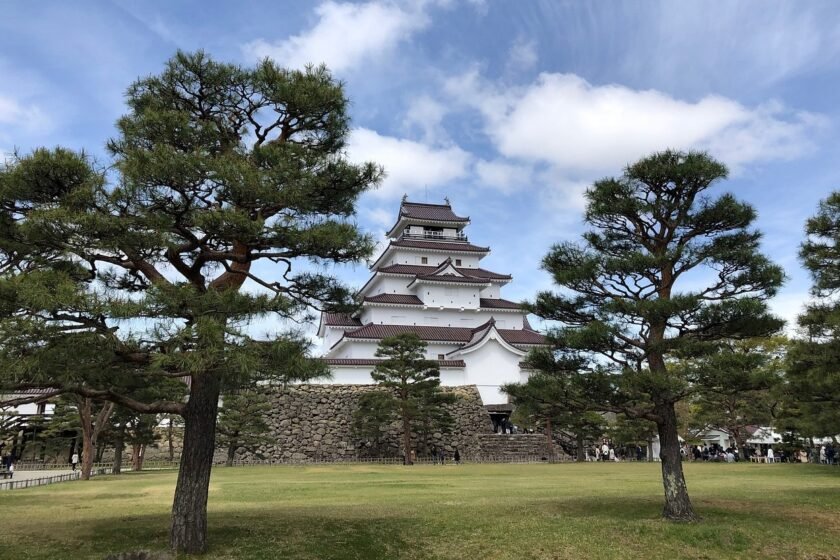
Aizuwakamatsu, in the heart of Fukushima Prefecture, Japan, is a city where centuries of history meet the calming beauty of nature. Once a favored retreat for samurai, its hot springs offer more than warm, mineral-rich waters; they provide a journey into Japan’s feudal past. Visitors can stay in traditional ryokan, soak in baths surrounded by rivers and forests, and feel the same restorative energy that once rejuvenated warriors. Each onsen invites relaxation, reflection, and a connection to the region’s rich culture.
1. Tsuchiyu Onsen
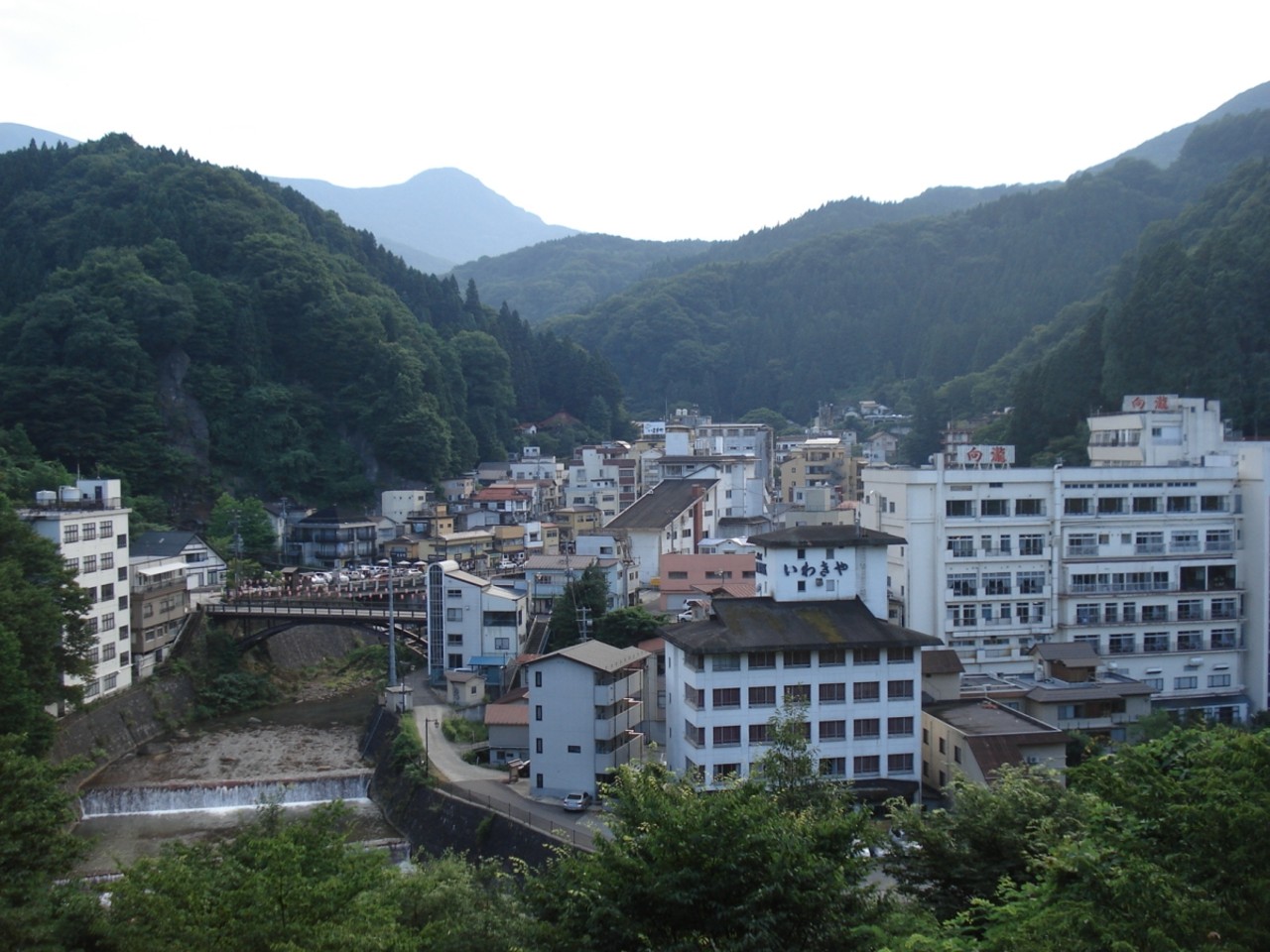
Tsuchiyu Onsen, set at the foot of Mount Azuma, is a charming hot spring village that blends natural beauty with cultural tradition. Its waters flow directly from the mountains and vary in mineral content, with some baths known for easing fatigue and supporting circulation. The village is also famous for its hand-carved kokeshi dolls, a craft passed down for generations and closely tied to its identity. Surrounded by mountain landscapes and seasonal beauty, Tsuchiyu Onsen offers both rejuvenation and an authentic glimpse of regional culture.
2. Aizu Ashinomaki Onsen
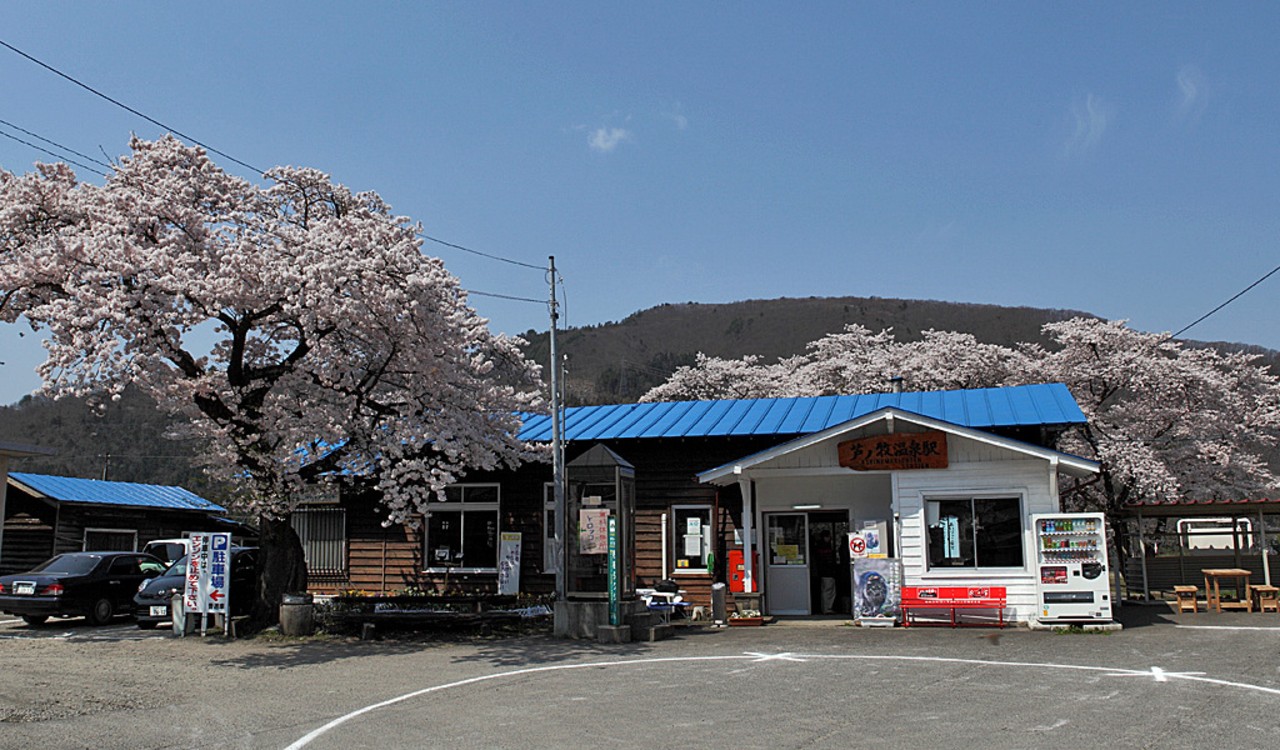
Set within the lush mountains of Aizu, Ashinomaki Onsen is celebrated for both its natural beauty and historical significance. Its hot springs have long been a refuge for samurai recovering from battle or seeking respite. Rich in minerals, the waters are believed to ease fatigue and support overall wellness. Visitors can enjoy the same restorative experience, wandering picturesque streets and sampling local delicacies. The combination of serene landscapes, history, and therapeutic bathing creates a uniquely immersive retreat.
3. Iizaka Onsen
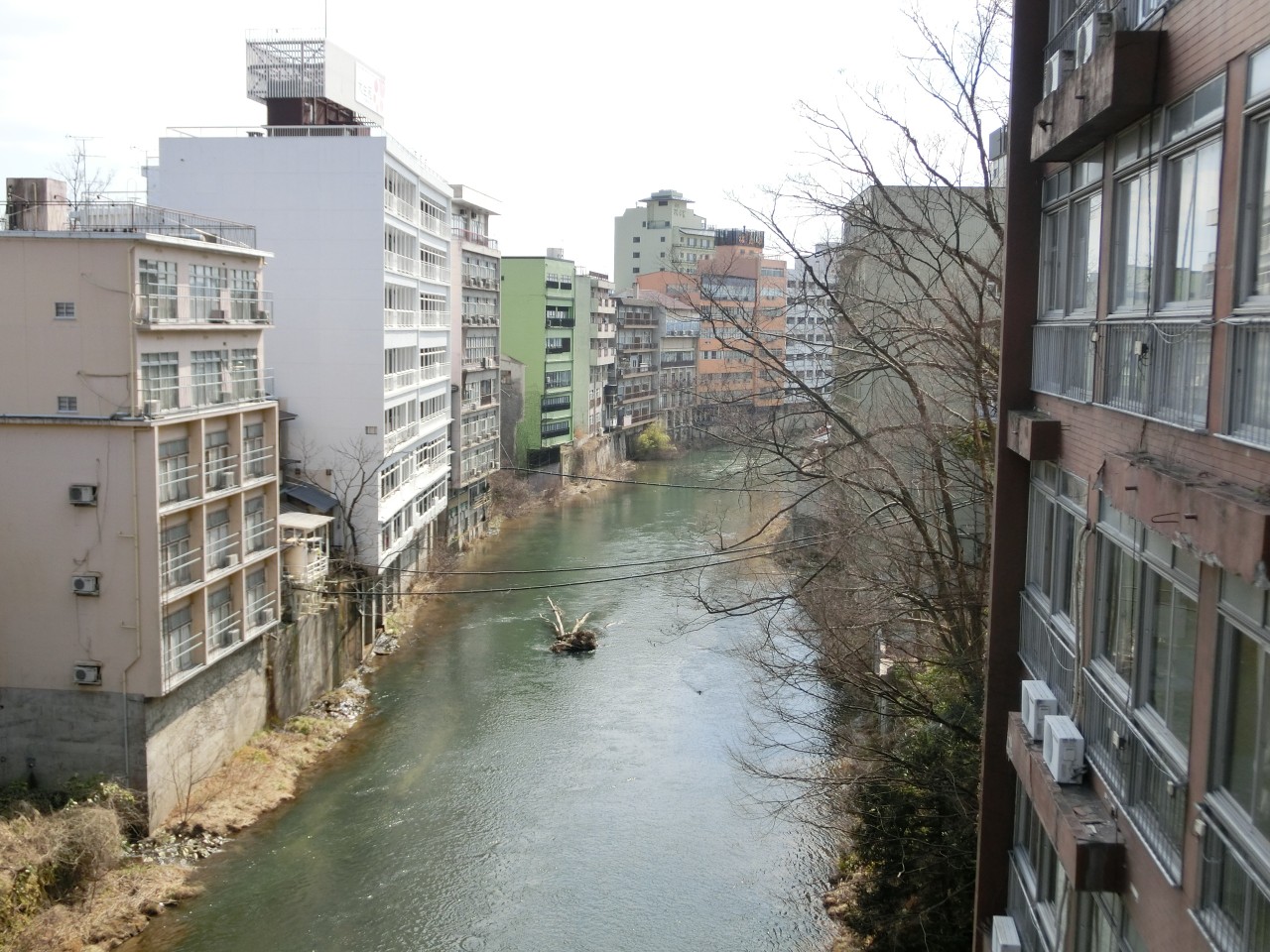
Iizaka Onsen, located in the Iizaka district of Fukushima City, is one of the region’s most historic hot spring towns. Known for its abundance of ryokan and traditional bathhouses, it preserves the authentic feel of a classic onsen village. The famous Sabakoyu bathhouse, linked to the legend of Prince Yamato Takeru, is said to have healing powers after he bathed there to recover from illness. With naturally warm, mineral-rich waters and a strong cultural legacy, Iizaka Onsen offers both relaxation and a glimpse into Japan’s timeless bathing traditions.
4. Takayu Onsen
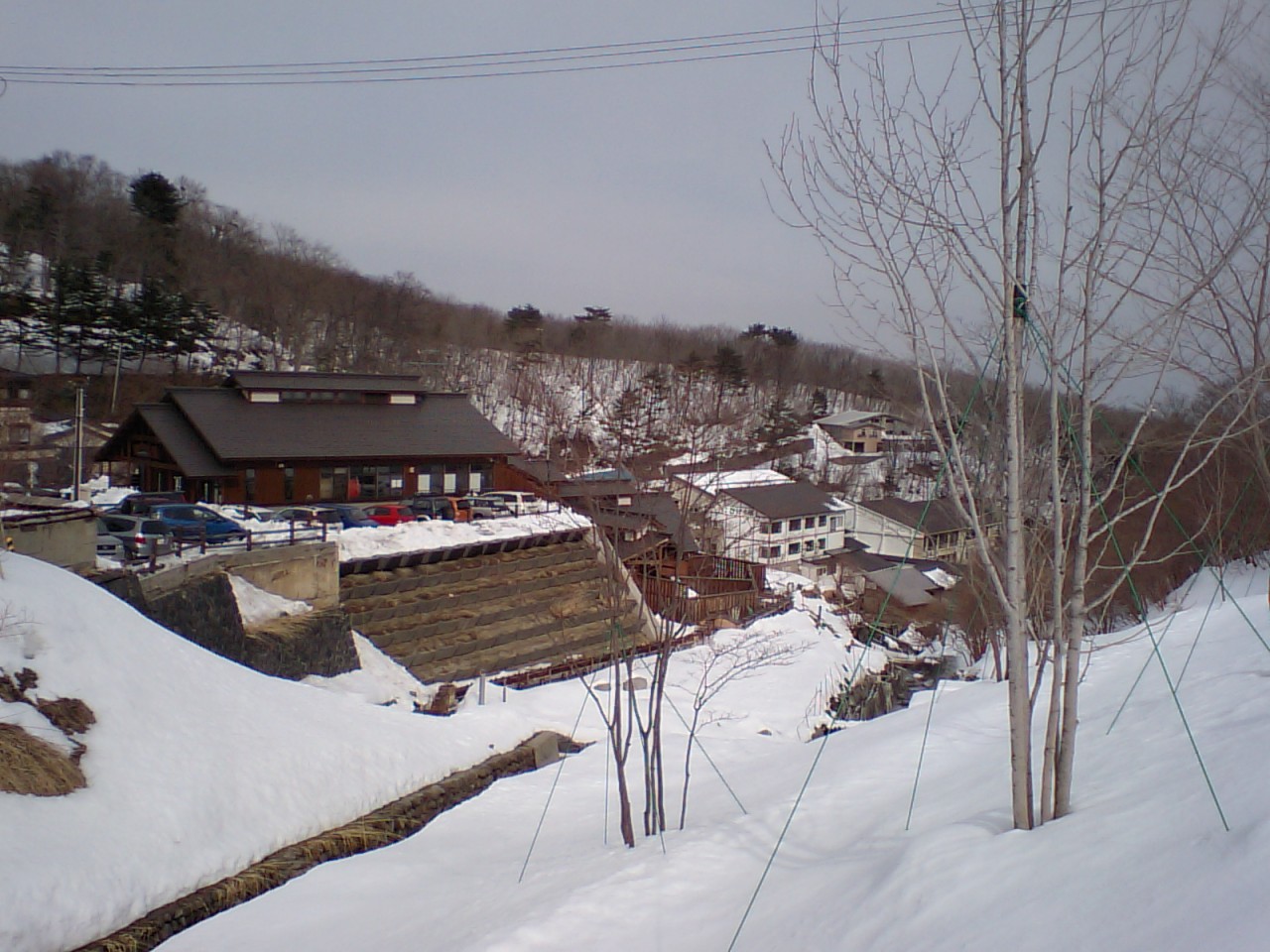
Takayu Onsen, perched about 14 kilometers west of Fukushima City, is a mountain retreat celebrated for its unique sulfur-rich springs. The water here is known for its milky-blue color and mildly acidic properties, which have long been valued for their therapeutic effects. The historic Tamagoyu bathhouse, a charming wooden structure with centuries of history, remains a highlight for visitors seeking authenticity. Surrounded by the scenic slopes of Mount Azuma, the resort combines restorative bathing with crisp mountain air, seasonal foliage, and inviting walking trails that showcase Fukushima’s natural beauty.
5. Yunokami Onsen
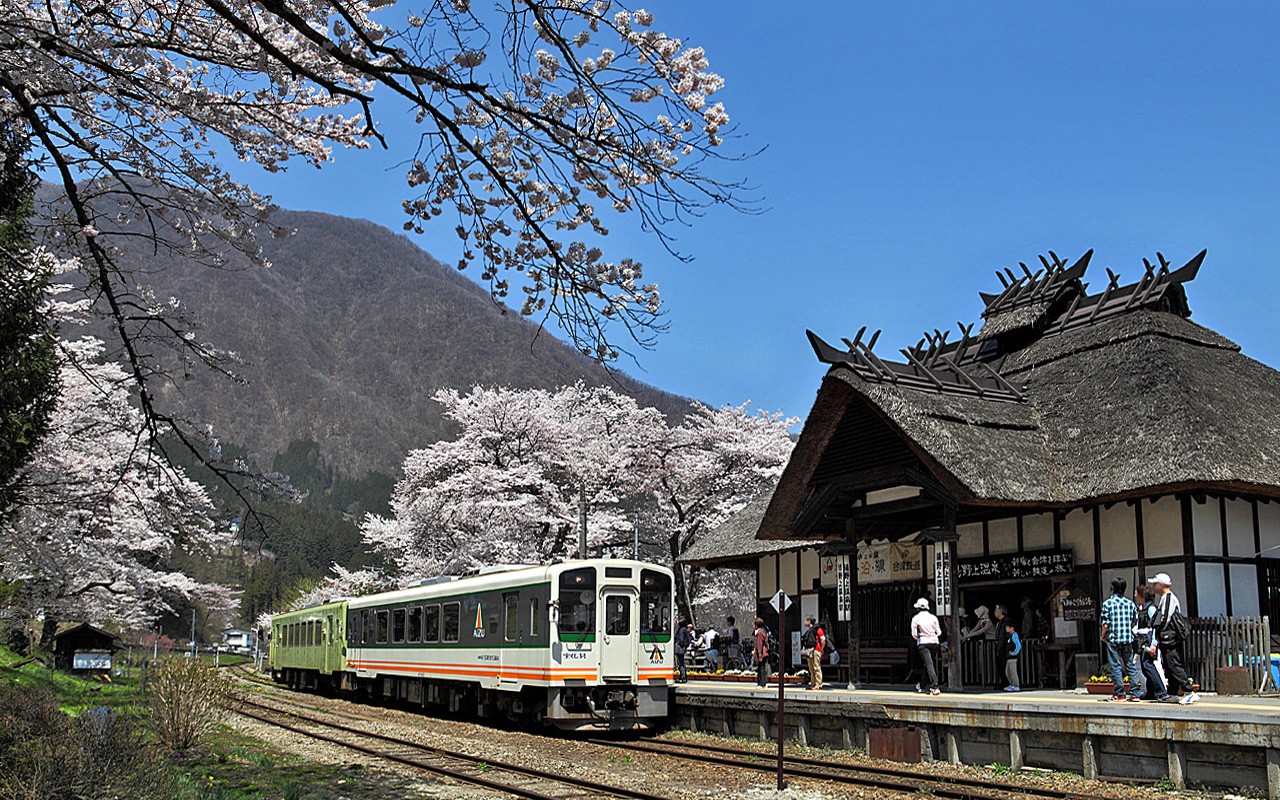
Yunokami Onsen is a small, historic hot spring village that has served travelers and samurai for generations. Its therapeutic waters are known to relieve fatigue and aid recovery, making it a favored destination for wellness and relaxation. The village retains its traditional charm through carefully preserved ryokan and public baths, allowing visitors to experience an authentic onsen environment. Surrounded by scenic landscapes, Yunokami Onsen offers a peaceful retreat where history, culture, and rejuvenation converge naturally.
6. Yunomine Onsen
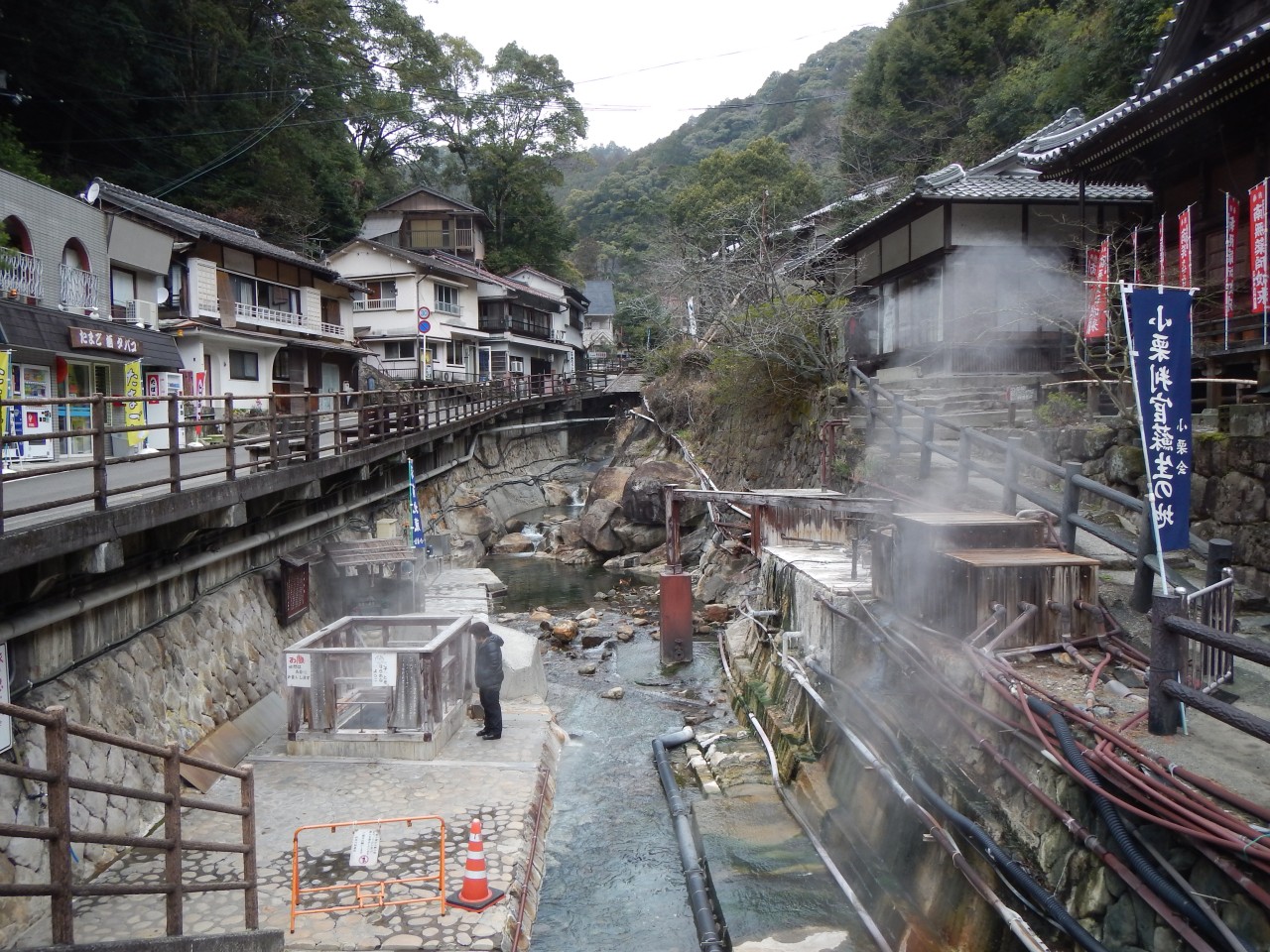
Yunomine Onsen, part of the UNESCO-listed Kumano Kodo pilgrimage route, has been revered for centuries as a place of spiritual and physical purification. Its sulfur-rich waters are said to cleanse both body and soul, making it a destination for those seeking renewal and reflection. Pilgrims and travelers alike have long valued the onsen for its restorative properties, and today, visitors can experience this sacred bathing tradition while connecting to Japan’s deep cultural and spiritual heritage in a tranquil, scenic setting.
7. Iwaki Yumoto Onsen
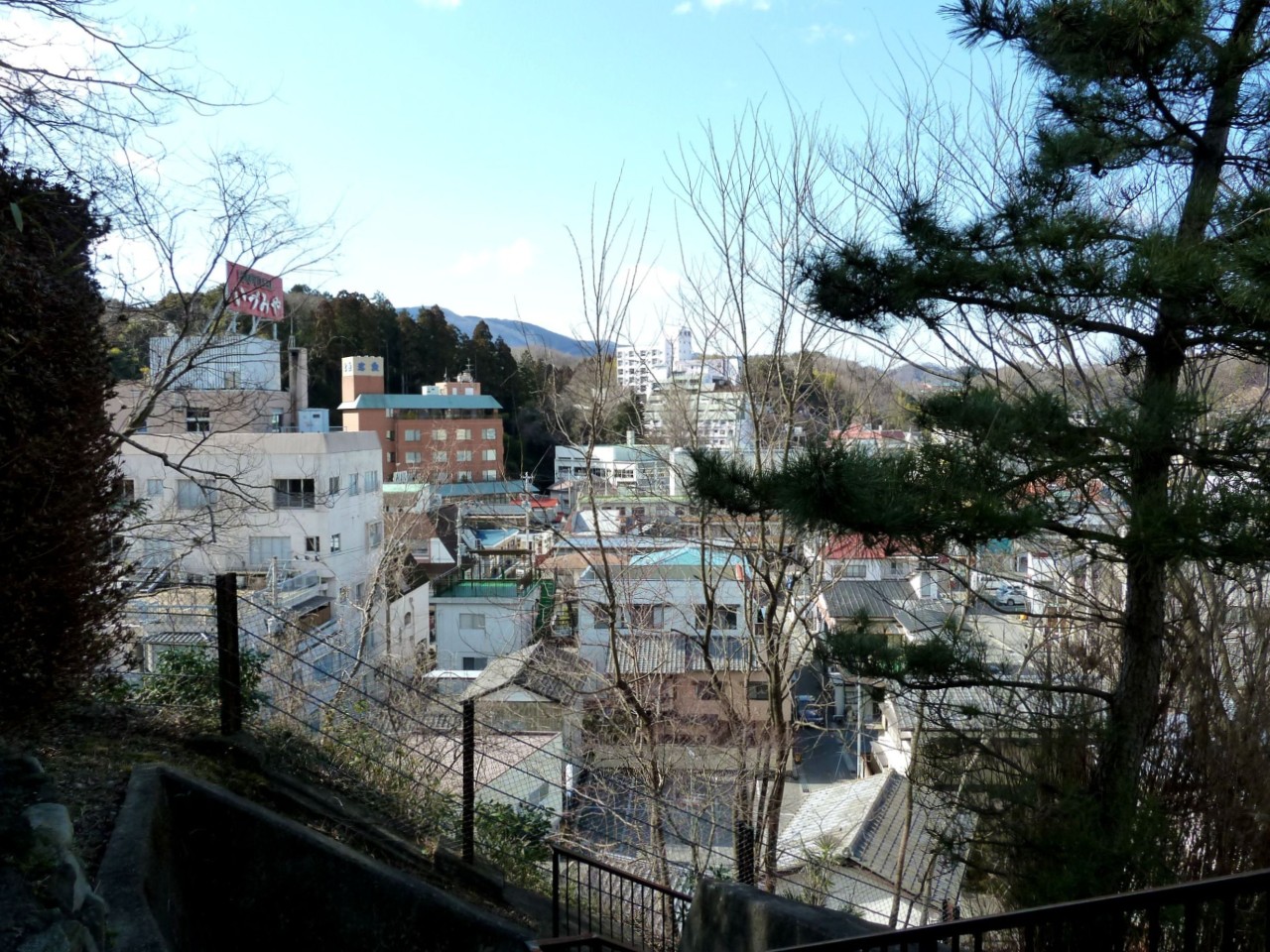
Iwaki Yumoto Onsen, located in the coastal city of Iwaki in Fukushima Prefecture, is among Japan’s oldest known hot spring resorts, with records of its use dating back more than a thousand years. The springs here boast an abundant flow of nearly 5,000 liters per minute, making them especially inviting for both locals and travelers. Renowned for their softening and skin-beautifying qualities, the waters are often praised for leaving bathers feeling refreshed. The town’s convenient location also makes it an easy stop for visitors exploring nearby attractions along Fukushima’s coastline.
8. Tsuruga Castle
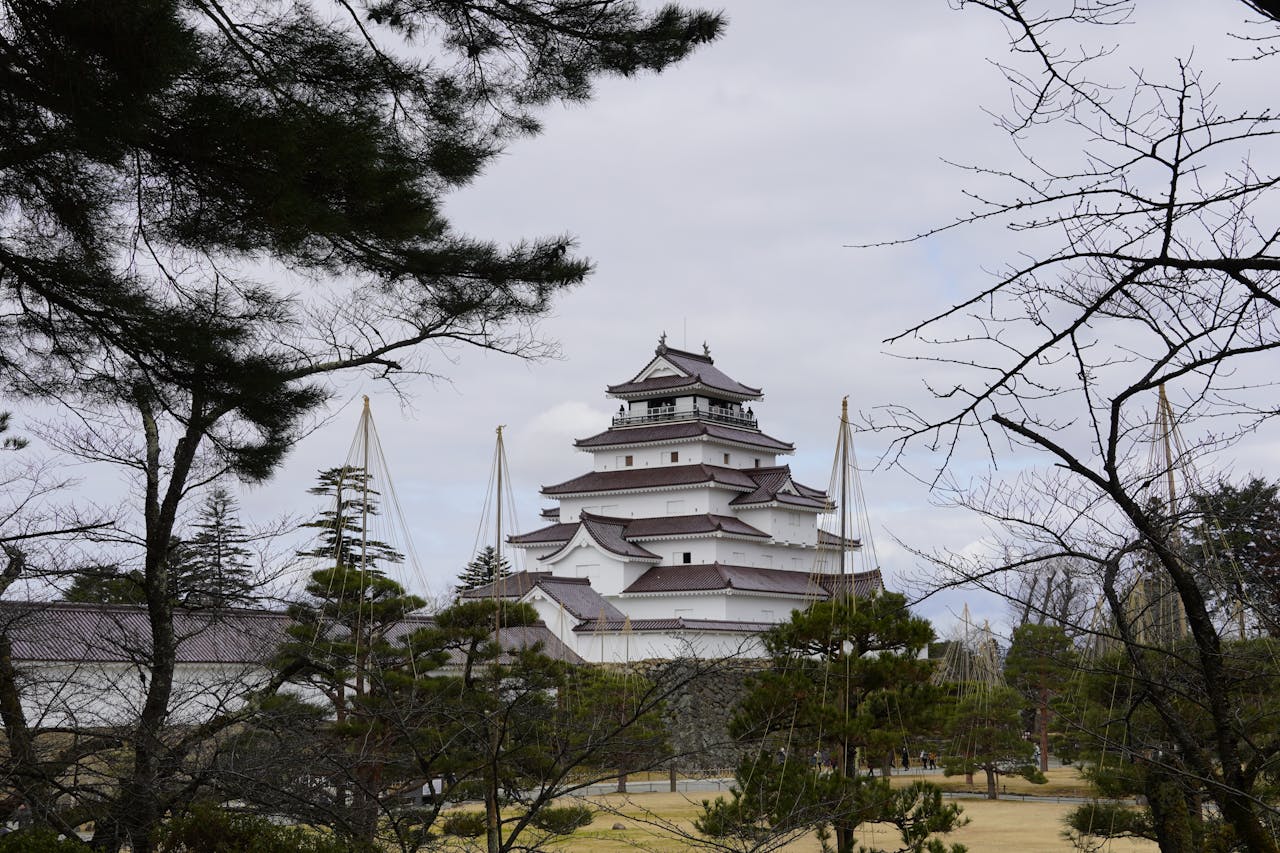
Tsuruga Castle is a striking symbol of Aizuwakamatsu’s samurai heritage, located near multiple historic hot springs. While the castle itself does not feature bathing facilities, its proximity to onsens allows travelers to pair cultural exploration with relaxation. Visitors can tour the castle’s storied grounds, then soak in therapeutic waters nearby, blending history, architecture, and wellness. This juxtaposition of the past and the present offers a uniquely holistic experience that honors the region’s samurai traditions.
9. Byakkotai Memorial
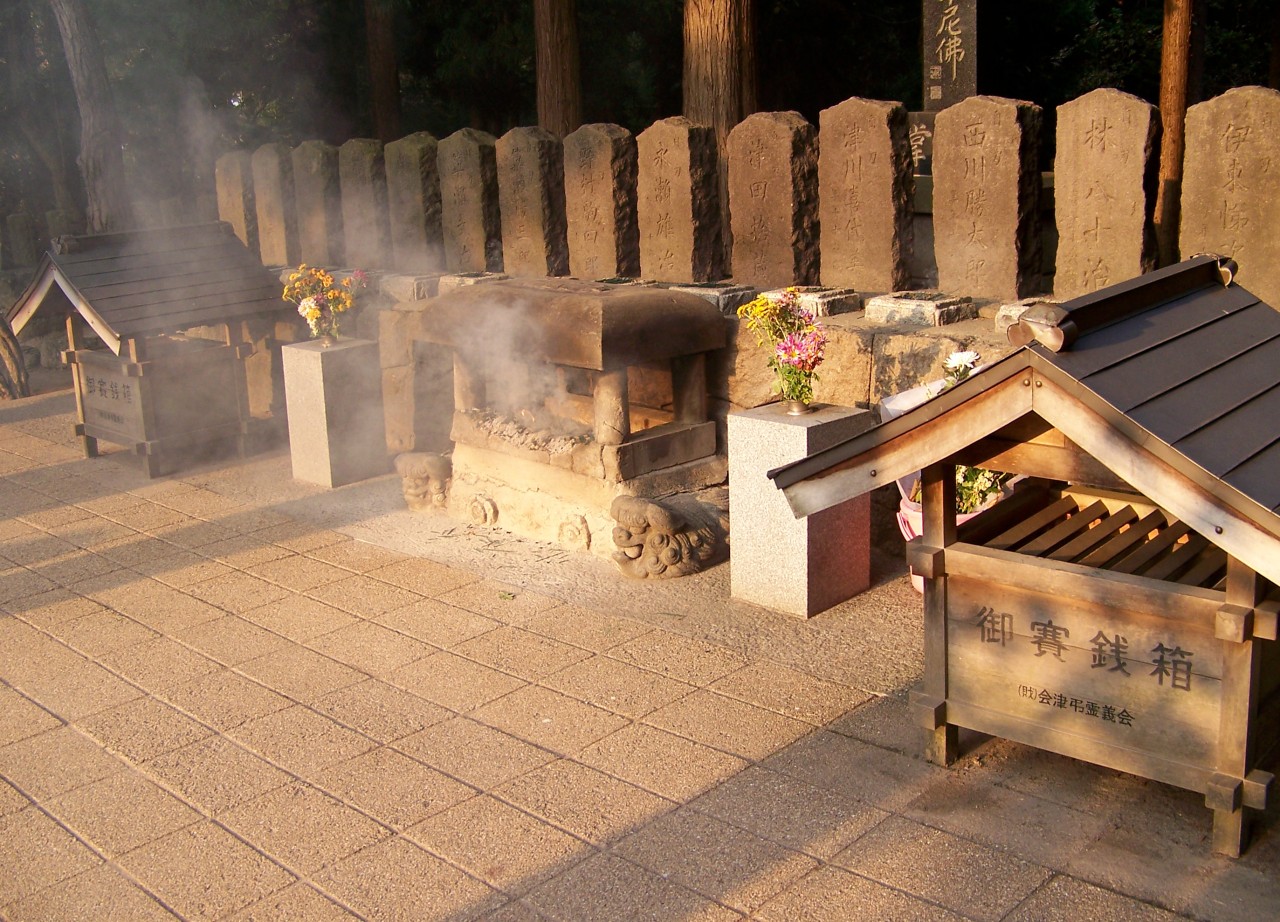
The Byakkotai Memorial commemorates the young samurai who sacrificed their lives during the Boshin War. Nearby hot springs provide a contrasting space of healing and reflection, allowing visitors to contemplate history while rejuvenating in mineral-rich waters. This combination of solemn remembrance and restorative bathing creates a profound, immersive experience. Travelers can connect emotionally with Japan’s feudal past while embracing the enduring tradition of onsen relaxation that has comforted generations for centuries.