

Venice, Italy
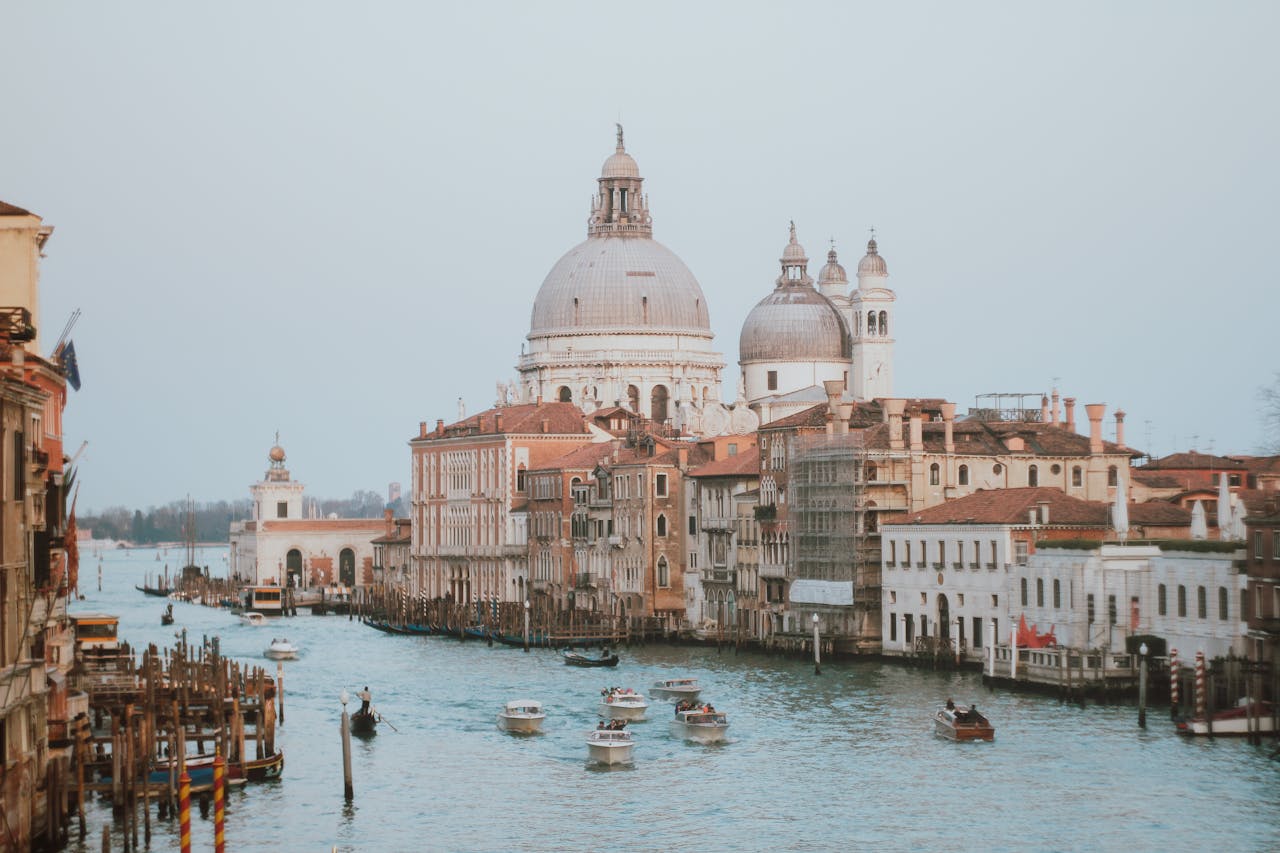
Venice has begun managing peak visiting days as controlled entry rather than open access. On select dates, day-trippers must buy a digital voucher, with €5 offered for advance payment and €10 for purchases made nearer to arrival. While many overnight guests and locals are exempt, the aim is crowd management, easing sudden surges in the narrow lanes and on the vaporetto, and financing cleaning, signage, and essential upkeep accelerated by mass tourism across the lagoon city. The levy also nudges arrivals toward quieter hours, when the stones dry after high tide and the city feels lived-in rather than staged. This arrangement remains in place for another year.
Amsterdam, Netherlands
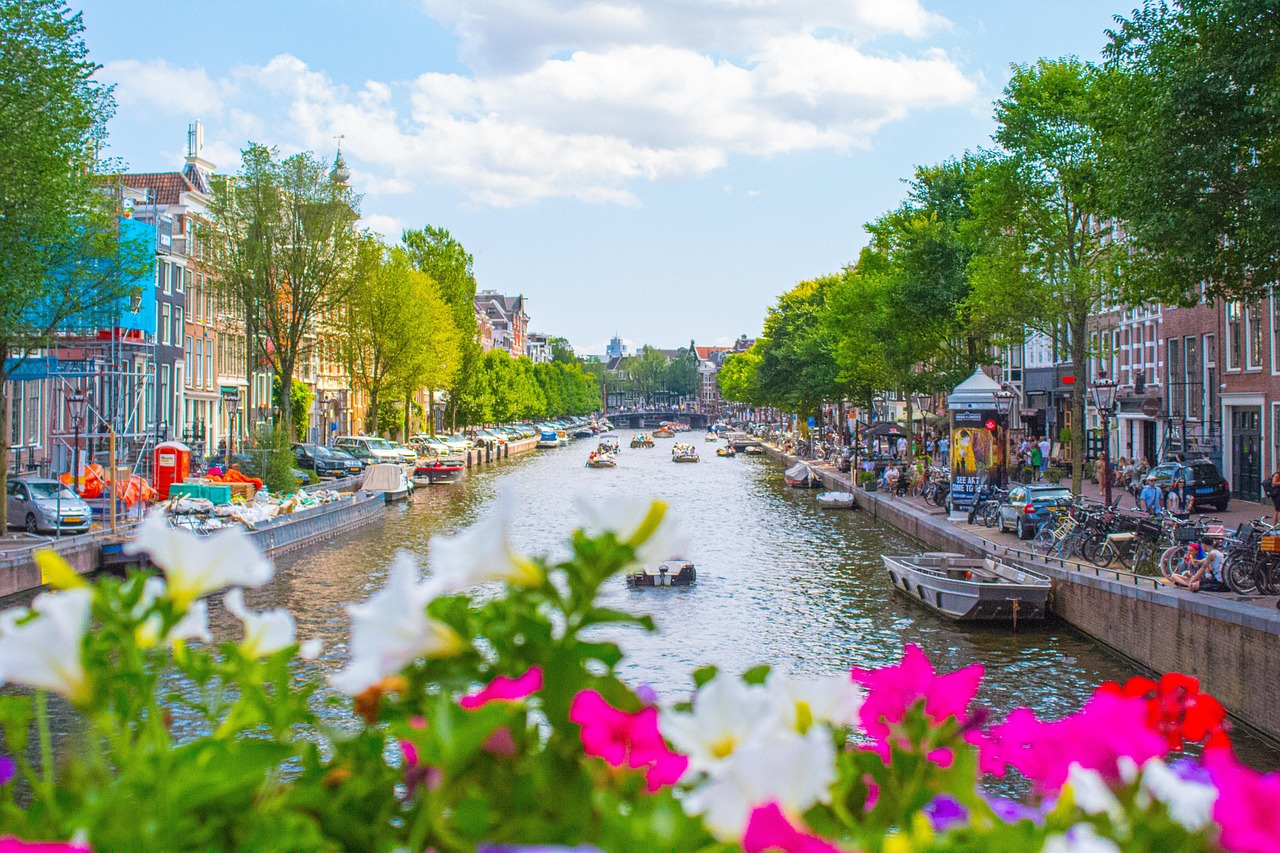
Amsterdam has made the visitor contribution an official cost of staying. Overnight guests pay a tourist tax amounting to 12.5% of the accommodation price, while cruise passengers face a separate day tourist tax of €14.50 per person. Collected through hotels, rentals, and cruise operators, the charge funds canal-edge upkeep, street cleaning, and enforcement in crowded pockets near Centraal and the canal ring. It forms part of a broader effort to cool party-tourism churn and keep housing and public spaces from fraying under weekend surges, even in the off-season.
Barcelona, Spain
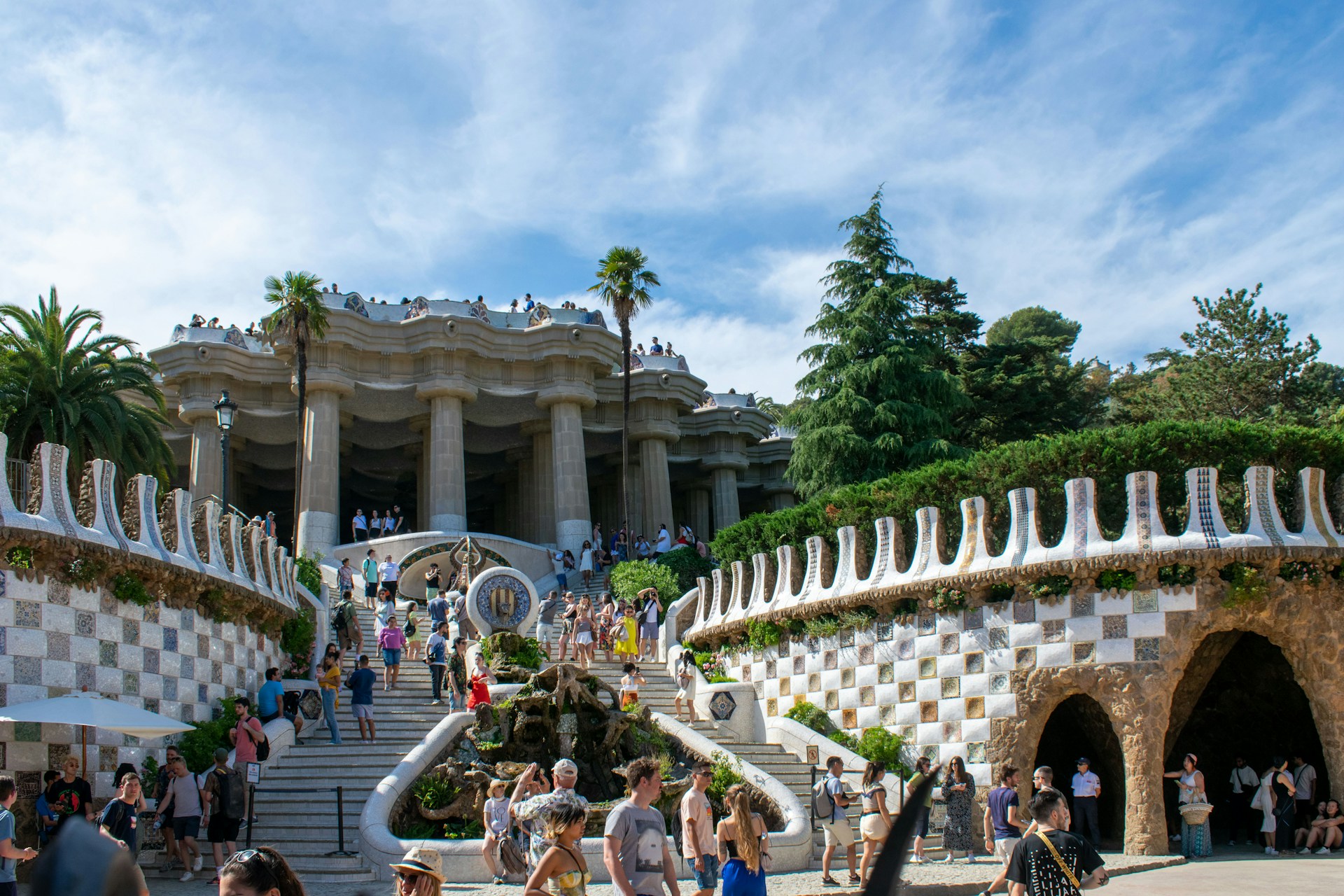
Barcelona sits at the heart of Catalonia’s stay tax framework, where the final tally reflects both place and pressure. The regional tax is charged per person per night, varies by lodging type and location, and is generally capped at seven nights in the same lodging. Barcelona can also add a city surcharge, a detail that has sparked debate as officials tie revenue to street cleaning, transit strain, and the wear that cruise-day crowds bring to the Gothic Quarter and Eixample. The figures shift more often than the architecture, but the collection has become routine, folded into the cost of being there.
Paris, France

Paris keeps its visitor charge nearly archival, like a stamp on the city’s hospitality ledger. The taxe de séjour is charged per person per night, with a wide range: about €0.65 for campsites up to €15.60 for palace-level hotels, with the amount shown on invoices and often collected separately. Set and managed locally, it helps shoulder costs generated by millions of short stays, from street cleaning near the Seine to upkeep around landmarks and the transit system that keeps Paris moving when the season never truly ends. Small per-night amounts accumulate into a substantial citywide habit.
Rome, Italy
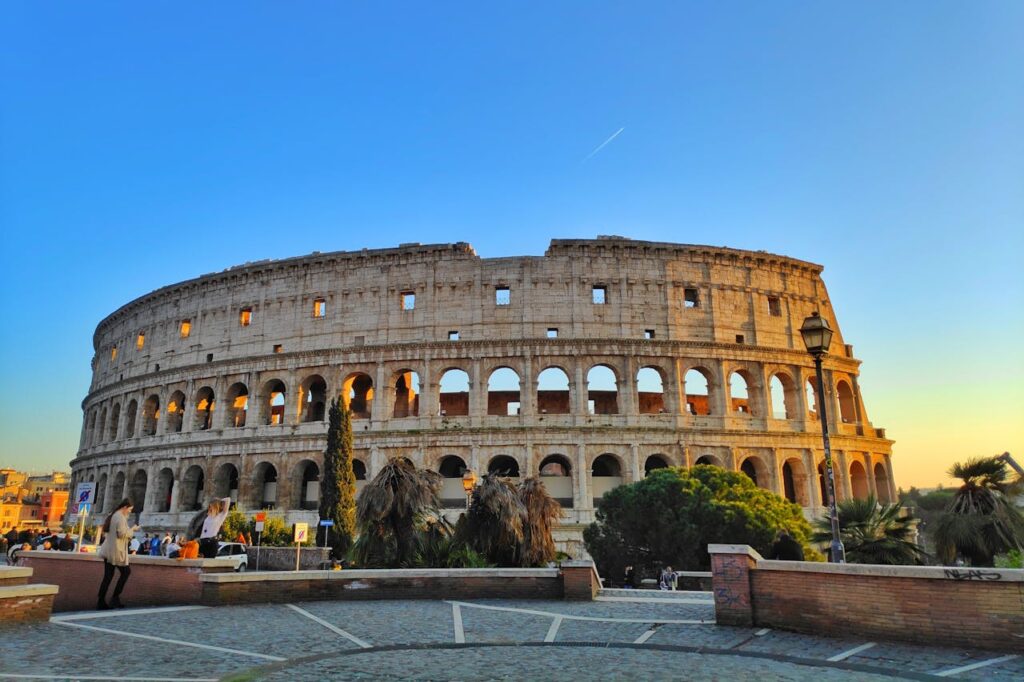
Rome’s visitor tax arrives with the same inevitability as sunset over travertine, quietly added at check-in or checkout. The contributo di soggiorno is charged per person per night and scales with lodging category, reaching €10 in many five-star hotels, and it often applies only up to a set number of nights. For a city that is both neighborhood and open-air museum, the fee supports services tourism relies on—sanitation, policing, and transit. Meanwhile, the Forum’s stones, the steps at Piazza di Spagna, and Trastevere’s lanes absorb another day of footsteps, heat, and camera flashes through October.
Lisbon, Portugal
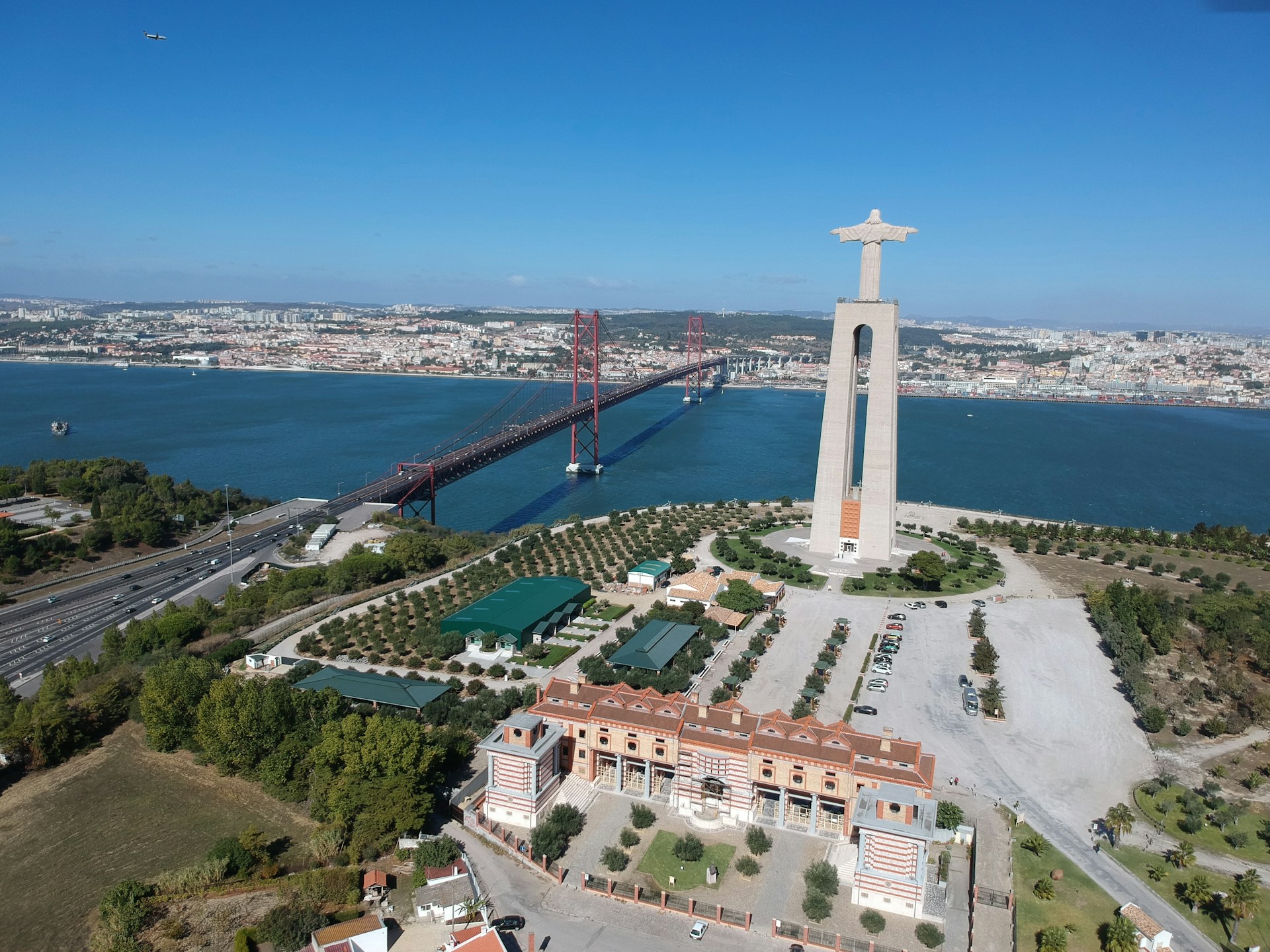
Lisbon’s hills and tiled façades now come with a straightforward visitor contribution that locals frame as responsible stewardship. The city charges €4 per person per night for overnight stays, typically from age 13 and older, capped at seven consecutive nights, and cruise arrivals pay €2 per person. In neighborhoods like Alfama and Baixa, where narrow lanes funnel crowds toward viewpoints, tram stops, and pastry counters, the levy helps cover cleaning, minor repairs, and visitor services. It is a modest fee, but it signals that the city’s daily rhythm is worth protecting even when tourism remains active year-round at street level.
Bali, Indonesia

Bali’s levy functions more as a cultural pledge than a hotel surcharge, paid once and applicable island-wide. Foreign visitors pay IDR 150,000 per entry, a charge introduced in 2024 and framed as support for Balinese culture and the natural environment. Payment is typically handled through official Love Bali channels, which keeps the process simple while making the contribution visible. In a destination where temples, beach clubs, rice terraces, and traffic compete for space, the levy supports cleanup and conservation before the first beach day and before the island feels overrun.
Bhutan, Himalayan Kingdom

Bhutan views tourism as something to be paced, not maximized, and the fee structure reflects that stance. The Sustainable Development Fee is US$100 per person per night for most visitors, while travelers from India pay INR 1,200 per person per night, with reduced rates for children. Rather than tucking costs into packages, the charge signals that conservation and culture are part of the trip’s true price, supporting public services and preservation. It keeps sacred sites, trails, and high valleys from being exhausted by heavy visitation, while still welcoming guests over time.
New Zealand

New Zealand’s visitor charge is national and attached to entry rather than embedded in a hotel bill. Most international travelers pay the International Visitor Conservation and Tourism Levy, set at NZD 100, collected alongside visa or NZeTA processes. The idea is straightforward: landscapes that still look pristine require trails, toilets, rescue capacity, and conservation work, especially when peak seasons put pressure on small towns. By pooling funds at the border, the country supports tourism and conservation systems so places like Milford Sound and Tongariro can handle their fame without compromising their quiet in the long run.