

JAPAN
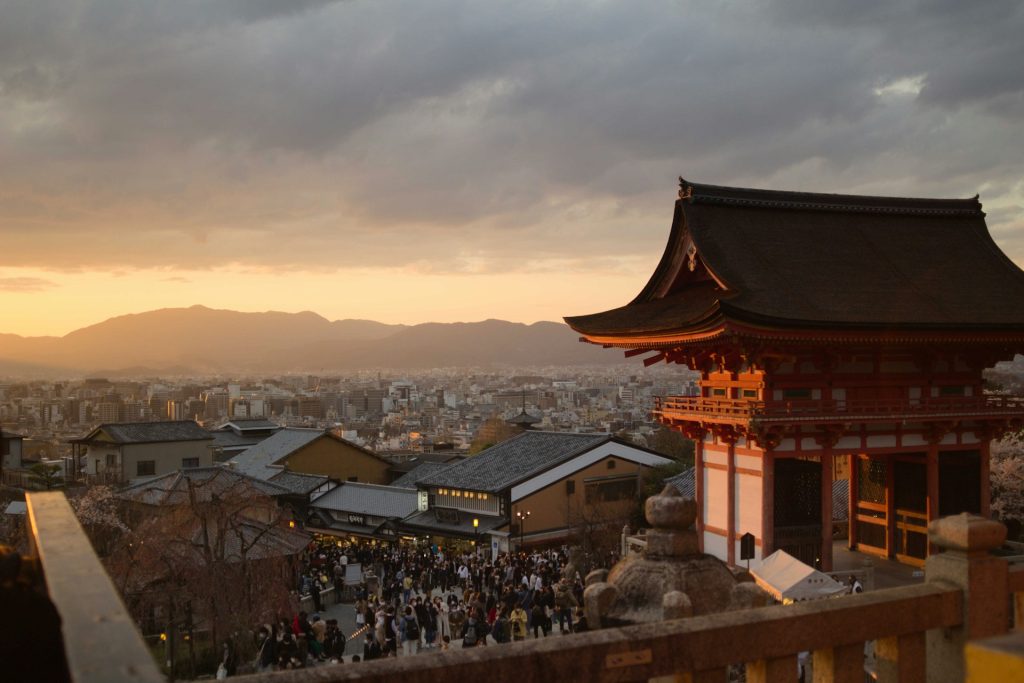
Kyoto, Japan
Voyaging opens doors to fresh cultures, yet unfamiliar rituals can trigger inadvertent misreads. Travelers frequently cross local boundaries without grasping the social significance of daily conduct. Most such slips aren’t rooted in ill will, but they can unsettle people or offend. Cultural norms vary in nuanced but crucial ways, from how we greet someone to how we behave in public. Learning these expectations nurtures respect and easier exchanges. The list below points to common misinterpretations around particular locales. Each example mirrors genuine traditions molded by history and shared values. Being mindful makes travel more considerate and rewarding for people worldwide.
In Japan, everyday conduct centers on considerate restraint toward others. Visitors frequently talk loudly or answer calls on trains, seen by locals as intrusive. Trains and buses are shared spaces where quietude signals regard for the group. Eating while strolling is frowned upon. Wearing shoes indoors breaches domestic and traditional building conventions. Money exchanges follow established etiquettes. These habits embody a nationwide emphasis on harmony. Travelers often miss these expectations inadvertently. Grasping Japanese social etiquette enables guests to move through daily life with greater tact, sidestepping awkward exchanges while valuing a culture rooted in mutual regard and subtle social awareness.
THAILAND
Bangkok, Thailand
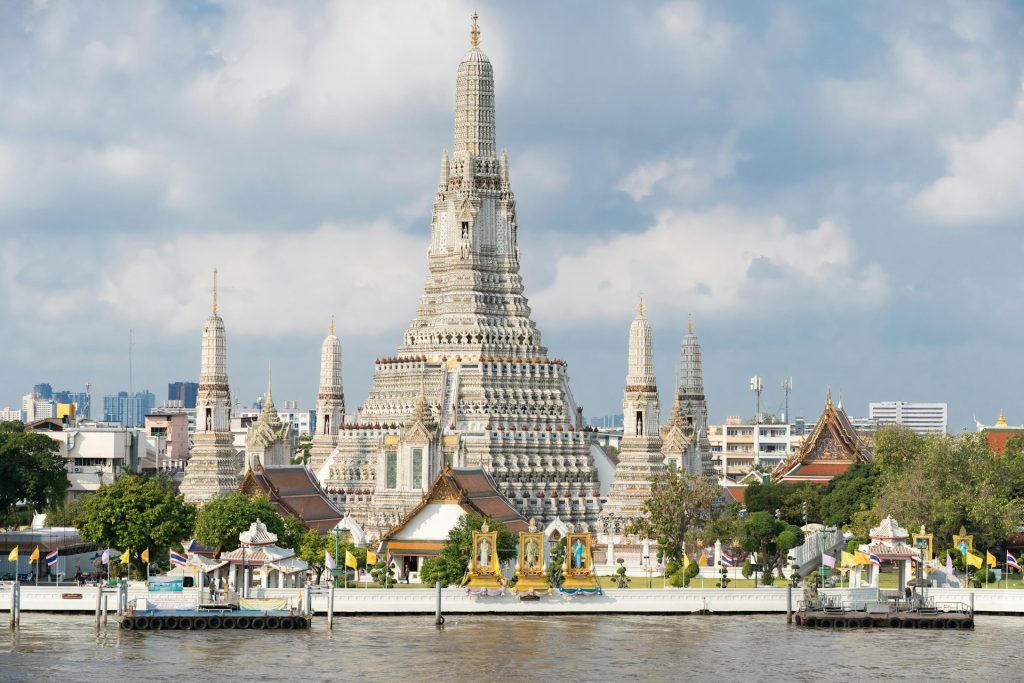
Thai etiquette places a strong emphasis on rank and spirituality. Visitors sometimes touch a child’s head without realizing it is sacred, and feet are regarded as the lowest part of the body, making it rude to point them at people or sacred icons. Showing disrespect to royal images can lead to severe penalties. At temples, appropriate attire is important. Excessively loud or confrontational behavior can disturb community harmony. Rooted in Buddhist culture and local values, these norms may surprise outsiders. By learning these customs, travelers can demonstrate proper respect and enjoy Thailand with heightened cultural awareness in everyday exchanges.
ITALY
Venice, Italy (St. Mark’s Basilica)
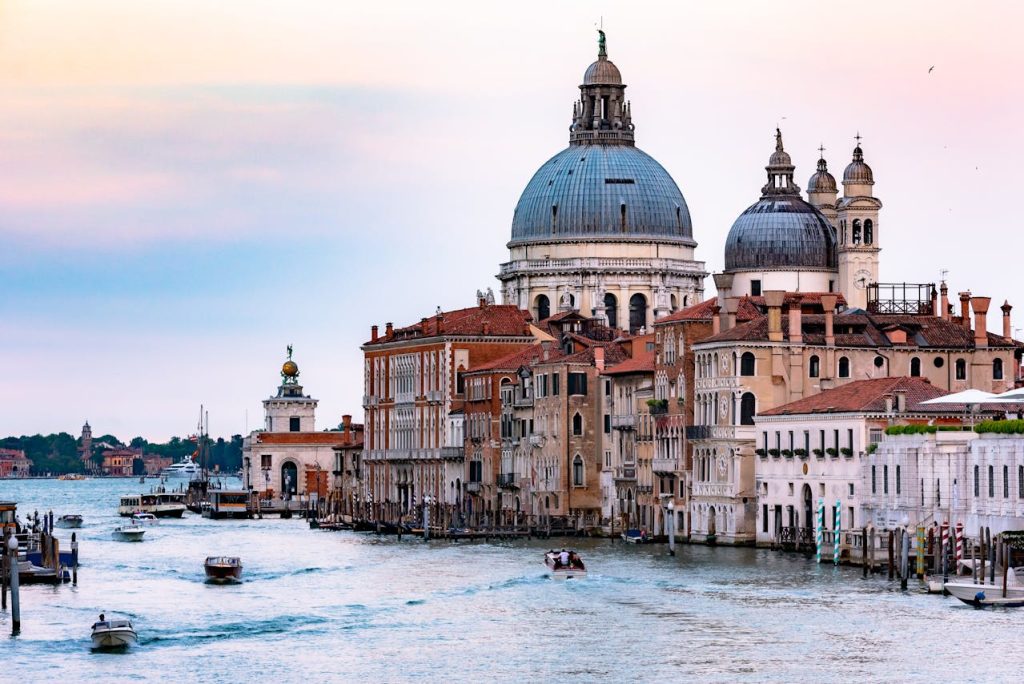
Italy merges vibrant life with centuries of heritage, yet some visitors overlook certain guidelines. Tourists often perch on monuments, fountains, or church stairs, sometimes while eating. Cities frequently ban this to safeguard landmarks. Dressing provocatively for churches breaches expected attire. Excessive noise in tranquil historic settings is frowned upon. Dining customs also play a role, such as the customary timing for cappuccino. These norms emphasize reverence for a shared legacy. People may be unaware of restrictions until penalties occur. Knowing Italian etiquette helps travelers move through cities with thoughtfulness, savoring history while avoiding actions locals deem rude or disrespectful toward active cultural spaces.
UNITED ARAB EMIRATES
United Arab Emirates
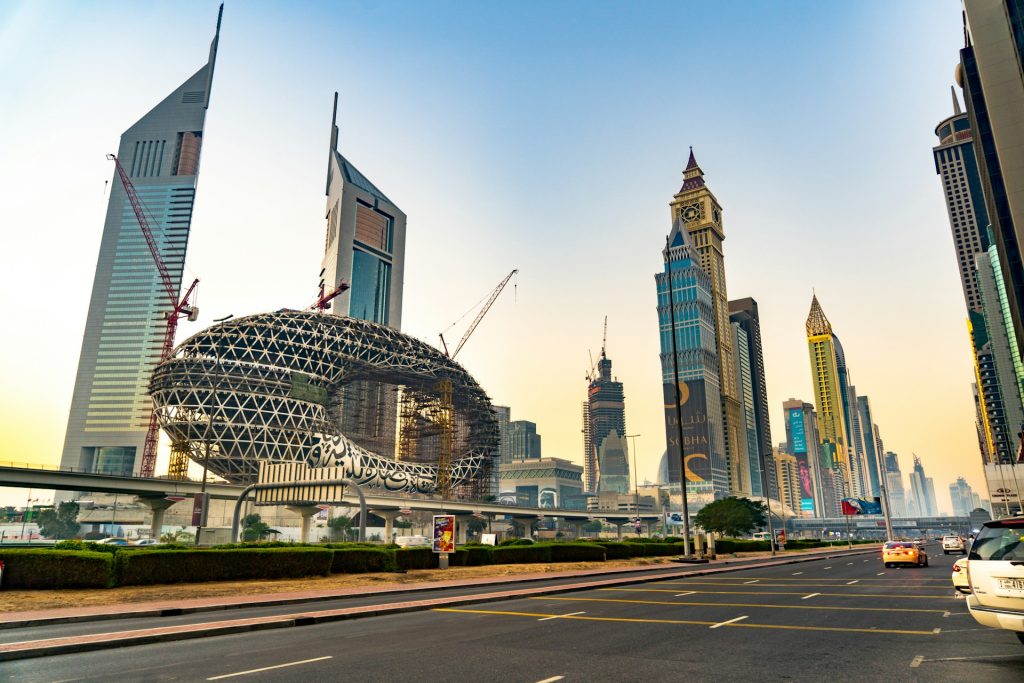
Etiquette in the United Arab Emirates centers on modesty and discretion. Visitors may engage in public displays of affection without realizing they contravene norms. Dress codes apply not only at mosques but in public spaces too. Alcohol is restricted to licensed venues. Gestures or speech acceptable elsewhere can be offensive here. The customs mirror deep Islamic beliefs and cultural values. Tourists might mistake resort ease for a universal stance. Recognizing the differences between tourist zones and everyday public spaces is key. Showing deference to local practices leads to smoother visits and signals cultural awareness in a region balancing contemporary tourism with tradition.
GERMANY
Munich, Germany (Oktoberfest)
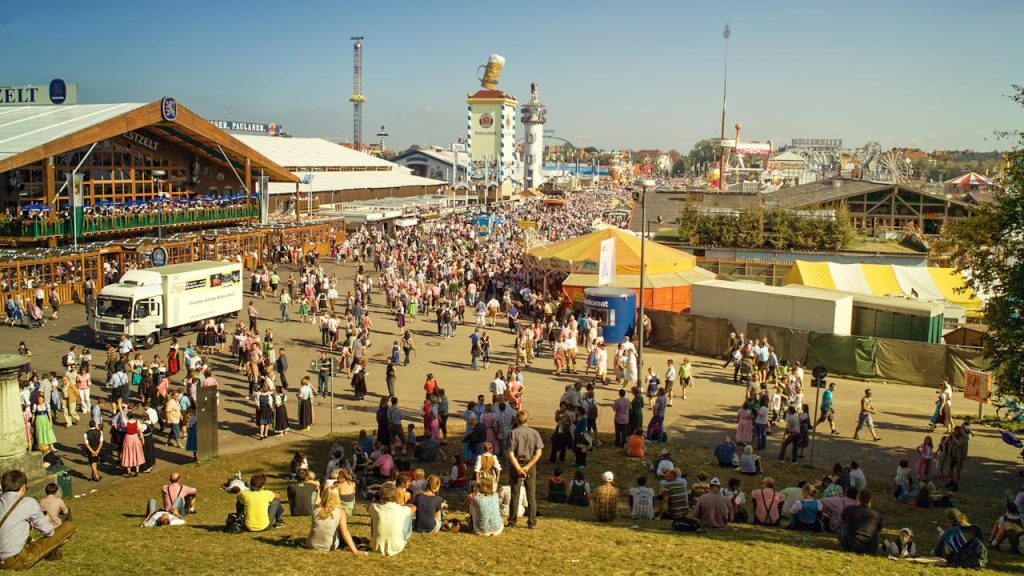
Germany places a premium on order, rules, and communal accountability. Visitors may jaywalk even without traffic, which locals see as irresponsible, particularly near families with children. Recycling protocols can be puzzling for newcomers. There are quiet hours limiting noise in evenings and Sundays. The straightforward way locals speak can seem blunt to outsiders. These norms underscore respect for structure and collective well-being. Grasping German etiquette helps travelers avoid seeming careless while valuing a culture that prizes efficiency, safety, and shared responsibility in everyday life.
INDIA
Mumbai, India

Indian etiquette shifts across regions but centers on certain shared courtesies. Tourists might offer items with their left hand, not realizing it’s tied to cleanliness connotations. Public displays of affection can attract attention or disapproval. Modest dress remains important in many places. Shoes are usually removed before entering homes and temples. Loud conduct inside sacred spaces is offensive. These norms express respect, notions of purity, and religious practices. Those new to India may offend unintentionally. By learning local manners, travelers can engage respectfully, handle social situations with ease, and value the rich cultural tapestry across the country’s many regions.
FRANCE
Colorful Seaside Architecture in Menton, France

France places politeness at the outset of any encounter. Visitors often enter shops without greeting, which locals view as rude. Starting with a “bonjour” shows respect before making requests. Raising voices in cafes is frowned upon. Meal timing and etiquette follow a defined rhythm. Interactions with service staff differ from tourist expectations. These habits highlight the value placed on courtesy and personal dignity. Knowing these norms can greatly improve exchanges. Small, thoughtful gestures foster goodwill. Observing French etiquette helps travelers feel more accepted while appreciating a culture that treats manners, language, and mutual respect as everyday foundations rather than optional niceties.
SOUTH KOREA
South Korea
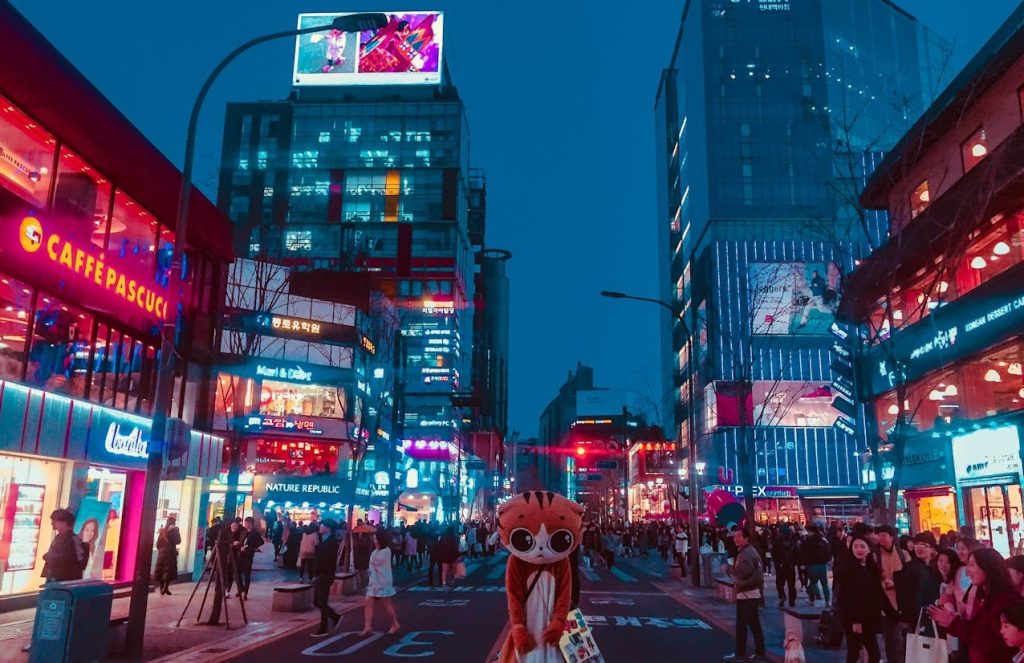
Korean dining etiquette centers on deference and collective awareness. Guests frequently pour their own drinks, not realizing the custom is to pour for others first. Elders deserve priority seating and service. Offering items with both hands signals respect. Excessive noise or casualness toward seniors is seen as disrespectful. These practices stem from Confucian influences embedded in society. Travelers may miss these nuances during group meals. Knowing the customs helps visitors blend into group settings with ease. Honoring age hierarchy and shared etiquette enables a fuller experience of Korean hospitality while avoiding misreadings tied to respect, status, and social interaction.
GREECE
Oia, Greece

Greek society assigns significance to body language. Visitors may flash an open palm, not realizing it can be seen as the moutza—a rude gesture. While warmth matters, respect is essential in public. Religious sites require appropriate attire. Boisterous or forceful gestures can heighten tensions. These traditions run deep in Greek history. Those unfamiliar with local signals may offend unintentionally. Decoding nonverbal cues matters greatly. Observing Greek customs enables travelers to interact positively with locals and enjoy a culture where expression, heritage, and social life are closely linked beyond words.