

Wartime often pushes scientific research and development forward at a rapid pace, leading to breakthroughs that extend far beyond the battlefield. Many of the items we rely on daily were first created or perfected during global conflicts, when necessity demanded fast, practical solutions. From food preservation to medical advancements, the urgency of war accelerated progress in ways that continue to shape modern life. Here are nine everyday products that have their roots in wartime innovation, supported by historical records from official archives and scientific institutions.
1. Duct Tape
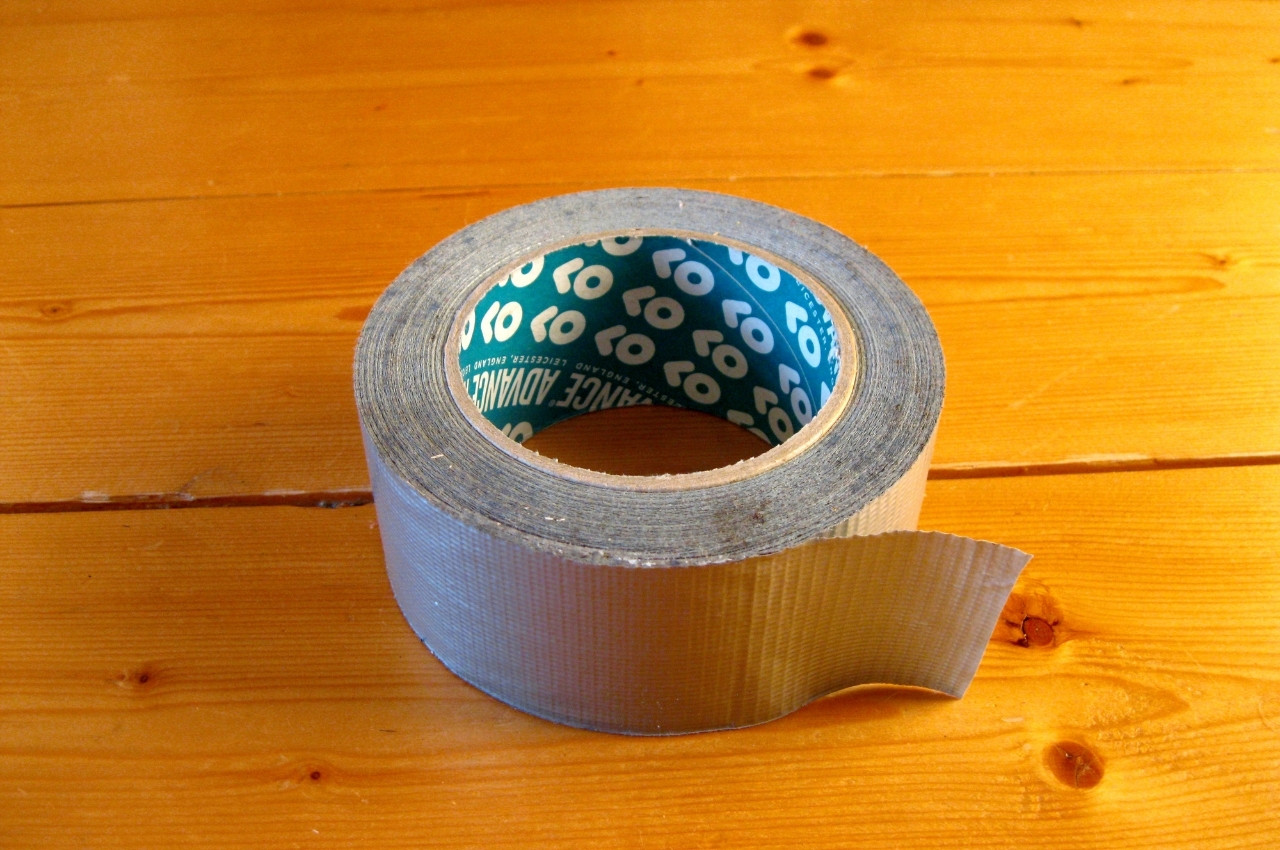
Duct tape was invented during World War II when the U.S. military needed a waterproof, strong adhesive to seal ammunition cases. Johnson & Johnson developed the tape using a cloth backing and rubber-based adhesive, making it both durable and easy to tear by hand. Soldiers quickly adapted it for multiple purposes, including repairing equipment and vehicles in the field. After the war, it entered civilian life, eventually becoming the household tool we know today. The National Museum of American History documents its origins in wartime innovation of supply.
2. Canned Food
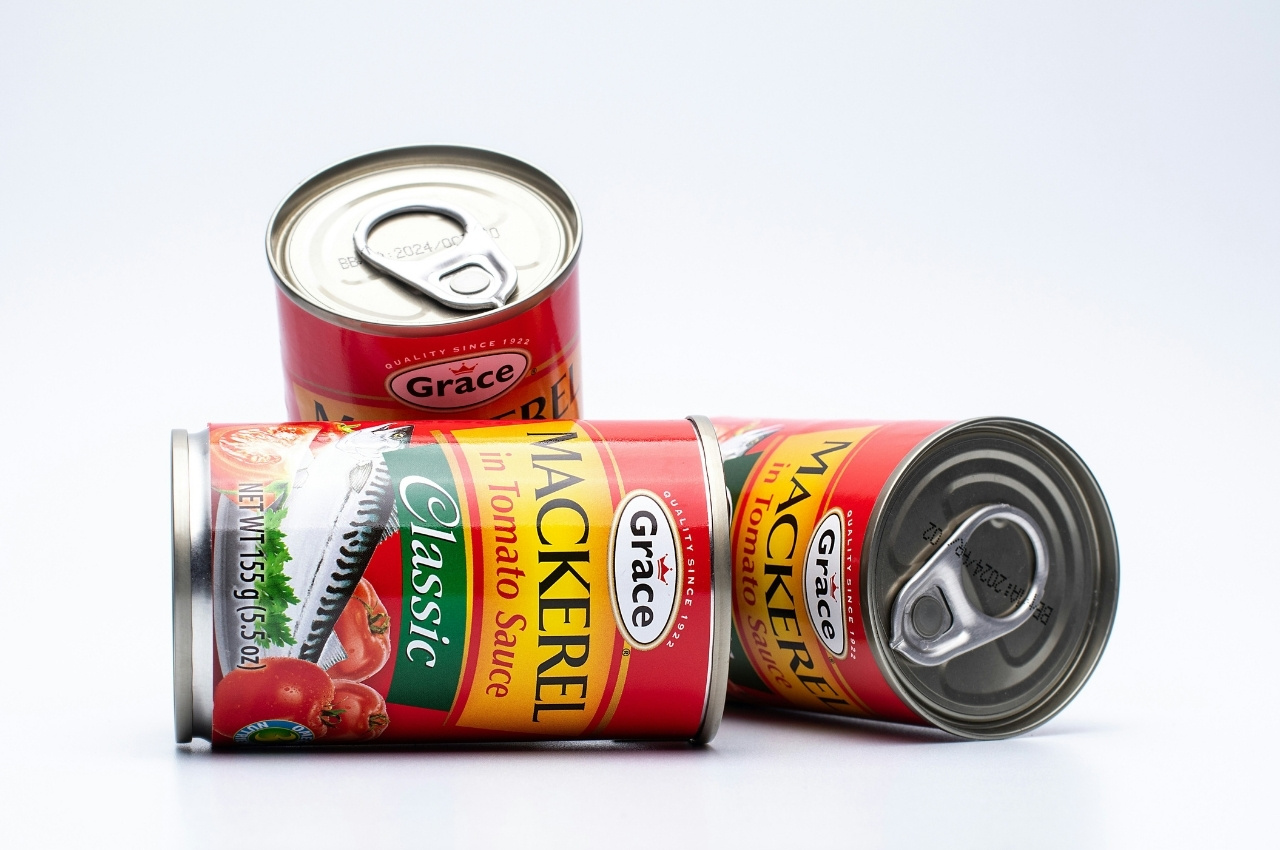
Canned food traces its widespread adoption to the Napoleonic Wars, when the French government offered a prize for a reliable food preservation method for soldiers. Nicolas Appert responded by inventing the technique of sealing food in glass jars, which later evolved into metal cans for durability. This innovation ensured armies could carry safe, long-lasting provisions into battle. The practice was refined throughout the 19th century and became standard for civilians. The U.S. National Library of Medicine highlights how wartime needs drove its development into a global food industry staple.
3. Microwave Oven
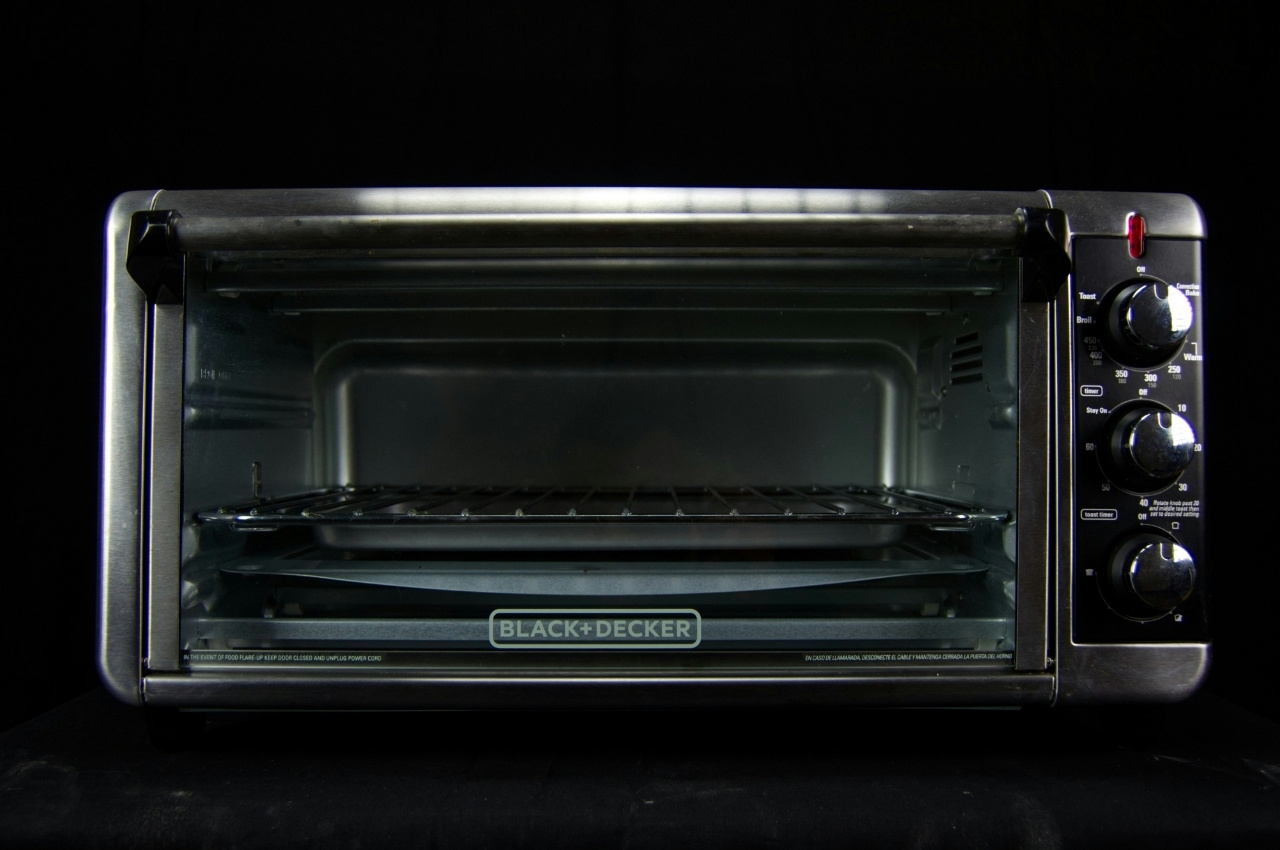
The microwave oven’s origins lie in World War II radar technology. Percy Spencer, an engineer working for Raytheon, noticed that radar magnetrons produced enough energy to heat food when a candy bar melted in his pocket. By 1945, Raytheon had developed the first commercial microwave ovens, initially used in restaurants and ships. Over time, the technology was miniaturized and became a household appliance. The Smithsonian Institution’s archives confirm its direct connection to wartime radar research and its subsequent transformation into a kitchen essential.
4. Ballpoint Pen
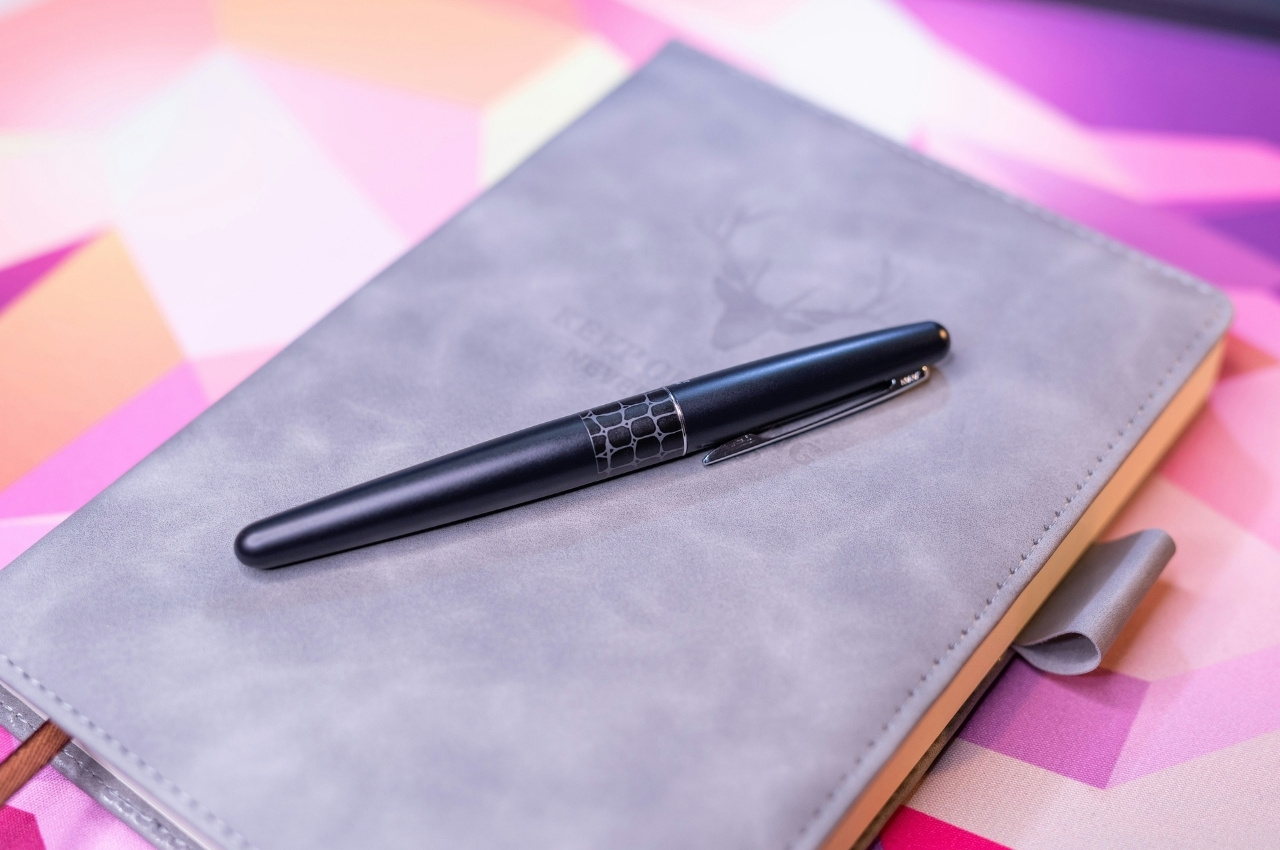
The ballpoint pen was refined and mass-produced during World War II to meet the military’s need for a reliable writing instrument. Unlike fountain pens, which leaked at high altitudes, ballpoint pens used quick-drying ink and a rolling ball mechanism to write smoothly under various conditions. The British Royal Air Force adopted them for pilots, ensuring they could write without interruptions. After the war, companies like BIC popularized the pen worldwide. The British Library’s collection records its wartime development and transition into everyday civilian use.
5. Nylon Stockings
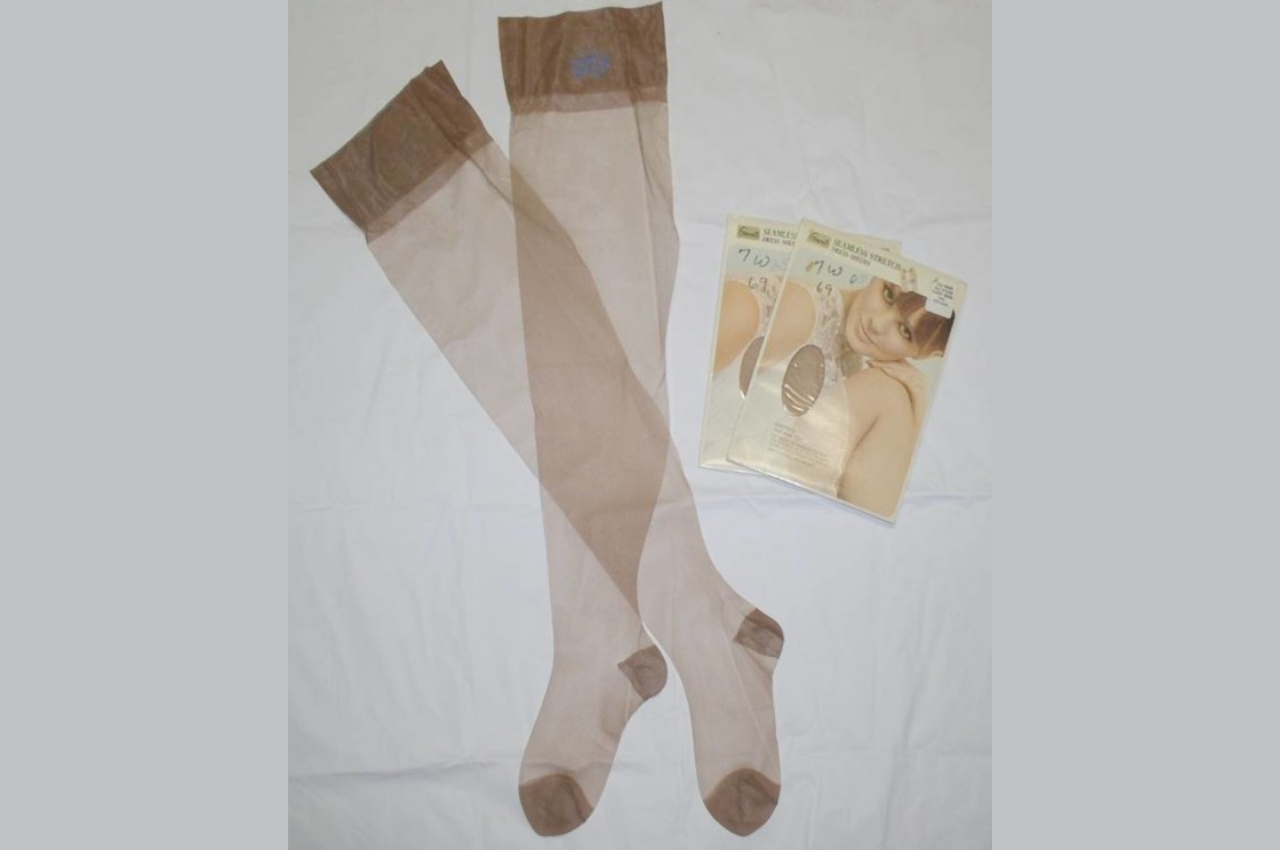
DuPont created nylon as a synthetic fiber in 1935, but World War II saw a rapid increase in production as nylon took the place of silk in parachutes, ropes, and other military equipment. Following the conclusion of the war, the material was used to make consumer goods, most notably women’s stockings, which swiftly rose to fame in the fashion industry. According to the National Museum of American History, nylon’s significance during the war had a direct impact on its subsequent ubiquity in apparel and textiles.
6. Aerosol Spray Cans

Aerosol spray technology was perfected during World War II when the U.S. military sought a way to dispense insecticide to protect soldiers from malaria in the Pacific. Scientists Lyle Goodhue and William Sullivan developed a pressurized can that could release chemicals in a fine mist. Following the war, the same technology was modified for use in cooking sprays, paints, and deodorants, among other household goods. The Centers for Disease Control and Prevention highlight its importance in preventing malaria during the war and its later civilian applications.
7. Freeze-Dried Coffee

Freeze-dried coffee became a wartime staple during World War II when the U.S. military required lightweight, long-lasting rations for soldiers. Nestlé refined the freeze-drying process to create instant coffee that retained flavor while remaining easy to transport. Coffee’s popularity quickly grew after the war because soldiers relied on it to keep them alert. Across the globe, instant coffee is still a common household item today. The Nestlé corporate history archives attest to the company’s beginnings in rationing during the war and its impact on coffee consumption worldwide.
8. Jeep
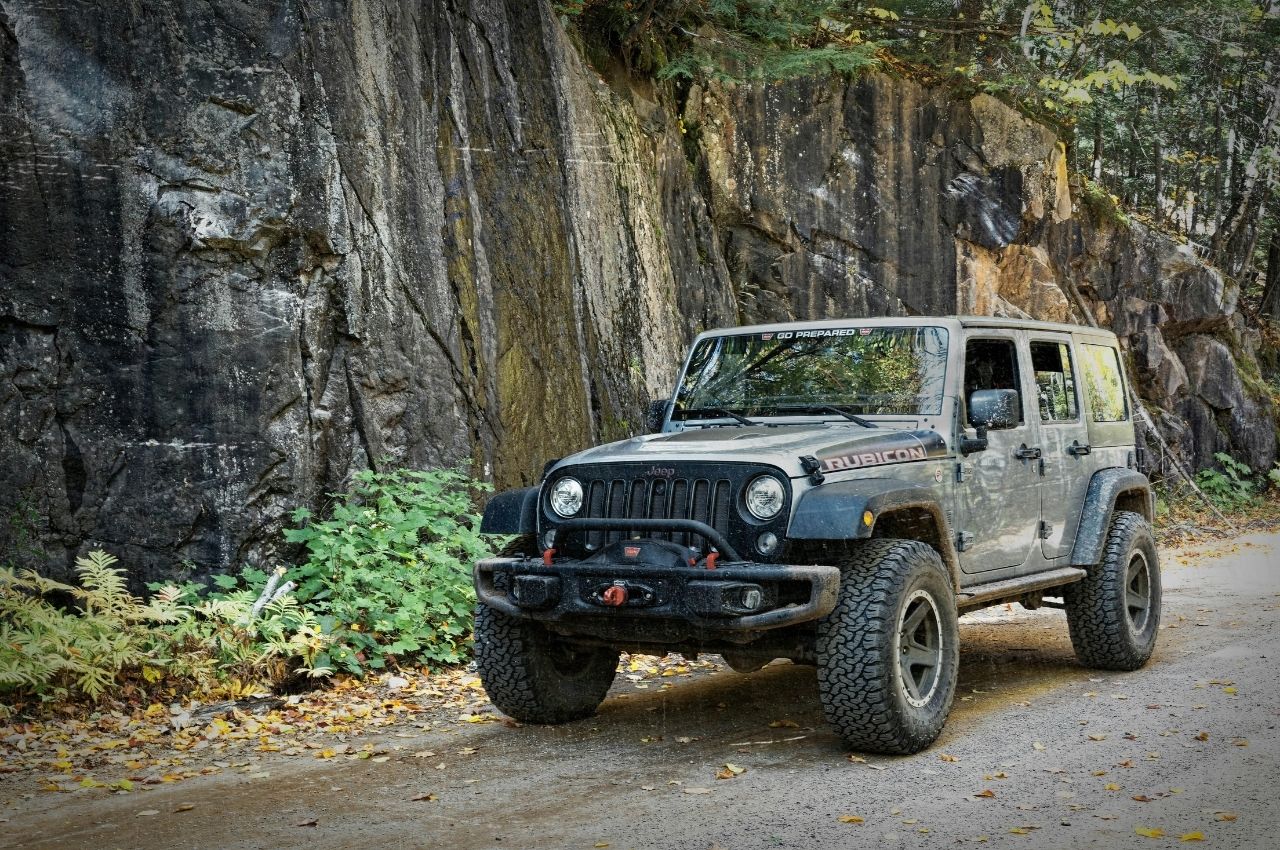
The Jeep was created in 1940 when the U.S. Army commissioned a lightweight, durable vehicle capable of handling rugged terrain. Willys-Overland designed the prototype that would become the iconic Jeep, praised for its versatility and resilience during World War II campaigns. Later, its design was adopted by civilian models, which fueled the market expansion for sport utility vehicles. The U.S. Army Transportation Museum considers the Jeep to be one of the most important wartime innovations that was modified for daily use.
9. Wristwatches
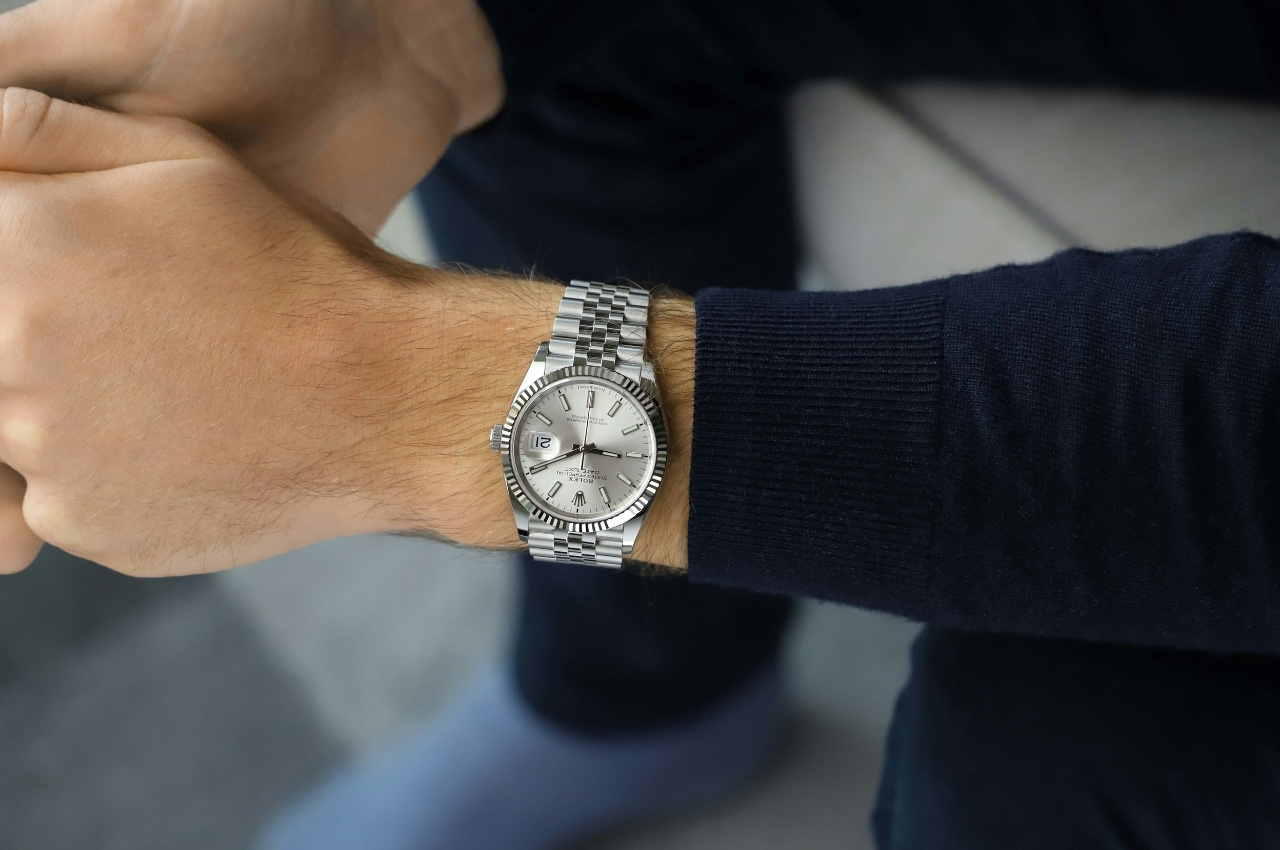
While portable timepieces existed earlier, wristwatches became essential during World War I as soldiers needed a practical way to coordinate maneuvers without fumbling for pocket watches. The design shifted from fragile accessories to rugged, reliable tools. Manufacturers like Rolex and Omega adapted designs for military use, with luminous dials and protective cases. After the wars, wristwatches became standard fashion items for men and women. The National WWII Museum highlights the role of trench warfare in popularizing the wristwatch as a daily necessity.