

You probably think of smuggling as a side crime, something that happens in the background while history moves forward. The truth is very different. Organized smuggling networks have redirected trade routes, weakened empires, fueled wars, and reshaped entire legal systems. When governments tried to ban, tax, or control valuable goods, smugglers stepped in and built parallel economies that ordinary people relied on. These networks were not chaotic gangs. They were structured operations with financing, logistics, political protection, and international reach. If you lived through these eras, smuggling often affected your job, your health, and your safety more than official policy ever did. Understanding these rings helps you see how power actually moved when laws failed to match reality.
1. The Opium Smuggling Networks into Qing China
If you lived in China during the 18th and 19th centuries, opium smugglers would have shaped your daily life whether you used the drug or not. British and Indian traders moved opium illegally into China to balance trade deficits, despite strict imperial bans. You saw coastal smuggling hubs grow while officials accepted bribes to look away. Addiction weakened communities, drained silver reserves, and eroded trust in the Qing government. When authorities tried to enforce bans, smugglers escalated operations using armed ships and foreign backing. This illegal trade directly triggered the Opium Wars, forcing China into unequal treaties. You ended up paying the price through lost sovereignty and forced port openings that reshaped global trade.
2. Atlantic Slave Smuggling Rings
You cannot separate modern global history from the smuggling networks that sustained the Atlantic slave trade. Even after countries outlawed slavery, illegal rings continued transporting enslaved Africans across oceans. These networks used forged papers, hidden ship compartments, and corrupt port officials to evade patrols. If you lived near a port, you saw economies thrive on an illegal trade that governments publicly condemned. These smugglers prolonged slavery decades beyond legal bans, shaping population patterns, racial hierarchies, and labor systems that still affect you today. Their profits fueled banks, plantations, and shipping industries. The human cost was enormous, and the long shadow of these networks still shapes social and economic inequality.
3. Prohibition Era Bootlegging Syndicates
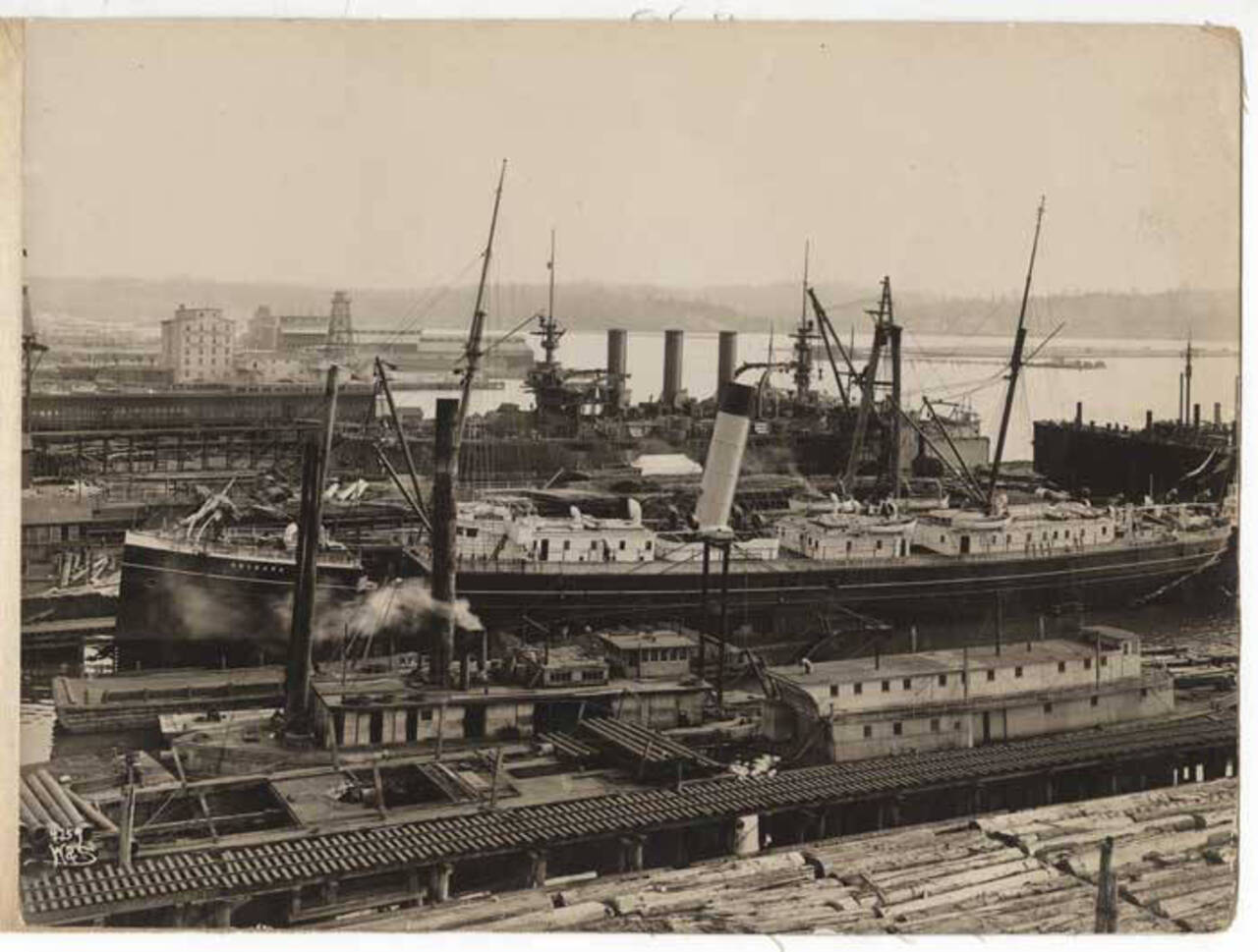
During U.S. Prohibition, you could not legally buy alcohol, but smuggling rings made sure it stayed everywhere. Organized bootlegging syndicates imported liquor from Canada, the Caribbean, and Europe, then distributed it through speakeasies in every major city. You watched criminal groups gain power, wealth, and political influence while law enforcement struggled to keep up. These networks modernized organized crime, introducing centralized leadership, accounting systems, and bribery pipelines. Violence increased as smugglers fought over territory. Prohibition collapsed not because people drank less, but because smuggling made the law impossible to enforce. You still see its legacy in how governments regulate drugs today.
4. Silk Road Smuggling Networks Along the Ancient Trade Routes
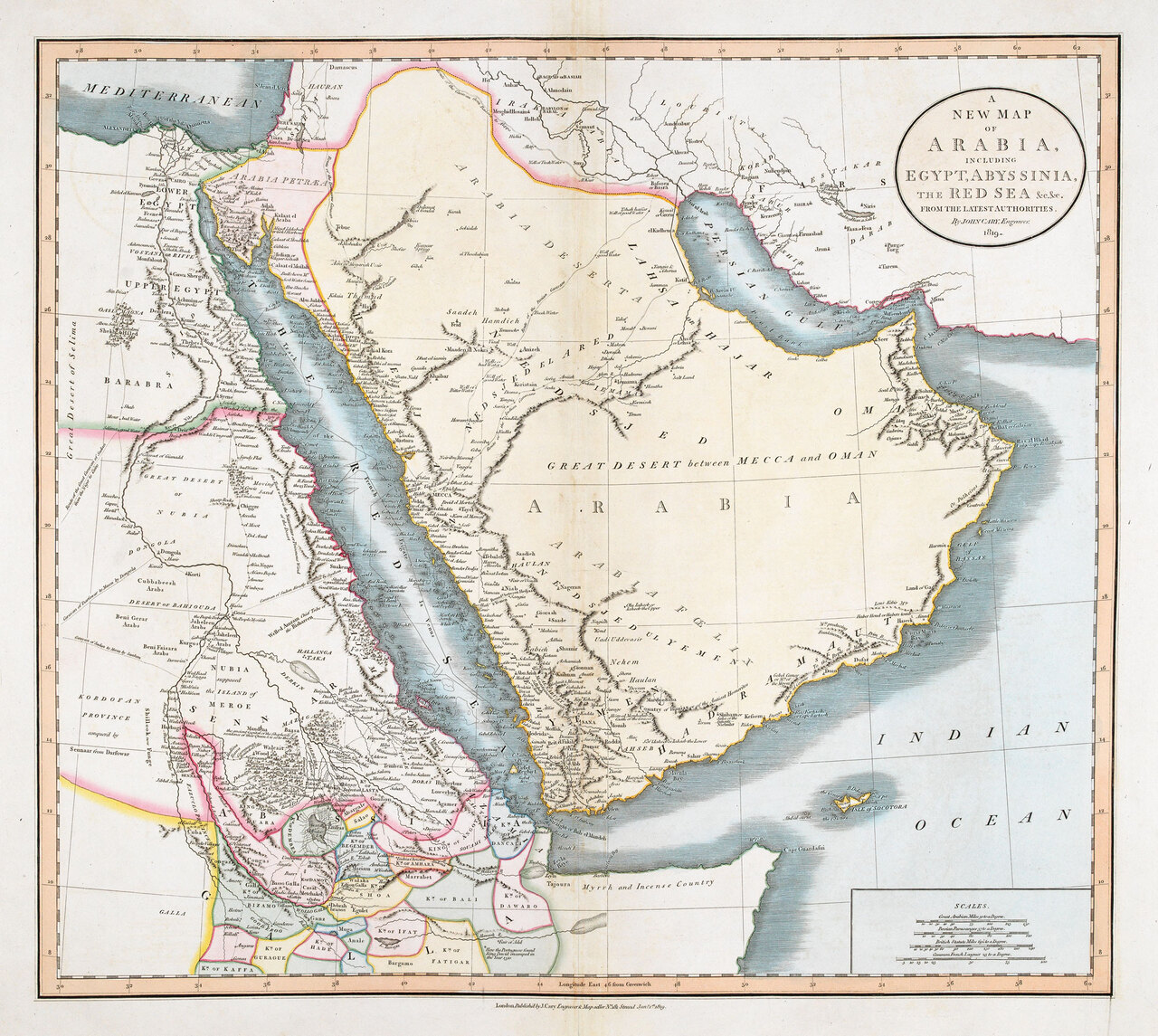
If you traveled the ancient Silk Road, you relied on smuggling more than official trade. Merchants routinely bypassed imperial tariffs by bribing guards or rerouting caravans through unmanned passes. These networks moved silk, spices, gems, and forbidden religious texts across borders where states tried to control information and wealth. You benefited from cheaper goods and cultural exchange, even as empires lost tax revenue and authority. Smuggling helped spread technologies like papermaking and gunpowder faster than governments intended. These informal routes shaped globalization long before modern borders existed, proving that trade adapts when regulation tightens.
5. Smuggling Rings During the Continental Blockade
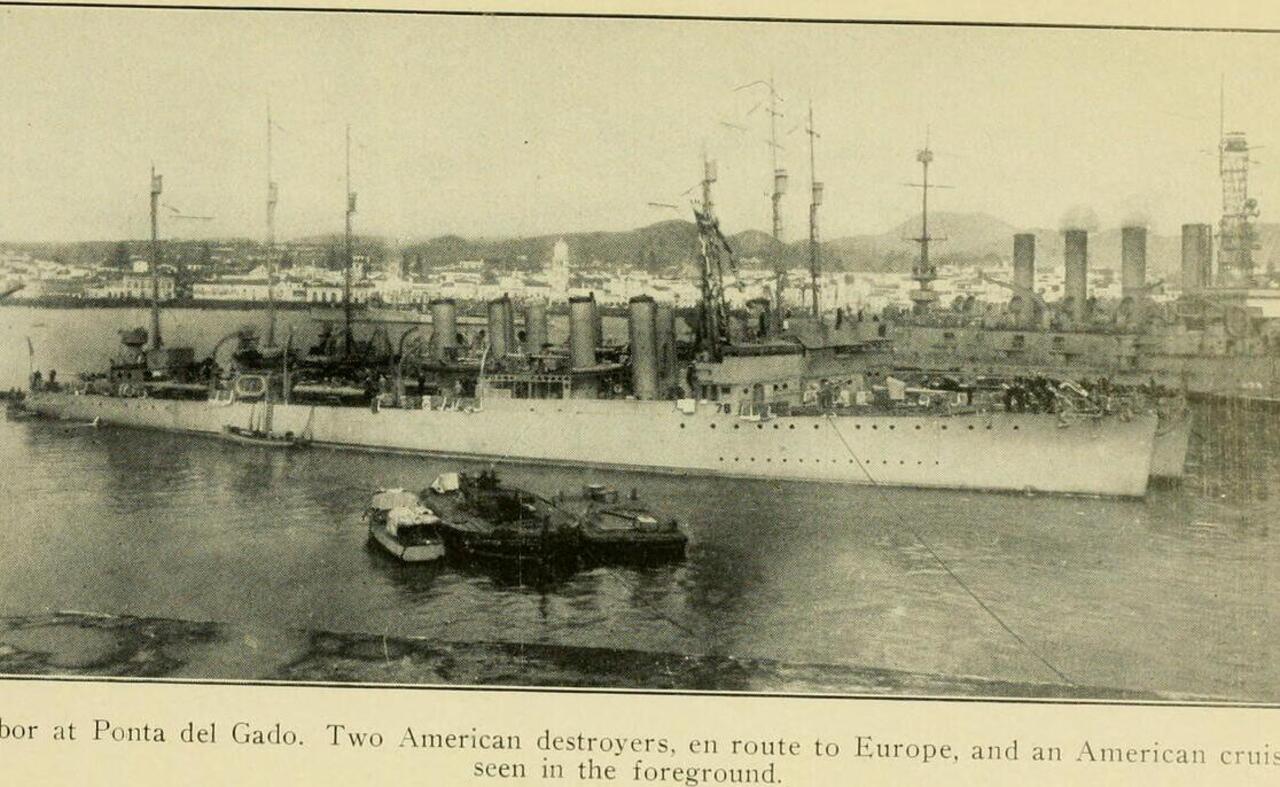
When Napoleon tried to isolate Britain economically, you felt the effects immediately across Europe. The Continental Blockade banned British goods, but smuggling rings exploded instead. Traders moved textiles, sugar, and manufactured goods through coastal villages and inland routes using false manifests and night landings. If you were a merchant or consumer, smuggling kept markets alive while official trade collapsed. These networks weakened Napoleon’s strategy and strengthened British industry. Enforcement drained military resources and angered local populations. Smuggling played a quiet but decisive role in undermining French control and accelerating the collapse of the blockade.
6. Smugglers of Forbidden Religious Texts
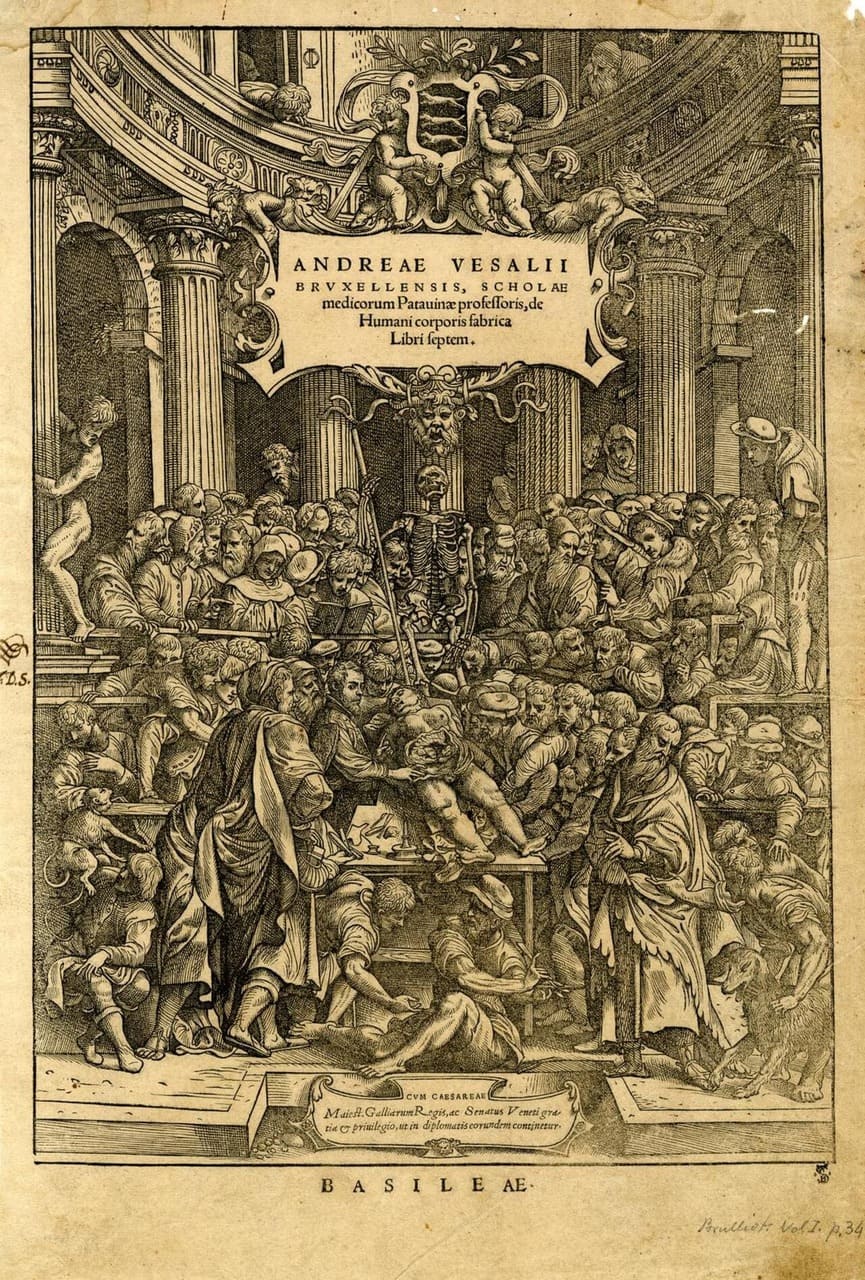
In periods of religious repression, smuggling became an act of survival. If you lived under regimes that banned certain beliefs, underground networks moved sacred texts across borders and city walls. From early Christian manuscripts in Rome to banned Bibles in authoritarian states, smugglers preserved belief systems that authorities tried to erase. You depended on secret printers, coded routes, and trusted couriers. These rings shaped religious reform, resistance movements, and literacy itself. Without them, many faith traditions would have vanished. Smuggling here was not about profit alone, but about preserving identity and conscience.
7. Arms Smuggling During the Cold War

If you lived in a Cold War proxy state, arms smugglers influenced your safety more than official treaties. Networks supplied weapons to rebel groups and governments alike, often with covert support from superpowers. These operations ignored embargoes and fueled conflicts across Africa, Asia, and Latin America. You saw wars last longer and become deadlier because weapons never stopped flowing. Smuggling routes ran through shell companies, neutral ports, and diplomatic channels. These networks shaped borders, regimes, and humanitarian crises that still affect global politics today. You also lived with constant instability, knowing that peace talks meant little when fresh shipments could arrive overnight and restart violence at any moment.
8. Colonial Tea Smuggling in British America
Before the American Revolution, tea smugglers helped turn resistance into routine behavior. If you lived in colonial America, high taxes pushed merchants to import tea illegally, bypassing British control. Smuggling normalized defiance and built networks that later supported revolutionary efforts. You learned to distrust imperial authority while relying on illegal trade to survive economically. Events like the Boston Tea Party were symbolic, but smuggling sustained resistance long before open rebellion. These networks helped shift public loyalty and made independence imaginable. You also benefited from lower prices and steady supply, which quietly tied everyday survival to resistance and made breaking from British rule feel practical, not reckless.
9. Smuggling of Antiquities and Cultural Artifacts
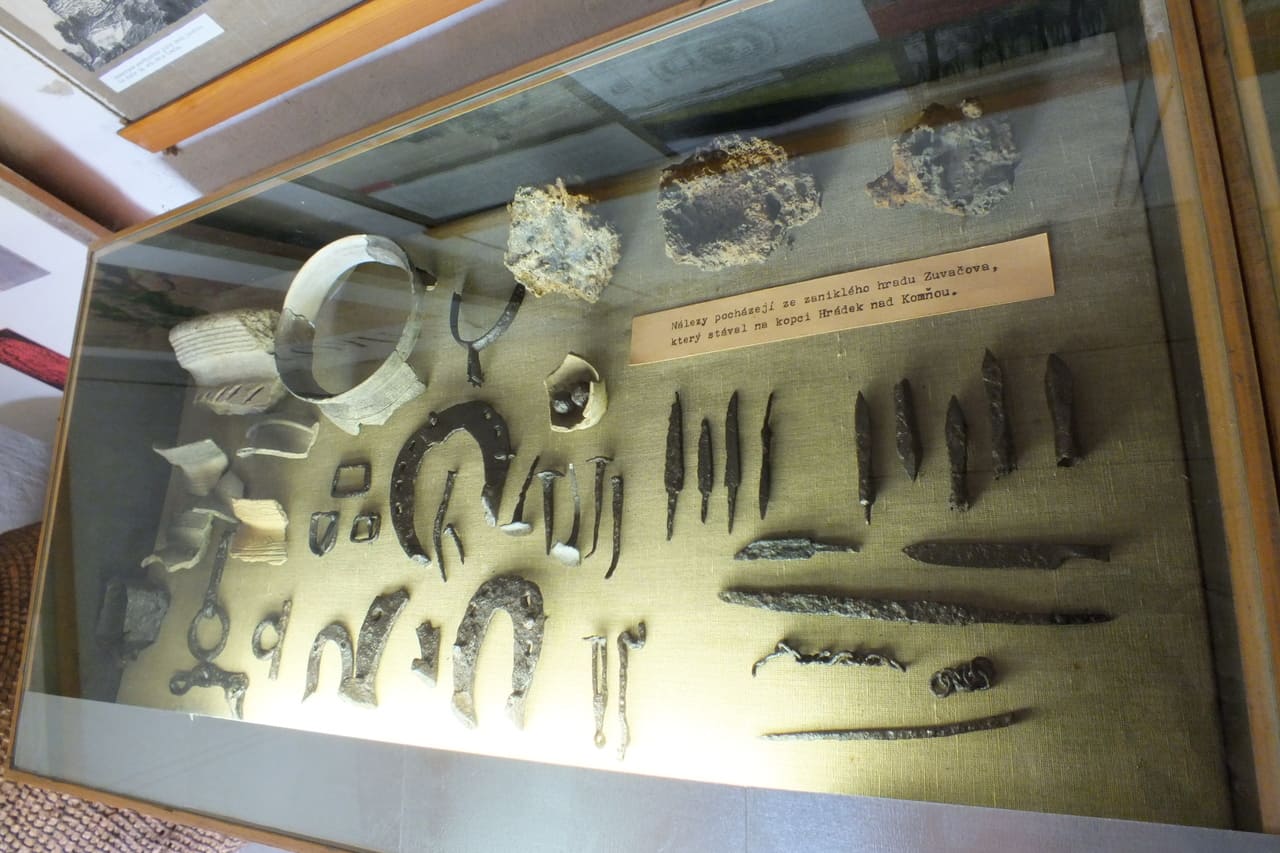
If you lived near ancient sites in the 20th century, antiquities smuggling quietly erased your history piece by piece. Organized networks looted statues, manuscripts, coins, and reliefs, then moved them through dealers, fake provenance papers, and private collections abroad. You saw temples stripped and graves disturbed while profits bypassed local communities entirely. Weak enforcement and corruption made borders easy to cross, especially during wars or political unrest. These objects resurfaced in galleries and auctions far from where they belonged, cutting you off from cultural identity and tourism income. International laws and museum repatriation efforts emerged because of this damage, yet demand still drives theft, proving how fragile heritage becomes when money outweighs preservation.