
You might think your home is running efficiently, but some everyday habits quietly drain more energy—and money—than you’d expect. From electronics you leave plugged in to laundry routines that could use a tweak, these sneaky culprits often go unnoticed. But over time, they add up, impacting both your utility bill and the environment. Here are nine habits energy experts say could be wasting more power than you realize.
1. Leaving Devices Plugged In All the Time

Even when they’re turned off, plugged-in devices like phone chargers, coffee makers, and gaming consoles still draw power—known as “phantom load.” It might seem minor, but multiplied across your home, this standby energy use adds up quickly. Unplug what you’re not using, or plug several devices into a smart power strip that shuts off power when not in use.
2. Using the Dryer for Every Load of Laundry
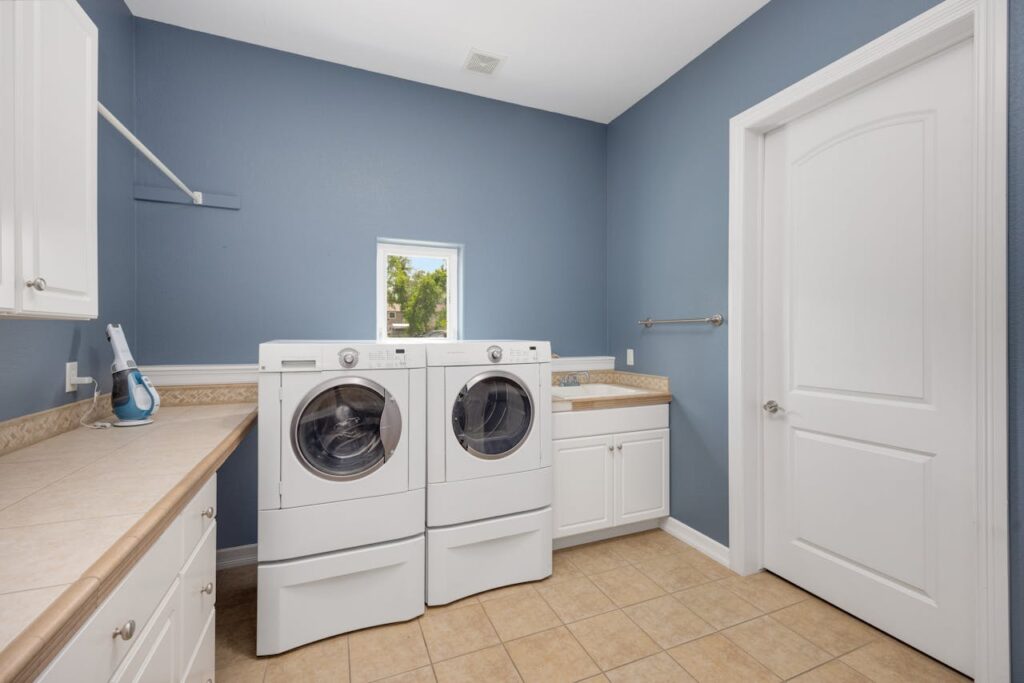
Dryers are among the biggest energy hogs in the home, especially when used constantly. Air-drying even half your loads—on a rack indoors or a line outdoors—can lead to major energy savings. Plus, it’s gentler on your clothes, reducing wear and tear. Use the dryer only when needed, and clean the lint trap after each use to maximize efficiency.
3. Cranking the Thermostat Up or Down Too Fast
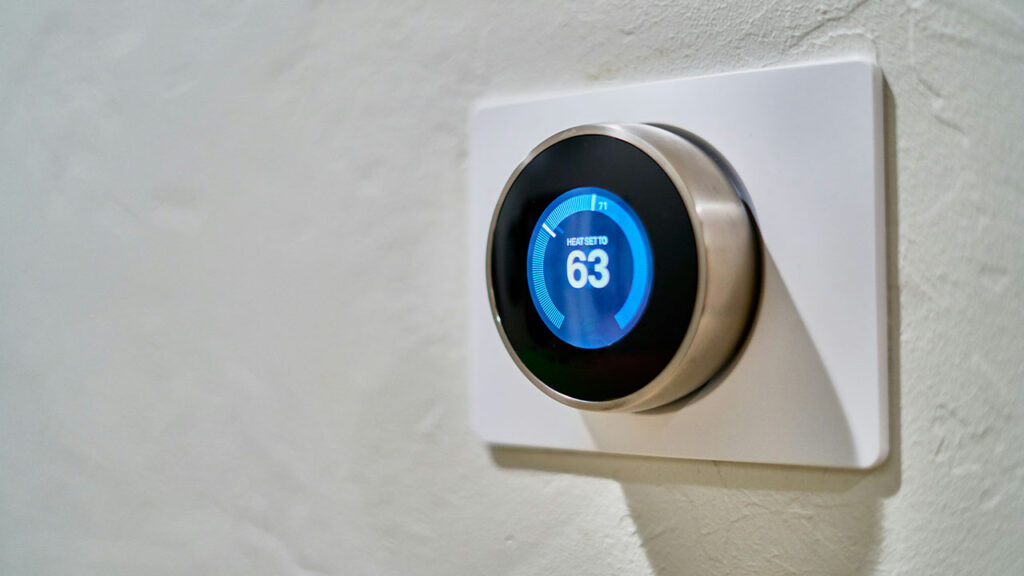
Drastically adjusting your thermostat won’t heat or cool your home faster—it just forces your HVAC system to work harder and longer. This wastes energy and stresses your system. Instead, make small, gradual changes and rely on programmable thermostats to maintain steady, efficient temperatures throughout the day.
4. Running Half-Empty Dishwashers or Washing Machines
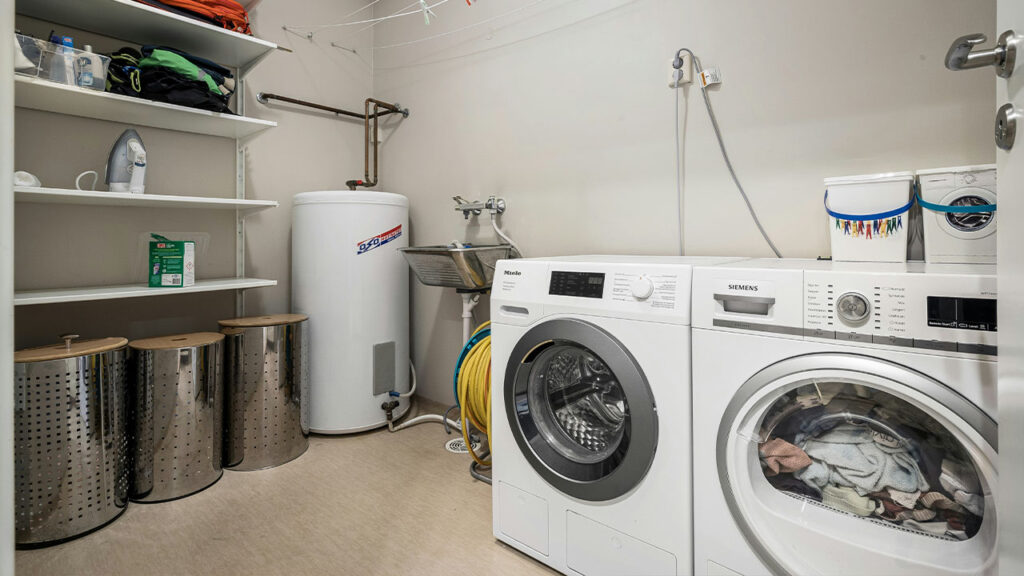
It’s tempting to wash a few dishes or clothes quickly, but running your machines half-full wastes water and electricity. Wait until you have a full load to get the most out of each cycle. Today’s appliances are built to handle full loads efficiently, so resist the urge to press start until you’re sure it’s worth it.
5. Ignoring Drafts and Poor Insulation
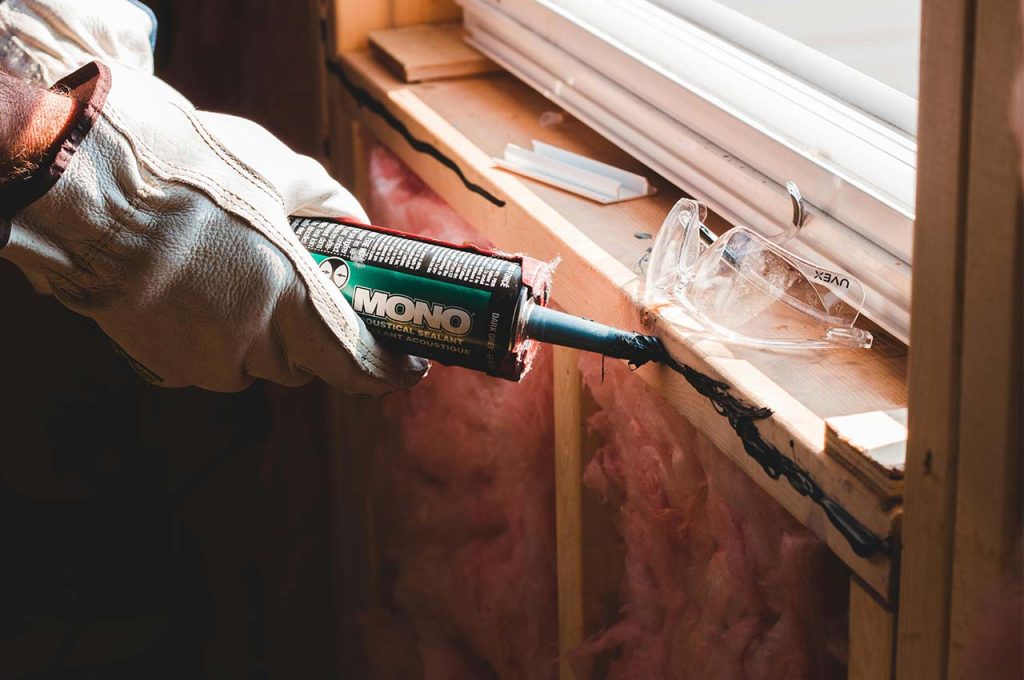
Leaky windows, doors, and attic hatches let your heated or cooled air escape, forcing your HVAC system to work harder year-round. Weatherstripping, caulking, and adding insulation are simple fixes that dramatically improve energy efficiency. You may not see the leaks, but you’ll feel the difference in your utility bill.
6. Keeping the Garage Fridge Running Year-Round
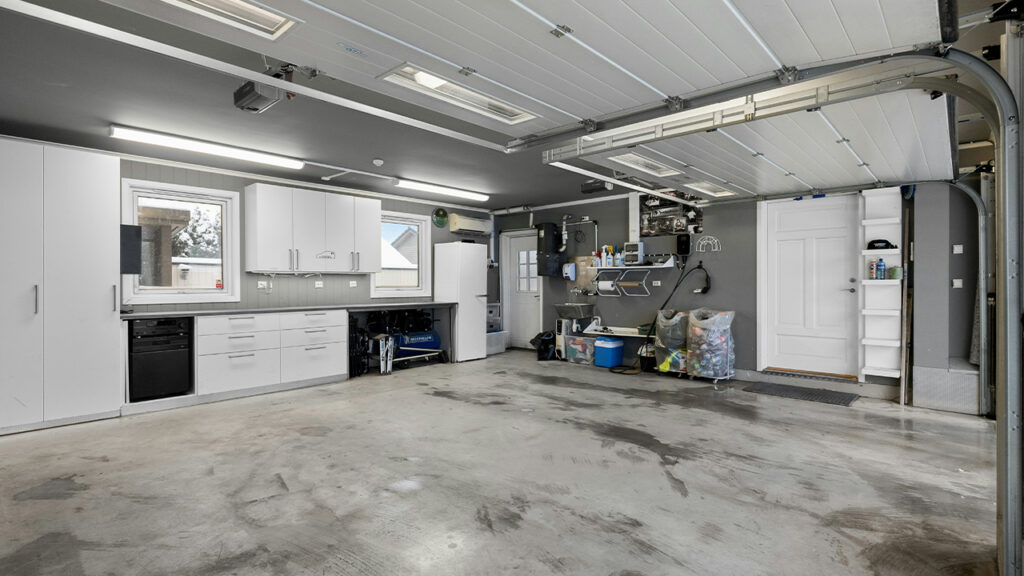
That second refrigerator in the garage may seem convenient, but it’s likely outdated and inefficient—especially in extreme heat or cold. Older models in unconditioned spaces consume far more energy just to stay cold. Unless it’s regularly used, consider unplugging it or upgrading to an energy-efficient model better suited for garage temps.
7. Leaving Lights On in Empty Rooms

It’s a habit that’s easy to overlook—walking out of a room and forgetting to flip the switch. But over time, those wasted hours add up, especially if you’re using high-wattage bulbs. Encourage a lights-off mindset or install motion sensors or smart lighting systems that automatically turn lights off when rooms are empty.
8. Using Old-School Light Bulbs Instead of LEDs
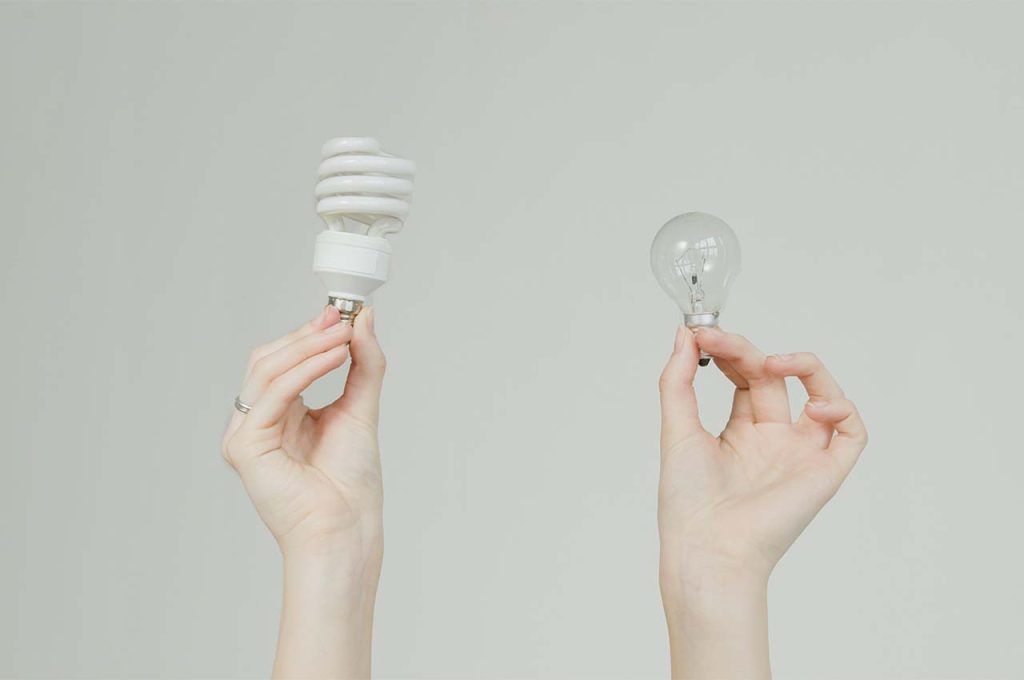
Traditional incandescent bulbs waste 90% of their energy as heat rather than light. Replacing them with energy-efficient LED bulbs can drastically cut down your electricity usage. LEDs last longer too, meaning fewer bulb changes and more savings over time—without sacrificing brightness or quality.
9. Forgetting to Clean Vents, Filters, and Coils
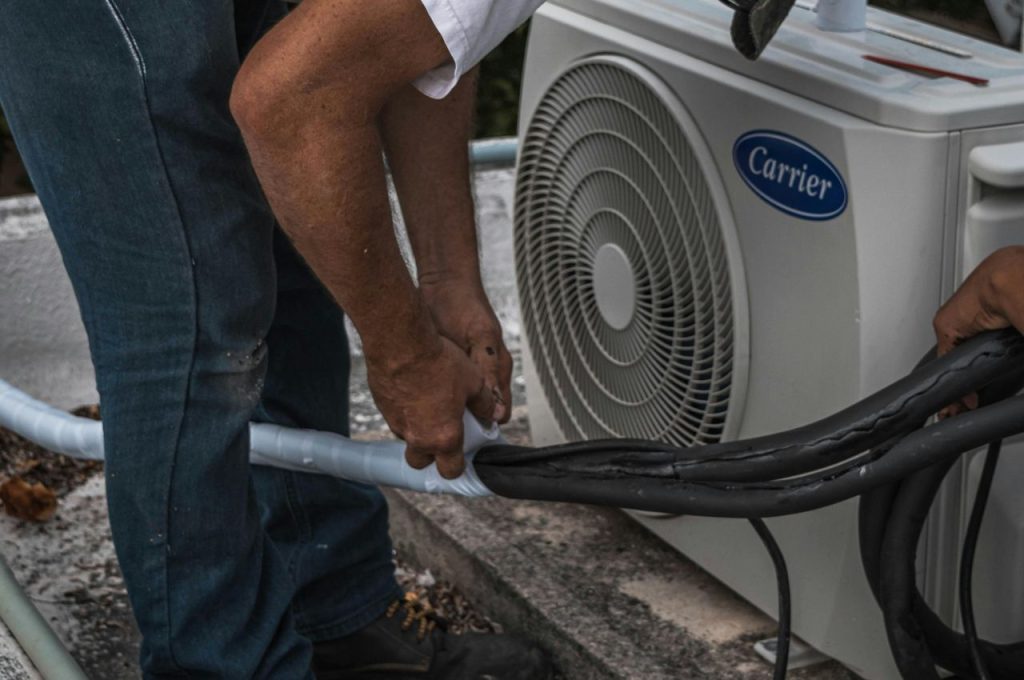
Clogged air filters, dusty refrigerator coils, and blocked dryer vents make appliances and HVAC systems work harder than they need to. That means more energy use and a higher risk of breakdowns. A quick monthly check and clean can keep everything running smoothly and efficiently while also extending appliance life.