
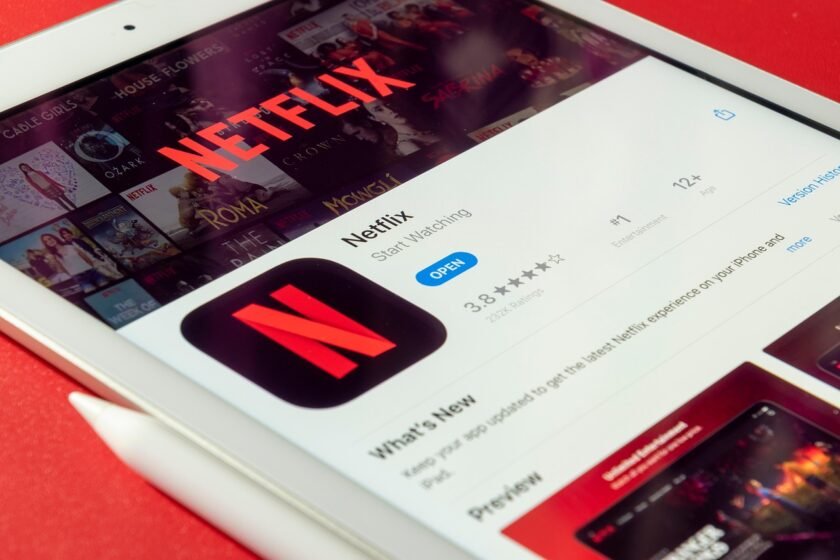
Sharing your streaming passwords might seem harmless, but in many U.S. states, it’s considered illegal and could lead to fines or legal action. Laws are tightening as service providers and legislators aim to protect digital content and intellectual property. Unauthorized account sharing is treated as digital piracy, with civil penalties for violations. Understanding the rules in your state ensures you enjoy your favorite shows and movies responsibly, keeps your accounts secure, and helps avoid unexpected legal consequences while supporting fair access for all subscribers.
1. California

California has emerged as a frontrunner in cracking down on unauthorized access to digital accounts, including streaming services. Sharing your Netflix, Hulu, or Disney+ password may be considered a form of digital piracy under state law. Service providers can pursue civil claims against violators, and repeated infractions could result in fines or other penalties. The state’s focus on protecting intellectual property underscores the importance of using subscription accounts responsibly and only within legal boundaries. Understanding these regulations helps users avoid accidental violations while enjoying digital content.
2. Texas

In Texas, unauthorized access to subscription services is treated as a civil violation, which includes sharing passwords with friends or family. State statutes protect service providers against misuse of their digital platforms, and individuals found sharing credentials may face fines or legal actions. The law encourages users to maintain the integrity of their accounts and emphasizes that digital content is licensed for personal use only. Texas residents and visitors should be aware that casual password sharing could have legal repercussions, reinforcing the importance of respecting digital property rights.
3. Florida

Florida enforces statutes against unauthorized access to subscription-based platforms, including streaming services. Sharing login credentials for Netflix, Amazon Prime, or similar platforms can be interpreted as a civil violation. Service providers are legally empowered to pursue claims against violators, and fines may apply. Florida’s approach aims to protect intellectual property and maintain fair usage among paying subscribers. For residents and travelers alike, this law highlights that even seemingly harmless acts like sharing passwords can have consequences under state regulations.
4. New York

New York has strict rules designed to prevent unauthorized use of digital accounts. Sharing your streaming service password could be classified as illegal access to a protected digital platform. Civil penalties or fines can be imposed by service providers if the violation is reported. The state emphasizes accountability in online content consumption, reinforcing that digital subscriptions are personal licenses, not transferable privileges. Understanding New York’s approach ensures users enjoy their content legally while avoiding potential financial and legal consequences.
5. Illinois

Illinois law prohibits accessing digital content without proper authorization, which includes sharing streaming service passwords. Violators can face civil penalties if a service provider reports the unauthorized use. The legislation underscores the principle that subscription accounts are for individual use only and are protected under state digital access laws. Residents and visitors must recognize that casual sharing, even with friends or family, can constitute a legal infraction. Compliance ensures both protection of intellectual property and a secure, law-abiding digital experience.
6. Georgia

Georgia extends its digital piracy statutes to include unauthorized sharing of subscription accounts. Using someone else’s login credentials without permission may be legally actionable. State law empowers service providers to pursue civil claims or fines, emphasizing that digital content licenses are non-transferable. For residents, this regulation reinforces the importance of individual accountability online and encourages legal use of digital media. Understanding Georgia’s stance helps subscribers enjoy content responsibly while avoiding potential legal disputes.
7. Ohio

Ohio law considers unauthorized access to online platforms a civil infraction, which encompasses sharing streaming service passwords. Violators may be subject to fines if reported by service providers. The state’s legal framework is designed to protect intellectual property, ensuring that digital content is used only by authorized account holders. This law reminds Ohio residents that sharing credentials, even casually, could have tangible legal consequences. Following these rules helps maintain fair access to digital services and supports the integrity of subscription-based platforms.
8. Pennsylvania

Pennsylvania treats unauthorized access to subscription services seriously, including sharing login information with others. Civil penalties may apply when service providers detect violations, emphasizing the protection of digital content. The law reinforces that subscriptions are personal licenses rather than transferable privileges, ensuring fair use among paying customers. Residents and visitors must recognize that even well-intentioned password sharing could result in legal or financial consequences, highlighting the importance of responsible digital account management.
9. Washington
Washington state has implemented strong measures to prevent unauthorized access to digital platforms. Sharing your streaming account passwords can be deemed illegal, with potential civil or legal consequences enforced by service providers. The law aims to protect intellectual property and ensure fair access to subscription content. Washington residents should understand that account sharing, even with family or friends, is not legally permitted, and noncompliance may result in fines or other actions. Following these rules ensures lawful enjoyment of digital entertainment and supports content creators.