
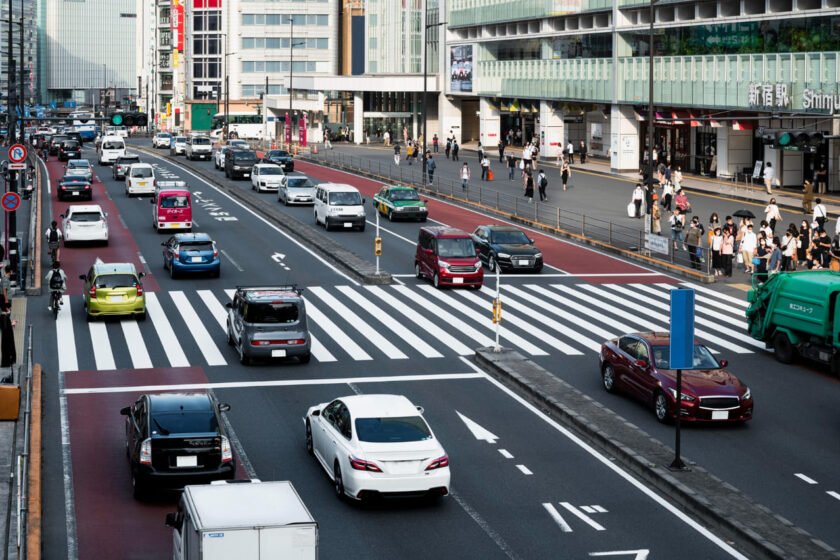
Traffic rules look simple on paper, but once you start traveling, you realize every country has its own rhythm and habits that force you to pay closer attention than you expected. You might know the basics of yielding, signaling, or sticking to speed limits, yet local traditions can shift the mood of the road in surprising ways. Some customs come from old safety campaigns, some reflect cultural norms, and others simply survived because they work well enough for locals. When you notice these differences, you start driving with more awareness and a bit more patience, which usually helps you stay safer.
1. Sweden’s Habit of Flashing Headlights to Warn of Hazards
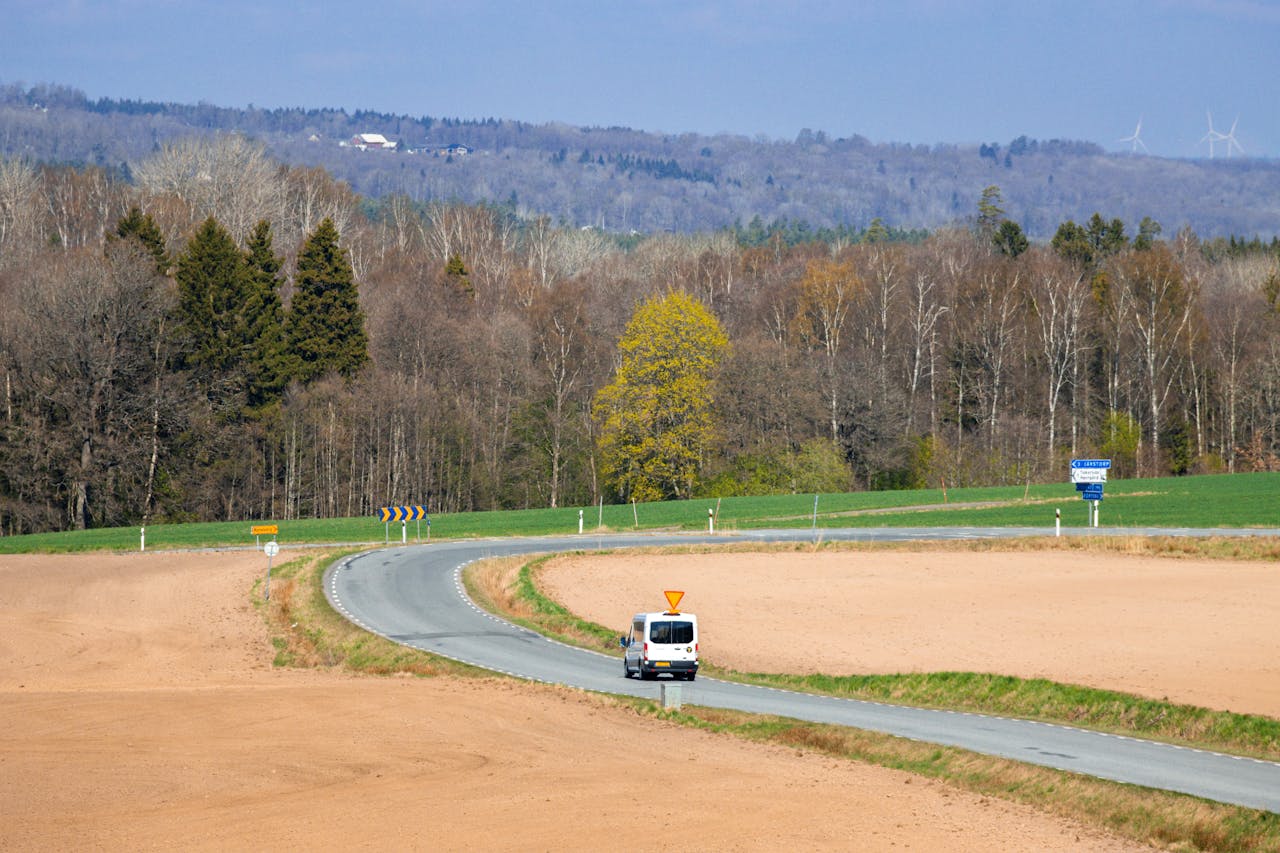
In Sweden, you still see drivers flash their headlights to warn you about wildlife, ice, or stalled cars ahead, and local safety agencies continue to reference this as a practical alert system in rural areas. You start reading that quick signal as help rather than irritation, and it makes you slow down without second-guessing the intention. Even on quiet roads, the habit keeps everyone aware of sudden changes you would otherwise miss. Once you get used to it, the signal feels like a quiet reminder to stay focused. You respond more calmly because the gesture always aims to keep you safe. The more time you spend on those roads, the more natural it feels to answer that flicker with steady caution. You end up trusting the habit because it consistently guides you through conditions you may not spot in time.
2. Japan’s Courtesy Blink After Letting Someone Merge
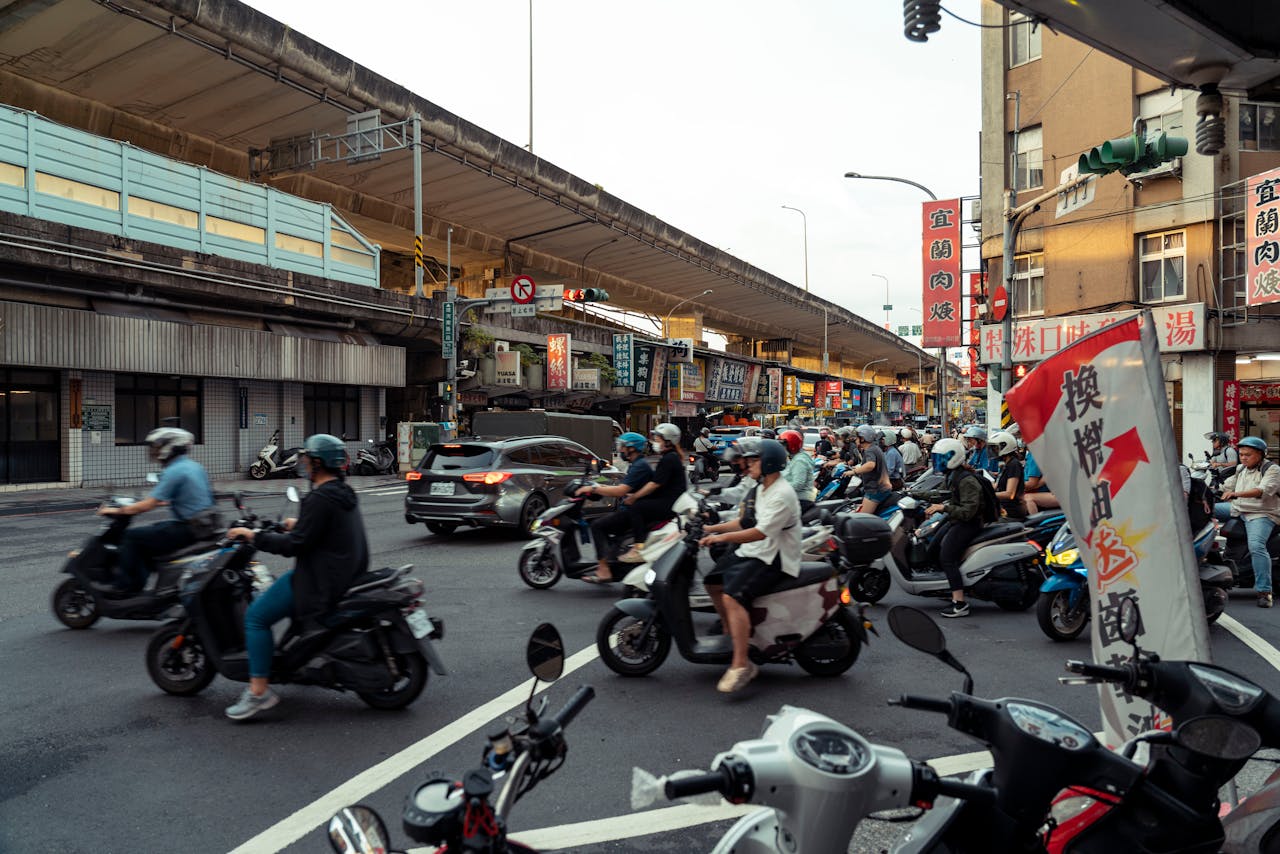
In Japan, two short hazard flashes act as a thank-you when someone lets you merge, and government surveys mention how this small gesture supports smoother traffic in crowded cities. You start to appreciate how a simple blink builds cooperation even when lanes feel tight. The custom softens tense moments because you acknowledge the favor right away. When you adopt it, you interact with traffic more like a conversation than a contest. Over time, the habit teaches you that courtesy can move cars just as effectively as speed. As you practice it, you notice drivers around you respond with the same calm rhythm. The exchange makes every merge feel more predictable, which takes the stress out of dense urban driving.
3. India’s Use of Horns as Communication, Not Aggression
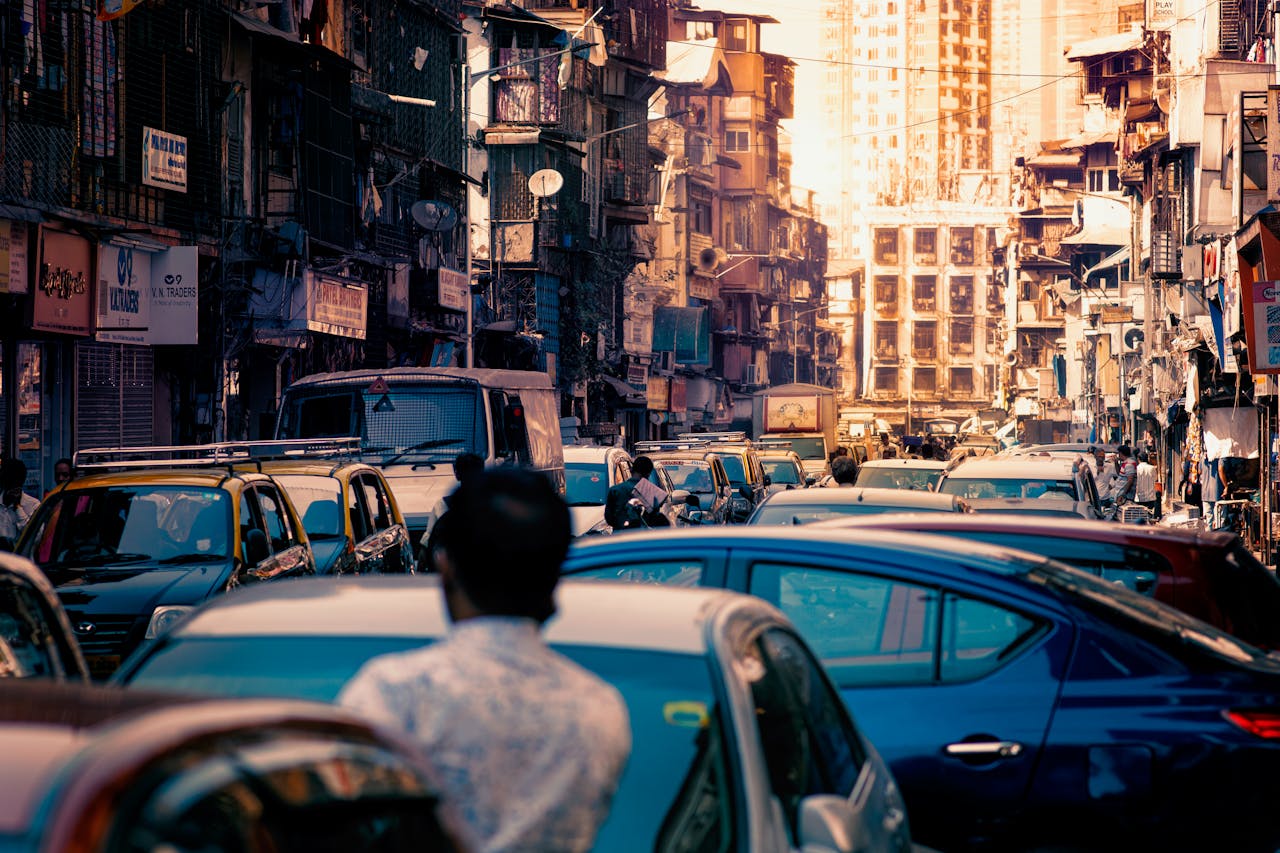
In India, you learn fast that the horn works like a language that tells others where you are, especially in older districts where lanes overlap and visibility shrinks. Road research notes that drivers rely on sound because mirrors and markings can’t keep up with busy streets. When you hear honks, you treat them as navigation cues instead of complaints. You adjust your timing by listening as much as watching, and the flow makes more sense. Once you understand the system, the noise feels less chaotic and more like a shared coordination tool. You start anticipating patterns based on rhythm alone, which helps you move with the current instead of fighting it. The habit ultimately teaches you that awareness comes from every sense, not just what you see.
4. New Zealand’s Sheep-Traffic Etiquette on Rural Roads
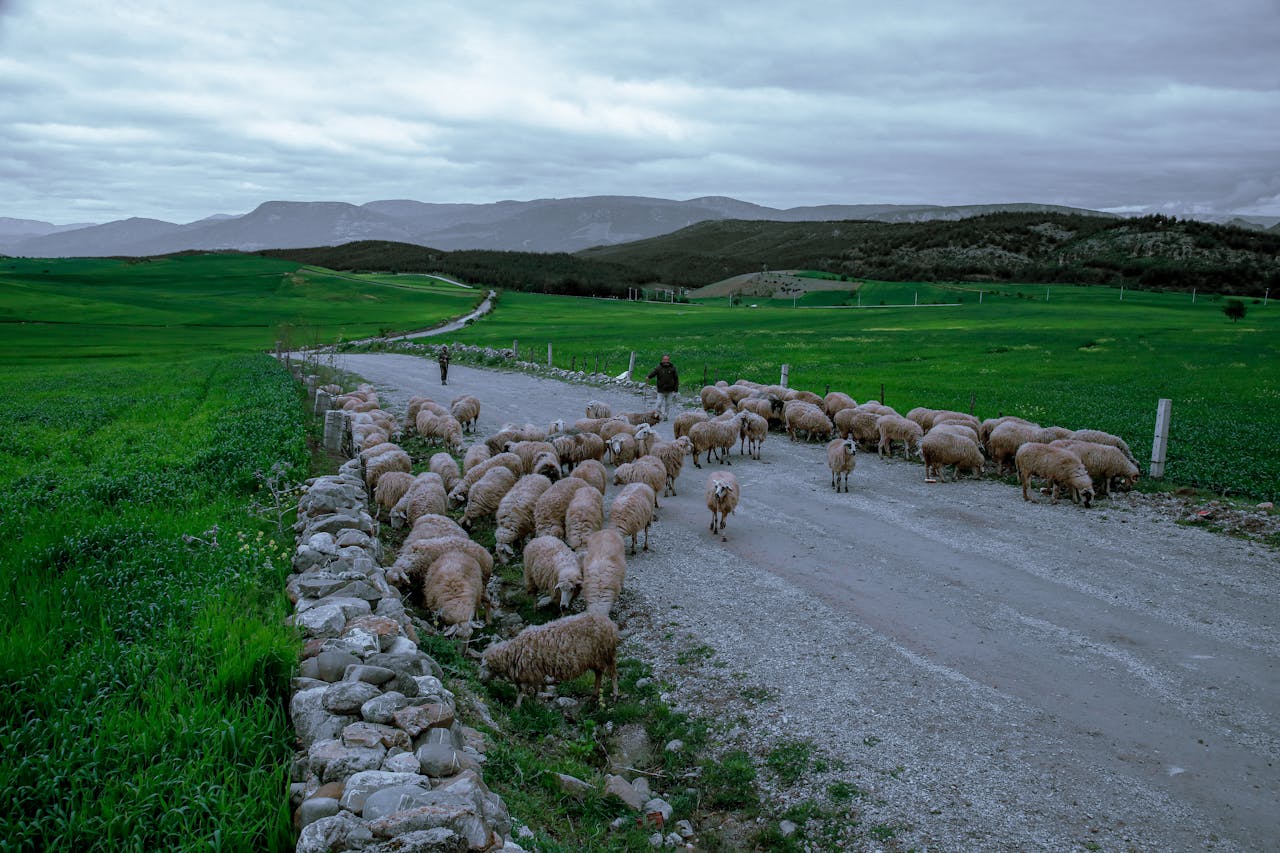
In rural New Zealand, you often end up waiting for sheep to cross a main road, and locals treat the moment with patience that reflects the country’s agricultural rhythm. Reports on livestock movement explain why farmers still use public routes during seasonal shifts, so you slow down early and let the animals pass. You learn quickly that rushing never helps because the flock moves only as fast as the shepherd allows. When you watch how calmly everyone waits, you ease into the same attitude. The pause becomes part of the drive rather than an inconvenience. After a few encounters, you stop viewing it as a delay and start treating it like a normal part of rural travel. The unhurried pace reminds you that not every journey needs to run on strict timing.
5. Germany’s Obligation to Form an Emergency Corridor
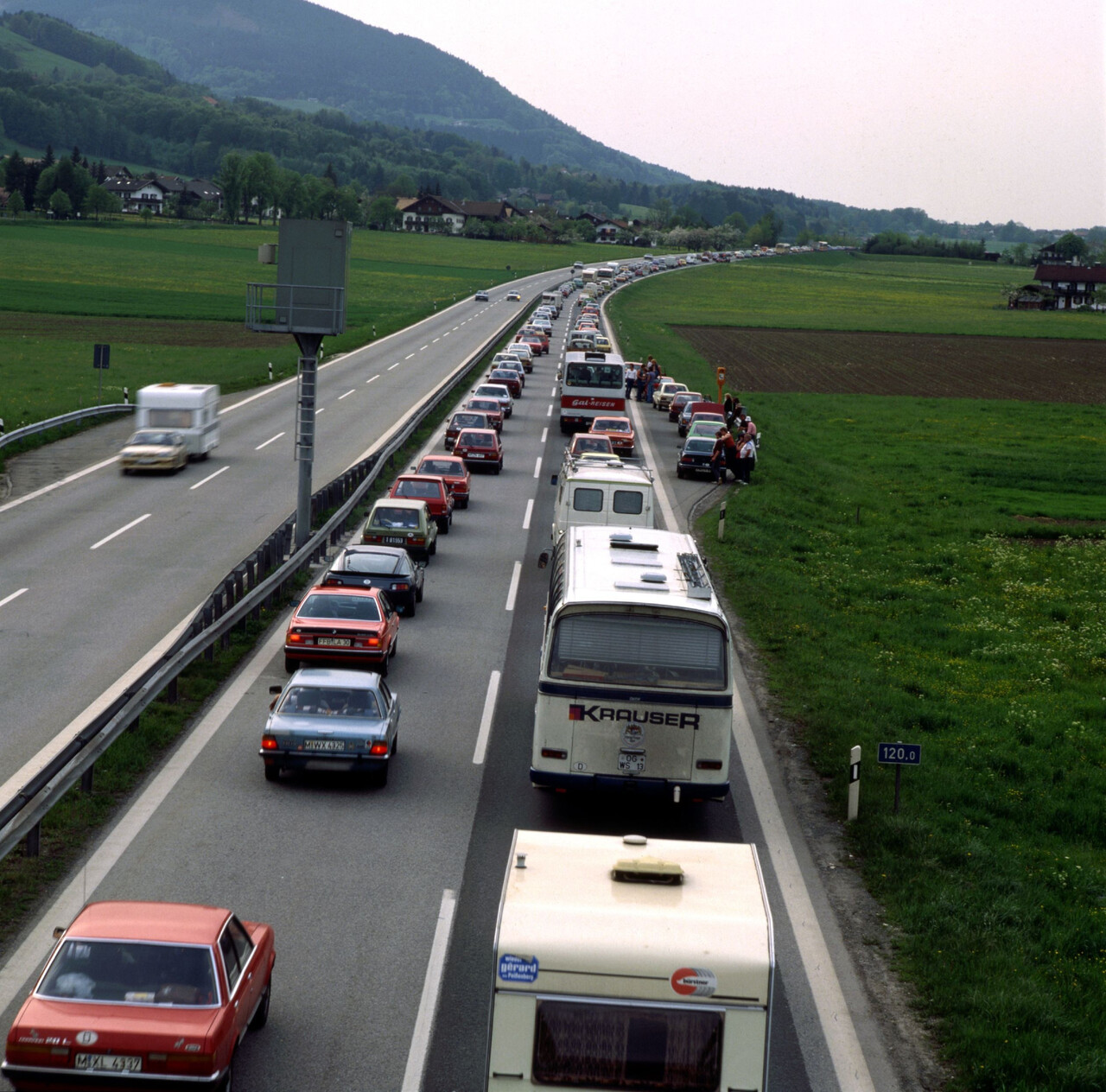
On German highways, you must form an emergency corridor the moment traffic tightens, and transportation agencies highlight how this habit sharply reduces response times during crashes. You don’t wait for sirens; you move aside immediately so ambulances can cut through without hesitation. Once you see how efficiently the pattern works, you understand why hesitation disrupts the entire line. Drivers respond in unison, which makes even long traffic jams feel orderly. The rule teaches you that shared discipline can save minutes when emergencies happen. After experiencing how fast emergency vehicles move through, you respect the rule even more. You start preparing for the shift instinctively whenever traffic begins to slow.
6. South Africa’s Shoulder-Passing Gesture on Rural Highways

On rural South African highways, slower vehicles often slide onto the shoulder so you can pass, and road studies reference this custom as a practical solution for long stretches with few overtaking lanes. After you pass, you flash your hazards in thanks, and the exchange feels friendly rather than aggressive. You learn not to mistake the shoulder move for distress because it’s simply a courtesy embedded in the landscape. The rhythm becomes familiar within a day of driving. You start anticipating the gesture, and the road opens up more smoothly than expected. As you settle into the flow, the routine starts to feel like a quiet code everyone respects. You end up valuing the cooperation because it keeps long drives from dragging.
7. The UK’s Zebra Crossing Courtesy Ritual
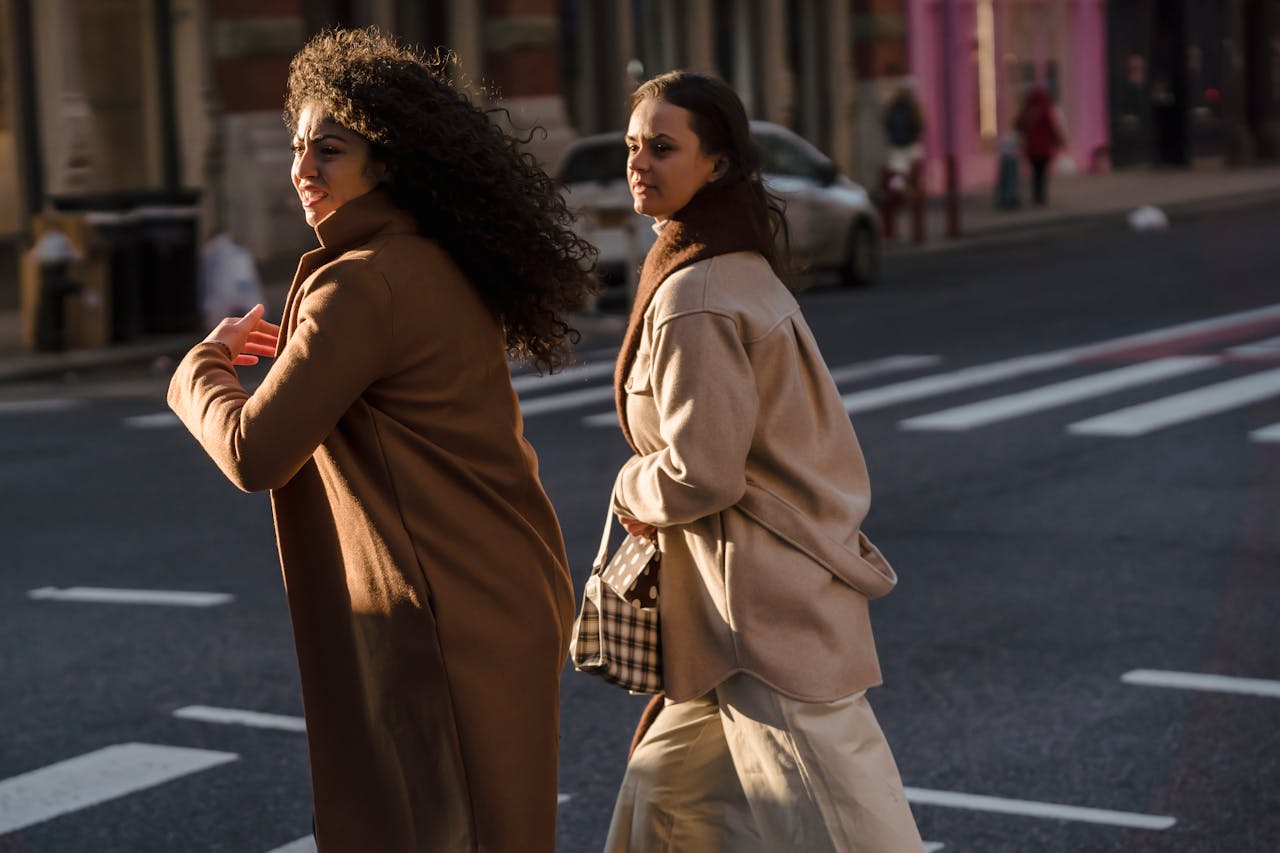
In the UK, you stop for pedestrians at zebra crossings even if they’re only approaching, and local rulebooks emphasize how this norm keeps towns walkable and predictable. You get used to spotting the striped pattern early and preparing to slow because someone may step out at any moment. The nod pedestrians give you reinforces that both sides take the rule seriously. When you adjust to the pace, the stop-and-go flow feels natural instead of disruptive. You see how small courtesies help busy streets stay manageable. After a while, the habit becomes automatic, and you appreciate how much calmer the roads feel. The predictability makes every interaction between drivers and pedestrians smoother.
8. Thailand’s Habit of Using Hazard Lights During Sudden Downpours

Thailand’s fast-forming storms can drop visibility to almost nothing, and many drivers flip on hazard lights so others can track distance more easily during the heaviest bursts. Local driving guides still discuss this practice because the rain masks brake lights faster than you expect. When you see the flashes, you slow, widen your gap, and focus on staying steady. Even though officials sometimes debate the clarity of the habit, drivers trust it because it draws attention in a wall of water. You adapt quickly because the alternative feels riskier when the sky opens. After a few storms, you react to the first raindrops with more caution than before. You start respecting how quickly weather shapes the driving culture.
9. France’s Tradition of Giving Priority to the Right in Older Towns

Some older French towns still follow a rule where cars entering from the right keep priority, and national manuals explain that the custom survived due to street layouts that predate modern design. When you drive through these places, you slow earlier and watch the edges of intersections carefully. You avoid assuming a main street gives you automatic priority because locals follow the pattern without hesitation. Once you get the rhythm, you navigate more calmly. The rule forces you to pay closer attention, which keeps you safer in tight spaces. After a few drives, you find yourself scanning side streets more consistently. The habit makes you more deliberate in towns where space and signage can feel unpredictable.