
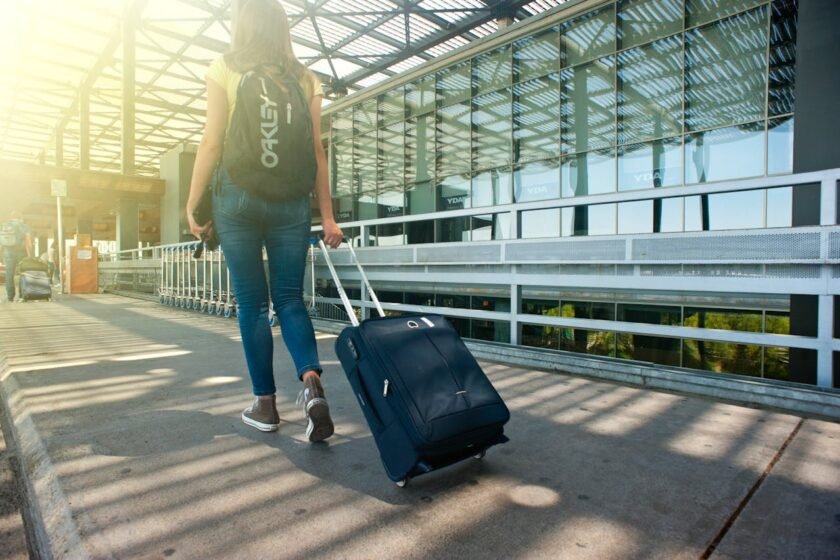
Travel rules are not just suggestions, and many places enforce them far more strictly than visitors expect. When you are sightseeing, everyday habits like feeding animals, snapping photos, or sitting on historic steps can cross legal lines fast. These laws are not obscure loopholes. They exist to protect public safety, wildlife, infrastructure, and cultural sites that see heavy foot traffic year after year. Local governments often rely on fines to discourage damage and overcrowding, and tourists are frequent targets because they ignore posted signs or assume warnings are flexible. If you travel without understanding local rules, you risk fines that range from hundreds to thousands of dollars. Knowing what behaviors raise red flags helps you avoid penalties and keeps your trip from turning expensive for the wrong reasons.
1. Feeding Wildlife

You might see animals as part of the travel experience, but feeding them is illegal in many destinations. National parks, coastal towns, and historic cities ban this behavior because it alters animal behavior and increases aggression. Authorities in places like U.S. national parks, parts of Australia, and European cities issue fines when you ignore posted warnings. Feeding birds, monkeys, or deer can also spread disease and lead to dangerous encounters that require animal removal. Rangers and local police actively patrol tourist areas and issue citations on the spot. Even tossing a small snack counts as feeding. If signs prohibit it, you face fines that often exceed standard traffic tickets.
2. Climbing on Historic Structures
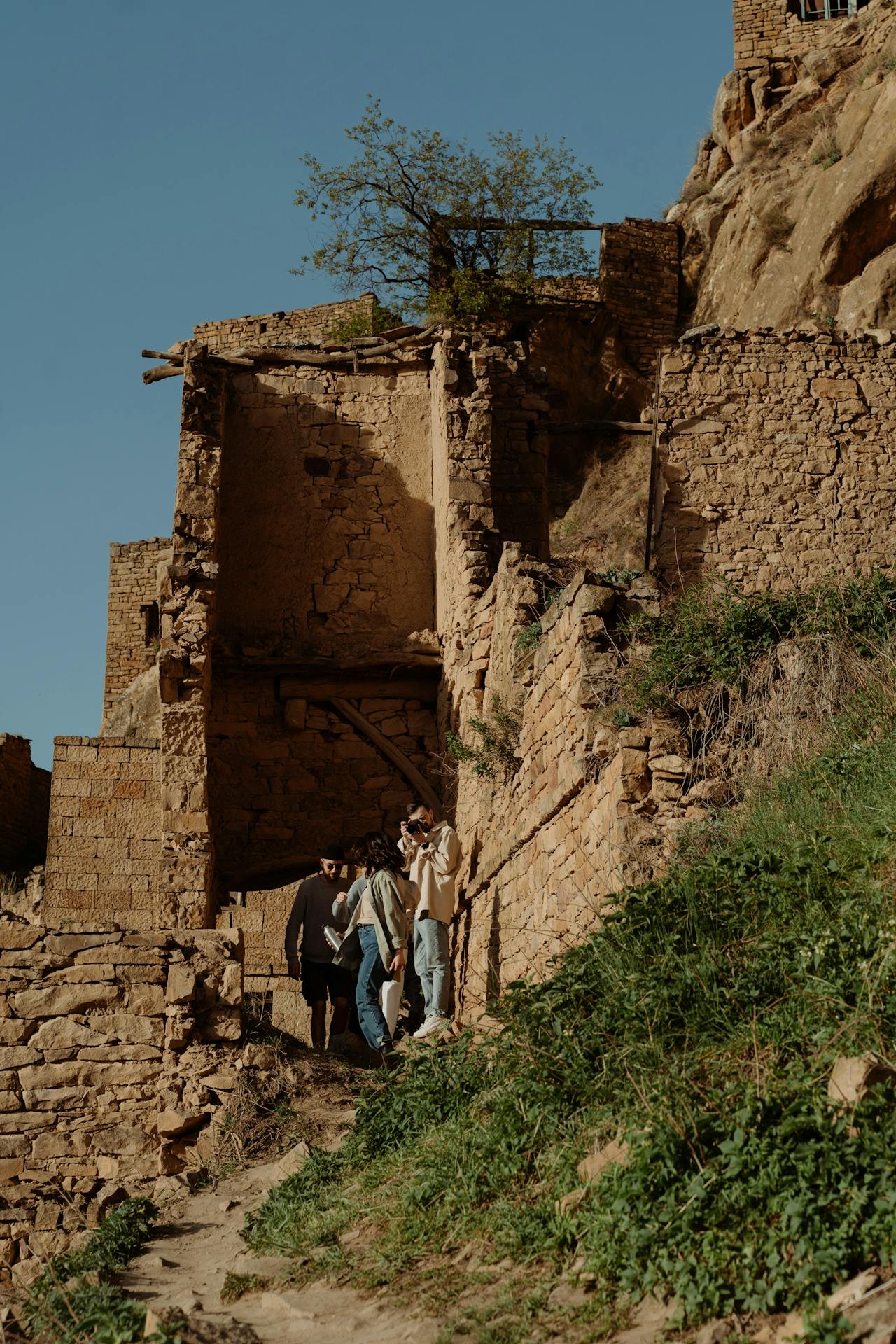
You might think touching or climbing on landmarks is minor, but many cities legally prohibit it. Historic structures wear down quickly when visitors sit, climb, or lean on them, which increases restoration costs. Municipal governments in places like Rome, Athens, and parts of Asia enforce preservation laws that allow fines for physical contact with monuments. Security staff monitor popular sites and respond quickly to violations. Ignoring barriers or warning signs leads to citations, not warnings. If you damage protected stonework or ruins, fines can climb sharply and enforcement rarely shows leniency.
3. Drinking Alcohol in Public Spaces
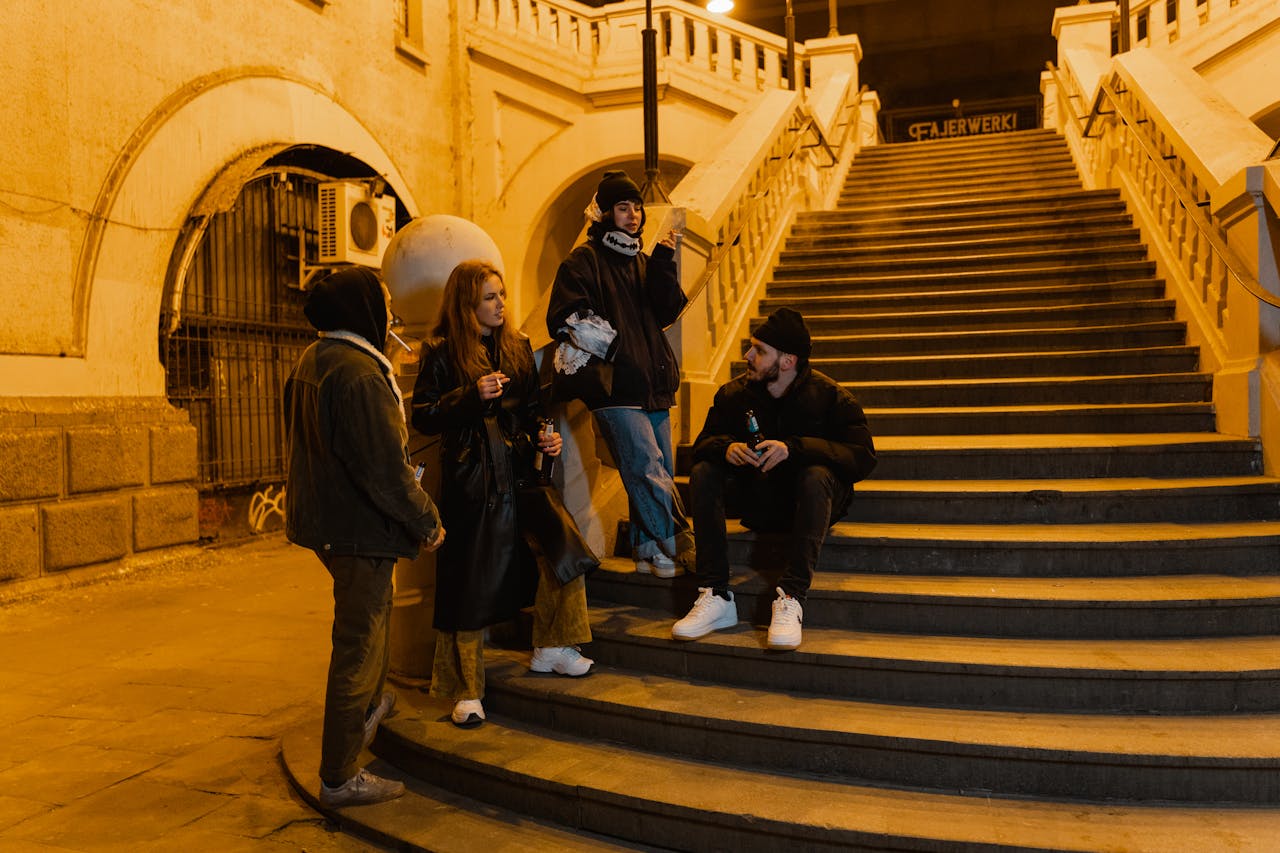
You may assume open drinking rules are relaxed, but many cities ban alcohol in public areas. Beaches, plazas, sidewalks, and transit zones often fall under open container laws. Local governments enforce these rules to reduce noise, litter, and disorder in tourist heavy neighborhoods. Police patrol nightlife districts and issue fines when they see alcohol outside licensed venues. In cities across Europe and Asia, penalties apply even if the drink is unopened. If you follow the crowd without checking local law, you risk fines that add up quickly. What surprises most travelers is that enforcement often targets tourists first, not locals.
4. Flying Drones Without Permission
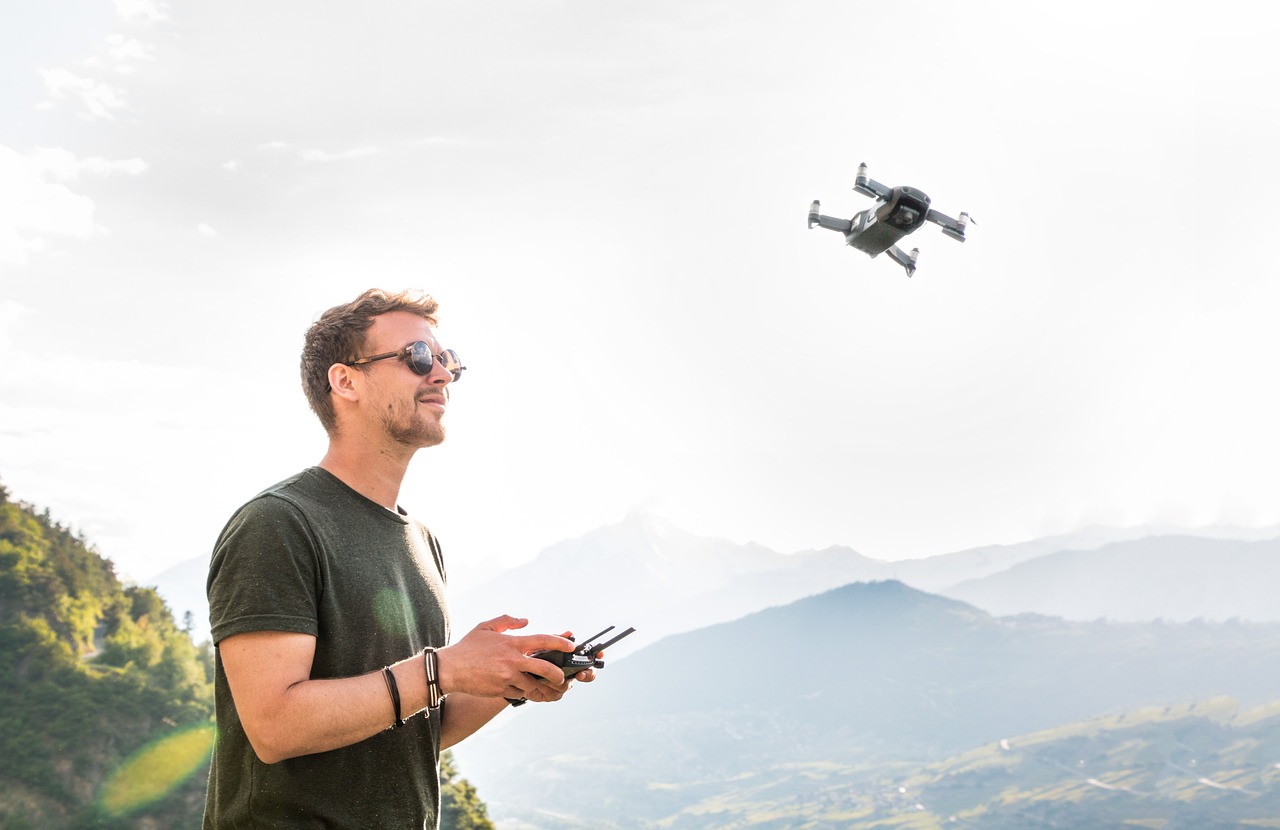
You might pack a drone for travel footage, but many countries strictly regulate airspace. Aviation authorities often require registration, permits, or complete bans near cities, landmarks, and crowds. Flying without approval can violate national aviation laws, privacy regulations, or security rules. Governments in France, Japan, India, and the United States impose fines and may confiscate equipment. Enforcement agencies monitor tourist sites closely and respond fast to unauthorized flights. Claiming ignorance does not reduce penalties. If you want aerial shots, you must check official aviation guidelines first.
5. Improper Beach Behavior

You may treat beaches as relaxed public spaces, but many coastal regions regulate them tightly. Laws often prohibit smoking, collecting shells, removing sand, or disturbing marine life. Environmental agencies enforce these rules to protect fragile ecosystems and reduce erosion. Inspectors and local police patrol popular beaches and issue fines when you ignore posted regulations. In parts of Europe and island nations, penalties apply even for small souvenirs. What feels like a harmless habit can violate conservation law, and fines are common in high traffic tourist areas. Tourists are cited most often because authorities assume locals already know and follow these rules.
6. Jaywalking in Strict Jurisdictions
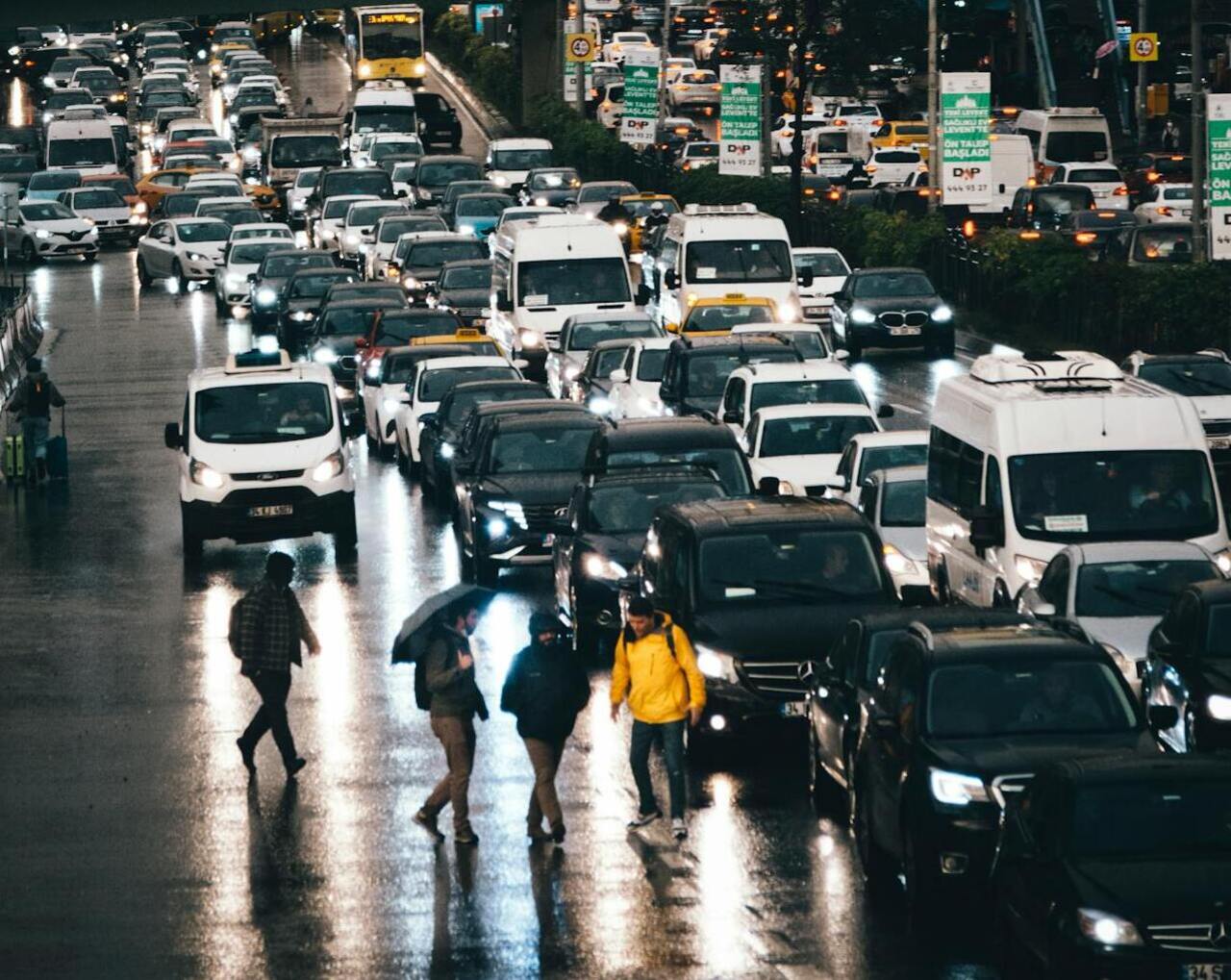
You might cross streets casually, but some countries enforce pedestrian laws strictly. Cities like Singapore and Tokyo fine people for crossing outside marked zones or ignoring signals. These laws exist to reduce accidents and manage traffic flow. Police and cameras monitor busy intersections near tourist attractions. Even quiet streets fall under enforcement rules. First time fines may seem modest, but repeat violations raise penalties. If you assume rules are flexible because locals do it, you risk getting fined while traveling. Tourists often get cited because enforcement officers know visitors are less familiar with local rules.
7. Dressing Inappropriately at Religious Sites

You may not expect clothing to be legally regulated, but many religious sites enforce dress codes backed by law. Temples, mosques, and churches often require covered shoulders, knees, or heads. Authorities enforce these rules to protect cultural and religious norms. Security staff deny entry or issue fines if you ignore posted requirements. In some countries, disrespectful attire leads to legal penalties rather than warnings. Carrying modest clothing or coverings helps you avoid fines and prevents unnecessary conflict at sacred locations. Visitors are held to the same standards as locals, regardless of intent or cultural background.
8. Taking Restricted Photos
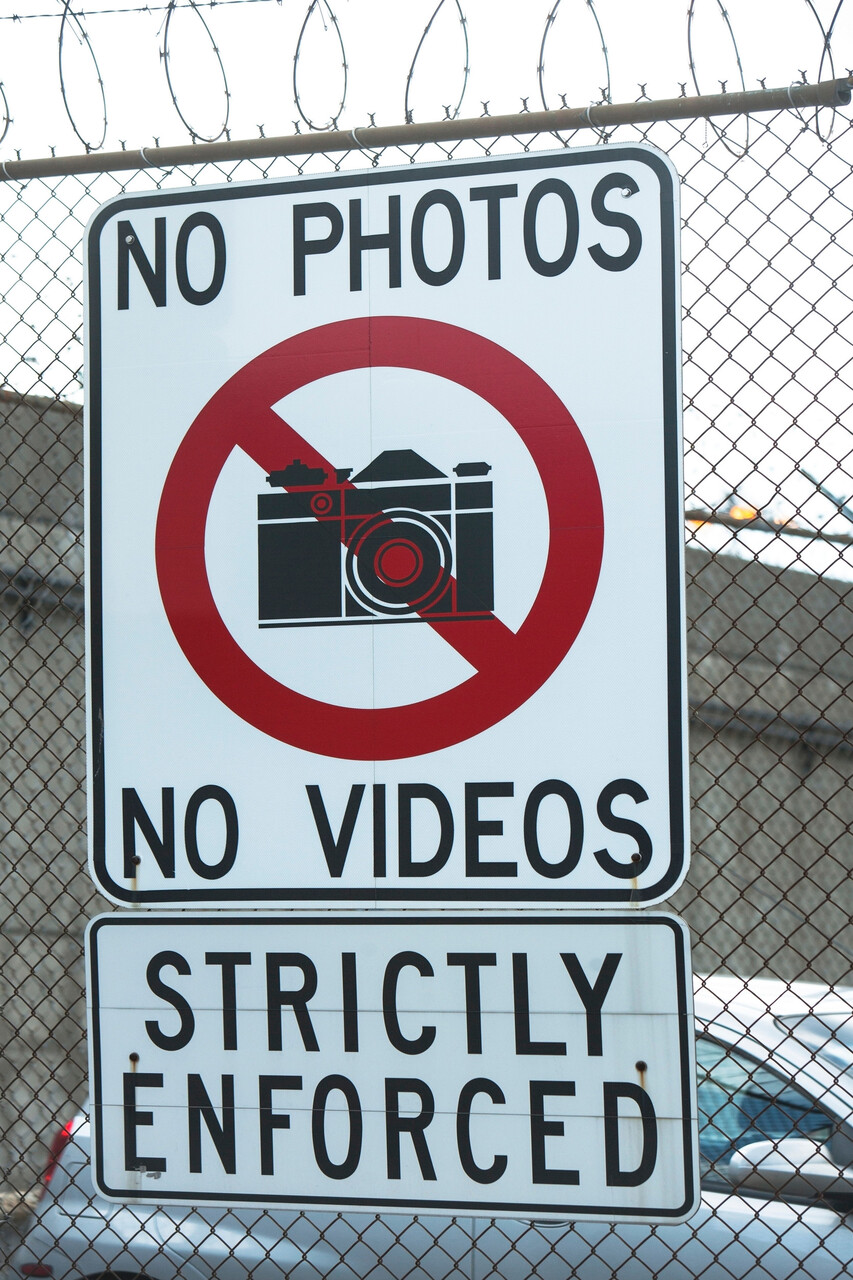
You might assume photography is always allowed, but many places restrict it by law. Government buildings, military zones, museums, and even markets ban photos for security or copyright reasons. Signs usually mark restricted areas clearly, and enforcement officers watch tourist heavy locations closely. If you take photos where prohibited, authorities can issue fines or confiscate equipment. In stricter countries, questioning may follow. Always check posted rules before using your camera or phone, especially near official facilities. Tourists are frequently fined because authorities expect you to notice and follow posted restrictions.
9. Ignoring Transit Rules

You may treat public transit casually, but many systems enforce rules aggressively. Failing to validate tickets, eating on trains, or placing feet on seats can trigger fines. Transit authorities in cities like Zurich, Tokyo, and New York empower inspectors to issue penalties immediately. Tourists often get fined because they misunderstand ticket systems or skip validation steps. Rules are posted clearly and enforcement does not depend on intent. Paying attention to transit guidelines helps you avoid fines and delays during your trip. Inspectors frequently focus on busy tourist routes where violations are most common.