
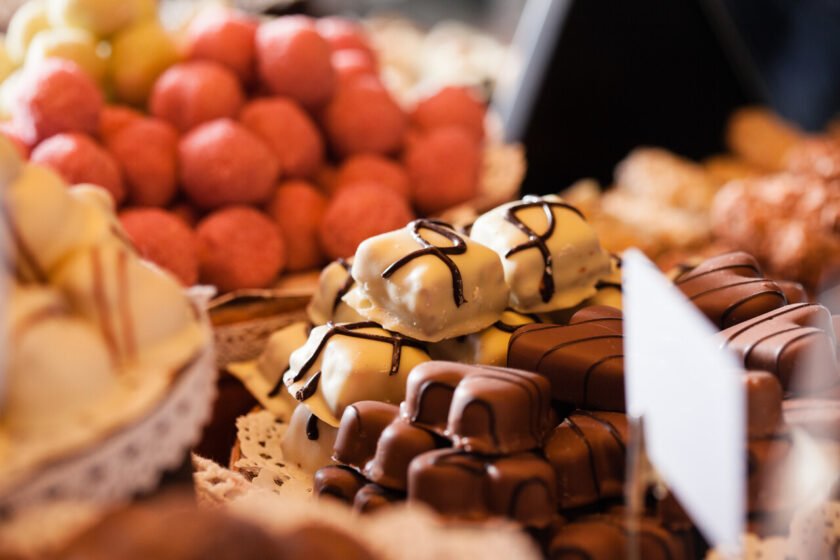
Some chocolate shops invite dedicated trips rather than casual detours. These aren’t places you wander into for a quick fix; they’re destinations where craftsmanship, sourcing, and restraint are as essential as the indulgence itself. The distinction shows up in texture, balance, and the clarity of flavor. Rather than overwhelming sweetness, these spots emphasize cacao character, freshness, and thoughtful technique. Once you taste chocolate made with that level of intention, airport souvenirs and mass-market bars lose appeal quickly. These are the kinds of places that justify a sugar coma.
QUE BO!
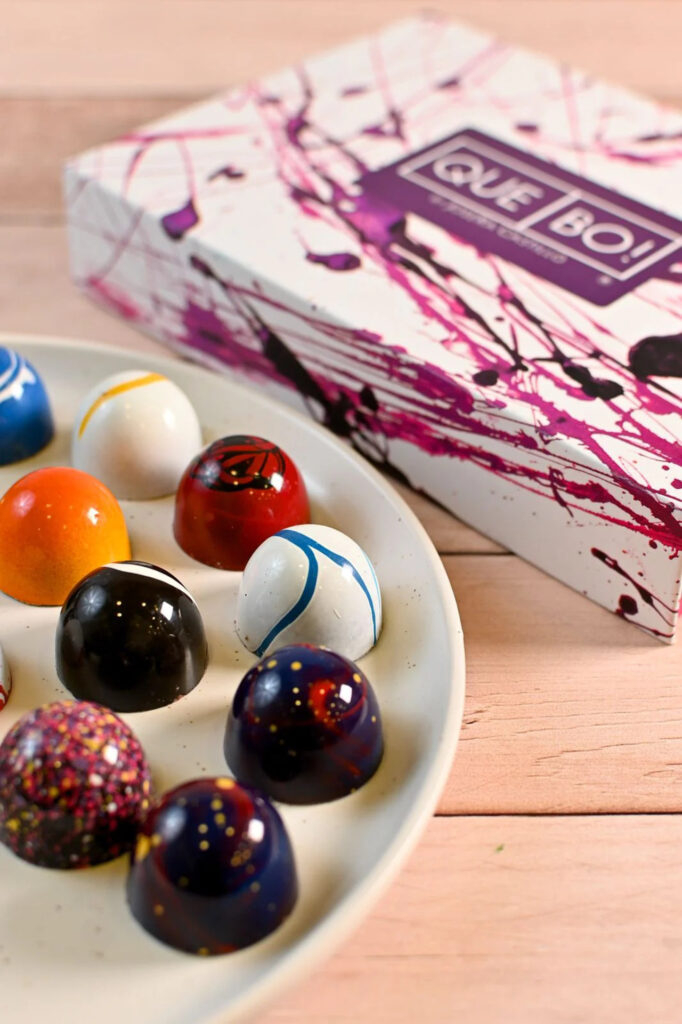
Que Bo! distinguishes itself by rooting its chocolate in Mexico’s cacao lineage rather than European conventions. The shop highlights native ingredients and regional flavor profiles, giving its confections a sense of place that’s hard to replicate elsewhere. Instead of relying on heavy cream or sugar, many bars emphasize acidity, spice, and natural bitterness. That balance preserves intensity without becoming overpowering. The presentation is playful, but the craftsmanship is serious. Each piece aims to tell a story about cacao’s origins and Mexico’s culinary identity. A visit to Que Bo! feels less like shopping and more like sampling a curated collection.
SOMA CHOCOLATEMAKER
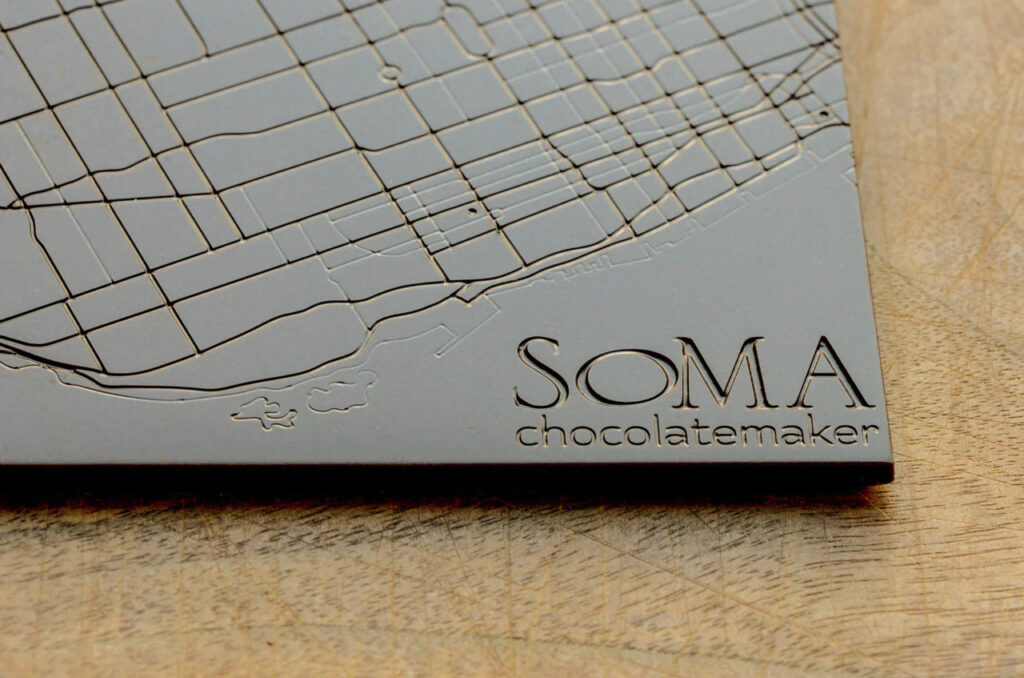
SOMA Chocolatemaker treats chocolate as a craft producer rather than a luxury retailer. Its bean-to-bar philosophy emphasizes transparency and origin, shaping flavor accordingly. Differences between cacao sources are noticeable even to casual tasters. The texture stays clean, sweetness remains controlled, and the flavors linger without being cloying. SOMA also experiments thoughtfully, pairing chocolate with elements like smoky notes or subtle botanicals without masking the cacao itself. The trip is worthwhile because it educates without lecturing.
CAFÉ SPRÜNGLI
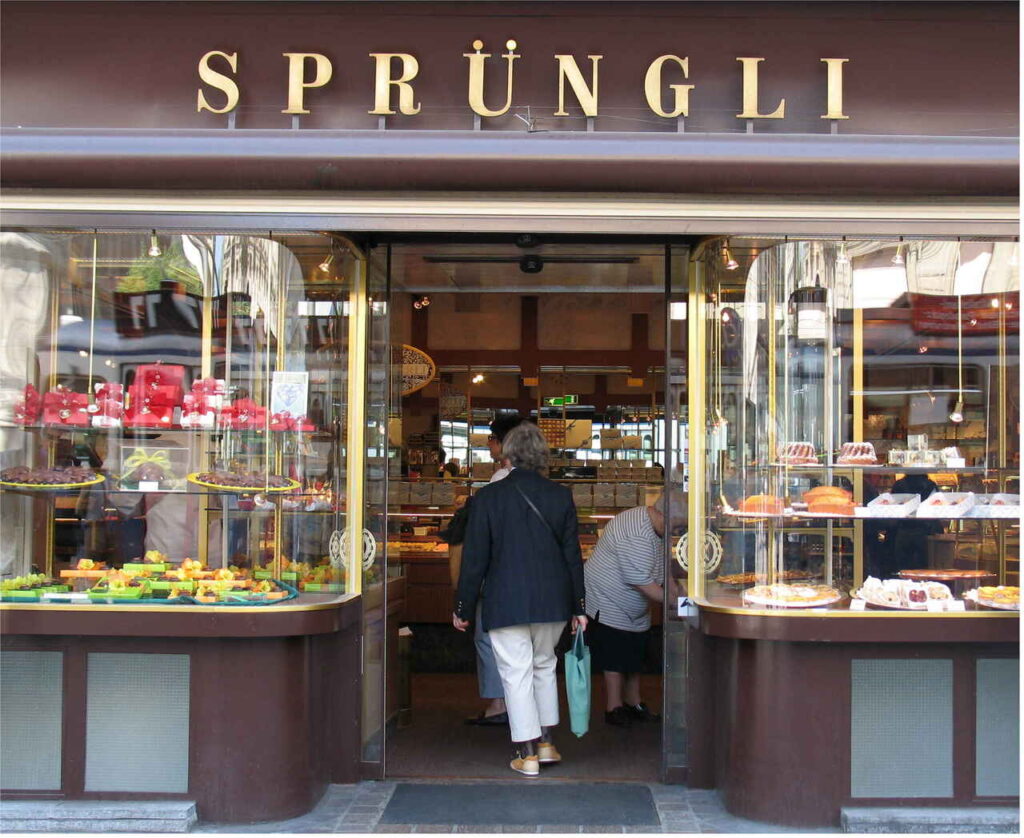
Sprüngli embodies meticulous craft. This is Swiss chocolate at its most disciplined, where every detail from texture to finish is tightly controlled. The chocolates are refined rather than flashy, prioritizing balance over novelty. Many visitors are surprised by how light and clean the flavors feel, even in rich truffles. Sugar never dominates. The flagship café reinforces that restraint, pairing chocolates with pastries and coffee in a way that invites lingering rather than indulgence overload. Sprüngli’s longevity proves chocolate doesn’t need reinvention to stay relevant.
DEBAUVE & GALLAIS
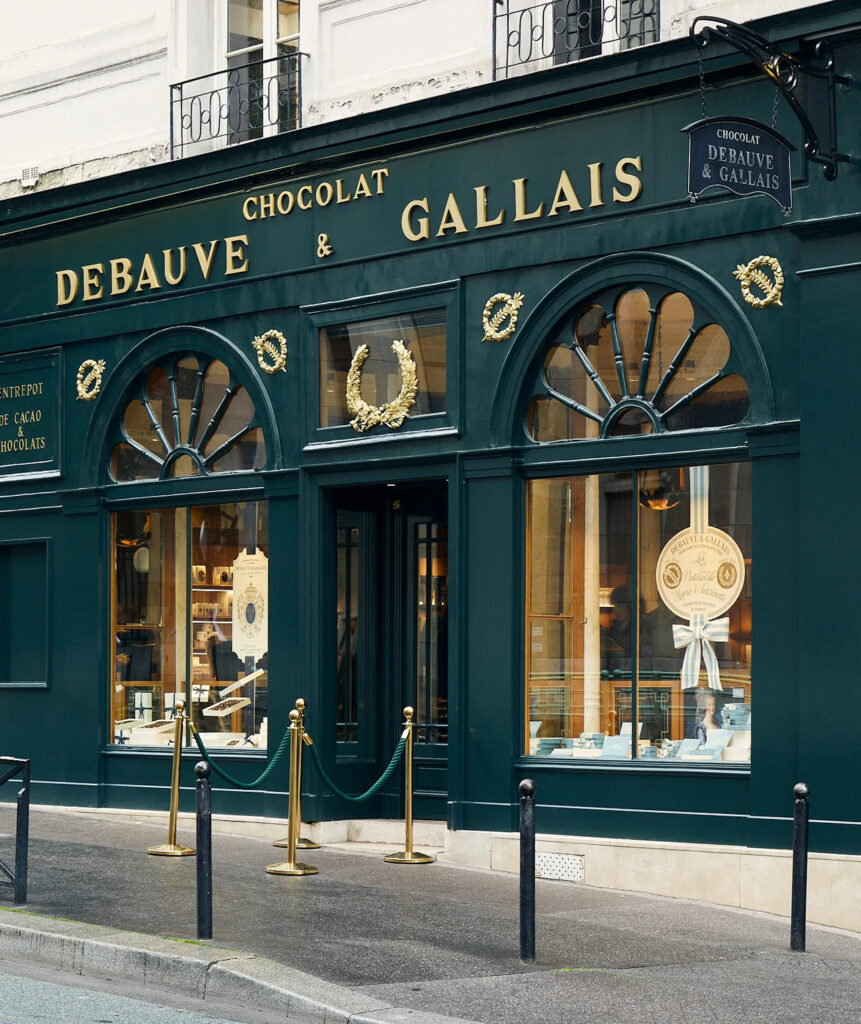
Debauve & Gallais evokes chocolate history without sacrificing quality. The shop’s reputation rests on ganaches that favor depth and smoothness over sweetness. Many recipes are rooted in tradition, but they stay relevant thanks to precise execution. The mouthfeel feels luxurious without being heavy, and flavors develop gradually. The experience is memorable for its sense of continuity—tasting chocolate shaped by centuries of refinement, not fashion cycles. After visiting, modern novelty chocolates can seem rushed or overly engineered, lacking the patience that marks true craftsmanship.
RAUSCH SCHOKOLADENHAUS
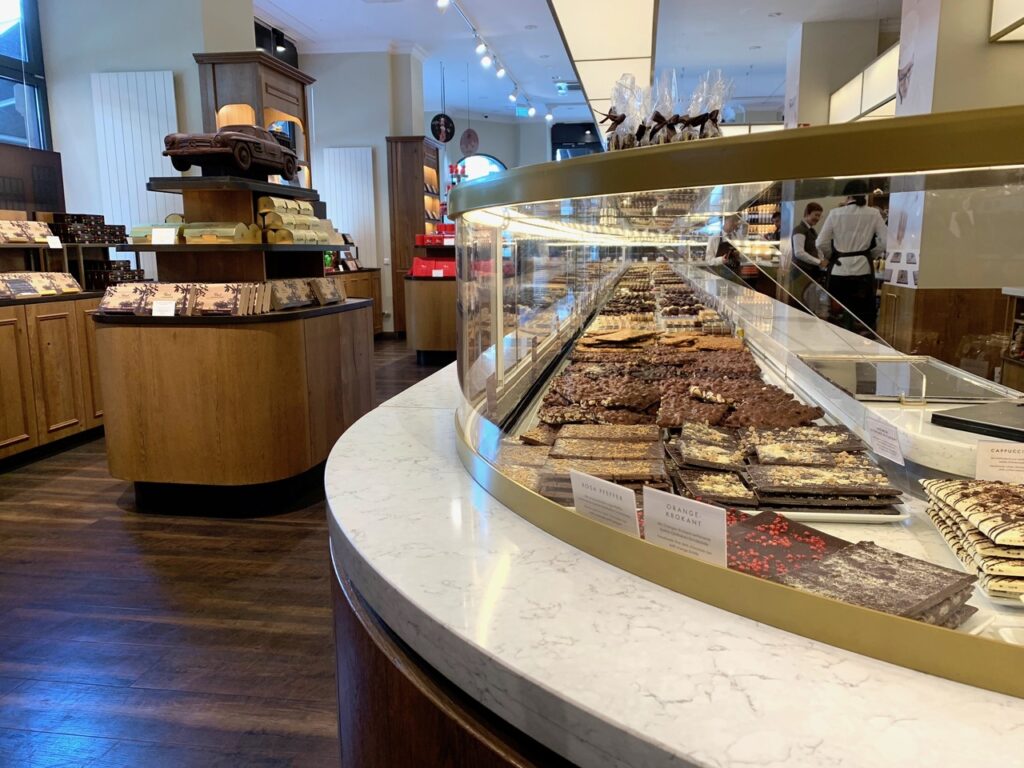
Rausch makes chocolate feel expansive. With hundreds of praline options and a large in-store display, the scale is impressive, yet not gimmicky due to consistent quality across styles. The shop emphasizes cacao sourcing and roast profiles, which shows in the clarity of flavor. Guests can taste origin differences beyond sugar levels. Rausch demonstrates how chocolate can be both approachable and serious. After traversing a space that treats chocolate as both art and ingredient, smaller boxed assortments elsewhere can feel limiting.
PUCCINI BOMBONI
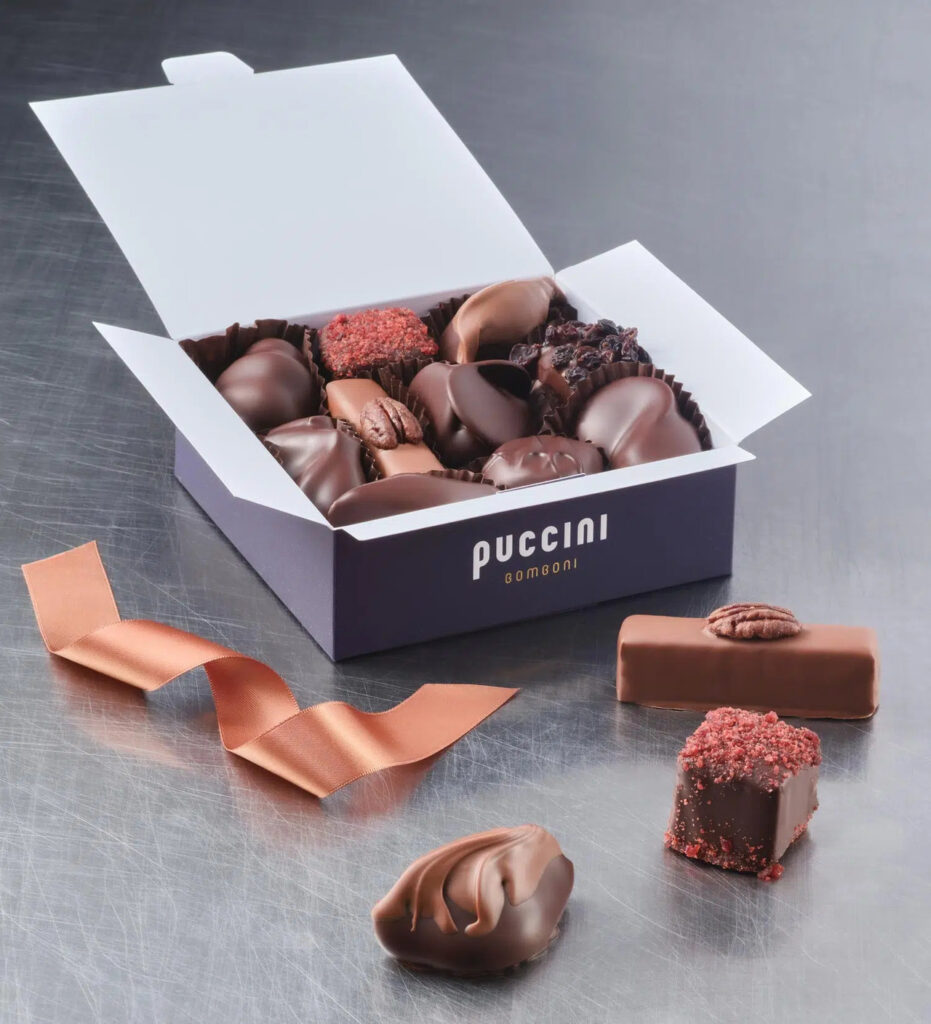
Puccini Bomboni thrives on visual impact, yet it earns its reputation through flavor discipline. Each chocolate is crafted to be expressive without veering into excess. Fruit notes stay bright, fillings stay smooth, and sweetness never overwhelms. The appeal lies in confidence—these chocolates don’t need explanations to be appreciated. They’re intuitive and balanced. That restraint makes them travel-worthy. Once you sample chocolates that prioritize flavor clarity, novelty bars built on extreme pairings begin to feel more theatrical than satisfying.
DUMON CHOCOLATIER
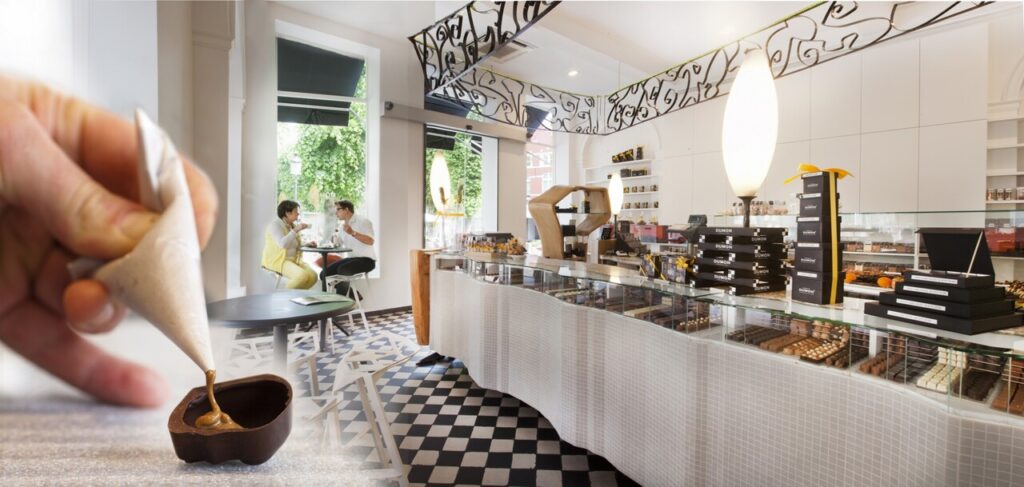
Dumon represents classic Belgian chocolate crafted with care rather than spectacle. The focus is on texture, proper tempering, and rich but controlled fillings. Nothing tastes rushed or mass-produced. The shop’s intimate scale reinforces that attention. Each chocolate feels intentional, not assembled for volume. Visitors often notice a clean finish, with flavors fading gently. After tasting Belgian chocolate at this level, supermarket pralines can taste waxy or overly sweet by comparison.
CHOCOLADEHUISJE
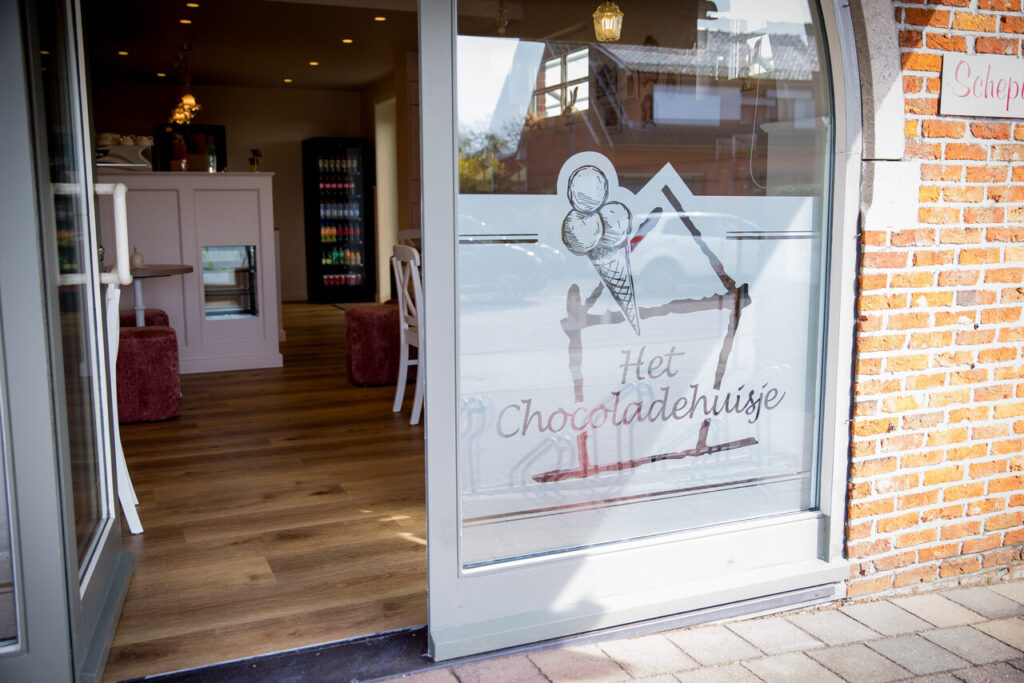
ChocolaDeHuisje leans into creativity while staying grounded in Belgian technique. The chocolates are playful yet structurally sound, with fillings that complement rather than overpower the shell. There’s an emphasis on variety without sacrificing balance. Visitors can sample broadly without palate fatigue. That signals thoughtful sugar control and proper cacao use. The shop proves indulgence doesn’t require heaviness. Once you experience chocolate inviting multiple tastings instead of one overwhelming bite, mass-market assortments feel dull and tiring.
FUNKY CHOCOLATE CLUB
Funky Chocolate Club earns its reputation by making chocolate participatory. Visitors don’t just eat chocolate; they understand how it’s made. Workshops highlight how temperature, fat content, and technique affect flavor and texture. That education changes how people taste chocolate afterward. The experience reinforces why quality matters at every stage. After making and tasting chocolate yourself, it becomes difficult to enjoy products designed primarily for shelf life. The shop turns indulgence into insight, making it one of the most memorable chocolate stops for travelers willing to embrace the sugar coma.