
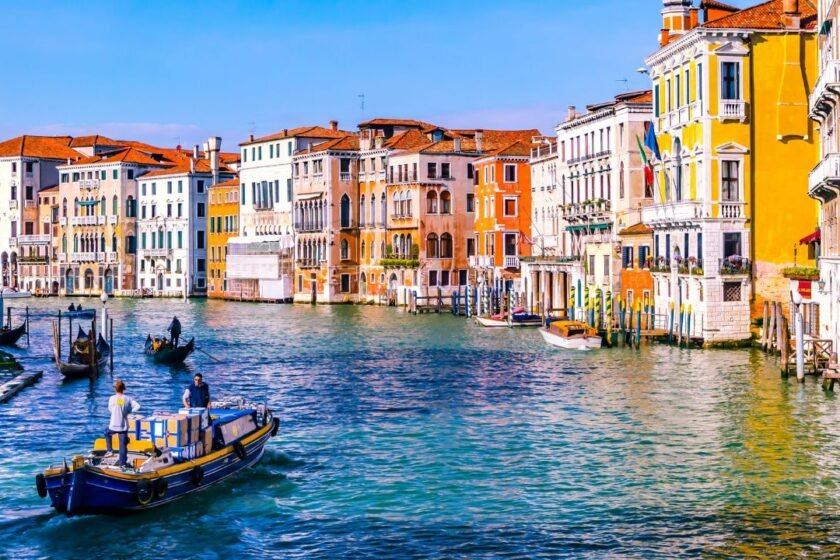
Santorini, Greece
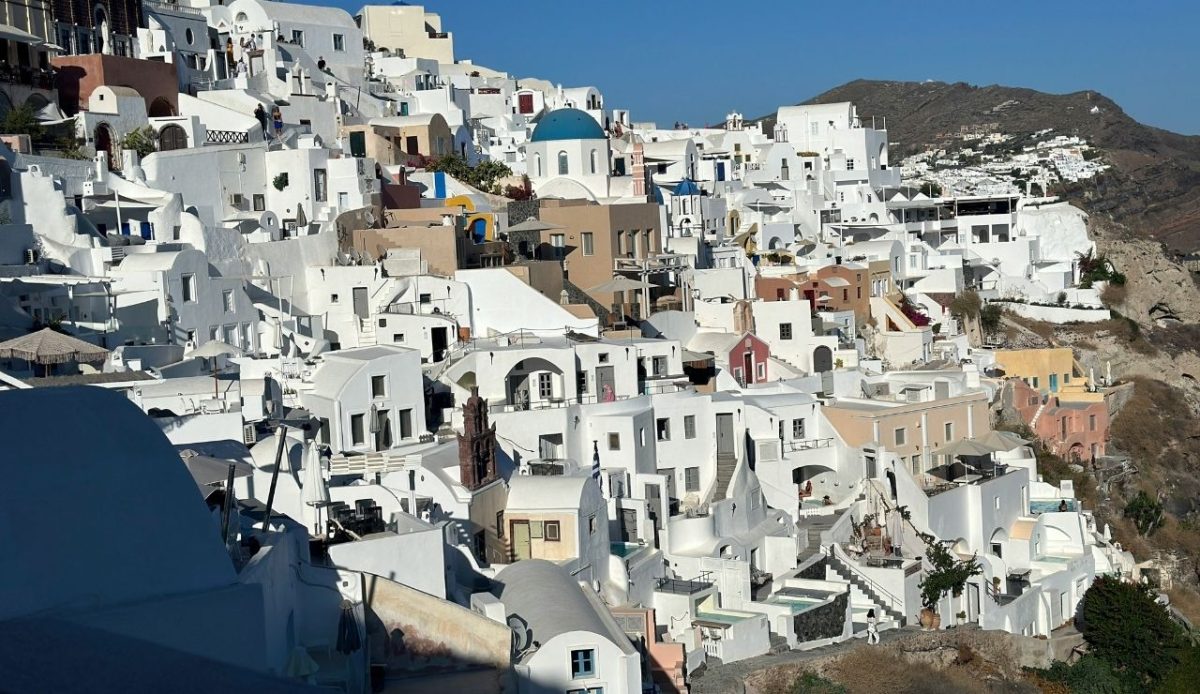
Santorini’s sunlit whitewashed dwellings and blue-domed churches dominate social feeds, yet the actual experience tends to be crowded and pricey. Narrow lanes are frequently clogged with travelers, and lodgings near iconic viewpoints demand premium rates. Summer heat and long queues at eateries or attractions can make getting around stressful. Even transfers between towns can prove frustrating as buses and taxis fill up quickly. While sunsets remain breathtaking, the island’s compact size paired with heavy tourism can feel overwhelming. Visitors hoping for quiet charm may discover the online imagery doesn’t match the real-life scene.
Hallstatt, Austria
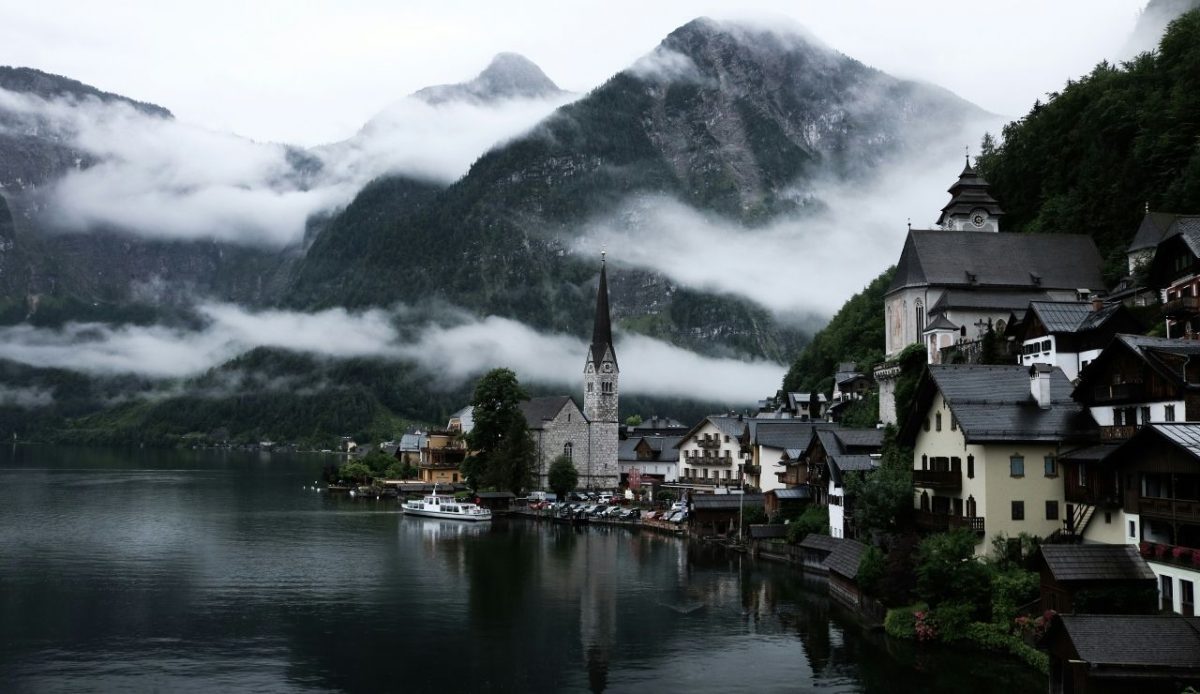
Hallstatt reads like a fairy-tale village with tranquil lakes and alpine scenery, yet daily crowds have surged, creating a busy, bustling vibe. Tourists arrive by bus and cruise ships, reducing personal space and making popular viewpoints cramped. Prices for food, souvenirs, and lodging run higher than anticipated, while narrow streets can feel congested and stressful. The postcard-perfect view often comes at the expense of serenity. The scenery is genuinely gorgeous, but those seeking a quiet, immersive escape may find the hype overshadows the charm. Visiting in the off-season can markedly improve the experience.
Cinque Terre, Italy
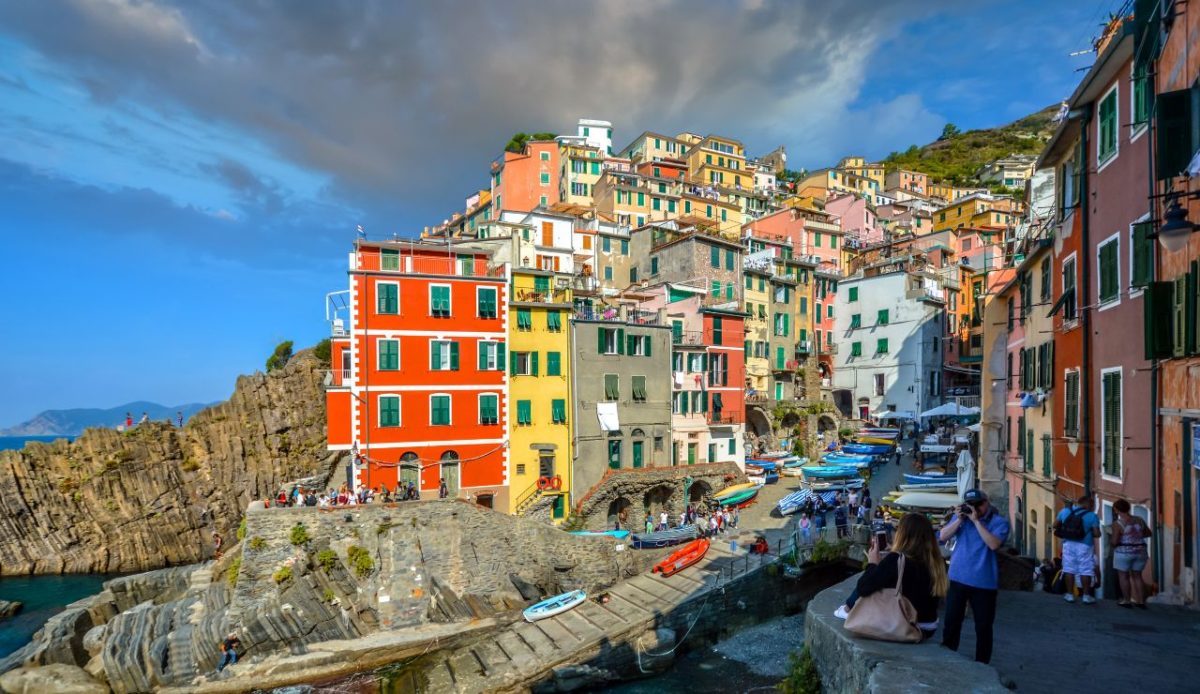
Cinque Terre’s colorful cliffside towns look idyllic online, but steep trails and congested streets can challenge visitors. Peak-season crowds overwhelm popular villages, limiting access to restaurants, shops, and train connections. Narrow paths, scarce parking, and high lodging costs add stress. Even short strolls may feel exhausting amid throngs of tourists. While the coastal scenery is undeniably stunning, the combination of crowds, infrastructure limits, and logistical hurdles can make reality feel less magical than social media portrays. Timing and realistic expectations are essential.
Bruges, Belgium
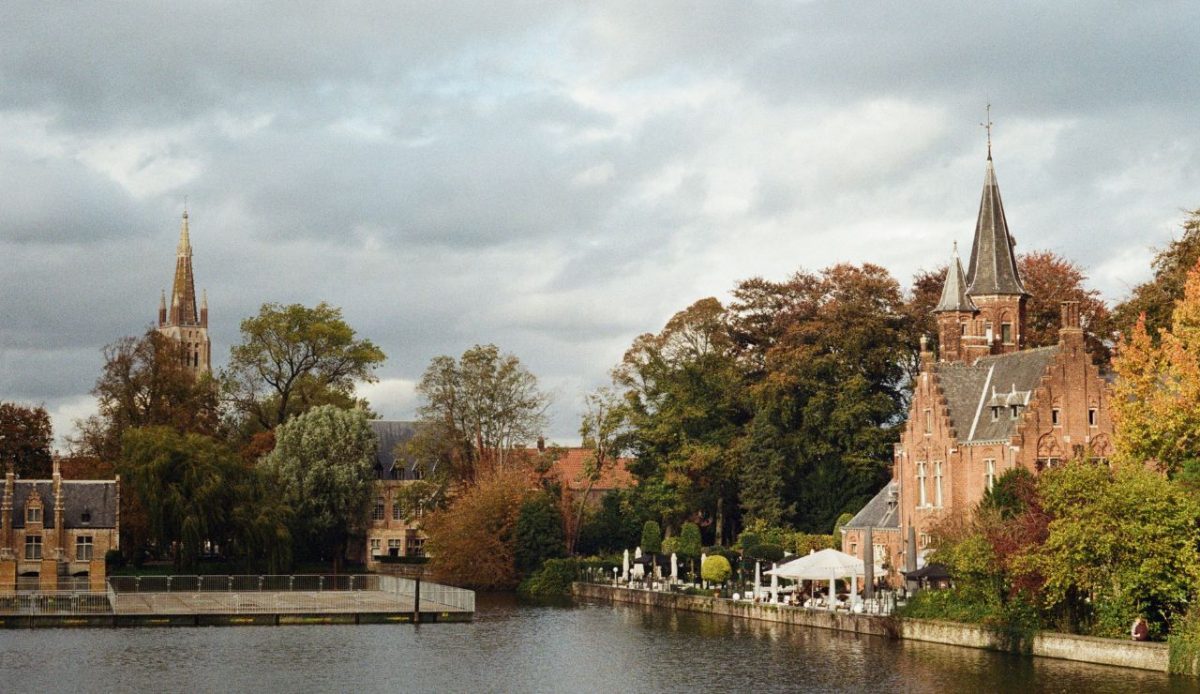
Bruges’ canals and medieval architecture exude visual charm, yet heavy tourism can diminish its appeal. Main streets and squares become crowded, especially near chocolate shops and canal tours. Accommodation costs in the city center are steep, and many attractions feel overly commercialized. While history and architecture are genuine highlights, visitors expecting peaceful exploration may find the experience hectic and photo opportunities difficult. The authentic charm of quieter neighborhoods often goes unnoticed. For a more pleasant visit, plan trips during off-peak times or explore lesser-known streets.
Bora Bora, French Polynesia
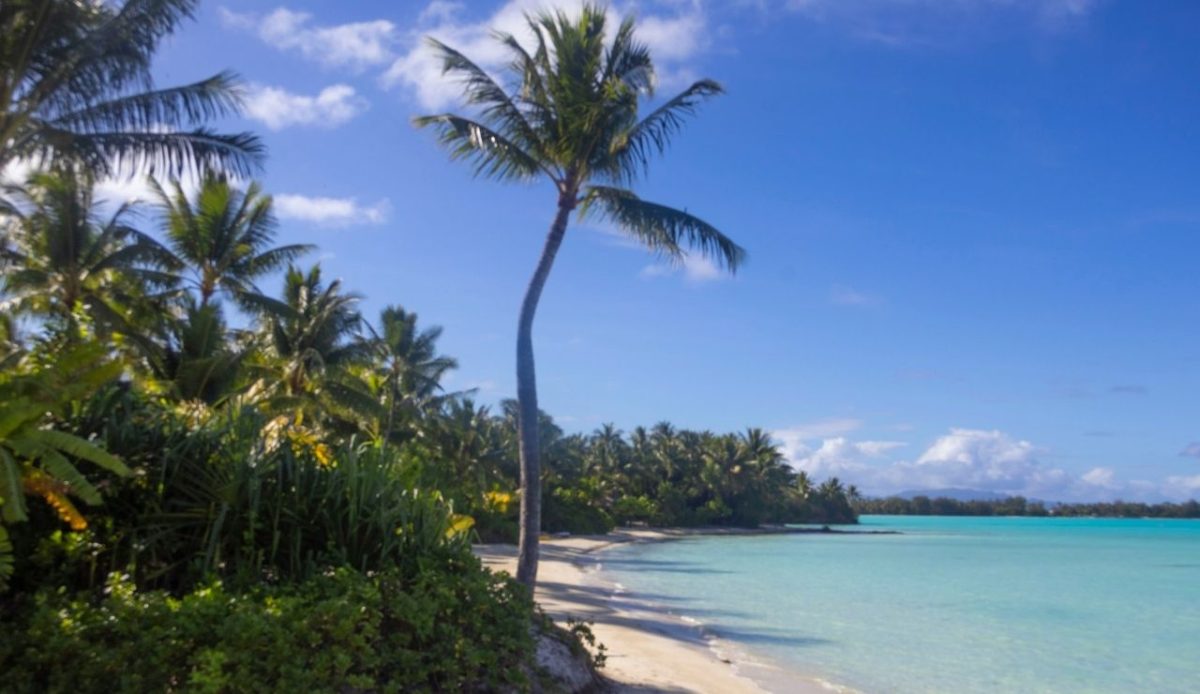
Bora Bora is famed for turquoise lagoons and overwater bungalows, but costs and exclusivity can temper expectations. Resorts dominate much of the landscape, and public beach access is limited in certain areas. While promotional images suggest endless serenity, reality often includes delays for transportation, high meal prices, and crowded photo spots. Travelers seeking seclusion may find that luxury tourism infrastructure reduces the island’s intimate feel. The natural beauty remains breathtaking. With careful planning and realistic expectations, visitors can enjoy Bora Bora without disappointment.
Venice, Italy
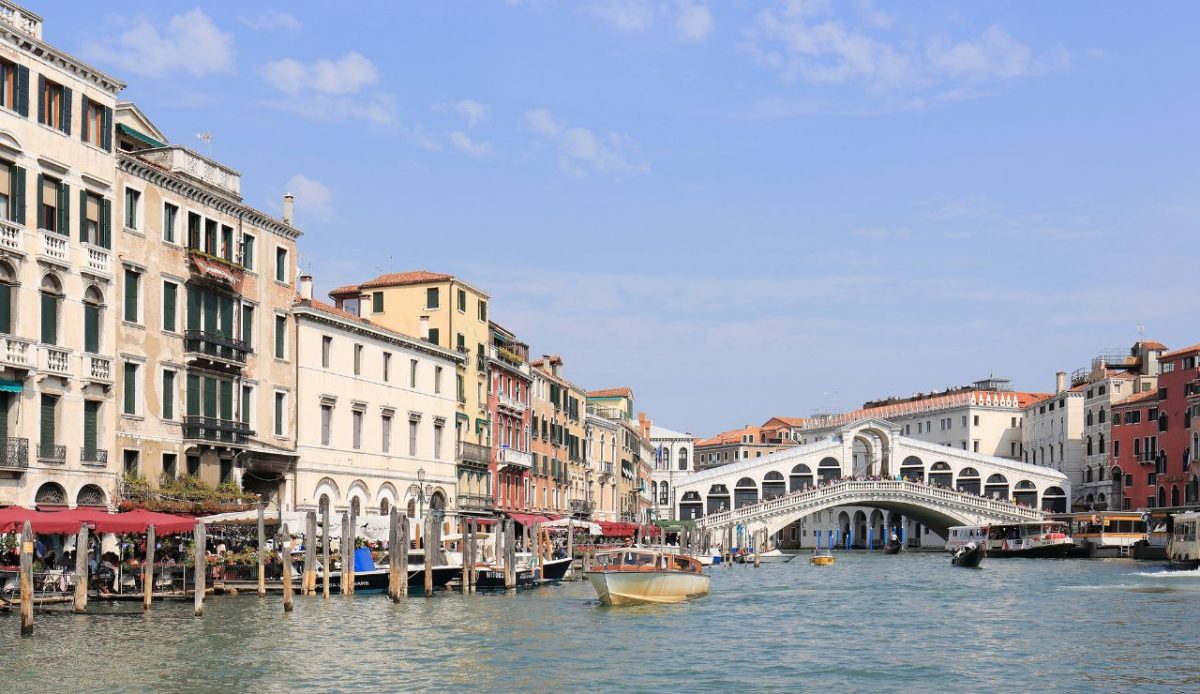
Venice’s canals, gondolas, and historic architecture captivate online, but heavy tourist volumes and costs are ongoing challenges. Crowded streets and bridges can slow movement, making walking or gondola rides less relaxing than imagined. Many eateries and souvenir shops cater primarily to visitors, reducing authenticity. Occasional flooding or high tides can disrupt plans. While Venice remains an architectural and cultural treasure, recognizing peak times and planning ahead is essential to bridge the gap between expectations and reality for a smooth, enjoyable visit.
Puno, Peru
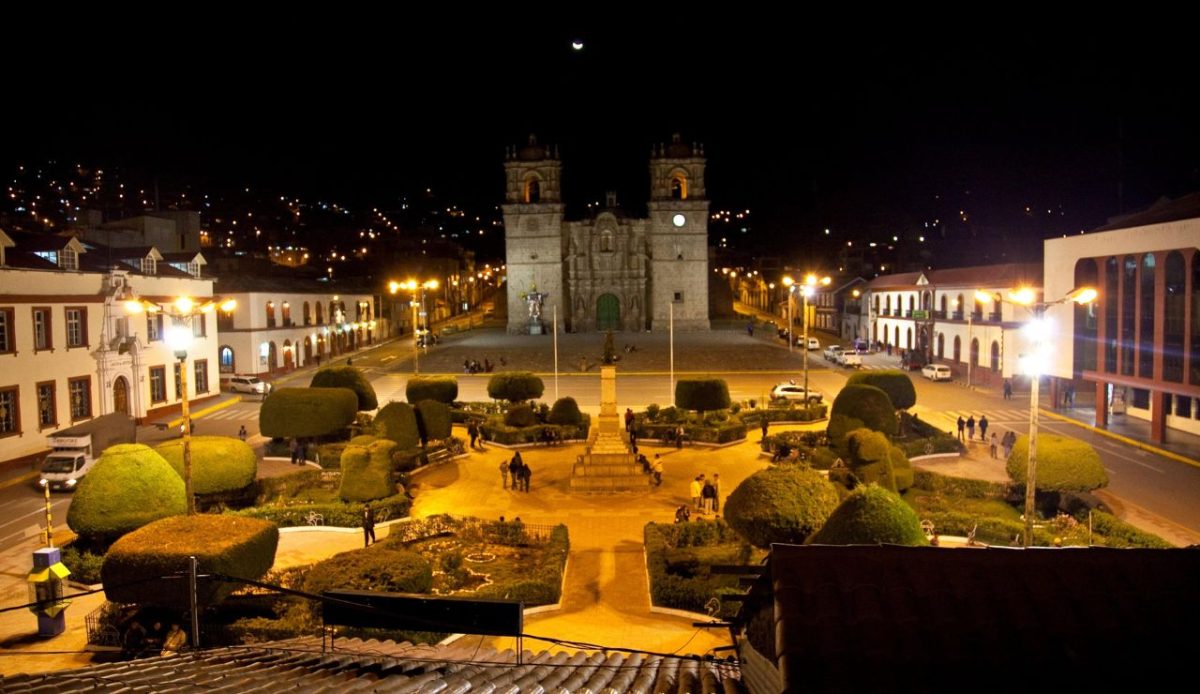
Sitting on the shores of Lake Titicaca, Puno often comes across as a serene Andean town online, but the reality can differ. Markets and streets bustle with activity, and most tourist-focused activities dominate daily life. High altitude can make walking tiring, while uneven sidewalks and limited transport add logistical hurdles. Although the lake and nearby islands are stunning, tours and crowded viewpoints can lessen intimacy. Travelers hoping for peaceful charm and effortless exploration may be surprised. Arriving early and pacing activities thoughtfully can significantly enhance the experience.
Positano, Italy
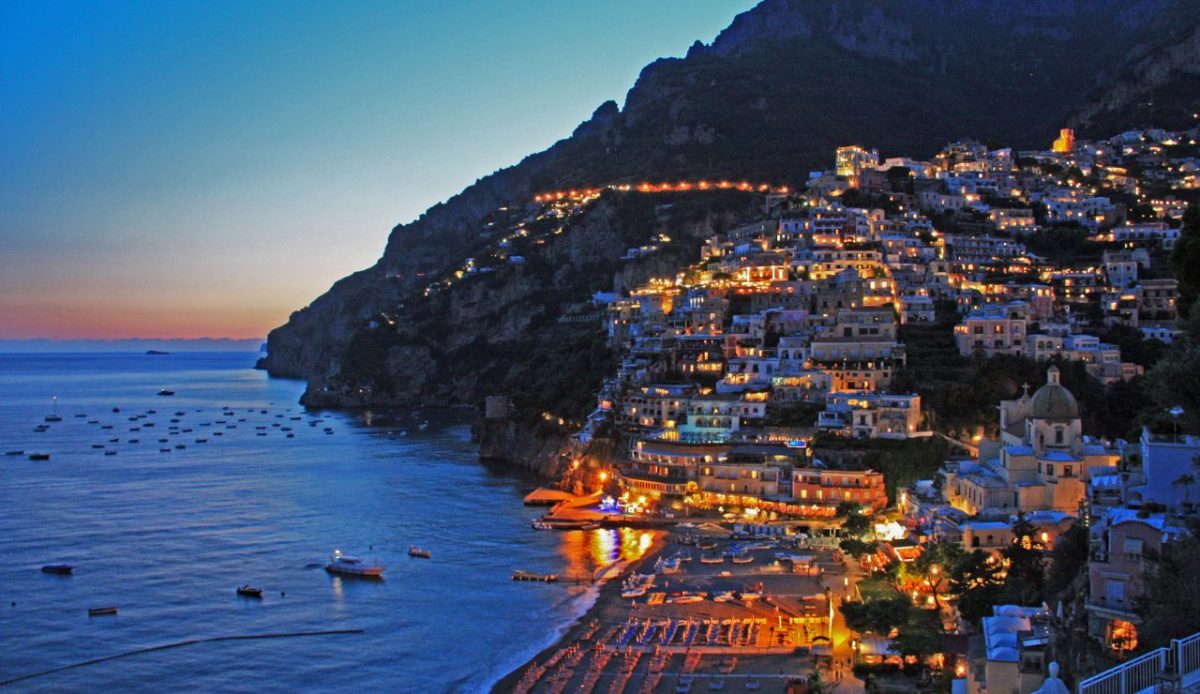
Positano is renowned for its pastel houses tumbling down cliffs, yet crowds, steep stairways, and premium prices can be overwhelming. Parking is limited, pathways are crowded, and dining near scenic viewpoints comes with steep charges. While photographs depict tranquil beaches and charming lanes, getting around the village demands effort and patience. Even everyday tasks or walking from the beach to hotels can feel more tiring than expected. The beauty remains, but accessibility and pricing challenges can frustrate visitors. Traveling in the off-season and planning carefully helps balance charm with practicality.
Carmel-by-the-Sea, California
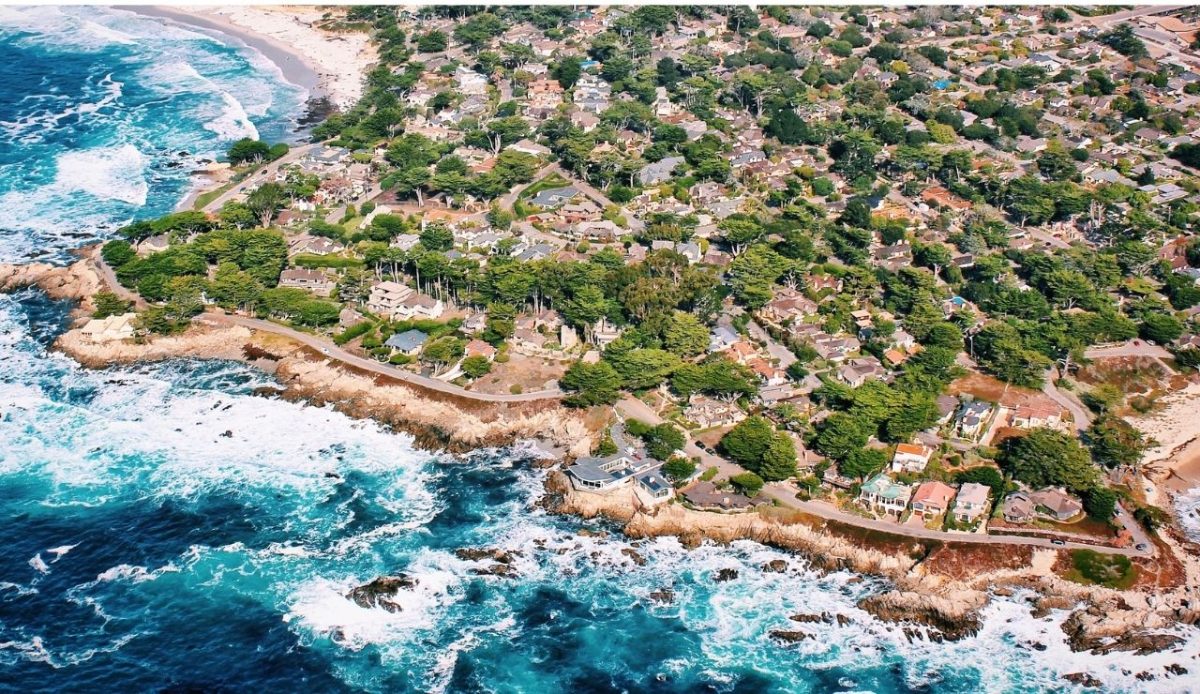
Carmel-by-the-Sea is celebrated for fairy-tale cottages and pristine coastline, yet narrow streets and tourist-oriented shops can dilute authenticity. Walking from downtown to the beach can take longer than expected due to winding paths and foot traffic. Popular neighborhoods often command premium lodging and dining, creating a gap between online impressions and reality. Visitors seeking quiet, spacious charm may feel underwhelmed. Despite these obstacles, the town remains beautiful. Timing visits during off-peak periods and exploring lesser-known areas can enhance the overall experience.