
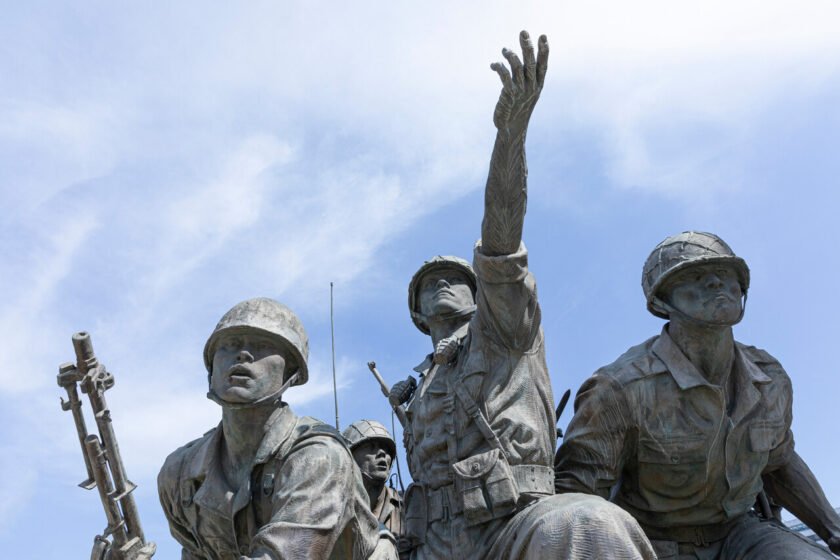
You probably recognize the loudest names from war history, the generals, the medal collectors, the figures turned into movies. What you may not realize is how many lives were saved, battles altered, or atrocities exposed by people whose names never made it into textbooks. When you read their stories, you see how war often turns on individual decisions made under impossible pressure. You also see how recognition does not always follow impact. These nine figures fought across different conflicts and continents, but they share one thing. Their actions mattered in ways that still ripple today, even if you have never heard their names. As you read, you may find yourself questioning how history decides who gets remembered and who fades quietly into the background.
1. Desmond Doss
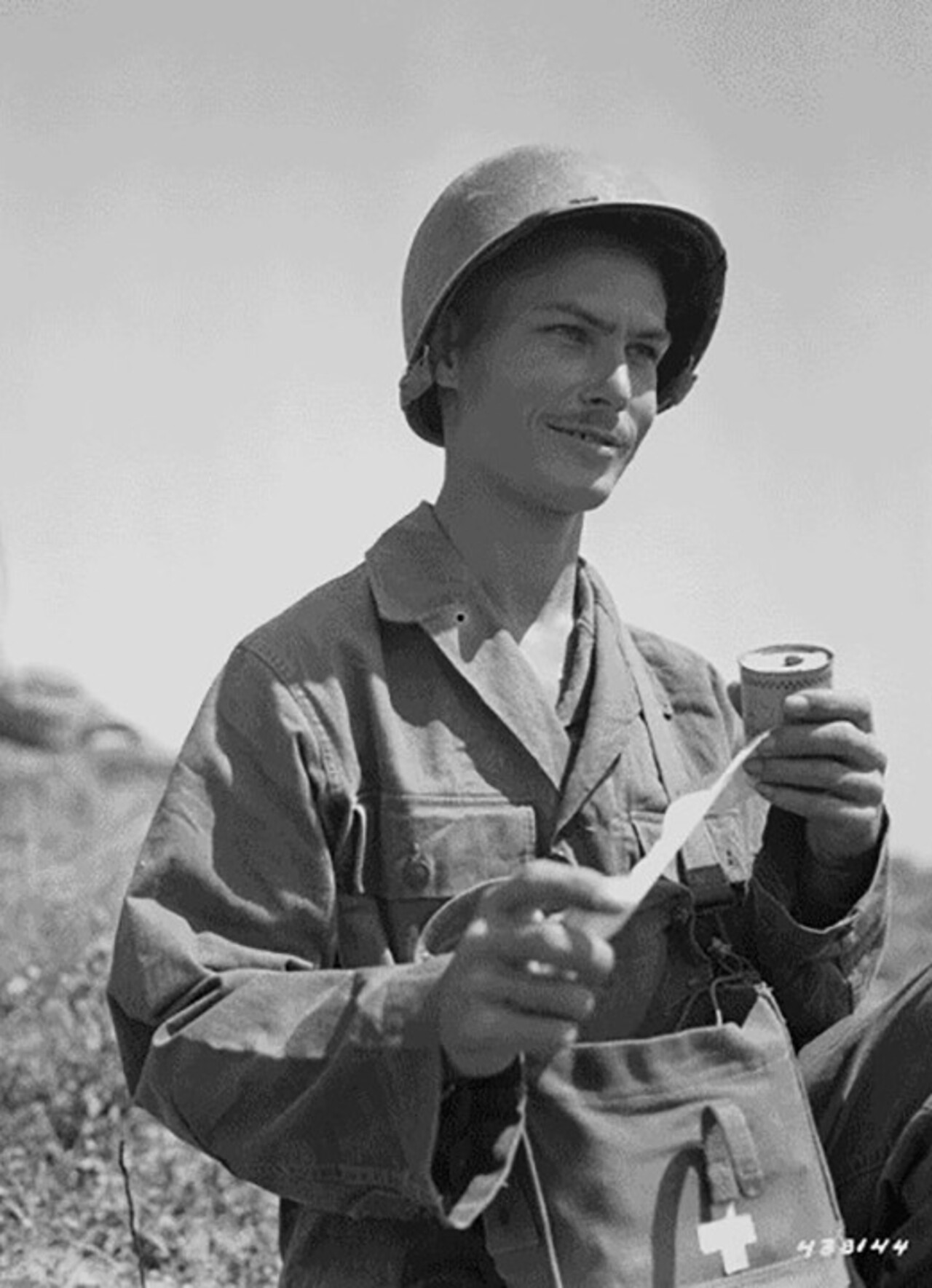
You may assume heroism in war requires carrying a weapon, but Desmond Doss proves otherwise. As a U.S. Army medic in World War II, you would find him charging into combat zones without a gun due to his religious beliefs. During the Battle of Okinawa, you would see him repeatedly lower wounded soldiers off a cliff under fire, saving an estimated 75 lives. Military records and Medal of Honor citations confirm his actions despite initial skepticism from fellow soldiers. What stands out is not just the number of lives saved, but your realization that courage can take a form that defies expectation. Doss faced ridicule, violence, and isolation from his own unit before earning their respect through action alone.
2. Noor Inayat Khan
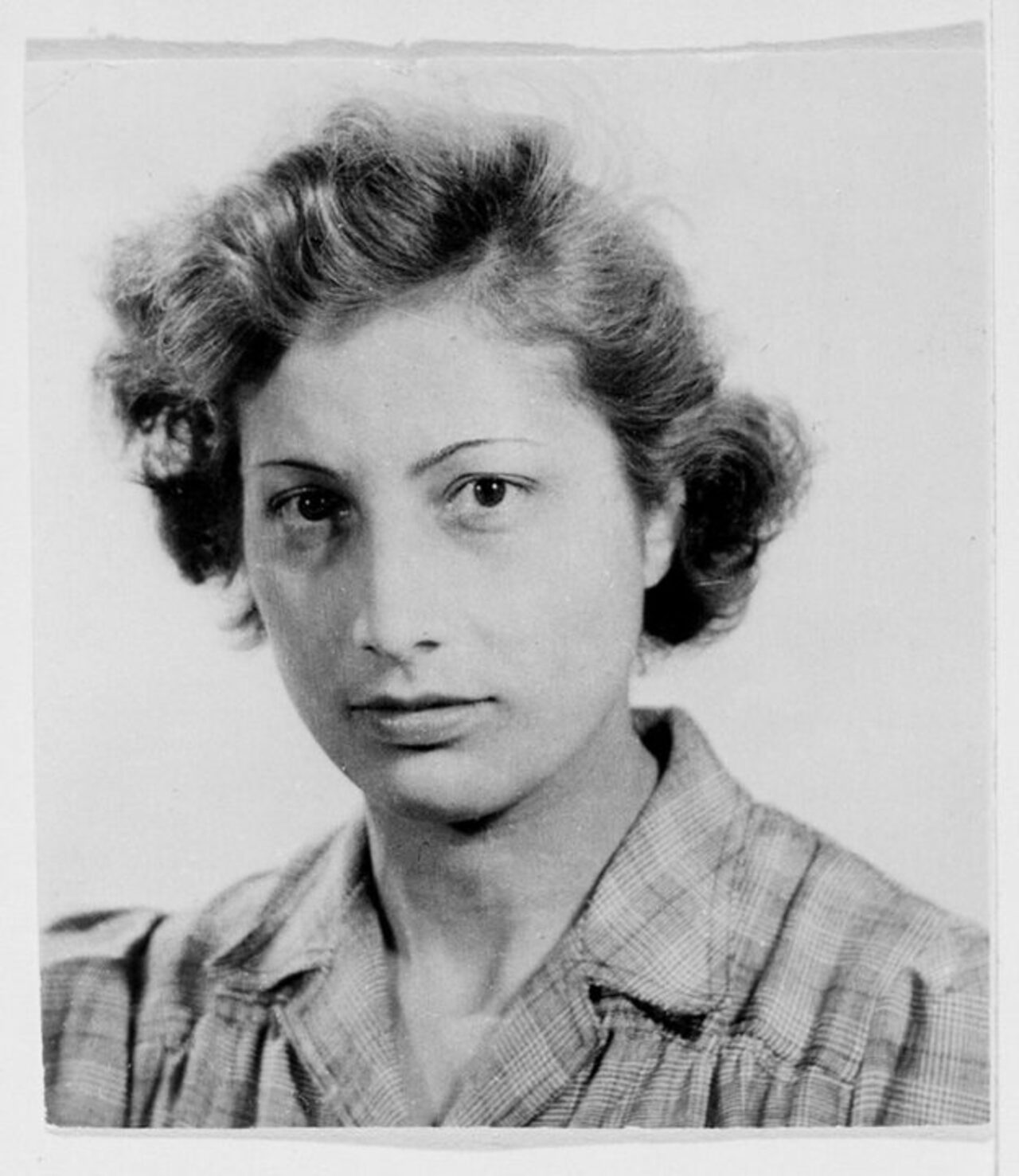
If you think espionage always looks glamorous, Noor Inayat Khan’s story forces a correction. As a British Special Operations Executive agent in occupied France during World War II, you would see her operating radio transmissions while being actively hunted by the Gestapo. After her network collapsed, she refused evacuation and continued working alone for months. British intelligence files and SOE records confirm she never betrayed her codes, even under torture. When you follow her path, you see a quiet kind of bravery rooted in persistence rather than spectacle. Her execution at Dachau ended her life, but her refusal to break protected countless resistance members.
3. Simo Häyhä
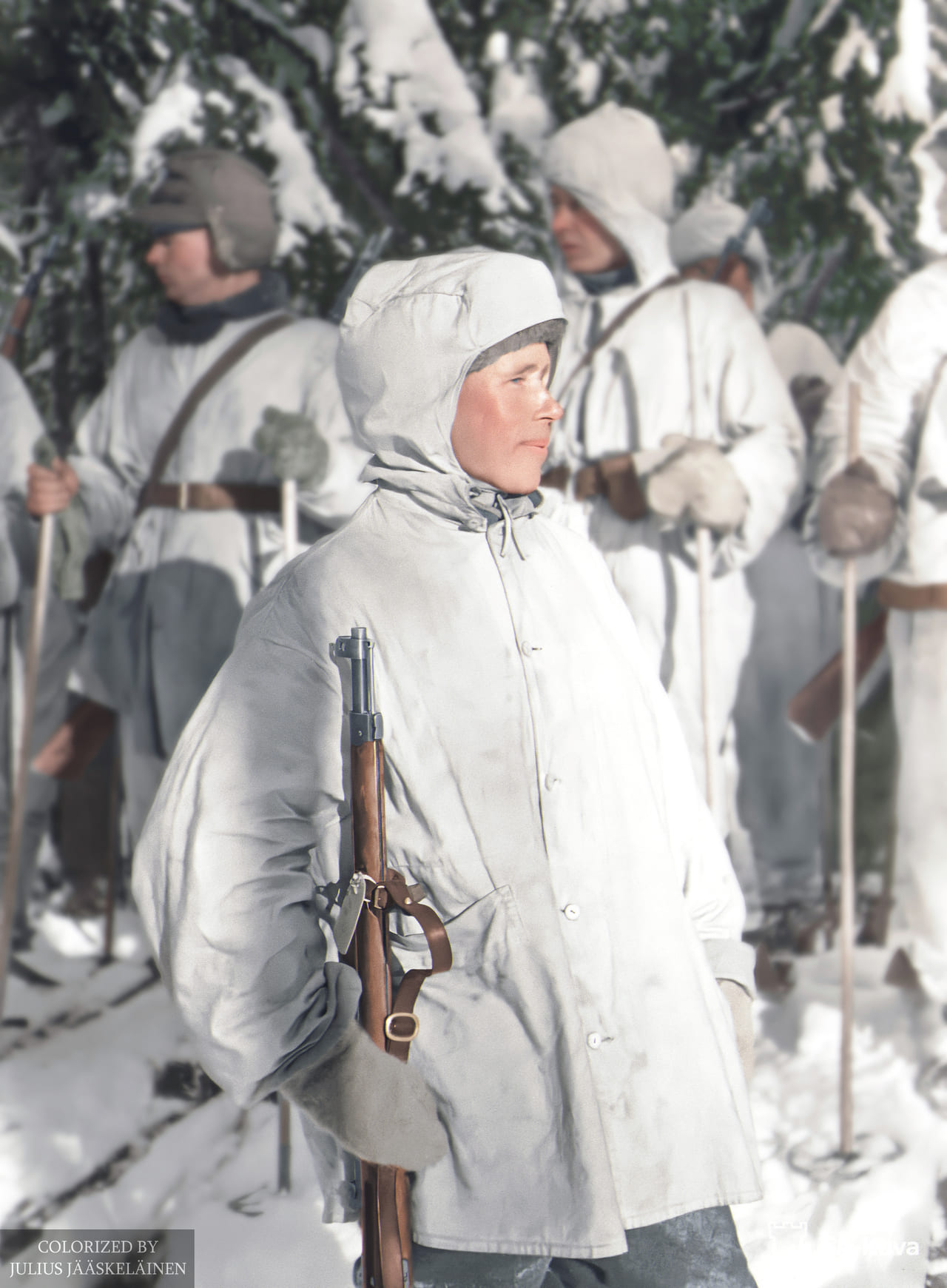
You may struggle to grasp how one person could change the course of a battlefield, but Simo Häyhä did exactly that. As a Finnish sniper during the Winter War against the Soviet Union, you would see him operate in extreme cold without a scope, relying on iron sights and camouflage. Finnish military records credit him with over 500 confirmed kills, making him one of the most effective snipers in history. What matters more is how his presence slowed enemy advances and boosted Finnish morale. You come away understanding how environment, discipline, and patience can outweigh superior numbers and equipment.
4. Virginia Hall
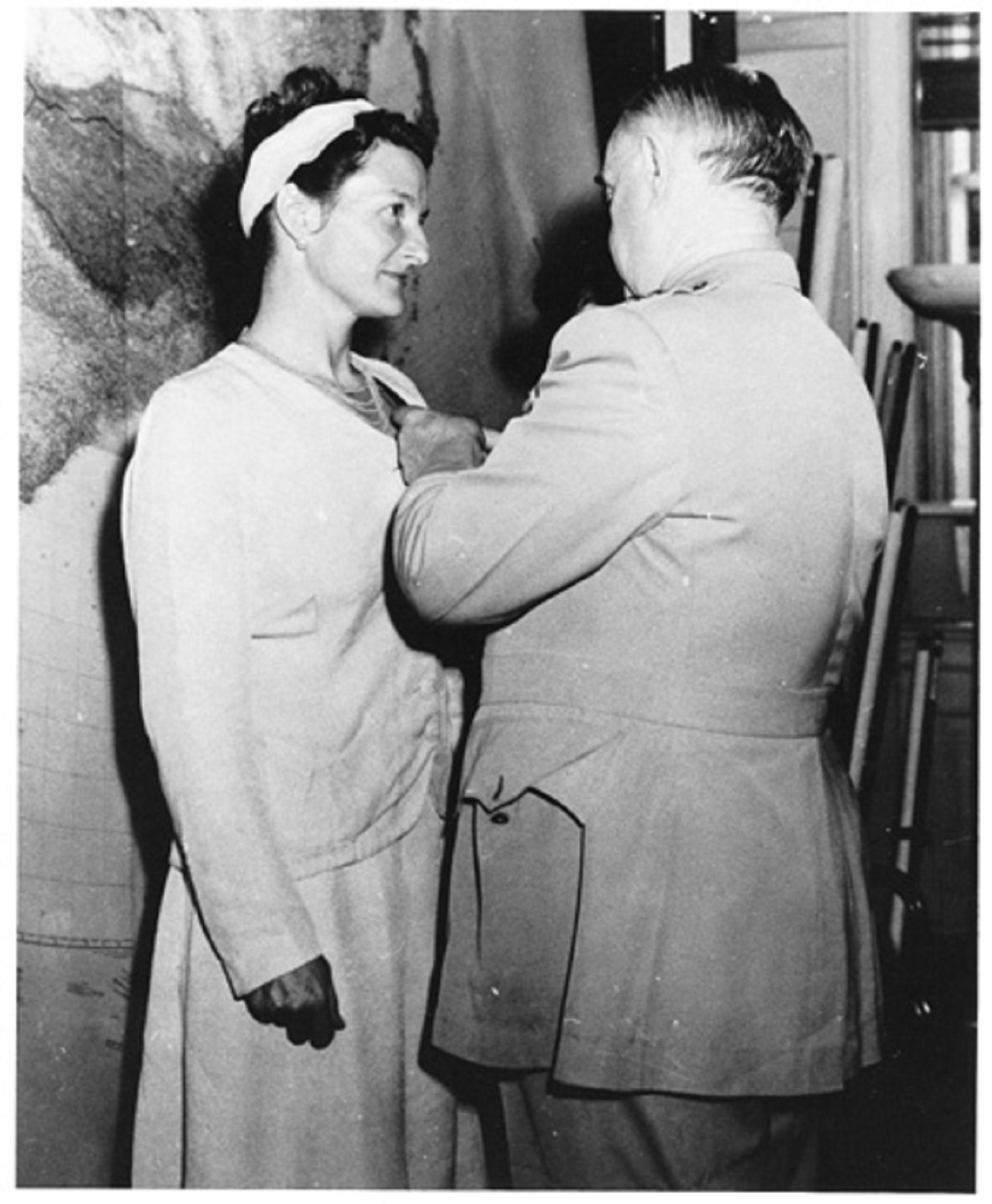
When you imagine resistance fighters, you may not picture someone with a prosthetic leg coordinating sabotage. Virginia Hall did exactly that in Nazi occupied France. Working for British intelligence and later the OSS, you would see her organize escape routes, train fighters, and gather intelligence while evading capture. German records labeled her one of the most dangerous Allied agents. When you read her story through declassified OSS documents, you understand how persistence and adaptability kept entire networks alive. Her disability never limited her effectiveness, and her operational success reshaped Allied intelligence methods.
5. Witold Pilecki
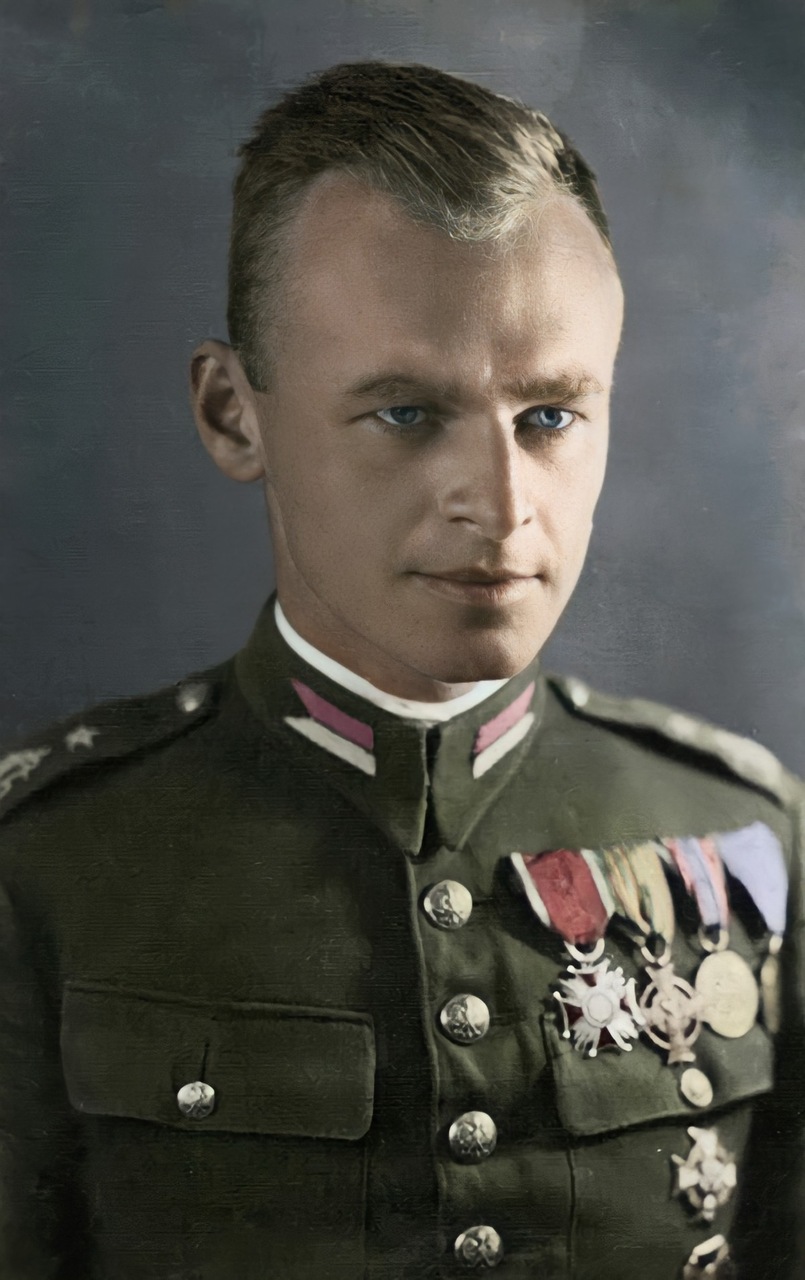
You might think no one would willingly enter a concentration camp, but Witold Pilecki chose to do exactly that. As a Polish resistance officer, you would see him volunteer to be imprisoned at Auschwitz to gather intelligence. Inside, he organized resistance cells and sent reports to the Allies detailing mass murder. Polish archives and Allied intelligence confirmations validate his accounts. When you look at his actions, you face the uncomfortable truth that early warnings existed but were not acted on. His execution after the war by a Soviet backed regime only deepens the injustice of his obscurity.
6. Lyudmila Pavlichenko
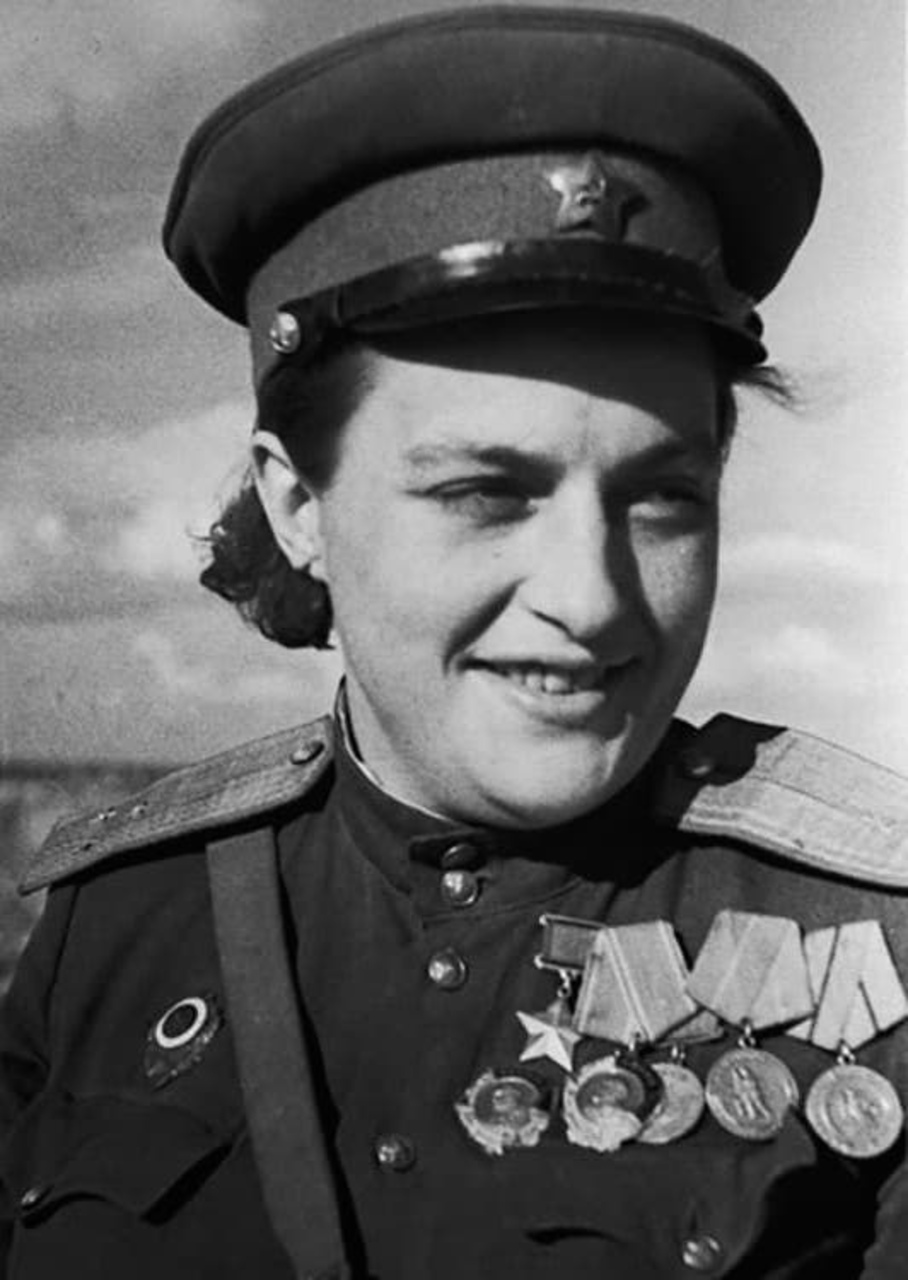
If you assume women rarely shaped combat outcomes, Lyudmila Pavlichenko challenges that belief directly. As a Soviet sniper in World War II, you would see her credited with 309 confirmed kills according to Red Army records. Beyond combat, you would find her used as a diplomatic figure, speaking in the United States to rally support for the Eastern Front. What stays with you is how her competence forced recognition in a deeply male dominated military culture. Her legacy reminds you that skill, not gender, decides effectiveness in war. When you look at her record, you also see how propaganda, battlefield reality, and personal courage intersected in a way few soldiers ever experienced.
7. Jack Churchill
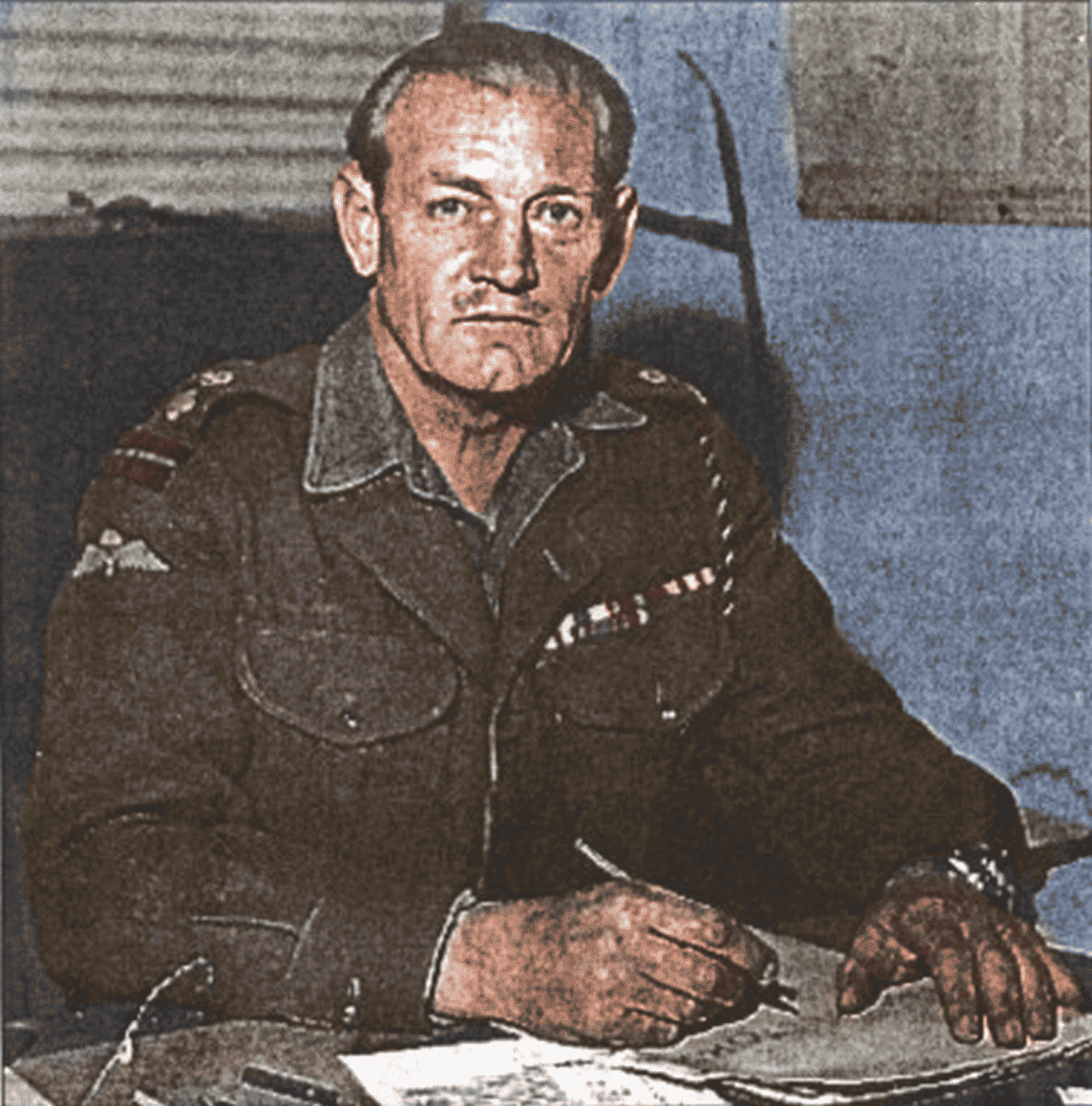
You may think stories of swords and bagpipes belong to myth, but Jack Churchill made them real in World War II. Serving with British commandos, you would see him lead raids armed with a longbow and sword, actions documented in British military records. His unconventional style boosted morale and intimidated enemies. When captured, he escaped repeatedly, reinforcing his reputation as unpredictable and relentless. What his story shows you is that psychological impact matters in combat. Confidence and audacity can become weapons when used deliberately and consistently. You also see how refusing to conform can disrupt enemy expectations and tilt situations before a single shot is fired.
8. Nancy Wake
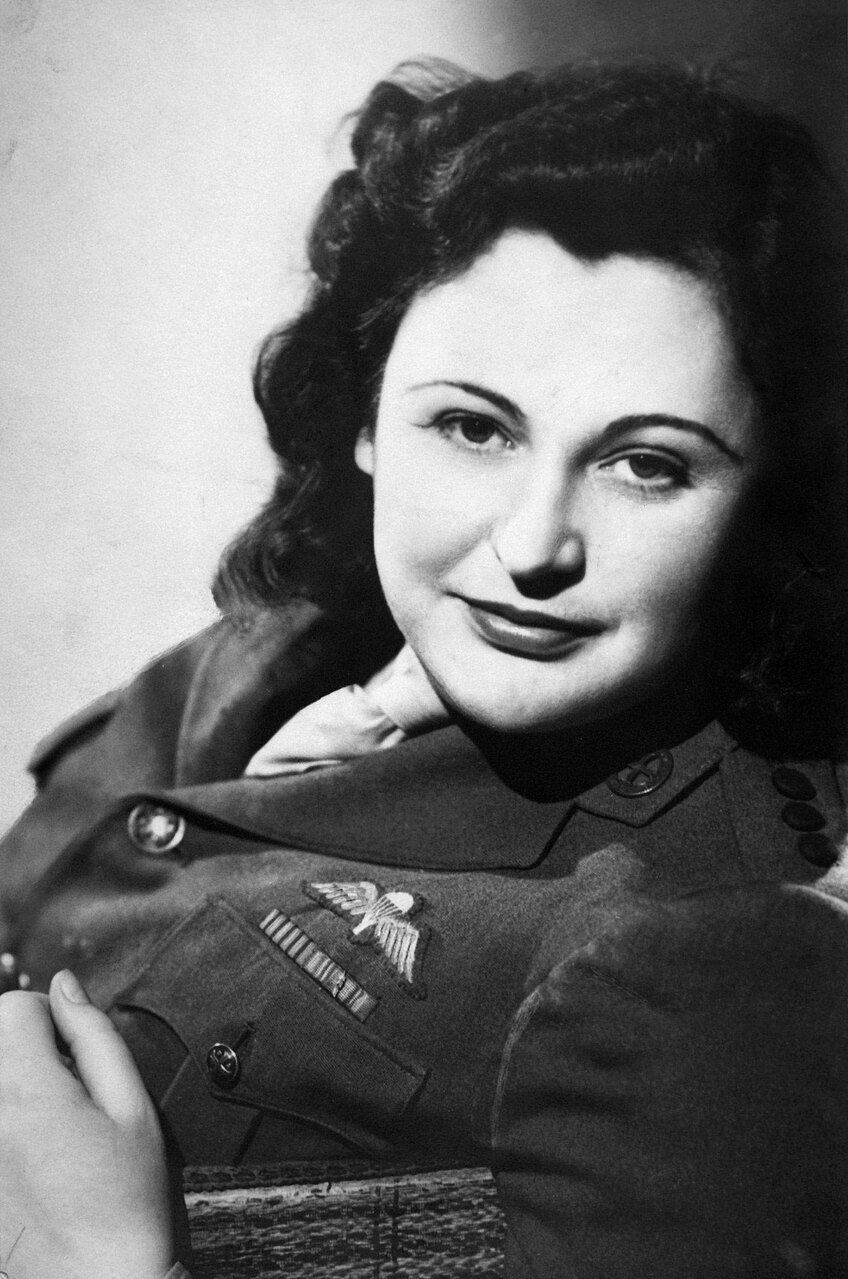
If you believe resistance networks survive on caution alone, Nancy Wake’s story complicates that idea. As a key Allied operative in occupied France, you would see her coordinate sabotage, arms drops, and guerrilla warfare. Gestapo files listed her as a top target due to her effectiveness. Through SOE documentation, you learn how her leadership held fractured groups together under constant threat. Her actions saved lives and disrupted enemy logistics. What you take away is how charisma and decisiveness can unify people even when survival feels uncertain. You also see how speed and bold decision making often mattered more than perfect planning in underground warfare.
9. Audie Murphy
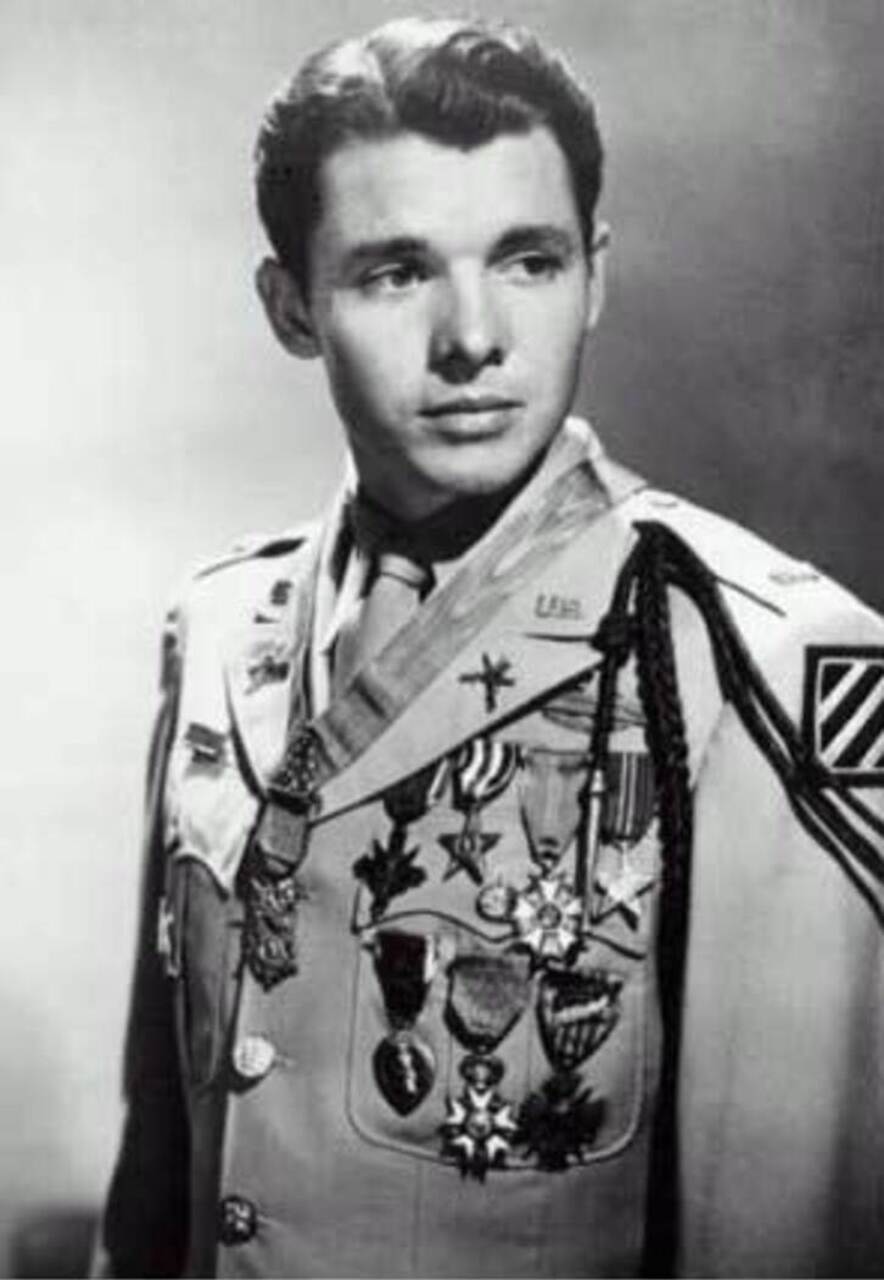
You may know Audie Murphy as a decorated soldier, but you likely overlook how close he came to being forgotten. Rising from extreme poverty, you would see him repeatedly volunteer for front line action in World War II. U.S. Army records detail his single handed defense against a German attack while wounded, actions that earned him the Medal of Honor. Beyond medals, his post war struggles with trauma reveal the cost of heroism. His story forces you to consider how recognition does not erase the lasting psychological impact of war. You also see how many veterans carried their hardest battles home, long after the fighting officially ended.