
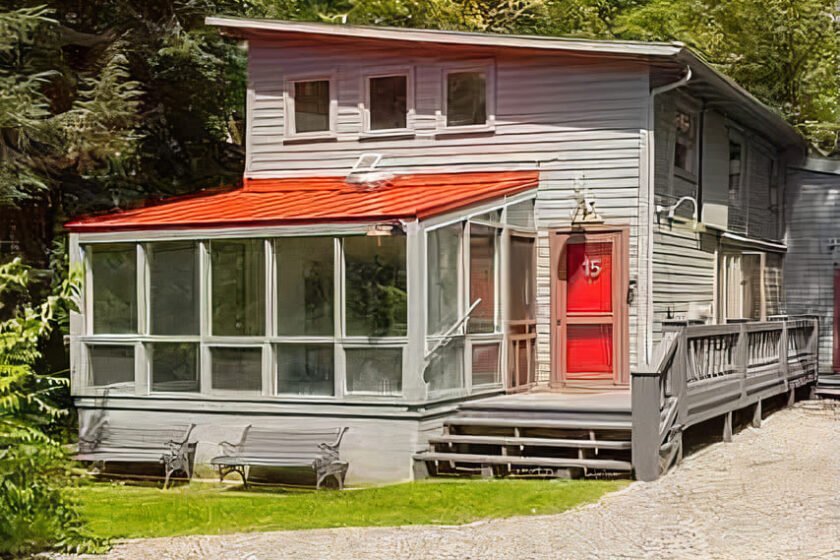
Renovating a historic home is a journey that intertwines the preservation of the past with the incorporation of modern conveniences.
This delicate balance requires thoughtful planning, respect for the home’s original character, and a deep understanding of both its historical and architectural significance.
The goal is to breathe new life into the home while preserving the essence that makes it unique.
Understanding Historical Significance
Before embarking on any renovation project, it’s crucial to research and understand the historical significance of your home.
This involves identifying the architectural style, the period it was built in, and any notable features that contribute to its historic value.
Consulting with local historical societies or hiring a preservation consultant can provide insights into the home’s background and guidance on appropriate restoration practices.
Navigating Regulations
Renovating a historic home often comes with a set of regulations designed to protect the property’s historical integrity.
These can include restrictions on exterior changes, requirements for using specific materials, and sometimes limitations on interior modifications. Familiarize yourself with the local, state, and federal preservation laws and obtain all necessary approvals before proceeding with your renovation plans.
Incorporating Modern Conveniences
The challenge of renovating historic homes lies in integrating modern conveniences without compromising their historic character.
This can include updating electrical systems, plumbing, heating, and cooling, as well as adding modern insulation for energy efficiency. It’s important to approach these updates with sensitivity to the original design, using hidden installations or choosing fixtures that complement the home’s period.
Selecting Materials and Craftsmanship
Choosing the right materials and craftsmanship is vital for maintaining the authenticity of your historic home.
Wherever possible, preserve original materials or use historically accurate replacements. This might mean sourcing reclaimed wood, matching existing brickwork, or employing artisans skilled in traditional construction techniques. The authenticity of materials and attention to detail will ensure that renovations honor the home’s heritage.
Planning and Execution
Successful renovation projects start with thorough planning.
Develop a comprehensive plan that outlines the scope of work, budget, and timeline, prioritizing repairs and updates that are critical to the home’s structural integrity and historical value.
Engage contractors and specialists with experience in historic renovations who understand the importance of preserving historical details while meeting contemporary needs.
Renovating a historic home offers the rewarding opportunity to serve as a caretaker of history. By balancing modernity and authenticity, you can create a living space that honors the past while embracing the present and future.