
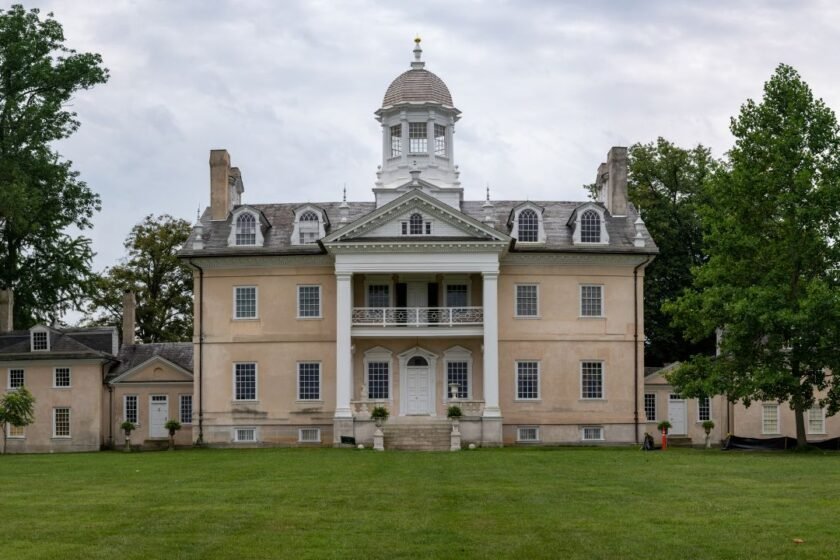

Federal architecture emerged as a distinct style in the United States during the late 18th and early 19th centuries, drawing inspiration from classical European architecture while blending elements that were uniquely American. This style reflects the growing sense of national identity and pride after the American Revolution. Characterized by its simplicity, symmetry, and elegance, Federal homes are designed to convey both beauty and strength. With its graceful proportions and refined details, Federal architecture has left an enduring mark on American residential design. The following 15 details define the Federal style and offer a glimpse into the heritage and charm that still captivate homebuyers and architects today.
Symmetrical Facade

The symmetrical facade of Federal-style homes is one of the most striking features, emphasizing order and balance. Each element—doors, windows, and rooflines—aligns perfectly along a central axis, offering a harmonious and organized appearance. This symmetry reflects the ideals of stability and unity that were essential to early American society. The central doorway often becomes the focal point, drawing attention with decorative elements such as a fanlight or sidelights. These symmetrical details not only add to the aesthetic appeal but also reinforce the sense of harmony that the Federal style strives to evoke. This balanced design was considered both practical and aspirational during the formation of the United States, symbolizing the new republic’s ideals.
Classical Columns

Classical columns are a defining feature of Federal-style homes, often seen at the front entrance. Inspired by Greek and Roman temples, these columns symbolize strength, democracy, and the lasting nature of the nation. Columns in Federal architecture are typically simple and elegant, with plain or fluted shafts topped by capital designs that evoke a sense of antiquity and cultural refinement. Whether they frame the front doorway or create a portico, columns lend the home a dignified and stately presence. This classical element ties the Federal style to the neoclassical ideals of the time, promoting values of stability, beauty, and order as key components of the young American nation.
Decorative Entablature

A decorative entablature is a key detail in many Federal homes, often crowning the doorways and windows. This horizontal band of moldings adds a sense of elegance and completeness to the structure. The entablature often features intricate carvings or other embellishments, reinforcing the classical influence that defines the Federal style. This decorative detail serves not only as a visual accent but also to break up the lines of the roofline or doorframe, adding dimension and texture. By incorporating these elements, the Federal style emphasizes sophistication and grandeur. The entablature ties together the architectural elements, enhancing the overall aesthetic and conveying a sense of cultural and architectural achievement.
Brick Facade

The brick facade of Federal-style homes is a defining feature, symbolizing strength and permanence. Brick was a preferred material in early American homes as it represented durability and resilience. The bricks are often laid in a simple yet attractive pattern, such as a Flemish bond, which contributes to the refined appearance of the home. Reddish or tan brick hues add warmth to the exterior, contrasting beautifully with the white trim for a timeless and elegant look. The brickwork not only reinforces the sense of permanence but also speaks to the craftsmanship and care that went into building these homes, reflecting the pride of early American builders.
Fanlights and Sidelights

Fanlights and sidelights are distinctive features of Federal-style entryways. The fanlight, a semicircular or elliptical window above the door, is often adorned with radiating muntins that evoke a sense of lightness and grandeur. Paired with narrow sidelights on either side of the door, these features allow natural light to flood the entryway, creating an inviting and airy atmosphere. The fanlight and sidelights serve not only as functional elements to enhance illumination but also as key aesthetic components that highlight the beauty of the door. These architectural details reflect the growing interest in aesthetics and the importance of natural light in early American homes, enhancing the overall charm of Federal residences.
Palladian Windows

Palladian windows are one of the most iconic features of Federal-style architecture, often seen in the larger, more grandiose homes of the era. These windows are composed of a central arched window flanked by two smaller rectangular windows. This arrangement, inspired by the designs of Italian architect Andrea Palladio, reflects classical symmetry and grandeur. The Palladian window creates a central focal point on the façade, elevating the structure’s visual appeal. These windows are not only aesthetically pleasing but also practical, allowing ample light and air into the home. They contribute to the stately and dignified appearance of the Federal home while reinforcing its classical influences and grandeur.
Federal-Style Rooflines

The rooflines of Federal-style homes are characterized by their low-pitched, gable-ended design, contributing to the clean and simple lines of the structure. These roofs are typically unadorned, reflecting the Federal style’s emphasis on restraint and understated elegance. While most Federal homes feature a straightforward roofline, some may include decorative elements like a small cupola or a central chimney to add interest. The simplicity of the roof design highlights the home’s other architectural details, allowing the focus to remain on the symmetrical facade and classical features. This simplicity aligns with the neoclassical influences of the Federal style, where beauty is found in proportion and balance rather than excessive ornamentation.
Grand Entrance

The entrance is one of the most important features of a Federal-style home, often showcasing a beautifully designed door surrounded by decorative elements. Federal doors are typically made of wood and painted in deep, rich colors, often complemented by brass hardware for an added touch of sophistication. The door may be adorned with intricate moldings and sometimes features a transom window or small fanlight above. A decorative surround, including sidelights and a well-crafted frame, draws attention to the entrance, welcoming visitors with both warmth and grandeur. These elements combine to create a striking focal point that sets the tone for the home’s interior design.
Geometric Elegance

Geometric patterns are a hallmark of Federal-style ornamentation, adding visual interest and a sense of balance to the home’s design. These patterns can be seen in various details, including moldings, cabinetry, and fireplaces. Shapes like circles, diamonds, and squares are used to create a refined, orderly aesthetic that reflects the classical ideals of symmetry and proportion. These geometric motifs are often finely crafted and serve as subtle yet impactful accents throughout the home. By incorporating such designs, Federal homes maintain a sense of elegance and sophistication, while also celebrating the ideals of order and harmony that were central to early American culture.
Use of Light and Airy Colors

Federal-style interiors typically feature light and airy colors, using soft shades of white, cream, and pastels to create a bright and welcoming atmosphere. These colors reflect the growing importance of natural light during the period, allowing sunlight to flood the rooms and enhance the home’s sense of openness. The use of light colors also helps to highlight the architectural details and furnishings without overwhelming them. This understated color palette aligns with the Federal style’s emphasis on simplicity and elegance, providing a serene environment that is both functional and aesthetically pleasing.
Classic Landscaping

Federal-style homes are often accompanied by carefully planned gardens that reflect the era’s appreciation for order and beauty. These gardens tend to have formal layouts, with symmetrical paths, neatly trimmed hedges, and ornamental features like fountains or statues. The landscaping complements the architectural style of the home, creating a seamless transition from the interior to the outdoors. Boxwood hedges and carefully arranged flower beds often add structure and elegance to the space, while decorative elements contribute to the sense of refinement. The attention to detail in the garden’s design mirrors the careful craftsmanship of the home itself, emphasizing the American ideals of beauty, balance, and harmony.
Delicate Trim Work

Delicate trim work is a hallmark of Federal-style interiors, showcasing fine craftsmanship and understated beauty. Narrow yet intricately detailed, the trim on baseboards, door frames, and window casings often features elegant moldings or carvings. Enhancing the home’s sophistication, it complements grander architectural elements like columns and fanlights without overpowering them. This refined detailing reflects the Federal style’s commitment to balance, grace, and quality craftsmanship.
Ornate Fireplaces

Ornate fireplaces are an essential part of Federal-style homes, often featuring intricately carved mantels that serve as a focal point in the room. These mantels are typically decorated with classical motifs such as garlands, urns, and columns, reflecting the influence of neoclassical architecture. A fireplace not only provides warmth but also serves as a central gathering place within the home. The attention to detail in these mantels underscores the Federal style’s emphasis on both functionality and beauty. Fireplaces in Federal homes are designed to blend seamlessly with the overall aesthetic, contributing to the home’s sense of elegance and sophistication while providing an inviting atmosphere.
Elegant Staircases

An elegant staircase is a prominent feature in many Federal-style homes, often placed near the entrance to create a graceful and welcoming focal point. The staircase is typically designed with fine craftsmanship, featuring carefully crafted wooden balusters and handrails. These staircases often have a sweeping or curved design that adds movement and fluidity to the space. The design of the staircase reflects both the functionality and elegance of Federal homes, allowing for both aesthetic appeal and easy access to upper levels. This architectural feature not only enhances the visual appeal of the home but also showcases the wealth and taste of its inhabitants.
Symmetry in Interior Design

Symmetry is an important principle in Federal-style interiors, creating a sense of balance and harmony throughout the home. Rooms are often arranged with identical pairs of windows, mirrors, or furniture on either side of a central feature, such as a fireplace or artwork. This approach to interior design reflects the neoclassical ideals of order and proportion, emphasizing the importance of balance in form and function. Symmetry in Federal-style homes enhances the visual flow of the space, creating an environment that feels both inviting and stately. This design element serves to maintain a sense of unity and refinement throughout the interior of the home.