
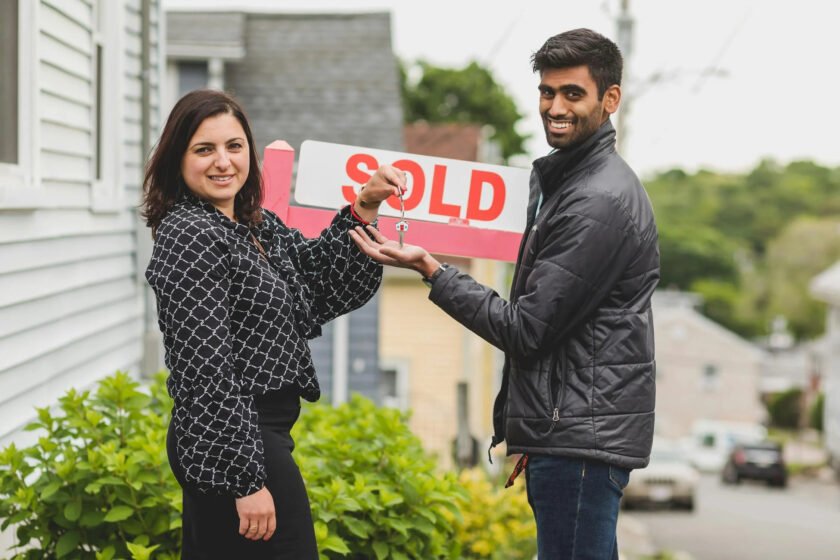

Despite persistent economic challenges and rising borrowing costs, a new survey indicates that millennials are increasingly determined to enter the housing market. Unlike other age groups, Millennials are the only generation to show a notable rise in home-buying interest this spring. Here’s a breakdown of what the survey from Realtor reveals about today’s housing market dynamics.
Read: Renter-Protection Bills Face Resistance from Landlords, Developers
Millennials Buck the Trend

In a surprising shift, Millennials are the only generation with increased interest in home buying. Their intent to purchase a home in the next six months rose from 15% in September 2024 to 23% in April 2025. This jump stands out in a market where 69% of Americans overall do not plan to engage in any real estate transactions soon.
Also read: Miami-Dade Property Values Slow as Market Shows Signs of Cooling
Mortgage Rates Still a Major Obstacle

High mortgage rates remain a top concern for many prospective buyers. About one-third of survey respondents say they’ve delayed buying a home due to elevated rates. This figure is consistent with last year’s data, indicating little improvement in affordability conditions. Most buyers, including Millennials, are hesitant to act unless rates drop significantly.
Also read: How to Handle Landlord Issues and Get Repairs Done
Younger Buyers Feel the Pinch

Over half of Millennials and Gen Z respondents reported delaying their purchase plans because of mortgage rates. Gen Z, in particular, has shown increased reluctance, with more of them opting to renew leases instead of entering the housing market. The cost of borrowing is hitting these younger groups the hardest.
Also read: Landlord Pays $685,000 to Settle Tenant Harassment in California
Boomers Less Affected by Rates

While younger generations worry about rates, Baby Boomers appear less sensitive to them. Forty-one percent of Boomers say mortgage rates do not affect their decision to buy. In contrast, a mere 2% of all survey respondents say they would buy a home if rates exceed 6%, showing that rate tolerance remains very low across the board.
Also read: Trump Admin Proposes Budget Cut for Ohio’s Fair Housing Program
Buyers Seek Rates Below 5 Percent

The majority of home shoppers, around 63%, say they’re waiting for mortgage rates to dip below 5% before making a move. This benchmark reflects a significant gap between current borrowing costs and buyer expectations, highlighting the pressure on policymakers and lenders to improve affordability.
Also read: Trump’s Policies at Risk of Worsening Housing Affordability Crisis
Personal Savings Drive Most Purchases

Despite high home prices and borrowing costs, 57% of recent homebuyers used personal savings to finance their purchases. Additionally, 15% turned to retirement funds or personal investments, and 12% relied on loans or gifts from family. Among those planning to buy, 25% expect to dip into their retirement accounts or investments.
Also read: 200-Year-Old Windmill Converted to Family Home Hits Market for £900,000
Locked-In Effect Freezes the Market

A major factor stalling the housing market is the “lock-in effect.” Many homeowners with low existing mortgage rates feel stuck and are unwilling to trade up or relocate with higher borrowing costs. This situation is especially challenging for first-time buyers who lack equity to offset the higher costs.
Also read: New York City Brokers Fight Law Banning Fees for Renters
Life Changes May Shift the Market

Experts suggest that, despite the lock-in effect, life events such as growing families, job relocations, and retirements will eventually push more people to buy. Realtor analysts expect the pressure from these factors to gradually reduce the impact of high mortgage rates over time.
Also read: Renter-Protection Bills Face Resistance from Landlords, Developers
Sellers Also Watch Rates Closely

According to the survey, half of homeowners who are considering selling feel trapped by their current mortgage rate. Among those who believe rates will rise, 43% say this makes them more likely to list their property. Meanwhile, 69% of those expecting rate cuts say they’d be more inclined to sell if rates decline, underscoring how rate expectations shape market activity on both sides.