
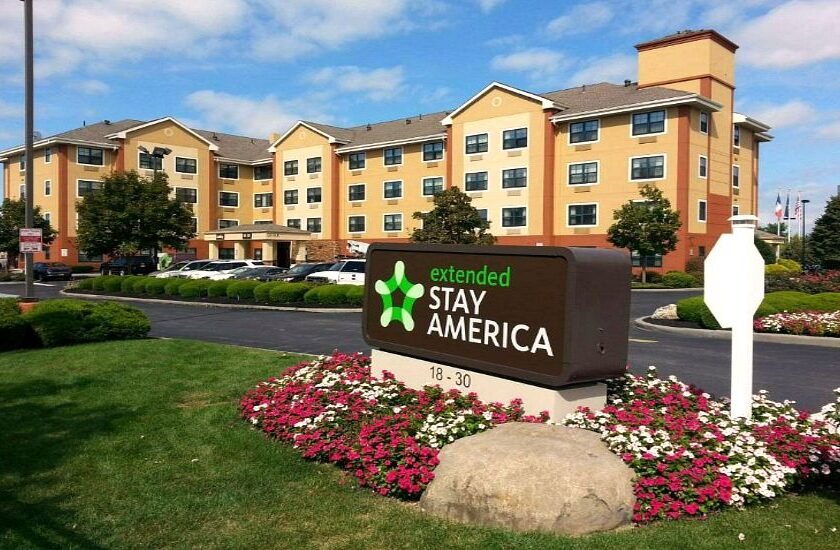

The city of Torrance is at the forefront of a complex housing debate as it navigates a plan to convert a local hotel into homeless housing. Recent appraisals present a sobering challenge in assessing the value and feasibility of transforming existing properties to accommodate vulnerable populations.
Situated in Los Angeles County, Torrance is grappling with housing shortages and rising homelessness numbers. The city’s efforts form part of a broader California strategy aiming to alleviate the growing homeless crisis across the state.
This report delves into the appraisal challenges and the financial implications surrounding the project, providing a detailed examination of local and statewide initiatives addressing the housing crisis.
Torrance Hotel Conversion Plan
In an innovative move, Torrance plans to convert a hotel into housing for the homeless, underpinned by state-funded initiatives like Project Homekey. This conversion aims to provide immediate housing solutions as traditional housing construction lags.
The hotel conversion is one of several such initiatives across California, seeking to utilize existing structures more effectively. The strategy involves assessing hotels that are no longer financially viable as tourist accommodations and repurposing them into supportive housing units.
Project Homekey has allocated significant funding to assist municipalities in these conversion efforts. The initiative offers financial and operational support, helping cities like Torrance address homelessness more efficiently and sustainably.
Appraisal Dispute Issues
Appraisal disputes have arisen as a major hurdle in the Torrance hotel conversion project. Disagreements over property valuations complicate negotiations between city officials, property owners, and potential developers.
Appraisers are tasked with conducting thorough evaluations, considering the current market conditions and projected future value post-conversion. However, these assessments often highlight discrepancies that can stall or derail plans.
Torrance faces a critical challenge in aligning appraisals with project goals while ensuring fair compensation for property owners. The city’s ability to resolve these disputes will significantly impact the project’s timeline and overall success.
Cost of Homeless Housing
Transforming hotels into homeless housing involves substantial financial commitments. Beyond purchase and appraisal costs, cities must budget for renovation, maintenance, and operational expenses.
The conversion cost per unit can vary widely, influenced by factors such as the building’s age, current condition, and necessary upgrades to meet safety and habitability standards. These costs are juxtaposed against potential long-term savings from reduced emergency service demands.
Local governments often collaborate with state bodies and non-profits to secure funding and minimize financial burdens. These partnerships are crucial to balancing upfront expenses with the anticipated social and economic benefits of reducing homelessness.
California’s Tiny House Initiative
Complementing hotel conversions, California is promoting tiny house initiatives as an alternative solution for housing the homeless. These compact homes offer a cost-effective and flexible option for temporary to permanent housing needs.
Tiny houses can be quickly erected on available land, providing a rapid response to urgent housing shortages. They are celebrated for their lower construction costs and reduced environmental impact.
California’s initiative is part of a broader trend embracing diverse housing solutions to address the multifaceted homelessness issue. By integrating tiny houses with other strategies, the state aims to develop a comprehensive approach to ending homelessness.
Public Housing Proposals
Torrance, California, has been discussing new public housing proposals aimed at alleviating homelessness. As of 2023, the city council introduced plans to build multiple affordable housing units across various sites. This initiative aligns with broader state mandates to address homelessness through increased legal obligations on local municipalities.
The proposed housing projects include mixed-use developments that integrate residential and commercial spaces. These sites are strategically located in areas with access to public transportation and essential services to enhance residents’ quality of life. According to city planners, the goal is to construct approximately 200 new housing units over the next five years.
Public feedback has been a critical component of these proposals. During recent city council meetings, residents expressed concerns over potential increases in traffic and changes to neighborhood aesthetics. However, city officials emphasize that community input will shape the final design and scale of these developments. They are committed to ensuring that these projects not only address immediate housing needs but also preserve the character of Torrance’s neighborhoods.
Local Government Budget Impact
The financial implications of the new housing proposals in Torrance are significant. The local government has allocated an estimated $50 million from its budget to kickstart these projects, with plans to secure additional state and federal funding. This investment represents one of the city’s most substantial commitments to housing in recent years.
Budget allocation prioritizes construction costs, land acquisition, and infrastructure improvements. The city also anticipates an increase in operating costs associated with managing these facilities, including staffing and maintenance expenses. Local government leaders are thus working closely with financial advisors to ensure that funds are efficiently utilized.
In parallel, Torrance is exploring policy adjustments to optimize resource distribution. Tax incentives for developers and streamlined permitting processes are under consideration to facilitate the swift rollout of new projects. The city’s budget strategy reflects a balancing act between fiscal responsibility and the urgent need to expand its housing stock to support homeless individuals effectively.