
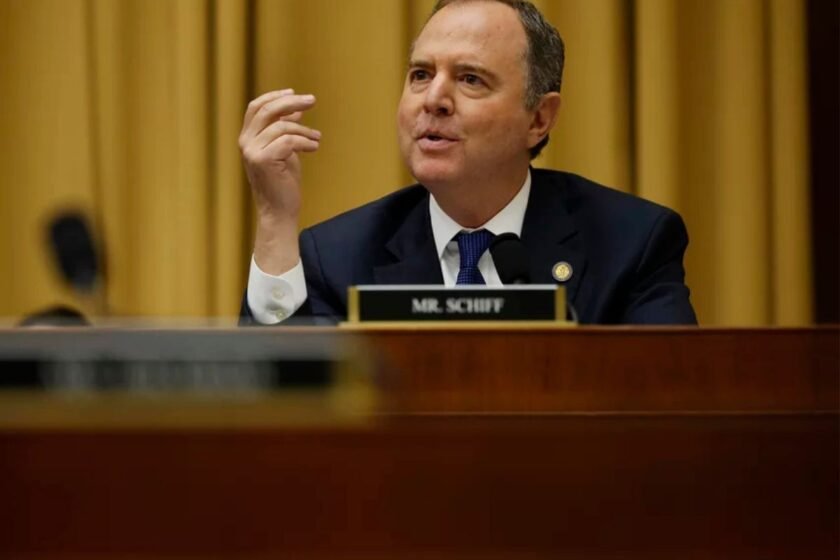

Representative Adam Schiff is at the center of mortgage fraud allegations that have sparked significant attention across the country. These claims come amidst an already heated political climate and have raised questions about the intersection of political power and financial integrity.
Mortgage fraud involves the distortion or misrepresentation of information to obtain a mortgage loan or application approval. The real estate market, with its complex financial transactions, remains vulnerable to such fraud, impacting both lenders and borrowers.
Adam Schiff Investigation Overview
The investigation into Adam Schiff dates back to allegations first raised by unnamed sources within the financial sector. Led by federal authorities, the probe seeks to determine whether Schiff engaged in fraudulent activities concerning mortgage applications.
Preliminary findings suggest there might be discrepancies in reported information on mortgage documents linked to entities associated with Schiff. This investigation is part of a broader effort by authorities to crack down on fraudulent practices within mortgage markets.
Authorities have maintained a veil of secrecy over detailed findings, adhering to procedural norms that prevent the release of information until clear evidence is established. The investigation remains ongoing, with no charges yet filed.
Mortgage Fraud Claims Explained
Mortgage fraud can manifest in various forms, and Schiff’s allegations reportedly involve misrepresentation on mortgage applications. This could involve falsifying financial information or inflating property values to secure a more favorable mortgage rate.
Central to the claims are purported inconsistencies in income statements and asset declarations tied to mortgage dealings. Such discrepancies, if proven, can undermine the trust and security fundamental to the financial system.
The scrutiny highlights a broader issue within the real estate industry, where fraud can result in significant financial losses and destabilize markets. Past cases have demonstrated the ripple effects fraudulent activities can have on lenders and communities.
Political Controversy Unfolds
The allegations against Schiff have quickly become a point of contention in political circles, with partisan lines drawn over the investigation’s implications. Schiff, a prominent figure in the Democratic Party, faces criticism from political opponents leveraging the situation to question his integrity.
This controversy plays out against the backdrop of an already polarized political environment, where any legal proceeding may be perceived through a partisan lens. Schiff has publicly denied any wrongdoing, emphasizing transparency and cooperation with ongoing investigations.
The situation underscores the broader tensions between political accountability and media portrayals, as narratives unfold based on limited available facts.
Possible Legal Consequences
If the investigation results in formal charges against Schiff, it could lead to a series of legal and political ramifications. Mortgage fraud is a serious offense with potential penalties including significant fines and imprisonment.
The legal process would entail painstaking examination of financial documents and witness testimonies, possibly taking months or years before reaching a conclusion.
On a political level, charges could impact Schiff’s career, influencing public perception and potentially affecting his future political roles. Legal proceedings might also prompt legislative reviews of mortgage regulations, aiming to tighten controls and prevent similar frauds.
Senate Ethics Under Scrutiny
Allegations of mortgage fraud against Adam Schiff are placing Senate ethics under intensified examination. Schiff, a well-known public figure, faces accusations involving financial improprieties linked to real estate transactions. This has reignited debates over ethical standards and transparency within governmental roles.
A primary focus of the investigation is the potential misuse of insider information to gain unfair advantages in mortgage dealings. Such actions, if proven, could undermine public trust in political leaders, prompting calls for stricter oversight. Officials are emphasizing the importance of due process to ensure fairness for all parties involved.
In response, the Senate Ethics Committee has launched a formal inquiry to assess the validity of the charges. The committee aims to establish whether any ethical guidelines were breached, using a rigorous fact-finding approach. The outcome could set precedents for handling similar allegations in the future.
The broader implications for congressional ethics reform are significant. Lawmakers may face increased pressure to implement measures that enhance transparency and accountability. Key proposals include more stringent reporting requirements and penalties for ethical violations.
The Role of Misinformation
Misinformation plays a critical role in shaping public perception of the Adam Schiff mortgage fraud allegations. Rapid dissemination of unverified details can obscure facts and complicate judicial proceedings. This phenomenon underscores the need for reliable information sources and careful media consumption.
Social media platforms have amplified the spread of conjecture, affecting public opinion before verified facts are available. Erroneous reports have led to confusion about the specifics of the case and occasionally fueled unwarranted speculation.
To combat misinformation, media outlets have reiterated their commitment to fact-based reporting. Emphasizing verified sources and evidence-based narratives helps readers navigate complex legal matters. Responsible journalism can counterbalance misinformation’s impact, promoting a more informed public discourse.
Public awareness about distinguishing credible news from misleading content remains crucial. Encouraging media literacy can empower individuals to critically evaluate news, fostering resilience against misinformation’s influence on sensitive issues like political ethics.