
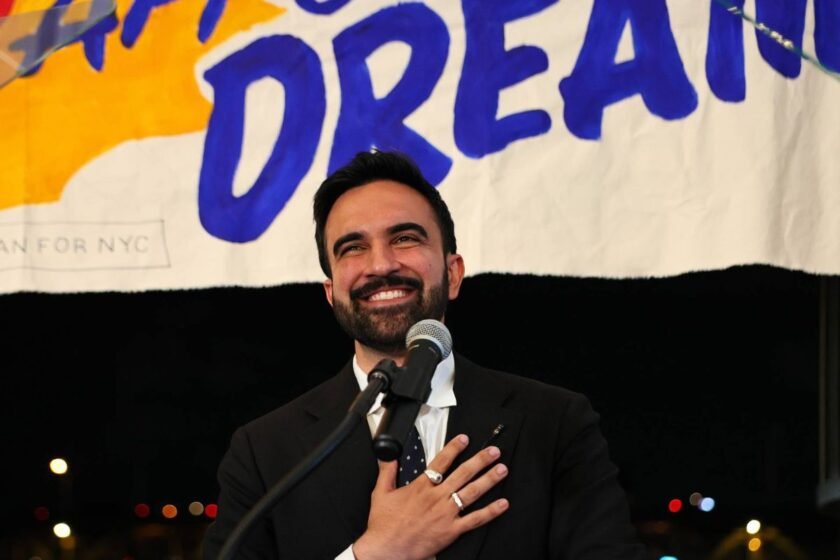

Zohran Mamdani, an influential figure in New York politics, has been gaining attention for his progressive agenda. As a member of the Democratic Socialists of America (DSA), he represents the 36th District in the New York State Assembly. Mamdani’s policies focus on housing justice, climate change, and economic equity, aligning closely with the broader progressive movement.
Elected in 2020, Mamdani’s entry into the Assembly marked a significant shift towards more radical legislative goals. His advocacy is rooted in addressing systemic inequality and providing tangible benefits to underserved communities. With a background in organizing for housing rights, Mamdani has pushed for measures that directly confront New York’s housing crisis.
Mamdani’s work is part of a larger trend of young, progressive politicians seeking change within traditional political structures. His efforts illustrate the growing influence of progressive ideas in shaping state policy.
Championing Progressive Politics
Mamdani has become a vocal proponent of transformative policies aimed at redistributing wealth and power. His legislative initiatives include proposals for universal rent control and public housing expansion, seeking to address affordability issues head-on. Rooted in community-based activism, his agenda prioritizes direct support for the economically vulnerable.
The Assembly member’s approach emphasizes the need for structural change to tackle inequality, rather than incremental adjustments. He argues that addressing the root causes of housing and economic disparities is crucial for sustainable development. Mamdani’s policies often challenge the status quo, advocating for systemic reforms rather than temporary solutions.
Several key factors drive Mamdani’s agenda:
- Emphasis on public necessity over profit motives.
- Greater accountability from governmental institutions.
- Inclusive economic strategies that uplift marginalized groups.
The Role of Democratic Socialists
Zohran Mamdani’s political ideology is heavily influenced by his association with the Democratic Socialists of America. The DSA is committed to reshaping U.S. politics by promoting socialism as a viable and necessary alternative to capitalism. This framework guides Mamdani’s vision for economic and social reform.
Mamdani aligns with other DSA members who have found success by focusing on practical solutions to looming societal issues. Through effective coalition-building, they aim to translate democratic socialist principles into actionable policies. This includes efforts to democratize economic institutions and enhance public welfare mechanisms.
The influence of the DSA in New York politics underscores a broader national movement toward leftist ideals. Mamdani, alongside his peers, represents a shift towards policy-making that prioritizes human needs over corporate interests, striving to create a socially and economically equitable society.
Impact on New York Assembly
Mamdani’s initiatives have had a tangible impact on the New York State Assembly, pushing progressive policies to the forefront of legislative discussions. His work on housing reform and tenant protections has sparked debates and fostered alliances, leading to important policy considerations.
His election marked a pivot point, encouraging others within the Assembly to consider bolder legislative agendas. By championing progressive goals, Mamdani has influenced how housing and economic justice are approached in state politics. This has resulted in increased awareness and policy action concerning New York’s pressing social issues.
Mamdani’s role in the Assembly has not only brought attention to previously underrepresented perspectives but also strengthened the progressive caucus. His influence is seen as widening the scope of what is politically achievable, reshaping expectations for legislative success.
Catalyst for Left-Wing Activism
Zohran Mamdani is credited with energizing grassroots activism, serving as a catalyst for left-wing movements in New York and beyond. His leadership has mobilized a new generation of activists committed to challenging systemic injustices and advocating for comprehensive social reforms.
Mamdani’s grassroots efforts have included organizing community forums and rallies, fostering active civic engagement. By empowering local voices, he has strengthened the movement for change, encouraging citizens to participate actively in the political process.
This increased activism reflects a broader trend among progressive leaders to engage directly with the public. Mamdani’s work has not only highlighted the potential for policy reform but also inspired confidence in community-driven change, laying the groundwork for ongoing advocacy and mobilization.
Strategies for Voter Engagement
New York Assemblymember Zohran Mamdani, known for his progressive approach, utilizes multifaceted strategies to engage voters. A detailed review highlights key tactics instrumental in mobilizing diverse constituencies.
Mamdani’s outreach is rooted in community involvement, emphasizing grassroots initiatives. By collaborating with local organizations, his team ensures policies align with neighborhood needs, facilitating direct dialogue through town halls and forums.
Digital engagement plays a critical role. Utilizing social media platforms, Mamdani reaches younger demographics, promoting transparency and accessibility. Regular updates and interactive Q&A sessions foster a dynamic exchange between constituents and the representative.
Field strategies remain pivotal. Door-to-door campaigns and phone banks, staffed by volunteers, create personal connections. This human touch is essential in areas with traditionally lower voter turnout, ensuring Mamdani’s messages resonate authentically.
A streamlined approach to data analysis further enhances voter engagement. By leveraging voter history and demographic trends, Mamdani’s team tailors outreach, maximizing efficiency and impact. This method allows targeted communication, ensuring resources effectively address voter concerns and priorities.