
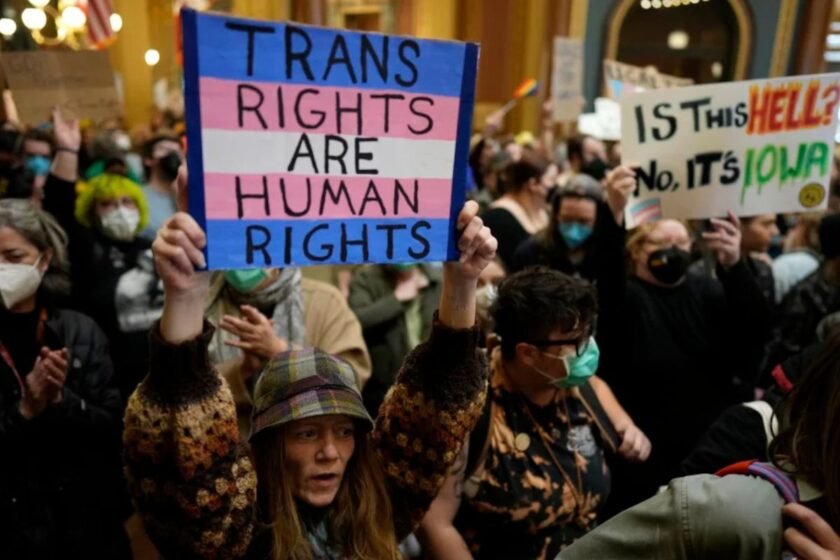

A significant lawsuit has emerged against the Equal Employment Opportunity Commission (EEOC), alleging mishandling of transgender worker discrimination complaints. The lawsuit, filed by several advocacy groups, claims systematic failures in addressing grievances effectively. This legal action comes amid heightened attention on civil rights protections for transgender individuals in the workplace.
The EEOC is responsible for enforcing federal laws prohibiting employment discrimination, including against transgender people. The lawsuit asserts that the agency has not adequately fulfilled its duty in safeguarding these employees’ rights. This case highlights ongoing challenges in ensuring equal treatment for all workers, irrespective of gender identity.
Read : “Rage Against the Regime” Protests Planned as Trump Faces Growing Unrest
EEOC Lawsuit Unveiled
The lawsuit against the EEOC accuses the agency of negligence in processing discrimination complaints from transgender employees. Plaintiffs argue that the EEOC employs inconsistent standards, leading to delays and dismissals of cases without thorough investigation.
According to the lawsuit, numerous complaints were either mishandled or ignored, leaving victims without resolution. This pattern allegedly results in a lack of accountability for perpetrators of discrimination, further exacerbating workplace inequities.
Civil rights groups emphasize the importance of a robust response from the EEOC, urging reforms to enhance complaint processing. They argue that consistent oversight and clearer guidelines are essential to protect transgender workers effectively.
Also Read : Trump’s Trade War Is Driving Africa Straight Into China’s Arms
Issues of Transgender Discrimination
Transgender employees frequently face discrimination in various forms, including wrongful termination, harassment, and denial of promotion. Workplace discrimination denies transgender individuals equal opportunities, affecting their professional and personal well-being.
Reports indicate a persistent disparity between protection policies and their implementation, underscoring a gap in enforcement. Advocates highlight the need for more concrete actions to translate nondiscrimination policies into tangible protections.
Key factors contributing to ongoing discrimination include:
- Lack of Awareness: Employers often lack understanding or training on gender identity issues.
- Insufficient Legal Frameworks: State-level policies vary, leading to inconsistent protections.
- Cultural Biases: Prevailing societal prejudices continue to influence workplace dynamics.
Also Read : Feminism or Fetish? Sabrina Carpenter’s New Album Sparks Debate Over Sexualization
Impact of Bostock Precedent
The 2020 Supreme Court ruling in Bostock v. Clayton County affirmed that Title VII of the Civil Rights Act of 1964 protects employees from discrimination based on gender identity. This landmark decision was hailed as a significant victory for transgender rights.
However, the lawsuit against the EEOC highlights that the Bostock precedent has not fully translated into improved conditions on the ground. Plaintiffs argue that despite the ruling, systemic issues persist, undermining its intended impact.
The Bostock decision serves as a critical touchstone in ongoing legal battles, emphasizing the need for rigorous enforcement of gender identity protections across all federal and state levels.
Also Read : Colorado Enacts New Laws to Help Domestic Violence Survivors Stay Housed
Andrea Lucas’ Controversial Policies
EEOC Commissioner Andrea Lucas has faced criticism for certain policies perceived as limiting the agency’s focus on LGBTQ+ discrimination cases. Critics argue that her approach underprioritizes complaints related to gender identity.
Lucas, appointed by the previous administration, has been accused of steering the EEOC’s agenda away from LGBTQ+ issues. This shift has sparked concerns among civil rights advocates who assert that such policies could weaken the agency’s ability to address discrimination comprehensively.
Despite these criticisms, some defend Lucas, noting her emphasis on broader regulatory compliance and transparency. Her tenure continues to spark debate over the balance between broader civil rights enforcement and specialized focus areas.
Also Read : Kansas Woman to Pay $21,000 to Landlord in Late Fees
Role of Legal Advocacy Groups
Legal advocacy groups have become pivotal in addressing discrimination against transgender employees. These organizations often provide the resources necessary for individuals to navigate complex legal landscapes. They offer legal representation, advocacy, and policy recommendations to ensure fair treatment in the workplace.
A significant function of these groups is to file lawsuits to enforce anti-discrimination laws. When governmental agencies fail to act, these organizations step in to hold both public and private sectors accountable. They ensure that transgender rights are upheld, especially when government entities are perceived to be inadequate in their response.
Recent lawsuits against civil rights agencies highlight the critical role of these groups. They serve as watchdogs, monitoring governmental actions and pushing for systemic changes. By doing so, they aim to create a more equitable work environment for transgender individuals.
These organizations also contribute to public awareness campaigns, emphasizing the importance of human rights and equal treatment under the law. They provide essential data and evidence that inform public policy and legislative decisions.
Also Read : FBI Shielded Trump’s Identity in Epstein Records Despite Public Release Push
Title VII Protections at Stake
Title VII of the Civil Rights Act of 1964 prohibits employment discrimination based on race, color, religion, sex, and national origin. In recent years, its interpretation has expanded to include gender identity. This expansion now provides protections for transgender workers, ensuring they are not discriminated against based on their identity.
The legal battles concerning Title VII protections underscore ongoing debates about the scope of these rights. Recent lawsuits against civil rights agencies reveal that enforcement of Title VII protections is uneven, particularly for transgender individuals. Ensuring uniform application of these protections is crucial for upholding workplace equality.
One of the main challenges is inconsistencies in how Title VII is interpreted and applied. Different jurisdictions might have varying standards, leading to confusion and unequal protection for workers. Legal advocacy groups frequently focus on ensuring Title VII is applied consistently across all states.
Efforts to enhance Title VII protections involve legislative proposals and lobbying for clearer guidelines. By standardizing these protections, advocates aim to eliminate ambiguity and enhance the security and fairness transgender workers experience in their careers.
Next Up :
- Infant Deaths Rise in States That Banned Abortion, Study Reveals
- Trump Admin Accused of Discrimination Against LGBTQ+ Federal Employees
- Trump’s Immigration Policy Left Animal Shelters Surge After Pets are Abandoned
- Americans are Turning Against Trump’s Harsh Immigration Moves
- Renters Face Steeper Costs Despite ‘Relief’ Promises After Broker Fee Shift