
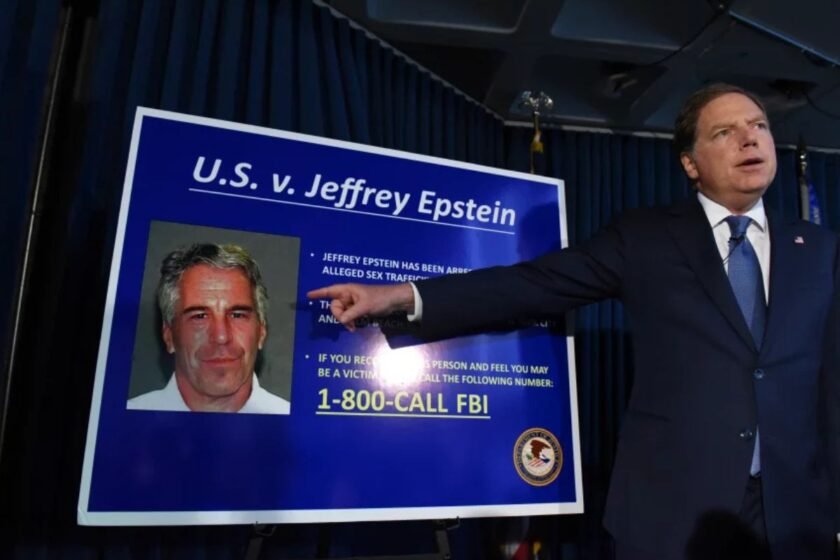

In a significant legal tussle, several entities are seeking to unseal documents related to Jeffrey Epstein’s activities, with former President Donald Trump attempting to block these efforts. The Epstein case has captured national attention due to its complex web of high-profile connections and criminal allegations. Attempts to bring transparency to this saga have been met with both support and resistance from various quarters, setting the stage for a potential showdown in court.
At the heart of the current push are documents that could shed light on Epstein’s connections and potential criminal activities. These documents are believed to contain crucial information about individuals who were possibly involved or complicit in his actions. Public interest in these undisclosed documents remains high, intensified by the mystery and scandal surrounding Epstein’s life and death.
The legal proceedings to access these documents could unravel more information about Epstein’s operations, possibly implicating influential figures. Trump’s endeavors to block access have added another layer of intrigue to the ongoing saga. The outcome could have significant implications for political figures and the broader understanding of Epstein’s network.
Read : “Rage Against the Regime” Protests Planned as Trump Faces Growing Unrest
Unseal Grand Jury Transcripts
Efforts to unseal grand jury transcripts in the Epstein case have intensified, aimed at uncovering pertinent details about his criminal networks. Grand jury proceedings are typically confidential, but the public’s demand for transparency has prompted legal challenges to this norm.
Proponents argue that unsealing these transcripts would help bring justice and provide answers to the victims and their families. They emphasize the need for accountability and transparency, particularly when dealing with crimes of the magnitude attributed to Epstein. Legal precedents for unsealing such documents exist, especially in cases of public interest.
Some legal experts caution against immediate unsealing due to the potential impact on ongoing investigations. The balance between maintaining confidentiality to protect the integrity of legal proceedings and addressing public curiosity is a central issue. The decision to unseal could set a precedent affecting future high-profile cases.
Also Read : Trump’s Trade War Is Driving Africa Straight Into China’s Arms
Rule of Five Senate Demand
A group of five senators has demanded the release of documents related to Epstein’s activities, emphasizing the need for governmental accountability. Known as the ‘Rule of Five,’ this initiative reflects growing pressure from lawmakers to ensure transparency in dealing with the Epstein matter.
The senators have highlighted key issues such as potential national security risks and the integrity of legal processes. Their collective push is seen as an attempt to reinforce trust in governmental institutions by advocating for openness. The demand is part of a broader strategy to leverage legislative power in unraveling the truths hidden within these documents.
Resistance to this effort includes arguments about privacy concerns and the protection of uninvolved individuals. However, the senators argue that only by confronting these challenges head-on can public confidence be restored. Their actions underline the ongoing tension between transparency and confidentiality in dealing with sensitive information.
Also Read : Feminism or Fetish? Sabrina Carpenter’s New Album Sparks Debate Over Sexualization
FOIA Lawsuits to Reveal Truth
Numerous Freedom of Information Act (FOIA) lawsuits have been filed to access documents pertaining to Epstein, reflecting the public’s demand for transparency. These lawsuits represent an aggressive legal effort to compel government agencies to release information they have been reluctant to disclose.
FOIA requests have become a critical tool for journalists, activists, and legal experts seeking to uncover details hidden behind bureaucratic walls. Particularly in the Epstein case, these lawsuits are instrumental in prying open records that could reveal more about his criminal networks and the extent of the cover-up, if any.
Key challenges faced in these lawsuits include governmental pushback citing national security and privacy concerns. Despite these obstacles, FOIA litigants emphasize the public’s right to know, arguing that withholding information only fuels speculation and undermines trust. Their success or failure could significantly impact public access to information in future cases of public interest.
Also Read : Colorado Enacts New Laws to Help Domestic Violence Survivors Stay Housed
DOJ Transparency Under Scrutiny
The Department of Justice (DOJ) is facing increased scrutiny over its handling of Epstein-related documents, particularly regarding its transparency and accountability. For many, the DOJ’s actions represent a test of its commitment to public disclosure and the rule of law.
Critics argue that the DOJ has been less than forthcoming with information, which has led to calls for greater oversight and reform. The department’s responses to FOIA requests and legal petitions to release documents have been perceived as insufficient, raising questions about potential bias or undue influence.
In contrast, DOJ officials maintain that their actions are in accordance with legal and procedural norms designed to ensure fair trials and protect privacy. The tension between these perspectives highlights the ongoing debate about transparency in government operations, especially in cases involving high-profile individuals. The scrutiny faced by the DOJ in this context could influence how similar cases are handled in the future, with implications for both privacy and public accountability.
Also Read : Kansas Woman to Pay $21,000 to Landlord in Late Fees
Trump Admin Obstruction Tactics
The Trump administration employed various strategies aimed at obstructing access to documents related to the Jeffrey Epstein case. Officials engaged in legal maneuvers to block the release of potentially damaging files, asserting executive privilege over certain communications. This approach has significantly delayed ongoing investigations and frustrated attempts to bring more transparency to Epstein’s operations.
Efforts to suppress the release of these documents were marked by an aggressive legal stance. The administration’s reliance on procedural delays further complicated efforts by investigators to gather crucial evidence related to Epstein’s criminal activities. These obstruction tactics have faced criticism from advocacy groups and legal experts who argue they undermine judicial processes.
Despite these efforts, legal battles continue to unfold in courts, challenging the administration’s attempts to withhold information. These cases highlight a persistent struggle between privacy rights, national security considerations, and the public’s right to access relevant information.
Also Read : FBI Shielded Trump’s Identity in Epstein Records Despite Public Release Push
Maxwell Testimony Requests
Requests for Ghislaine Maxwell’s testimony have become a central focus in efforts to uncover further details about Jeffrey Epstein’s network. Legal teams have repeatedly sought access to Maxwell’s statements, believing her accounts hold critical insights into Epstein’s operations and associates.
Maxwell, who was arrested in 2020, has been approached to provide evidence that could illuminate her role in Epstein’s activities. Her testimony is considered pivotal by prosecutors, who argue that she possesses firsthand knowledge of the recruitment and abuse of minors orchestrated by Epstein.
Efforts to secure testimony from Maxwell have faced delays, primarily due to the complex legal landscape and her ongoing appeals. Nonetheless, the importance of her potential disclosures remains high, as her statements could potentially unlock further evidence and lead to more arrests.
Also Read : Man Found Hidden, Mysterious Staircases in a Century Home – Century Homes America
Impact on Epstein Investigations
The ongoing legal struggles and efforts to access Epstein-related documents have significant implications for continuing investigations. Delays and obstructions have stalled crucial inquiries, causing frustration among investigators and victims’ advocates seeking justice.
The potential release of these documents promises to aid in identifying additional culprits and understanding the full scope of Epstein’s operations. Investigators hope to uncover more comprehensive links between Epstein’s network and influential individuals who may have been involved or complicit.
Despite roadblocks, investigative pressure persists, driven by renewed public interest and international scrutiny. If successful, these efforts could lead to significant breakthroughs in the case, offering closure to victims and extending the reach of justice.
Next Up :
- Infant Deaths Rise in States That Banned Abortion, Study Reveals
- Trump Admin Accused of Discrimination Against LGBTQ+ Federal Employees
- Trump’s Immigration Policy Left Animal Shelters Surge After Pets are Abandoned
- Americans are Turning Against Trump’s Harsh Immigration Moves
- Renters Face Steeper Costs Despite ‘Relief’ Promises After Broker Fee Shift