
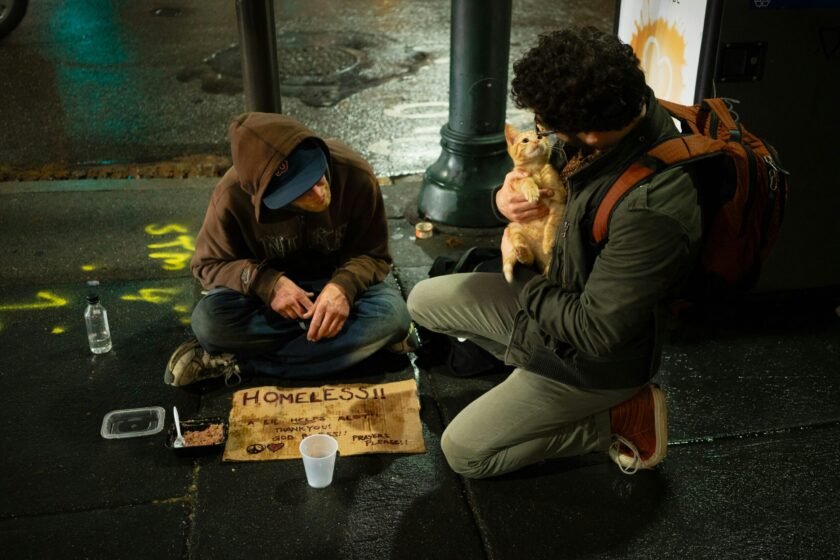

The Trump administration’s recent executive order on homelessness has sparked widespread discussion. The directive focuses on addressing homelessness through various strategic steps, with a strong federal intervention perspective. This move comes amid growing national concern over rising homelessness rates, particularly in major urban centers.
Read : Trump Expands ICE Hiring Nationwide Amid Aggressive Immigration Crackdown
Exploration of the Housing Crisis
The U.S. housing crisis remains a critical issue, deeply influencing recent policy decisions. According to data from HUD, over 580,000 people experienced homelessness on a single night in 2020. Rising housing costs and economic instability have exacerbated the problem, with major cities like Los Angeles and New York seeing sharp increases in homeless populations.
Key factors contributing to this crisis include:
- Rising Rental Costs: Steady increases in rent have outpaced wages, making housing unaffordable for many.
- Economic Disparities: A growing divide in income levels has led to increased vulnerability.
- Access to Affordable Housing: Insufficient availability of affordable units further strains those at risk.
Government agencies at every level have recognized the need for immediate intervention to prevent further escalation.
Also read : Legal Battles May Force Epstein Files Open, Despite Trump Administration’s Block
Details of Trump’s Executive Action
President Trump’s executive order outlines a series of initiatives aimed at tackling homelessness nationwide. The directive prioritizes increasing access to transitional housing, enhancing mental health services, and expanding partnerships with local agencies.
Immediate actions include reallocating federal funds to support shelters and transitional housing projects. Furthermore, there is a push for rapid construction of affordable housing units in impacted urban areas. The order also emphasizes law enforcement collaboration to manage public safety concerns related to homelessness.
While the specific budgetary implications remain under review, officials anticipate comprehensive federal engagement aimed at reversing the upward trend in homelessness rates.
Also read : Trump’s HUD Plan Could Leave 1.4M Low-Income Renters Homeless, NYU Report Finds
Homeless Rights at the Forefront
Advocates for homeless rights stress the need to prioritize humane approaches in addressing homelessness. Emphasizing the importance of dignity and respect, these groups argue that any federal action must consider the rights and needs of homeless individuals.
Legal frameworks and protections under the McKinney-Vento Act are cited as fundamental to ensuring that solutions do not infringe on individual freedoms. Advocates urge the administration to focus on rehabilitation and support services without criminalizing homelessness.
The executive order’s implementation will require careful coordination to align with existing homelessness rights protections, while also driving effective outcomes in urban policy management.
Also read : Smithsonian to Restore Trump Impeachments in Museum Exhibit
Advocates Criticize Executive Moves
Critics of the Trump administration’s executive order argue that it may not address the root causes of homelessness. Homelessness advocacy groups have voiced concerns about the lack of emphasis on permanent supportive housing solutions.
Opponents claim that prioritizing short-term measures, such as transitional housing and increased law enforcement presence, fails to tackle systemic issues like income inequality and mental health care access.
As policy debate continues, stakeholders are calling for a more comprehensive strategy that incorporates long-term investment in community-based solutions and an expanded safety net to prevent homelessness in the first place.
Also read : Utah Sen. Mike Lee Drops Controversial ‘Public Land Sale’ Plan Amid Backlash
State Resistance and Opposition
Resistance from various states has mounted following former President Donald Trump’s executive order on homelessness, which aimed to address the crisis by increasing federal intervention and strict enforcement measures. Several states, including California and New York, have voiced strong opposition, emphasizing the need for local solutions to address homelessness effectively.
California, which hosts a significant portion of the nation’s homeless population, argues that increased federal control could undermine state-led initiatives tailored to local needs. Governor Gavin Newsom criticized the executive order, highlighting the state’s ongoing efforts, such as the ‘Project Roomkey’ initiative, which sought to provide temporary housing during the pandemic.
New York officials have also expressed concerns about the potential for federal overreach. They emphasize the importance of state autonomy in deploying resources and implementing programs that align with regional characteristics and challenges. State leaders argue for a cooperative approach that blends federal funding with local expertise.
Key points of state resistance include:
- Emphasis on local solutions over federal intervention
- Concerns about undermining state-led initiatives
- Fear of one-size-fits-all policies
Despite opposition, some states remain open to federal assistance if it aligns with their strategic goals and respects local governance.
Also read : ICE Arrests Afghan Man in Connecticut Despite Legal U.S. Entry
Impact on Shelter Policy and Services
The Trump executive order introduced significant changes to shelter policies, prompting a shift in how services are administered across affected regions. The directive demanded increased accountability and performance metrics from shelters receiving federal aid, altering operational priorities.
Shelters are now required to focus more on rapid rehousing strategies and permanent solutions, rather than simply meeting immediate needs. This has led to a reevaluation of existing service models, with an increased emphasis on metrics such as employment rates and average shelter stays to gauge effectiveness.
Additionally, the order encouraged public-private partnerships aimed at enhancing shelter capacity and infrastructure. By incentivizing collaboration between government bodies and private entities, the directive sought to increase resource availability and foster innovative solutions.
However, these changes have also sparked concerns over resource allocation and service continuity. Critics argue that the focus on performance metrics may divert attention from immediate care needs. They also worry about potential funding reductions for programs that do not meet the new criteria, posing risks to vulnerable populations reliant on traditional shelter services.
Next up :