
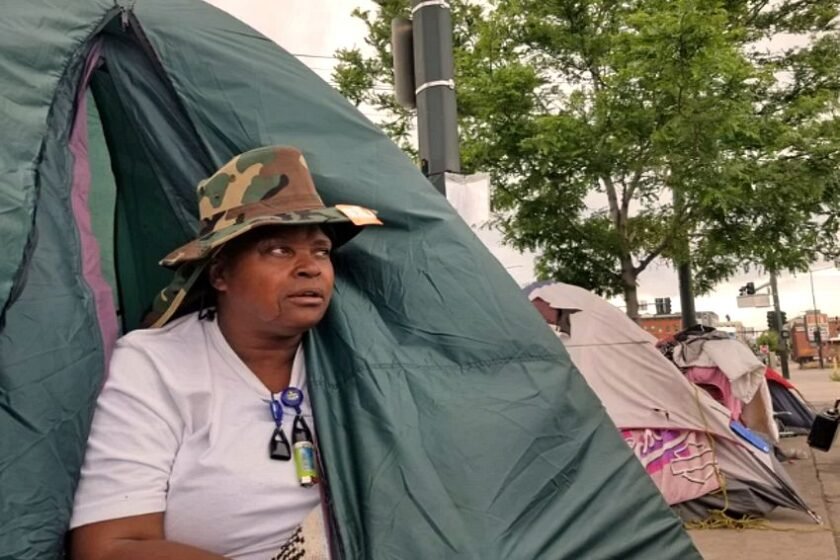

Michigan’s growing crackdown on homeless encampments is pushing vulnerable residents deeper into the shadows, with some facing legal barriers just for trying to survive. As local governments across the state and country impose stricter laws, advocates warn that ticketing and forced displacement may do more harm than good for those without shelter.
Homeless Advocacy in Michigan
Greg Pratt, a Lansing-based advocate and former Marine, spends his evenings delivering meals to homeless residents, many of whom are now forced into more isolated areas due to increased enforcement. “They’re going so far back in the woods that nobody goes back to help,” Pratt said, highlighting the challenges of reaching those hidden by city crackdowns.
Local Government Crackdowns
Cities like Lansing are escalating efforts against homeless encampments, with actions including lawsuits against businesses for allowing camps to grow on their properties and issuing tickets to those sleeping in public parks. A recent case involved a pregnant woman who was ticketed for sleeping in a park, showing the stark consequences of these policies for vulnerable individuals.
Supreme Court Ruling and Trump’s Executive Order
The U.S. Supreme Court ruled that cities could issue citations to homeless individuals for “public camping” even without available shelter beds, a decision reinforced by President Trump’s recent executive order. Trump’s directive calls for the forced institutionalization of homeless individuals deemed a risk to themselves or others, with federal housing funds at stake for states that do not comply.
Struggles for Shelter and Alternatives
Nick Cook, policy director for the Michigan Coalition Against Homelessness, noted that many people avoid shelters due to restrictive rules on bed availability, addiction issues, or mental health problems. This often leads individuals to camp instead, which has become more difficult due to the closure of shelters during the COVID-19 pandemic and increasing encampment dispersals.
Impact of Criminalizing Homelessness
While Michigan has seen a slight rise in homelessness, the legal penalties for those without shelter can complicate their attempts to find housing. Homeless advocates, such as Clint Brugger, argue that citations only serve as additional barriers, potentially costing individuals financially and legally in their efforts to secure permanent housing.
Ticketing Stories from the Streets
Homeless individuals, like Crystal White in Lansing, are facing citations for simple acts of survival, such as sleeping in a public park after hours. White, who is six months pregnant, explained her difficult decision to accept a ticket rather than endure further mistreatment in a hotel, highlighting the dire circumstances many homeless people face.
The “Housing First” Approach
Experts advocate for a more effective and humane solution to homelessness, such as the “Housing First” model, which prioritizes providing stable housing before addressing other issues. However, recent federal efforts to move away from this strategy in favor of institutionalization raise concerns about the future of Michigan’s homeless population.