
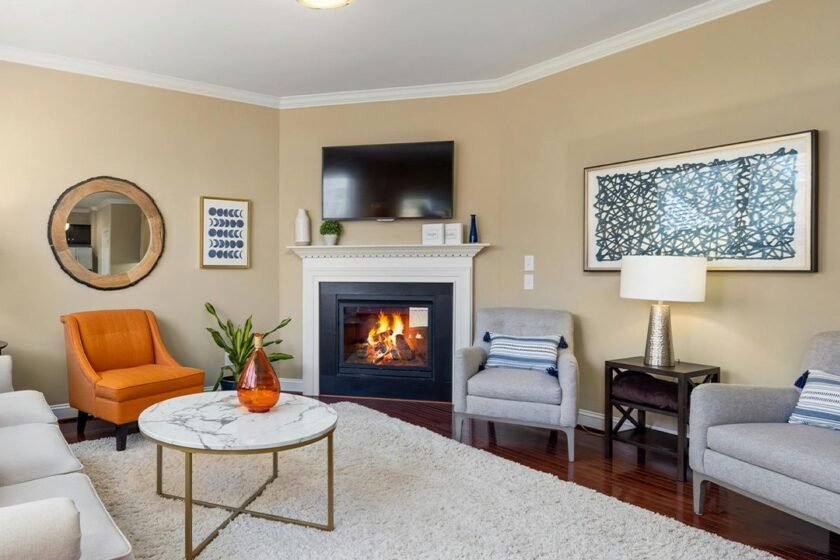
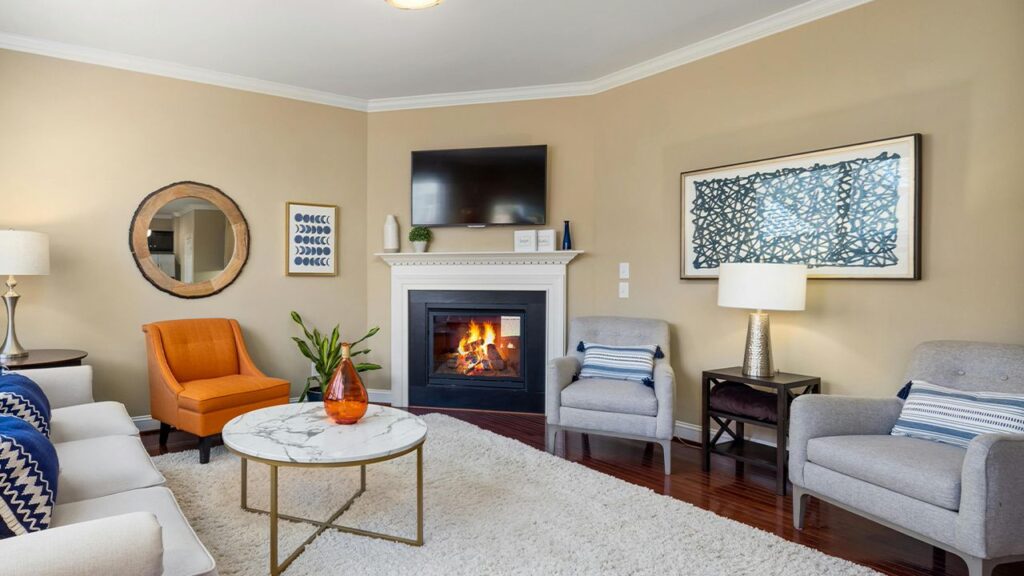
Creating a bright and inviting atmosphere in a windowless room can be challenging, but thoughtful design choices can make a significant difference. Without natural light, a room can feel enclosed and dull, but strategic use of color, lighting, and decor can transform it into a lively and welcoming space. Here are 15 effective strategies to illuminate and enliven such spaces.
1. Light – Colored walls and Ceiling
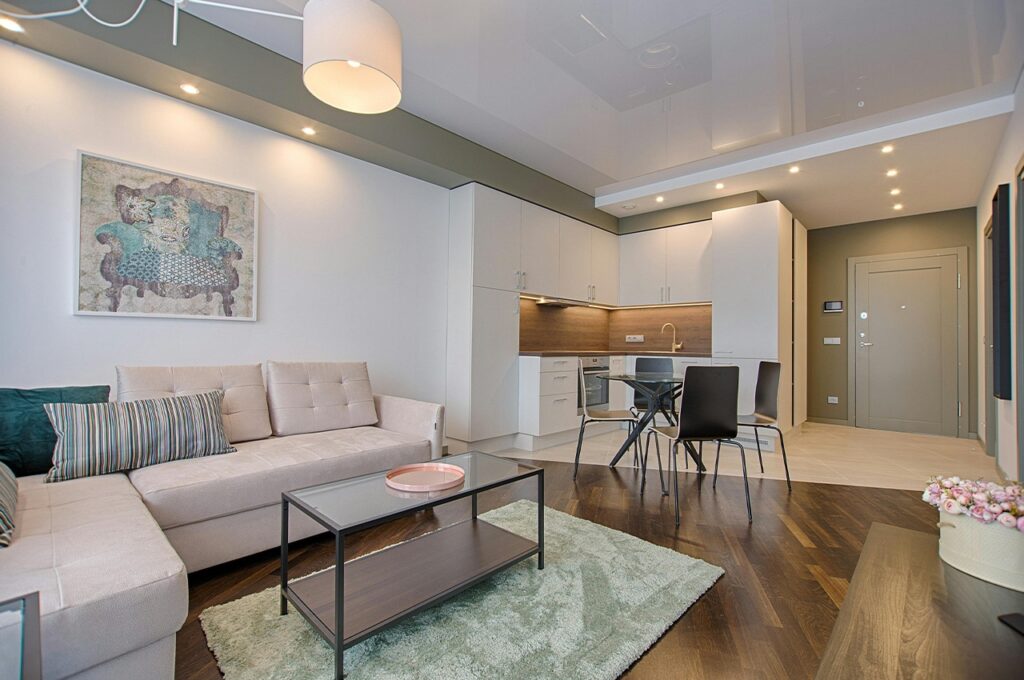
Painting your walls and ceiling in light shades is one of the easiest ways to make a windowless room feel brighter. Colors like soft white, pale gray, or creamy beige reflect light better than darker tones, which absorb it and make a space feel smaller. A matte or eggshell finish helps diffuse light evenly, reducing harsh shadows. To enhance the effect, consider painting the ceiling a slightly lighter shade than the walls, which can make the room feel taller and airier. When combined with good lighting, light-colored walls create a fresh and open atmosphere, even without natural sunlight.
2. Layered Lighting for Depth
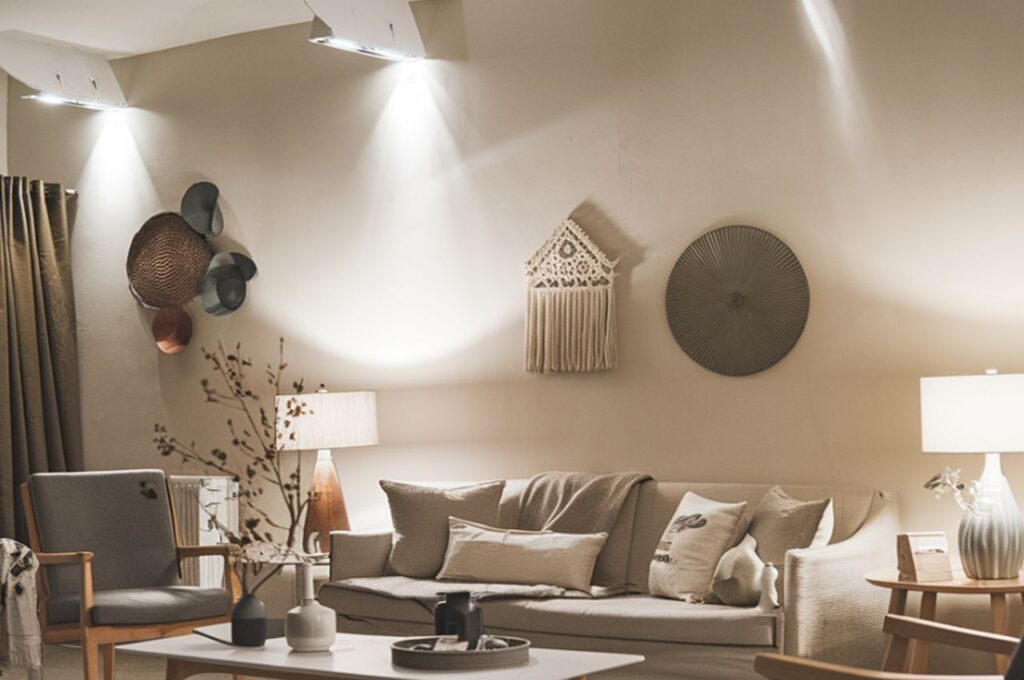
One overhead light won’t be enough to brighten a windowless room properly. Instead, layer different types of lighting to create balance. Use a mix of ceiling fixtures, table lamps, floor lamps, and wall sconces to spread light evenly. Opt for LED bulbs with a warm white glow to mimic natural daylight without being too harsh. Placing lamps at different heights and angles reduces shadows and makes the space feel more open. If possible, install dimmable lights so you can adjust the brightness throughout the day, creating a warm and welcoming atmosphere.
3. Mirrors to Create a Spacious Illusion
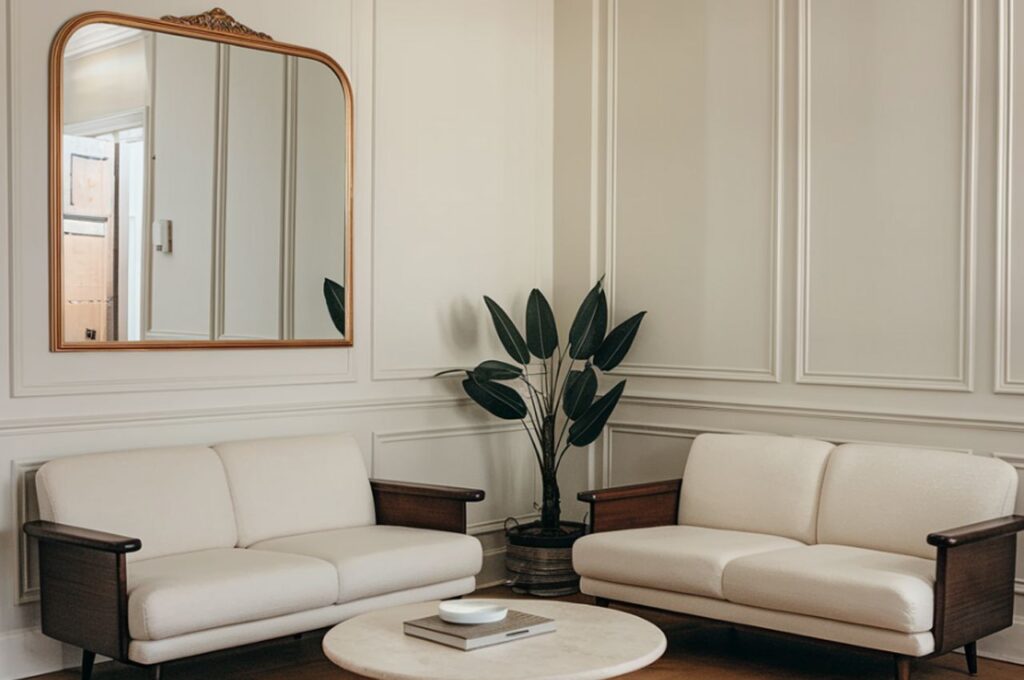
Mirrors are a simple yet effective trick for making a room feel brighter and larger. By reflecting both natural and artificial light, they help distribute brightness throughout the space. Position a large mirror opposite a light source, like a lamp or pendant light, to maximize its effect. You can also use mirrored furniture, or a mirrored cabinet, to subtly reflect light. Even decorative elements like a gallery wall of framed mirrors or a metallic-framed mirror can create depth, making the room feel more spacious and airy.
4. Glossy and Reflective Surfaces
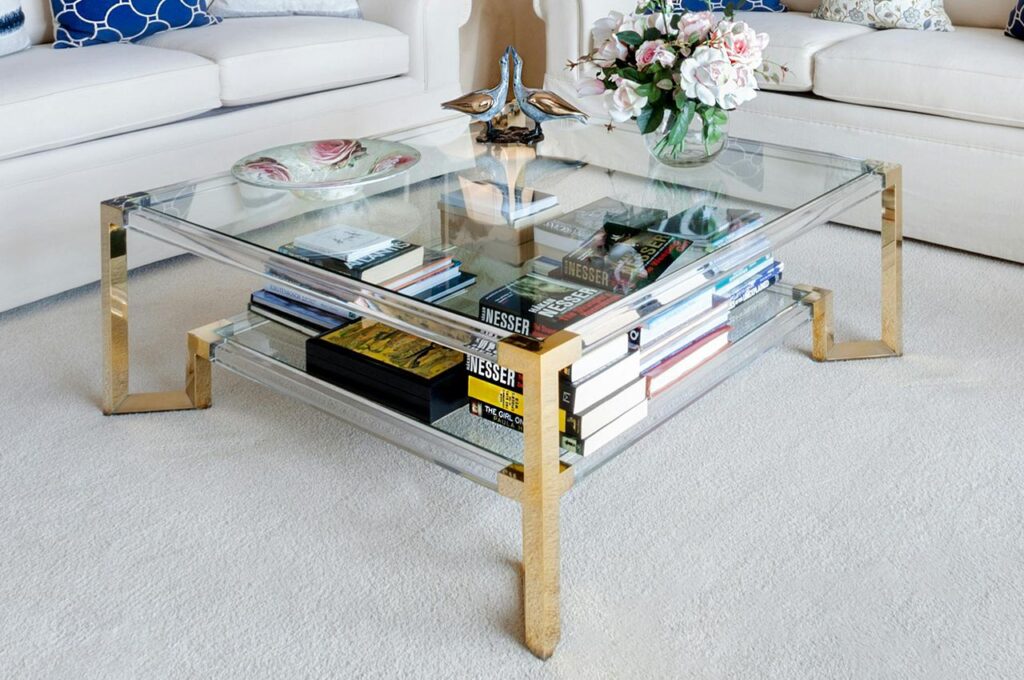
Incorporating glossy finishes and reflective surfaces helps bounce light around a windowless room, making it feel brighter and more open. A glass or acrylic coffee table prevents the space from feeling visually heavy, while metallic accents like chrome, brass, or mirrored decor pieces catch and amplify light beautifully. High-gloss paint, lacquered furniture, or polished tile can enhance reflectivity without overwhelming the space. If a full glossy wall feels too bold, opt for subtle reflective details like a polished backsplash or metallic-framed mirrors. These elements evenly distribute light, preventing the room from feeling dark or confined.
5. Light-Colored Flooring
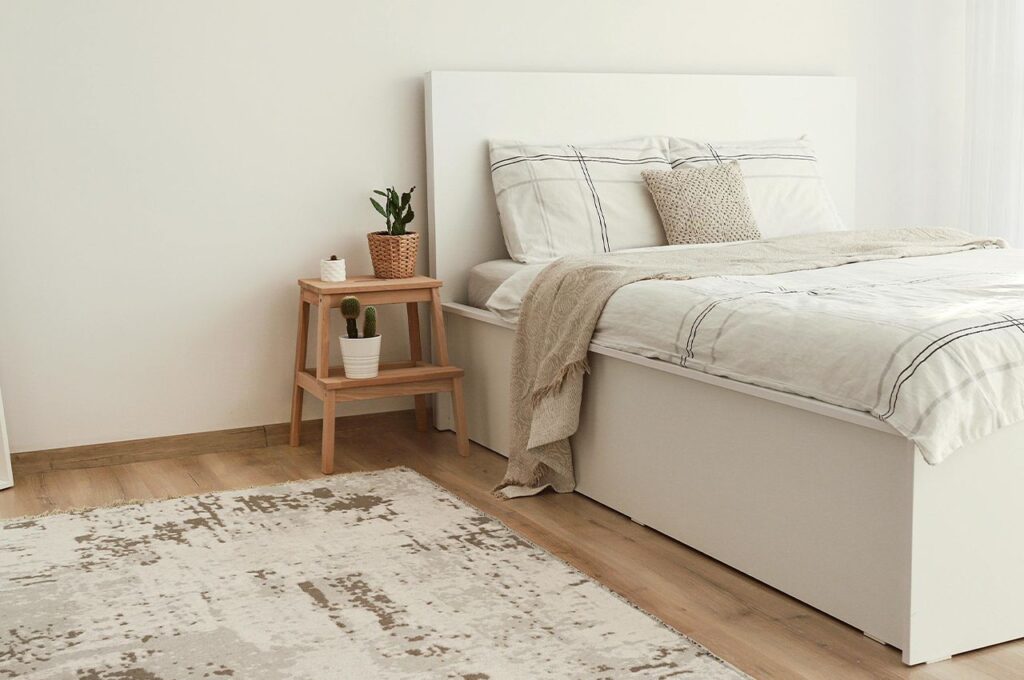
Flooring can make a big difference in how bright a room feels. Dark floors absorb light, while lighter options—like pale wood, whitewashed laminate, or light-colored tiles—help reflect it. If replacing your flooring isn’t an option, use a large, light-colored area rug to brighten the space. Rugs in shades of ivory, beige, or soft pastels can make a big impact, especially in rooms with minimal natural light. Pairing light floors with similarly toned walls and furniture creates a cohesive, airy look that makes the entire space feel open and inviting.
6. Sheer or Light-Colored Curtains
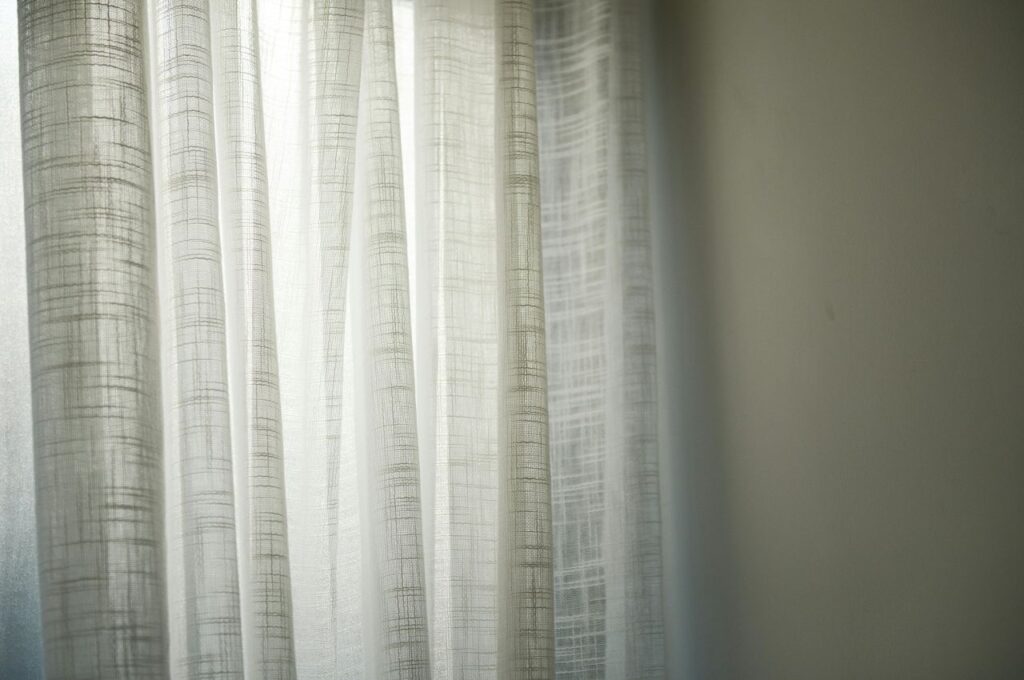
Even if a room lacks windows, using sheer or light-colored curtains can create the illusion of openness. Hanging soft, flowing fabrics—such as white, beige, or pastel curtains—along a blank wall mimics the look of a window, adding visual depth. If you have a doorway or glass partition, using sheer curtains helps diffuse light from adjacent areas, making the room feel brighter. Floor-to-ceiling drapes also draw the eye upward, giving the illusion of higher ceilings and a more spacious environment. This simple decor trick enhances brightness while adding a soft, elegant touch to the space.
7. Incorporating Metallic Accents
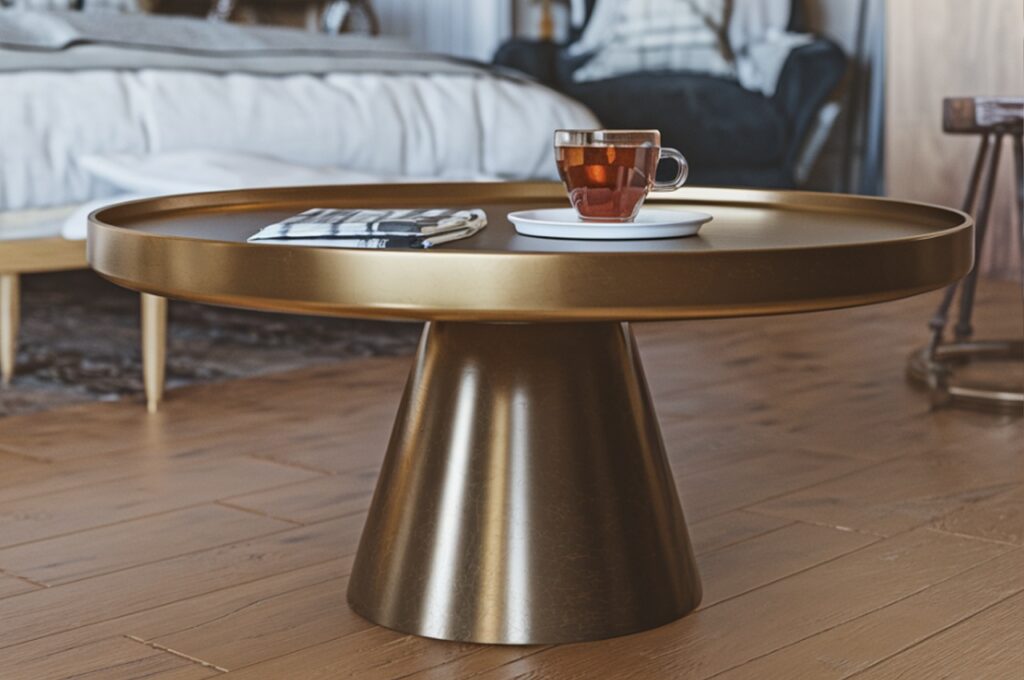
Metallic decor elements are excellent for enhancing brightness in a windowless room by reflecting and amplifying light. Finishes like gold, silver, brass, and chrome add a subtle glow, preventing the space from feeling dull or enclosed. Metallic picture frames, wall art, and decorative objects introduce warmth and dimension while bouncing light throughout the room. Furniture with metal accents, such as brass-legged tables or silver-framed mirrors, enhances reflectivity. Even small touches, like metallic candle holders or sculptures, contribute to a more radiant atmosphere. Thoughtfully placed metallic elements create a luminous, stylish, and inviting space.
8. Use Minimalist Decor
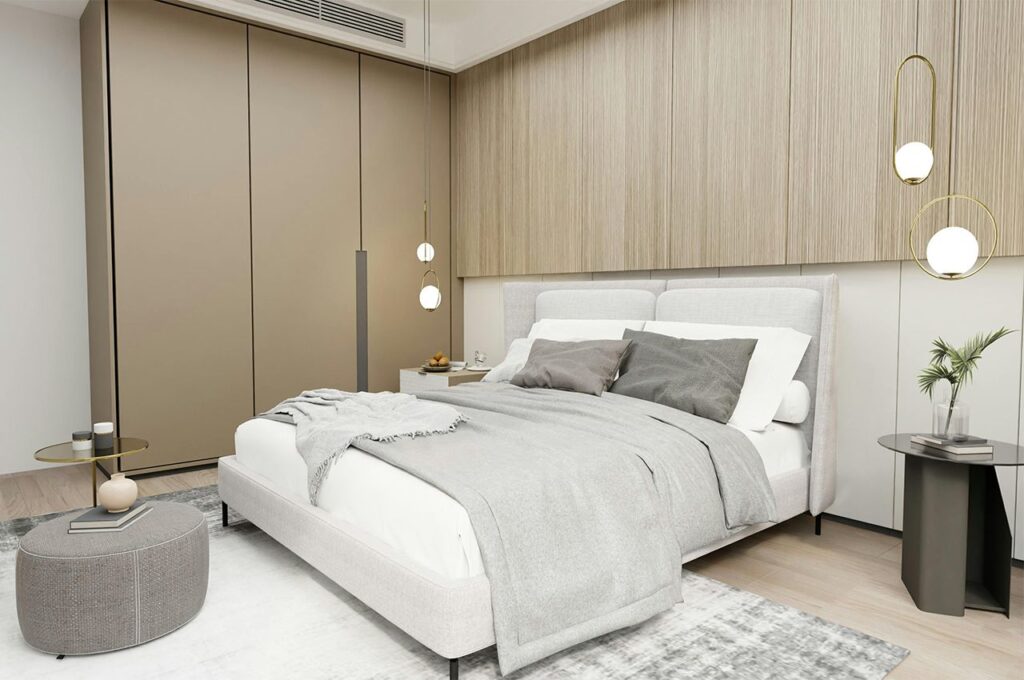
Bulky, dark furniture can make a windowless room feel cramped and dim. Instead, opt for open, minimalist pieces with slim profiles and lighter finishes. Furniture with exposed legs, glass tops, or reflective surfaces helps maintain a sense of openness. Light-colored upholstery, such as beige, soft gray, or pastel fabrics, prevents the space from feeling heavy. Choosing streamlined furniture with a simple design maximizes floor space, allowing light to flow freely throughout the room. Keeping the decor minimal avoids visual clutter, ensuring a bright, airy, and welcoming ambiance.
9. Bring in Greenery for a Fresh, Open Feel
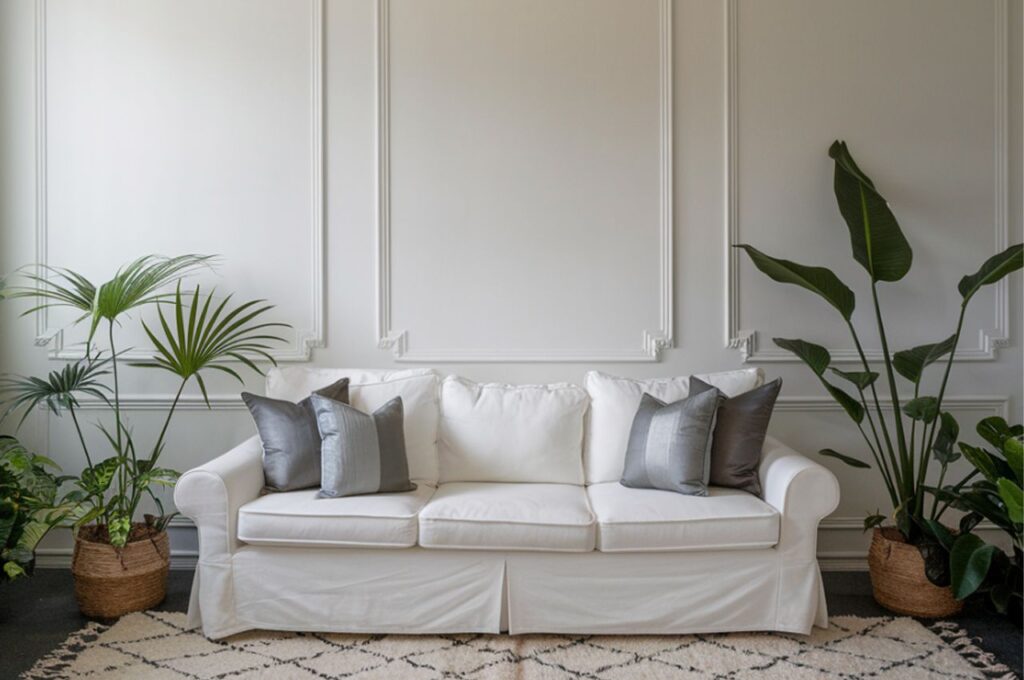
Adding greenery to a windowless room brings life, color, and a sense of openness. Indoor plants like pothos, snake plants, and ferns thrive in low-light conditions and help break up the monotony of enclosed walls. Tall plants can create the illusion of height, making the space feel larger, while small potted plants on shelves or tables add vibrancy. Hanging plants or vertical gardens introduce texture without taking up floor space. Choosing decorative planters in light or metallic finishes enhances brightness, while artificial plants offer a maintenance-free way to bring nature indoors, making the room feel fresh and inviting.
10. Keep the Space Clutter-Free with Multifunctional Furniture
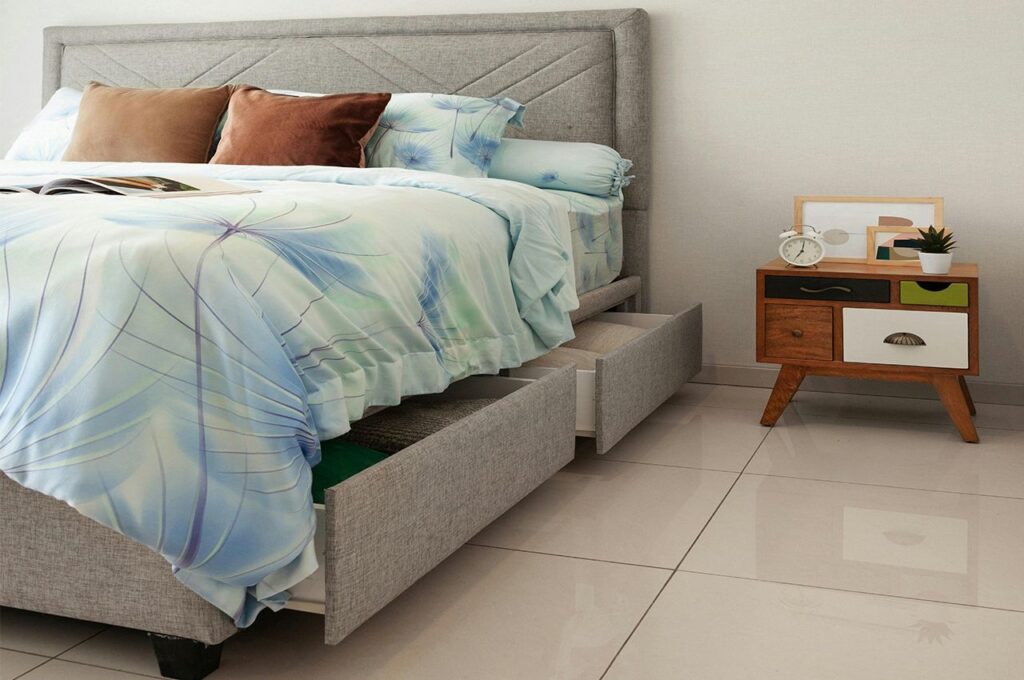
A cluttered room can feel darker and more confined, especially without natural light, so keeping it organized is key to enhancing brightness. Multifunctional furniture, like storage ottomans, foldable desks, and beds with built-in drawers, helps reduce excess items while maintaining a spacious feel. Floating shelves and concealed storage minimize visual distractions, allowing light to flow freely. Choosing furniture in light colors or reflective materials, such as glass or mirrored finishes, further enhances brightness. A clean, well-organized space ensures artificial lighting is evenly distributed, making the room feel open, airy, and inviting.
11. Strategic Art Placement
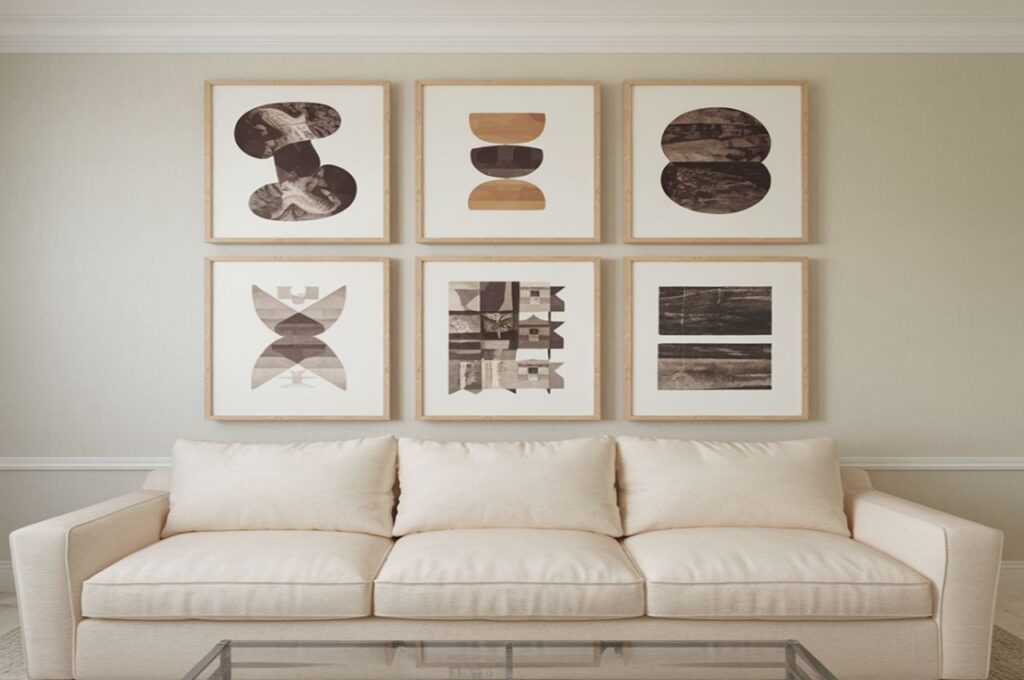
Placing artwork strategically can significantly impact the brightness and openness of a windowless room. Small – scale pieces with light tones, airy landscapes, or abstract designs in pastels or neutrals can create the illusion of depth and natural light. Positioning artwork across from light sources, such as lamps or artificial daylight panels, helps reflect brightness throughout the space. Using frames with metallic or glossy finishes further amplifies light reflection. For added depth, consider a mural or a gallery wall with a cohesive color palette. Properly placed art not only adds personality but also makes the room feel more open and inviting.
12. LED – Enhanced Furniture and Decor
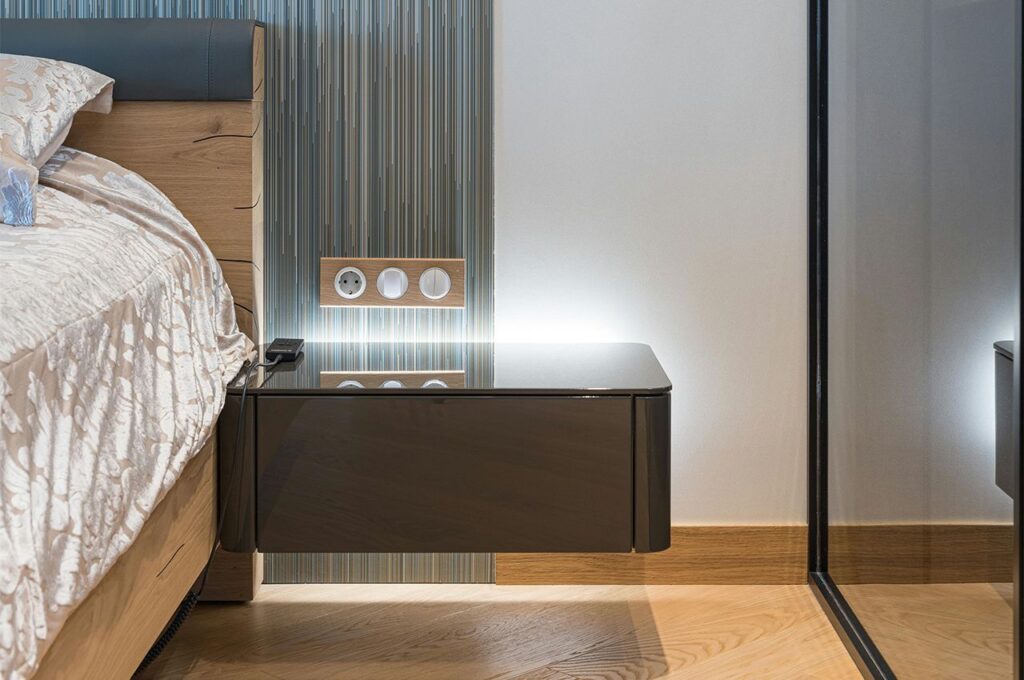
Incorporating furniture and accessories with built-in lighting can enhance brightness in a windowless room while adding a modern touch. LED-lit coffee tables, illuminated bookshelves, or glowing wall art create a visually striking effect that makes the space feel more open. Soft under-cabinet lighting, LED candles, or backlit headboards can distribute light evenly, reducing shadows and dark corners. This technique not only adds functional illumination but also introduces a futuristic, stylish ambiance. By layering different light sources through furniture and decor, you can transform a dim space into a warm, inviting, and well-lit environment.
13. Accent Ceilings
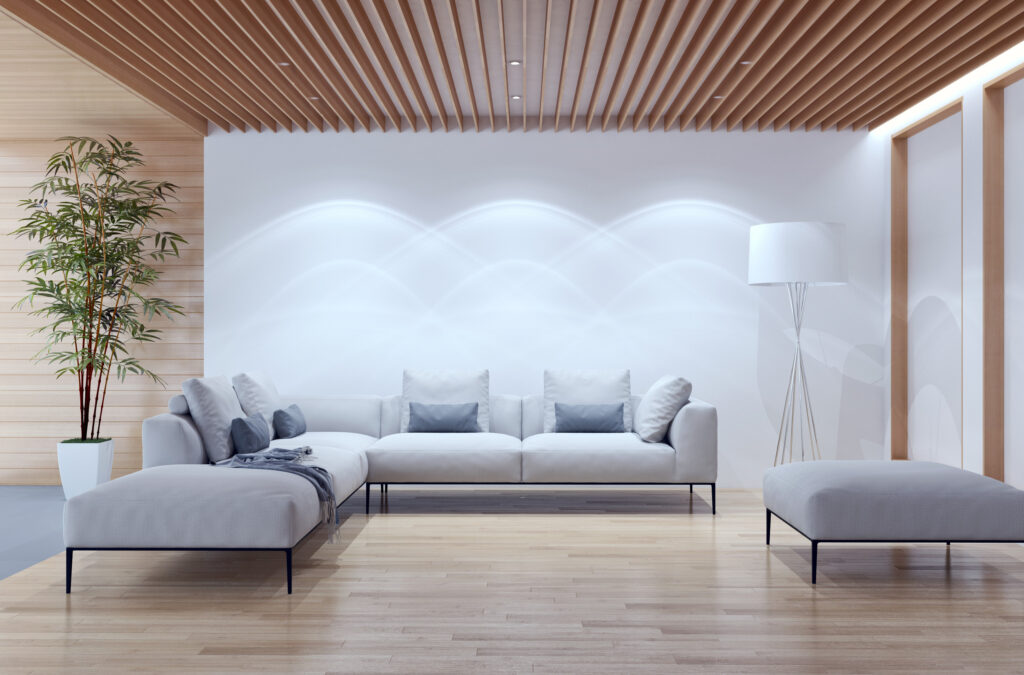
An accent ceiling draws the eye upward, making a windowless room feel more open and spacious. Painting the ceiling a lighter shade than the walls creates a visual lift, while glossy or metallic finishes reflect light, enhancing brightness. Installing recessed or cove lighting along the ceiling perimeter adds a soft glow that mimics natural daylight. For added depth, consider using wallpaper, wood paneling, or subtle patterns to create texture. A well-designed accent ceiling prevents the space from feeling flat and enclosed, adding dimension and a stylish focal point that enhances the overall ambiance.
14. Feature Walls to Add Depth and Brightness
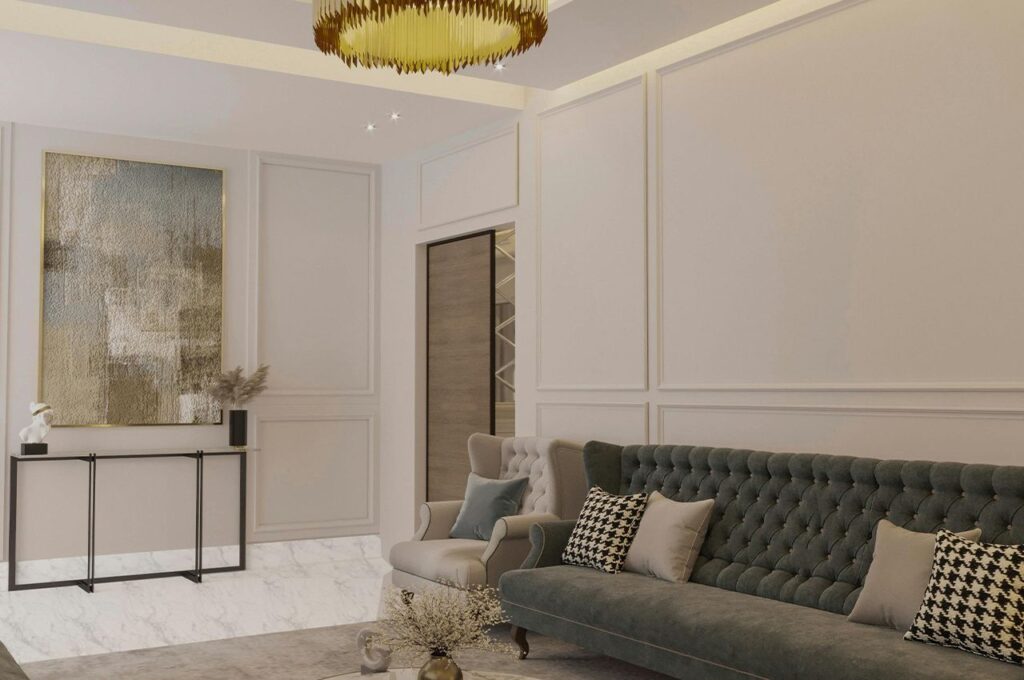
A feature wall can transform a windowless room by adding character and depth without overwhelming the space. Choosing a light-reflecting material, such as textured wallpaper, glossy paint, or wood panels in soft hues, prevents the room from feeling dull. Also, accents enhance brightness by bouncing light across the space. A mural with a landscape or abstract design can create an illusion of depth, making the room feel more expansive. A well-placed feature wall serves as a visual anchor, ensuring the space remains dynamic, stylish, and inviting despite the lack of windows.
15. Faux Skylight
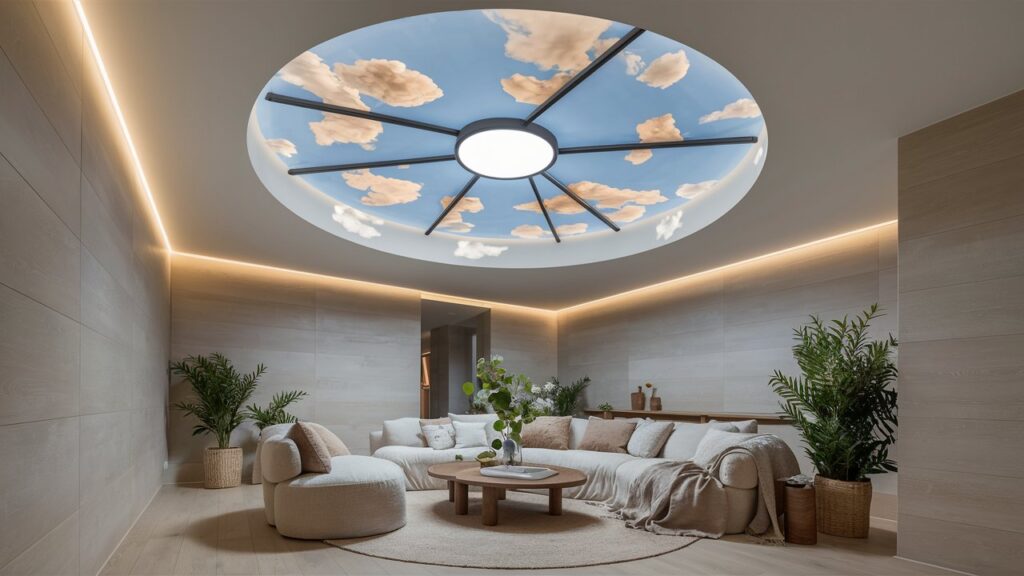
A great way to brighten a windowless room is by creating the illusion of a skylight. Painting the ceiling with soft blue hues and wispy white clouds can make the space feel more open and airy. For a more high-tech approach, install LED panels that mimic natural daylight, creating a realistic skylight effect. Some advanced LED skylights even adjust their brightness and color temperature throughout the day to simulate natural light variations. This not only enhances the room’s brightness but also improves the overall ambiance, making it feel more inviting and less confined.
This article was created with the assistance of AI but thoroughly edited by a human being.