
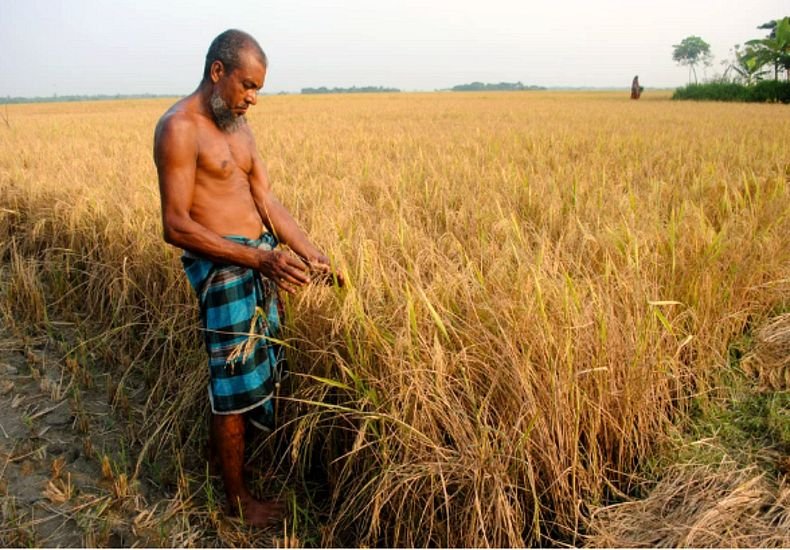

Seventh-generation farmers in Ohio are battling a double crisis: relentless weather extremes and the fallout of Donald Trump’s trade war with China. With soybean exports plunging to a 20-year low and climate swings destroying yields, growers warn that the future of America’s biggest crops, corn and soybeans, is hanging by a thread.
Climate Swings Leave Fields in Ruin
Last year’s drought slashed yields by 25–30%, while this year’s excess rainfall has left crops diseased and underdeveloped. Farmers were forced to plant weeks late, in poor soil conditions, with little time for crops to mature before harvest. “It would just start to get dried out, and it would rain again,” says Ohio farmer Brian Harbage.
Soybean Exports Hit 20-Year Low
Soybeans, America’s largest grain export, have collapsed in global demand since Trump’s tariffs drove China away in 2017. China, which once bought nearly $13bn worth annually, has not committed to a single U.S. shipment this year. With a 20% retaliatory tariff in place, American farmers are losing out to cheaper Brazilian soybeans.
Farmers Take the ‘One-Two Punch’
The combination of low exports and poor harvests is devastating rural economies. “If we can’t export, our prices are low. And if we can’t export and we have a terrible crop, then it’s a one-two punch,” Harbage explains. Suicide rates among farmers now stand at 3.5 times the national average.
Trump’s Response: Subsidies and Silence
While Trump has publicly demanded that China quadruple soybean purchases, Beijing is investing in its own soybean production, to calm backlash at home, the administration announced $60bn in farm subsidies, but critics argue it favors large agribusinesses over family farms. “The farm economy is in a much tougher place than 2018,” says Virginia Houston of the American Soybean Association.
Diseases and Costs Keep Rising
Heavy summer storms in the Midwest triggered outbreaks of corn blight, gray leaf spot, and tar spot, weakening crops even after treatment. Farmers face rising costs for fungicides, fertilizers, and propane to dry soaked corn. “It’s not growing to its full potential because it’s fighting disease,” Harbage says.
What Farmers Want from Trump
Despite hardships, many rural voters still back Trump. But their message is clear: restore exports. “The exports is number one,” says Harbage. “We export $83bn worth of commodities to China, Mexico, and Canada a year. If they’re not buying, we’re stuck with our crop.”