
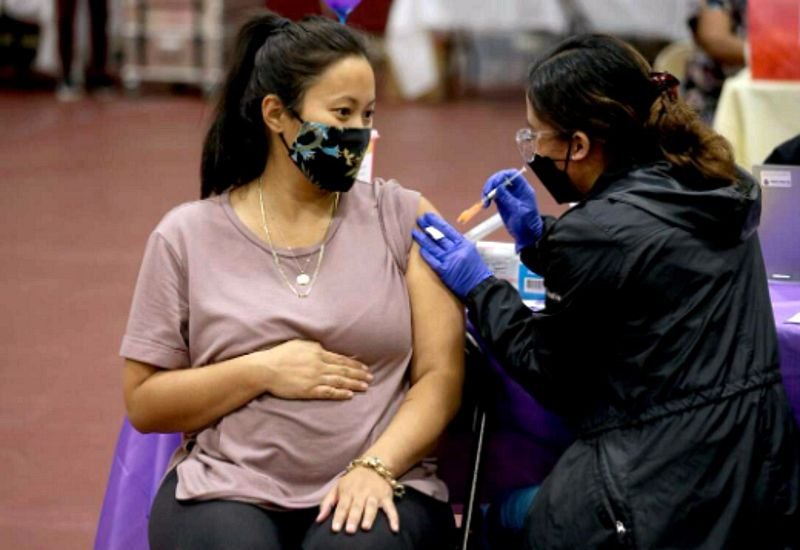

The Food and Drug Administration has approved updated COVID-19 vaccines, but limited their use to people at higher risk of severe illness, including adults 65 and older and younger individuals with underlying health conditions. The decision marks a sharp shift from earlier policies that recommended vaccines for nearly all Americans, raising questions about insurance coverage and access for healthy adults.
Approval Limited to High-Risk
On Wednesday, the FDA ended broader authorization of COVID-19 vaccines, clearing them only for adults 65 and older and younger people with medical conditions such as cancer, obesity, diabetes, chronic kidney disease, or heart disease. This change narrows eligibility significantly compared to past seasons when vaccines were broadly recommended.
Kennedy’s Announcement
Health and Human Services Secretary Robert F. Kennedy Jr. declared that the “emergency use authorizations” once applied widely are now rescinded. “The American people demanded science, safety, and common sense,” Kennedy said on X. “This framework delivers all three.” However, critics argue the move could complicate access for millions of healthy Americans.
Pharma Company Updates
Pfizer confirmed that its updated vaccine is approved for adults 65 and older and for those aged 5 to 64 with at least one high-risk condition. Moderna announced similar approvals, adding that its next-generation vaccine is cleared for adults 12 through 64 who are considered high-risk. Both companies said their shots would begin shipping immediately. Meanwhile, Novavax’s vaccine was authorized only for ages 12 and up in high-risk groups.
Impact on Children and Pregnant Women
The FDA’s decision means Pfizer’s shot is no longer cleared for children ages 6 months to 4 years, despite the company’s request to maintain that authorization. The CDC had already dropped recommendations for pregnant women and healthy children earlier this year. Still, the American Academy of Pediatrics (AAP) has maintained its stance that children under 2 should have access.
Pediatricians Sound Alarm
Dr. Susan Kressly, president of the AAP, criticized the FDA’s move as “deeply troubling.” She warned that COVID-19 poses unique dangers for infants and toddlers. “Any parent who wants their child vaccinated should have access to this vaccine,” Kressly said. “Today’s unprecedented action from HHS not only prevents this option for many families, but adds further confusion and stress for parents.”
Diverging Medical Guidance
The American College of Obstetricians and Gynecologists continues to recommend vaccination for pregnant women, stressing that immunization protects both mothers and infants. The AAP likewise urged the administration to keep vaccine decisions in the hands of families and medical experts rather than restricting access through federal policy.
Market Reactions and Policy Shift
Following the announcement, Pfizer and Moderna shares edged upward, while Novavax slipped slightly. The FDA’s policy marks a dramatic break from the previous nationwide approach of recommending annual COVID-19 shots for nearly all Americans over six months old, underscoring how U.S. vaccine policy is shifting under the current administration.