
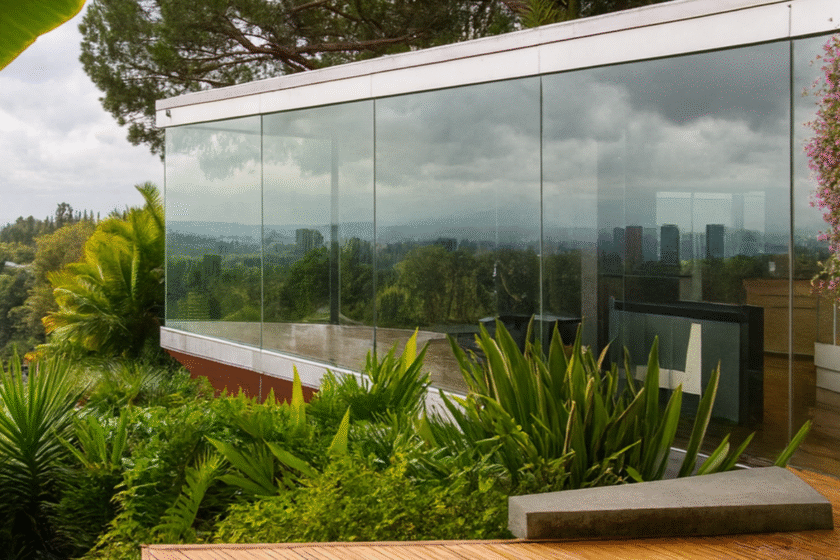

A significant chapter in architectural history is closing with the demolition of the Shusett House in Beverly Hills.
Designed by the renowned architect John Lautner in 1951, this home exemplified innovative design integrated with its natural surroundings.
The recent decision to raze this mid-century modern masterpiece has sparked debate among preservationists and architectural enthusiasts.
This development raises broader questions about the preservation of architectural heritage in rapidly changing urban landscapes.
The Shusett House: A 1951 Masterpiece
The Shusett House stands as a testament to John Lautner’s ingenuity and forward-thinking design.
Known for its organic architecture, the structure emphasized harmony between indoor and outdoor spaces.
Lautner’s use of glass walls and open floor plans brought the picturesque views of Beverly Hills into the home itself.
This approach was a hallmark of his work, influencing countless architects and creating a lasting impact on modern home design.
Lautner’s Legacy in Beverly Hills
John Lautner’s contributions to architecture extend far beyond a single structure, fostering a legacy that endures throughout Beverly Hills.
His innovative designs are celebrated for their boldness and creativity, redefining residential architecture in Southern California.
Despite his significant contributions, many of Lautner’s works face threats similar to the Shusett House, challenging preservationists to balance modern development with historical preservation.

Preservation Battle Unfolds
The demolition of the Shusett House has sparked a contentious debate between developers and preservationists.
Advocates argue that such architectural masterpieces deserve protection due to their cultural and historical significance.
However, the push for modern development often outweighs concerns for preservation, leading to difficult choices in cities like Beverly Hills.
This clash highlights an ongoing struggle to maintain architectural heritage amidst rapid urban growth.
The Role of the Lautner Foundation
The Lautner Foundation remains a key player in the fight to preserve Lautner’s architectural legacy.
Through advocacy and education, the foundation seeks to raise awareness about the significance of maintaining these historic structures.
Their efforts aim to influence policy decisions and encourage the preservation of mid-century modern architecture across the region.
As the Shusett House faces demolition, the foundation’s work underscores the importance of protecting architectural history for future generations.

LA Conservancy’s Last Stand
In October 2023, the Los Angeles Conservancy ramped up efforts to preserve the Shusett House in Beverly Hills.
Designed by renowned architect John Lautner, this Mid-Century Modern icon faced an imminent threat of demolition.
Built in 1950, its unique design has made it one of Lautner’s standout achievements.
The Conservancy argued that the architectural significance of the house warranted its preservation.
It highlighted Lautner’s influence in shaping Southern California’s modernist aesthetic.
His buildings are cherished for their innovative designs that seamlessly blend indoor and outdoor spaces.
Despite the passion to save it, challenges surrounded the preservation push.
The Conservancy cited the broader issue of historic properties in LA being replaced by larger, modern structures.
Many locals and architecture enthusiasts rallied to support the cause, hoping to influence decision-makers.
Efforts included petitions and outreach to city officials. However, the Conservancy faced an uphill battle against commercial interests and development pressures.
Discussions were centered on balancing cultural heritage with urban growth.
Timing was crucial as developers pushed for swift action.
The Conservancy’s fight underscored a larger conversation about heritage protection in rapidly developing urban areas.

Controversy Over Demolition Permits
The demolition of the Shusett House sparked significant debate in Beverly Hills.
On October 15, 2023, demolition permits were approved, stirring public outcry. Critics argued that the permit process had insufficient transparency.
Opponents questioned the motivations behind the permits, pointing to potential profit-driven interests.
Many called for a reevaluation of the criteria for historic preservation.
The city’s historical committee faced pressure to justify their decision amid growing tension.
Proponents of the demolition cited the need for modern spaces.
Developers planned to replace the Shusett House with a more contemporary structure, emphasizing functionality and newer architectural trends.
The controversy shone a light on the clashing values between conservationists and developers.
Each side presented compelling arguments, with the city’s future development in focus.
Residents voiced their concerns at public meetings, seeking accountability from city officials.
This debate is not isolated, reflecting a broader pattern across Los Angeles.
Architectural preservationists continue to advocate for stronger safeguards against rapid urbanization, emphasizing the cultural loss associated with such demolitions.
