
History often elevates certain figures to legendary status, yet not all of them truly merit the level of admiration they receive. Some are celebrated because of effective storytelling, political agendas, or cultural myth-making rather than their actual contributions. On the other hand, countless individuals have shaped the world in profound ways but remain in the shadows of more famous names. This article examines ten historical icons whose reputations overshadow the reality of their actions and five who deserve greater recognition. By looking beyond the surface, we can gain a richer and more balanced understanding of our shared past.
1. Christopher Columbus

Christopher Columbus is often praised as the man who “discovered” the Americas, yet he never set foot on the mainland of North America and encountered thriving civilizations long before his arrival. His expeditions opened the door to European colonization, but they also brought enslavement, violence, and diseases that devastated indigenous populations. Modern historical research paints a more complex and troubling picture than the heroic explorer image taught in schools. While his voyages were significant in connecting continents, his actions also had catastrophic consequences for native peoples, making his fame far more controversial than celebratory.
2. Marie Antoinette

Marie Antoinette is remembered as the ultimate symbol of aristocratic excess in pre-revolutionary France, famously (though falsely) credited with saying, “Let them eat cake.” While she faced immense political hostility and her life ended tragically, her actual political influence was limited. Much of her infamy was the result of propaganda from revolutionary forces seeking to vilify the monarchy. Though she was not entirely innocent of lavish spending, her role in France’s downfall has been exaggerated. The fascination with her life often overshadows the more systemic political and economic issues that led to the French Revolution.
3. Thomas Edison

Thomas Edison is widely celebrated as one of history’s greatest inventors, credited with innovations like the phonograph and practical electric light. However, Edison’s fame often overshadows the contributions of other inventors, including Nikola Tesla, and his aggressive business tactics sometimes crossed ethical lines. He was known for taking credit for work done by his employees and engaging in campaigns to undermine competitors. While his impact on technology is undeniable, his reputation as a lone genius is an oversimplification. Edison was as much a shrewd businessman as an inventor, and his legacy is more complicated than the myth suggests.
4. Julius Caesar

Julius Caesar is often portrayed as a brilliant military strategist and a transformative leader of Rome. While his conquests expanded Roman territory, they also caused immense bloodshed and political instability. Caesar’s rise to power marked the end of the Roman Republic, and his consolidation of authority set the stage for imperial rule. His fame as a reformer and statesman often glosses over the fact that his actions undermined democratic governance in Rome. Admired for his charisma and leadership, he was equally driven by personal ambition, making his legacy a blend of achievement and authoritarianism.
5. Che Guevara
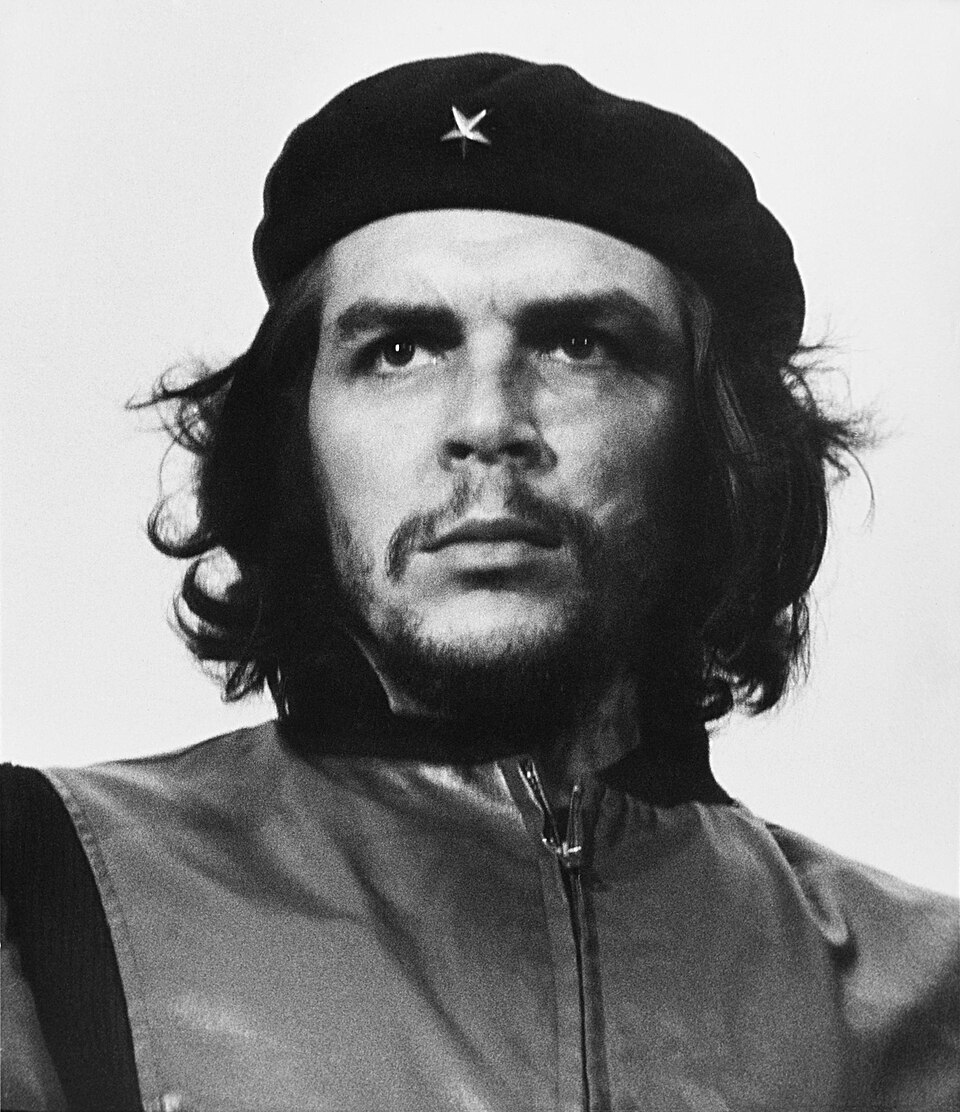
Che Guevara’s image has become a global symbol of rebellion and anti-imperialism, yet his real-life record is far more complex. A key figure in the Cuban Revolution, Guevara was also involved in overseeing executions of political opponents and implementing strict, often repressive policies. While admired for his commitment to revolutionary ideals, critics point to his role in human rights abuses and failed military campaigns in other countries. His enduring popularity often comes from romanticized imagery rather than a balanced understanding of his impact on governance, economics, and civil liberties in post-revolutionary Cuba.
6. Mahatma Gandhi

Mahatma Gandhi is celebrated as the father of India’s nonviolent independence movement, yet some of his personal beliefs and actions raise questions today. His early writings included racially insensitive remarks during his time in South Africa, and his relationships with young women in later years have drawn scrutiny. While his philosophy of nonviolence influenced movements worldwide, his image as a flawless moral leader is misleading. Recognizing these complexities does not diminish his achievements but rather offers a more nuanced perspective on a figure often elevated to near-sainthood in global narratives.
7. Winston Churchill

Winston Churchill is remembered as the steadfast British leader who helped guide the Allies to victory in World War II. However, his legacy includes imperialist policies, controversial wartime decisions, and inflammatory remarks on race. His role in the Bengal famine of 1943, which led to millions of deaths, remains a deeply debated aspect of his career. While his wartime leadership was undeniably crucial, his broader political record reveals a man whose decisions were sometimes driven by outdated and harmful colonial attitudes, making his legacy both celebrated and contested.
8. John F. Kennedy

John F. Kennedy remains one of America’s most popular presidents, admired for his charisma, inspirational speeches, and handling of the Cuban Missile Crisis. However, his legislative accomplishments were relatively modest compared to his reputation, and his personal life included numerous scandals and health issues kept from the public. The idealized “Camelot” image surrounding his presidency often overshadows the reality of a leader whose time in office was cut short before many of his promises could be realized. Kennedy’s appeal often rests more on style and symbolism than on lasting policy achievements.
9. John Lennon

John Lennon is hailed as a champion of peace and love, particularly through his music and activism with Yoko Ono. Yet Lennon himself admitted to acts of domestic violence in his early life and struggled with personal contradictions. While his later years reflected genuine efforts toward change, the public image of Lennon as a purely peaceful figure overlooks the more troubling aspects of his past. His story is a reminder that even cultural icons can have deeply flawed personal histories that complicate their legacies.
10. Pablo Picasso

Pablo Picasso revolutionized the art world with his pioneering work in Cubism and other styles. However, his relationships with women were often manipulative and emotionally damaging. Several of his partners experienced long-term trauma, and his own words revealed a pattern of objectifying and controlling behavior. While his artistic achievements are undeniable, the tendency to separate the art from the artist has shielded him from the scrutiny that similar behavior would attract today. Picasso’s legacy is a vivid example of how extraordinary talent can coexist with deeply problematic conduct.
Under-Appreciated Icons That Deserve Spotlight
1. Rosalind Franklin

Rosalind Franklin was a brilliant scientist whose X-ray diffraction images were crucial to the discovery of DNA’s double-helix structure. However, her contributions were not fully recognized during her lifetime, and much of the credit went to James Watson and Francis Crick. Franklin’s meticulous research and expertise laid the foundation for one of the greatest scientific breakthroughs of the 20th century. Today, historians and scientists alike are working to restore her place in the narrative, making her a symbol of the struggles faced by women in science.
2. Nikola Tesla

Nikola Tesla made groundbreaking contributions to electrical engineering, including the development of alternating current, radio technology, and early concepts for wireless communication. Despite his genius, Tesla struggled financially and was often overshadowed by more commercially successful figures like Thomas Edison. His work laid the foundation for much of modern electrical power systems, yet he died in relative obscurity. Today, Tesla is increasingly celebrated, but his historical recognition still lags behind the scale of his achievements, making him one of history’s most underappreciated innovators.
3. Harriet Tubman

Harriet Tubman is rightly remembered for leading enslaved people to freedom through the Underground Railroad, but her contributions extended far beyond that role. She served as a scout, spy, and nurse for the Union Army during the Civil War and later worked for women’s suffrage. Despite her extraordinary life, Tubman’s story was often simplified to a single chapter, overshadowing her broader activism and leadership. Her resilience and courage make her one of the most deserving figures of greater historical recognition.
4. Alan Turing

Alan Turing’s work in cracking the German Enigma code during World War II significantly shortened the conflict and saved countless lives. He also laid the groundwork for modern computer science. Despite his achievements, Turing faced persecution for his homosexuality and died under tragic circumstances. His story is a reminder of how prejudice can overshadow even the most monumental contributions to humanity. Recognition of his role has grown in recent years, but his place in history still deserves more emphasis.
5. Nellie Bly

Nellie Bly transformed investigative journalism with her fearless undercover work, including exposing abuses in mental institutions and traveling around the world in record time. Her reporting brought about real social change, yet her name is less known than many of her male contemporaries. Bly’s courage, creativity, and commitment to social justice make her an enduring inspiration. Her legacy is a testament to the power of journalism to challenge injustice and tell the stories that others ignore.