
Folk heroes often live in our memories as larger-than-life figures, embodying courage, adventure, and resilience. Yet behind these romanticized legends, the truth can be far more complicated and even tragic. Many of America’s beloved icons endured hardship, betrayal, or grim endings that history books often gloss over. By looking beyond the myths, we uncover the very human struggles that shaped their stories. These darker realities don’t diminish their place in folklore but add depth, reminding us that heroism often comes at a great personal cost.
1. Davy Crockett

Davy Crockett is remembered as the rugged frontiersman and fearless defender of the Alamo, but his real life was riddled with struggles. He faced political setbacks, financial hardship, and personal tragedy long before he died in battle. After losing re-election to Congress, he left Tennessee with the hope of starting anew in Texas, only to meet his end at the infamous siege. While the legend portrays him as a flawless hero, the truth reveals a man whose journey was marked by loss, resilience, and the burden of living up to his own growing myth.
2. Annie Oakley

Annie Oakley dazzled audiences with her sharpshooting skills, becoming an icon of the Wild West. However, her early life was far from glamorous. Orphaned at a young age, she endured poverty and abuse before finding her way into show business. Even after achieving fame, she faced tabloid scandals and false accusations that tarnished her reputation. Oakley spent years in legal battles to clear her name, showing remarkable determination. Her story reminds us that behind the glitter of the stage was a woman who fought tirelessly to protect her integrity and independence in a male-dominated world.
3. Johnny Appleseed

Johnny Appleseed, born John Chapman, is often portrayed as a whimsical wanderer spreading apple trees across America. In reality, his life was one of constant hardship and eccentricity. While he did plant orchards, they were often for hard cider production rather than wholesome fruit. He lived a solitary existence, wore tattered clothing, and survived in rough conditions. Though deeply religious, his unconventional lifestyle made him both admired and misunderstood by his contemporaries. His real story is less about cheerful planting and more about the grit of surviving a rough frontier life on one’s terms.
4. Paul Bunyan

Paul Bunyan is celebrated as a giant lumberjack with superhuman strength, but the legend grew from the harsh realities of America’s logging camps. These environments were brutal, with long hours, dangerous work, and meager pay. The tall tales were a way for lumberjacks to inject humor into their exhausting lives. While Bunyan himself may be fictional, the real men behind the myth endured injury, isolation, and economic uncertainty. The Paul Bunyan stories gloss over the fact that logging was one of the most perilous jobs of the time, where survival often required extraordinary toughness.
5. Calamity Jane

Calamity Jane’s legend paints her as a fearless sharpshooter and frontier adventurer, but her personal life was turbulent. Born Martha Jane Canary, she struggled with poverty, alcoholism, and periods of homelessness. While she did perform acts of bravery, such as nursing smallpox victims, she also exaggerated parts of her life to fit the persona she created. Her later years were spent performing in Wild West shows, often in declining health. Jane’s story shows that the gap between self-made legend and lived reality can be filled with hardship, loss, and the desperate need to survive.
6. Daniel Boone

Daniel Boone is remembered as a pioneer who explored and settled Kentucky, but his life was marked by financial loss and personal tragedy. Despite his reputation as a skilled woodsman, Boone often struggled with debt due to failed land claims and poor investments. He also faced the heartbreak of losing family members to illness and violence on the frontier. While the myths surrounding Boone celebrate endless adventure, they obscure the reality that exploration came at a high cost, both emotionally and materially, for one of America’s most famous trailblazers.
7. Wild Bill Hickok

Wild Bill Hickok’s reputation as a fearless gunfighter and lawman was bolstered by countless stories, but his end was sudden and grim. After a career filled with dangerous encounters, he was shot in the back while playing cards in a Deadwood saloon. His so-called “dead man’s hand” became legend, but his life had been one of constant peril, legal troubles, and declining health. While Hickok’s name lives on in Western lore, the reality is that his dangerous profession and public notoriety made him a target until the very end.
8. Jesse James

Jesse James is often romanticized as a Robin Hood figure, stealing from the rich to give to the poor. In truth, he was a ruthless outlaw who engaged in violent robberies and killings. His criminal career was driven more by personal gain and post-war bitterness than noble ideals. Betrayed by one of his gang members, James was shot in the back at home. The popular image of a charming bandit overshadows the fact that his life was filled with violence, mistrust, and the inevitability of a violent death.
9. Kit Carson

Kit Carson became famous as a scout, explorer, and frontiersman, but the real story includes controversial actions against Native Americans. While he helped map and open the West, Carson also played a role in military campaigns that displaced indigenous communities. His later years were plagued by illness and regret over some of his actions. The legend celebrates his adventurous spirit but often ignores the moral complexities and darker consequences of his work. Carson’s life reflects the uncomfortable truth that heroes can leave behind a mixed and complicated legacy.
10. Geronimo

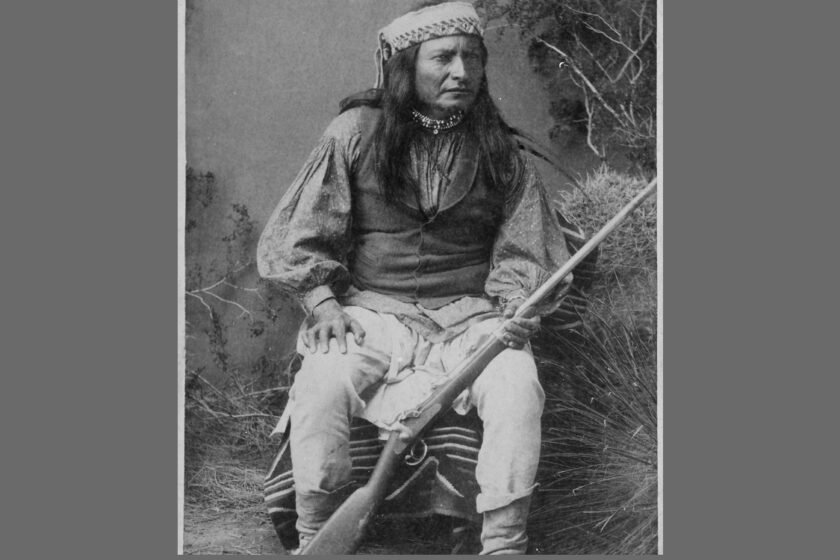
Geronimo is celebrated as a fearless Apache leader who resisted U.S. and Mexican forces, but his life was one of relentless struggle. He endured the slaughter of his family, years of warfare, and eventual capture. Despite being promised freedom, Geronimo spent his final years as a prisoner of war. While he became a symbol of resistance, he also faced exploitation, performing at fairs and events under tight control. His story is both inspiring and heartbreaking, showing the toll of lifelong defiance against overwhelming odds.
11. Billy the Kid

Billy the Kid’s legend paints him as a charming outlaw with a quick draw, but his life was short and violent. Born Henry McCarty, he was orphaned young and drifted into crime. While he became famous for his escapes and gunfights, he also faced constant danger, betrayal, and poverty. His life ended at just twenty-one when he was shot by Sheriff Pat Garrett. The myth of a carefree outlaw masks the reality of a young man caught in a cycle of lawlessness and inevitability.
12. Sacagawea

Sacagawea is remembered as the Shoshone woman who guided Lewis and Clark, but her life was marked by hardship and uncertainty. Taken from her tribe as a child, she was sold into marriage to a French-Canadian trapper. While she played a vital role in the expedition, she had little control over her destiny. Historical records about her later years are conflicting, with some suggesting she died young. Sacagawea’s bravery and skill are undeniable, but her story is also one of survival amid the challenges and dangers faced by Native women of her time.