
South America overflows with color, rhythm, and tradition, and its festivals are vibrant reflections of its diverse cultures. From massive street parades to intimate spiritual rituals, these celebrations offer travelers unforgettable ways to connect with local heritage. Some date back centuries, rooted in indigenous customs, while others showcase modern creativity through music, art, and performance. In this article, we highlight thirteen remarkable festivals that happen across the continent each year. Whether you are seeking breathtaking spectacle or meaningful cultural immersion, these events capture the very spirit of South America and deserve a place on every traveler’s bucket list.
1. Carnival (Brazil)

Brazil’s Carnival is a dazzling pre-Lent celebration famous for its samba parades, elaborate costumes, and electrifying energy. Lasting about six days, it culminates in Rio de Janeiro’s Sambadrome, where samba schools compete with spectacular floats and choreography. Street parties pulse with music and dancing in every neighborhood, creating an atmosphere of unity and joy. Carnival is not just entertainment—it is a cultural expression deeply tied to Brazil’s identity. The combination of artistry, rhythm, and community spirit makes it one of the world’s most celebrated festivals, drawing millions of locals and visitors to dance, sing, and celebrate together each year.
2. Inti Raymi (Peru)

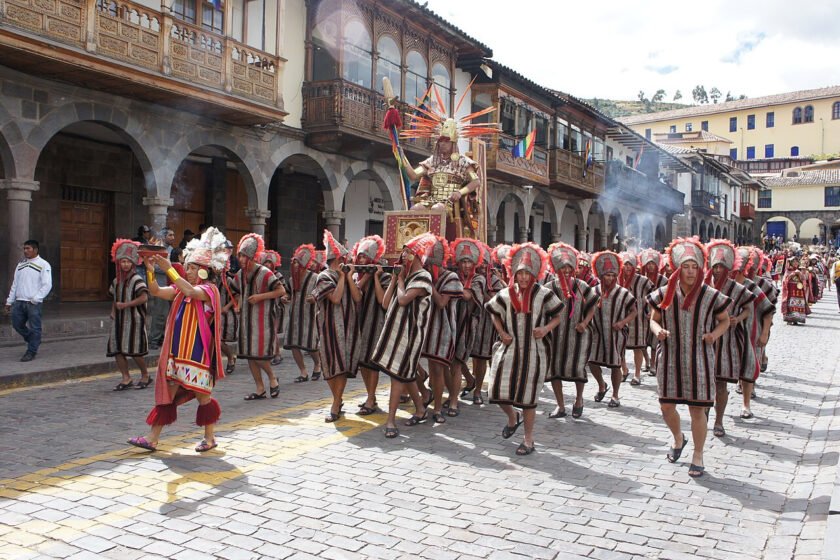
Inti Raymi, held on June 24 in Cusco, honors the Inca Sun God during the winter solstice. Once a central ceremony of the Inca Empire, it has been revived as a grand historical reenactment. The festivities begin at Qorikancha, continue through Cusco’s main square, and culminate at Sacsayhuamán with dances, music, and symbolic offerings. Thousands gather to watch performers in traditional attire recreate the rituals of their ancestors. The festival reflects a deep respect for nature and history, offering travelers an immersive connection to Andean heritage in a breathtaking highland setting that still holds powerful spiritual meaning today.
3. Oruro Carnival (Bolivia)

The Oruro Carnival is Bolivia’s most famous festival, combining Catholic traditions with indigenous Andean beliefs. Its highlight is the Diablada, a dance featuring performers in elaborate devil costumes, masks, and embroidered outfits. Over several days, processions fill the streets with music, color, and theatrical performances. Recognized by UNESCO as a Masterpiece of the Oral and Intangible Heritage of Humanity, it blends devotion with creativity in a way that is uniquely Bolivian. For travelers, the festival is both a visual spectacle and a cultural journey, reflecting centuries of history and the enduring spirit of the local community.
4. Bumba Meu Boi (Brazil)

Bumba Meu Boi is a colorful and theatrical folk festival celebrated mainly in Maranhão, Brazil, between June and July. It blends music, dance, and storytelling to narrate the legendary tale of a resurrected ox, mixing indigenous, African, and Portuguese influences. Performers wear elaborate costumes, and the streets come alive with vibrant parades, drumming, and intricate choreography. The event is recognized by UNESCO as part of the Intangible Cultural Heritage of Humanity. For visitors, it offers a chance to experience Brazil’s cultural diversity beyond Carnival, with deep local pride and community involvement making it an unforgettable celebration.
5. Fiesta de la Vendimia (Argentina)

Argentina’s Fiesta de la Vendimia in Mendoza celebrates the annual grape harvest with elegance and excitement. Held each March, the festival includes parades featuring dancers, gauchos, and colorful floats. The highlight is the selection of the National Vendimia Queen, followed by a grand show in Mendoza’s Greek theater with fireworks and live music. It is a joyful tribute to the region’s world-renowned wine culture and the hard work of those who cultivate the vineyards. The event combines agricultural tradition with theatrical spectacle, offering visitors a sensory experience of taste, sight, and sound in the heart of wine country.
6. Feria de las Flores (Colombia)

Medellín’s Flower Festival bursts into bloom each late July or early August, celebrating the city’s floral heritage. The main attraction is the Parade of the Silleteros, where flower growers carry elaborate arrangements on wooden frames strapped to their backs. The festival also features concerts, horse parades, and art exhibitions, turning the city into a canvas of color and fragrance. It honors both the natural beauty of Colombia’s flowers and the cultural traditions of the Antioquia region. For travelers, the Feria de las Flores offers a joyful, fragrant, and visually stunning celebration unlike any other in the world.
7. Tapati Rapa Nui (Chile)

The Tapati Festival on Easter Island is a vibrant celebration of Rapa Nui culture held each February. It features traditional competitions such as body painting, canoe races, wood carving, and the thrilling Haka Pei, where participants slide down steep hills on banana tree trunks. Music, dance, and storytelling bring ancestral traditions to life, while the island’s stunning landscapes provide an unforgettable backdrop. The festival fosters pride among the Rapa Nui people and offers visitors an authentic experience of Polynesian heritage in South America’s most remote corner. It is a rare opportunity to witness living culture in a spectacular setting.
8. Estéreo Picnic (Colombia)

Estéreo Picnic is Colombia’s premier contemporary music festival, held annually in Bogotá. Since its debut in 2010, it has grown into a major event that attracts international headliners alongside local and regional talent. The lineup spans genres including rock, pop, electronic, hip hop, and reggae, drawing tens of thousands of fans. Beyond the music, the festival offers art installations, gourmet food, and a vibrant social atmosphere. For travelers seeking modern culture and nightlife in South America, Estéreo Picnic delivers a dynamic, urban celebration of creativity and connection through the universal language of music.
9. Uruguayan Carnival (Uruguay)

Montevideo’s Carnival is the longest in the world, running from mid-January to late February. Rooted in Afro-Uruguayan culture, it features the candombe, a drumming tradition with dancers and vibrant costumes, and the murga, a satirical musical theater performance. The Desfile Inaugural opens the festivities, while the Desfile de Llamadas celebrates African heritage with processions of drummers through the streets. Neighborhood stages called tablados host nightly performances, making the carnival a citywide celebration. For visitors, it is an unforgettable immersion into Uruguay’s cultural heartbeat, where music, theater, and community spirit come alive.
10. Pachamama Ritual (Bolivia)

Every August, communities across Bolivia honor Pachamama, or Mother Earth, with traditional offerings to promote harmony with nature. These ceremonies, rooted in Inca heritage, involve creating mesitas—arrangements of coca leaves, grains, sweets, and symbolic items—which are burned or buried as a gesture of gratitude. The rituals are often led by spiritual guides in rural areas and are attended by families, farmers, and miners alike. For travelers, participating in or witnessing these ceremonies offers a deeply spiritual experience and a meaningful insight into Andean cosmology, where respect for the land is at the heart of daily life.
11. Carnaval del País (Argentina)

Carnaval del País, held in Gualeguaychú, Argentina, is the country’s most famous carnival. Taking place on weekends from January to March, it features parades with massive floats, extravagant costumes, and samba-inspired choreography. The event blends Brazilian-style spectacle with Argentine flair, attracting thousands of spectators. Performers from various comparsas compete to impress judges and the crowd with their creativity and energy. The vibrant atmosphere, pulsing music, and community pride make Carnaval del País an unmissable experience for travelers seeking the exuberance of carnival in a uniquely Argentine setting.
12. Virgen de Urkupiña Festival (Bolivia)

Celebrated every August in Quillacollo, the Virgen de Urkupiña Festival is one of Bolivia’s most important religious events. It honors the Virgin Mary with processions, traditional dances, music, and rituals that mix Catholic devotion with indigenous traditions. Pilgrims travel from across the country to participate, and many visit the Calvary Hill to symbolically break rocks, believed to bring prosperity. The festival blends faith, folklore, and community in a colorful and deeply spiritual celebration. For visitors, it is an opportunity to experience Bolivia’s cultural richness and the heartfelt devotion of its people.
13. Fiesta del Mar (Colombia)

Santa Marta’s Fiesta del Mar takes place each July, celebrating the city’s maritime heritage and Caribbean culture. Events include aquatic sports, parades, music concerts, and the selection of the National Sea Queen. The festival showcases the region’s connection to the sea, its fishing traditions, and its vibrant coastal identity. With beaches as the backdrop, the Fiesta del Mar combines sporting excitement with cultural expression. For travelers, it offers a lively, sun-soaked celebration filled with music, dance, and the warm hospitality of Colombia’s Caribbean coast.