
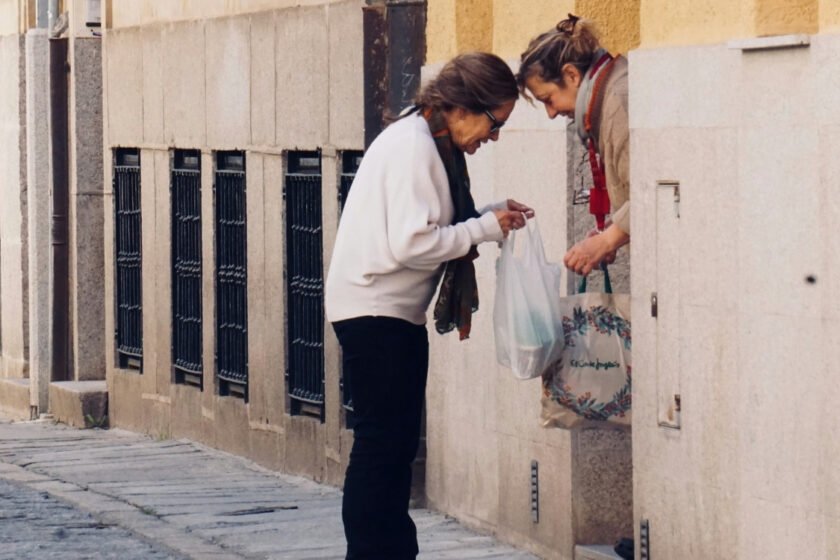
In earlier decades, neighborhoods had a stronger sense of togetherness than many communities do today. Boomers often recall traditions where neighbors looked out for one another, shared resources, and spent quality time building connections. These customs not only fostered trust but also created lasting bonds between families. While modern living has changed how communities interact, these practices remain nostalgic reminders of a more connected era. Let’s explore ten neighborly customs that Boomers remember with fondness, reflecting the values of kindness, generosity, and community spirit.
1. Sharing Home-Cooked Meals

Boomers have pleasant memories of their neighbors bringing over extra food, usually in the form of stews, pies, or casseroles. Sharing meals was more than a gesture of kindness; it was a way to ensure no one went hungry and to build friendships through comfort food. This tradition strengthened the bonds of warmth and trust between families. According to studies published in the Journal of Social and Personal Relationships, sharing food fosters stronger ties within the community, making it one of the most treasured neighborly customs from the past.
2. Borrowing and Returning Tools

Boomers often recall how neighbors borrowed and returned items like sugar, flour, or even garden tools without hesitation. This habit demonstrated a level of trust and mutual dependence that helped strengthen neighborhood bonds. Borrowing was not seen as an inconvenience but rather as a natural extension of community living. In fact, it was often the start of conversations that deepened friendships. Today, with stores open late and delivery services available, this custom has faded, but it reflected a time when resource-sharing helped people save money and built neighborly goodwill.
3. Neighborhood Barbecues and Block Parties

Boomers fondly recall block parties where neighbors came together for food, music, and games. These events celebrated holidays, birthdays, or simply the joy of community living. They created lasting bonds among families and gave children the chance to form friendships that shaped their upbringing. Unlike the fast-paced lifestyle of today, these gatherings emphasized togetherness and relaxation. The National Museum of American History highlights block parties as a cultural tradition that reflects the values of unity and belonging in postwar America.
4. Borrowing a Cup of Sugar

Boomers grew up in communities where borrowing small items like sugar, flour, or eggs was common and expected. This simple gesture reinforced bonds between neighbors and created a culture of trust and interdependence. Unlike today’s world, where people are more self-sufficient or rely on grocery delivery, earlier generations saw value in leaning on one another for everyday needs. According to the Smithsonian Magazine, postwar American suburbs emphasized community living, where such exchanges were part of building strong neighborhood ties.
5. Sharing Garden Harvests

Many Boomers remember neighbors sharing fresh vegetables and fruits from their backyard gardens. Whether it was tomatoes, zucchini, or apples, these offerings often came with recipes and conversations that strengthened friendships. Gardening was not just a hobby but a community activity where abundance was meant to be shared. This practice reflected a broader culture of resourcefulness and connection in mid-20th-century America. The U.S. Department of Agriculture has documented how home gardens played a major role in supplementing household food supplies after World War II.
6. Neighborhood Watch by Default

Before organized programs, Boomers experienced a time when neighbors naturally watched out for each other’s homes. If a car looked suspicious or a stranger lingered, someone would alert the family. This unspoken agreement helped reduce crime and build trust. Parents frequently allowed their children to play outside because they understood that the neighborhood as a whole served as a safety net. Formal neighborhood watch programs were established later in the 1970s, but informal community vigilance preceded them, according to the Bureau of Justice Statistics.
7. Helping with Big Projects

From painting a house to repairing a roof, neighbors once rallied to help one another with major tasks. These efforts often ended with shared meals or barbecues, reinforcing the sense of community achievement. Boomers remember that lending a hand was part of being a good neighbor, without expectation of payment. Such traditions are less common today as professional services have replaced neighborly assistance. The National Archives has documented how community-based labor exchanges were an essential part of American life well into the 20th century.
8. Sharing Family Recipes

Boomers often remember neighbors exchanging family recipes, passing along handwritten cards filled with cooking secrets. These exchanges were more than just about food; they were about sharing heritage, traditions, and trust. Potlucks and community dinners often featured these recipes, creating bonds that transcended generations. Food was a way to connect families and celebrate culture at a neighborhood level. The American Folklife Center at the Library of Congress emphasizes how food-sharing traditions represent an essential part of American cultural identity.
9. Babysitting Each Other’s Kids

Neighbors frequently babysat one another’s children, whether for a quick errand or a full evening out. This system worked on trust and reciprocity, allowing families to rely on each other without formal payment. Boomers recall this as an extension of community responsibility, where adults collectively ensured the well-being of children. Today, professional babysitting services often replace these casual arrangements. The U.S. Census Bureau reports that informal childcare among neighbors and relatives was the most common form of childcare until the late 20th century.
10. Holiday Gift Exchanges

Boomers cherish the memory of exchanging small gifts with neighbors during holidays, from homemade cookies to hand-knitted scarves. These gestures symbolized warmth and goodwill, adding a personal touch to community living. Unlike the commercialization of holiday traditions today, these exchanges carried emotional value and deepened neighborhood bonds. They served as a reminder that the holiday spirit was rooted in generosity and connection. The Smithsonian Institution notes that these traditions were part of community-centered holiday celebrations in mid-century America, shaping how families experienced the season.