
Step off the well-trodden path and experience Boston’s Freedom Trail in a completely new way. Beyond the iconic landmarks lie hidden gems, quiet cemeteries, historic libraries, and tucked-away sites that hold fascinating stories of the city’s colonial and revolutionary past. Exploring these overlooked treasures allows visitors to uncover the lives, struggles, and achievements of those who shaped early America, offering a more personal, immersive journey through the streets where history was made.
1. King’s Chapel Burying Ground

Step into King’s Chapel Burying Ground and you’re walking through Boston’s earliest colonial history. Established in 1630, it is the city’s oldest burying ground and a silent witness to centuries of change. Here lie the remains of prominent early settlers, including governors and ministers who shaped Massachusetts. The worn headstones and shaded pathways tell stories of life, death, and faith in early Boston. Unlike more crowded sites, this cemetery offers a contemplative glimpse into the city’s past, where each marker holds a lesson in history and heritage.
2. Old Corner Bookstore

The Old Corner Bookstore stands as a testament to Boston’s literary legacy. In the 19th century, it served as the hub for major publishing houses, nurturing some of America’s most influential writers. Its brick facade and historic architecture transport visitors back to a time when ideas and literature shaped public discourse. Today, even as a commercial space, the building whispers stories of Boston’s intellectual past. A quiet pause here allows history lovers to appreciate the city’s role in fostering culture, creativity, and education.
3. Boston Athenaeum

Tucked slightly off the main trail, the Boston Athenaeum is a treasure trove of knowledge and art. Founded in 1807, it is one of the oldest independent libraries in the United States. Its walls house rare books, manuscripts, and works of art that reflect Boston’s cultural evolution. Visitors can explore elegant reading rooms and exhibitions that reveal the city’s intellectual and artistic growth. The Athenaeum invites curiosity, offering a peaceful, inspiring space to connect with centuries of scholarship and the enduring pursuit of knowledge.
4. Copp’s Hill Burying Ground

Perched in the North End, Copp’s Hill Burying Ground offers both history and perspective. Established in 1659, it serves as the final resting place for influential Puritan families and artisans of colonial Boston. From its elevated location, visitors can enjoy sweeping views of the city and the harbor, imagining life in a bustling colonial port. The gravestones and monuments provide insight into social hierarchies, religious beliefs, and community life of the 17th century, making this site a quiet yet powerful window into Boston’s formative years.
5. Old South Meeting House

Step inside the Old South Meeting House and feel the heartbeat of revolutionary Boston. This historic building was the site of planning meetings that culminated in the Boston Tea Party, making it a crucible of political thought and activism. The hall’s high ceilings and wooden pews echo with debates and speeches from patriots who challenged imperial authority. Exploring this site reveals the grassroots organization and civic engagement that fueled the fight for independence. It’s more than a landmark; it’s a living classroom on democracy, protest, and collective courage.
6. Granary Burying Ground

Granary Burying Ground is a cornerstone of Boston’s revolutionary history. Home to the graves of Paul Revere, Samuel Adams, and John Hancock, it offers a tangible connection to the figures who shaped America’s independence. While it attracts many visitors, lingering here reveals details often missed in a quick walk-through: the artistry of the headstones, inscriptions revealing family histories, and the layout reflecting colonial burial practices. Standing among these monuments, one gains a deeper appreciation for the personal sacrifices and everyday lives of Boston’s founding figures.
7. Boston Latin School Site

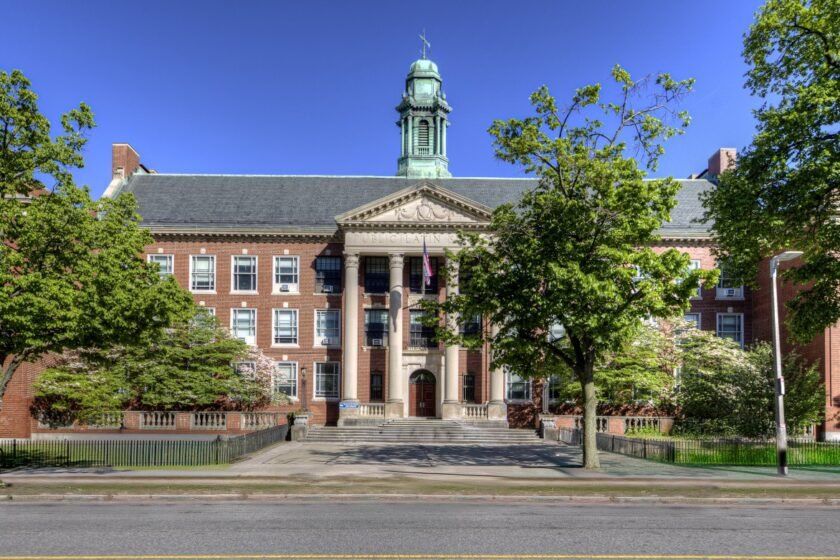
The original site of the Boston Latin School marks the birthplace of public education in America. Founded in 1635, the school educated generations of leaders, including Benjamin Franklin, instilling classical learning and civic responsibility. Though only a plaque remains today, its legacy is immense, reminding visitors of the city’s commitment to scholarship and opportunity. Reflecting on this site provides insight into the role of education in shaping society and offers a quiet moment to honor the intellectual foundations that contributed to America’s revolutionary ideals.