

The Great Lakes are home to a hidden world of islands, each offering its own unique blend of history, charm, and adventure. Far from bustling tourist spots, these secluded gems beckon explorers to stroll along quiet beaches, hike rugged trails, and uncover historic lighthouses tucked away from view. Paddle through winding channels, wander abandoned settlements, or simply immerse yourself in untouched forests and tranquil waters. For travelers seeking solitude, natural beauty, and stories of the past, these islands offer unforgettable discoveries waiting to be explored.
1. St. Joseph Island, Lake Huron
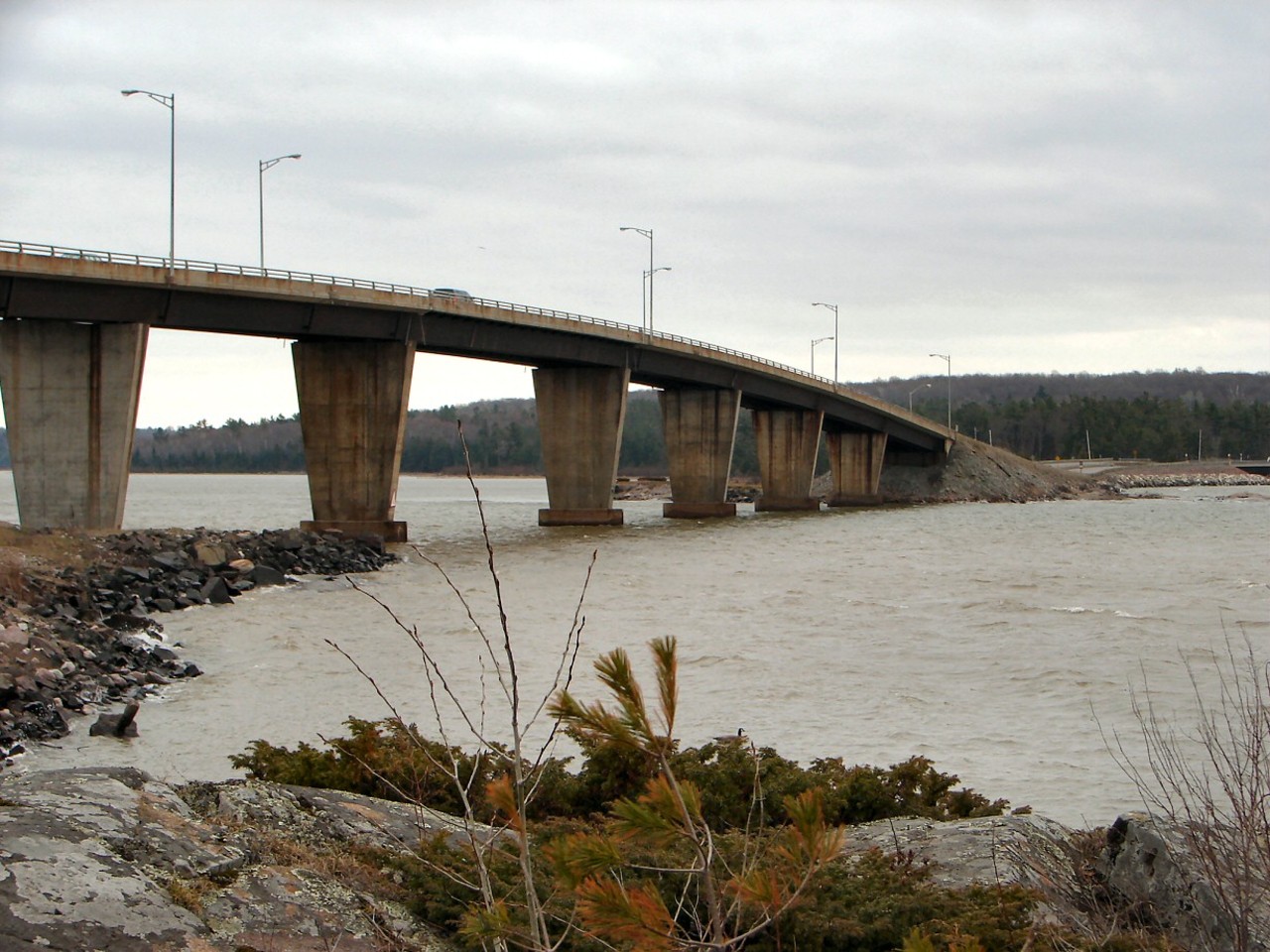
St. Joseph Island rests off the Canadian shore of Lake Huron, blending deep history with peaceful natural landscapes. Once home to Fort St. Joseph, a British outpost central to the War of 1812, the island now preserves its past through carefully maintained ruins and an interpretive center. Beyond history, St. Joseph is famed for its maple syrup production, scenic forest drives, and excellent fishing waters. Visitors can enjoy boating, wildlife watching, and small-town hospitality, making it both a cultural and outdoor retreat.
2. Pelee Island, Lake Erie
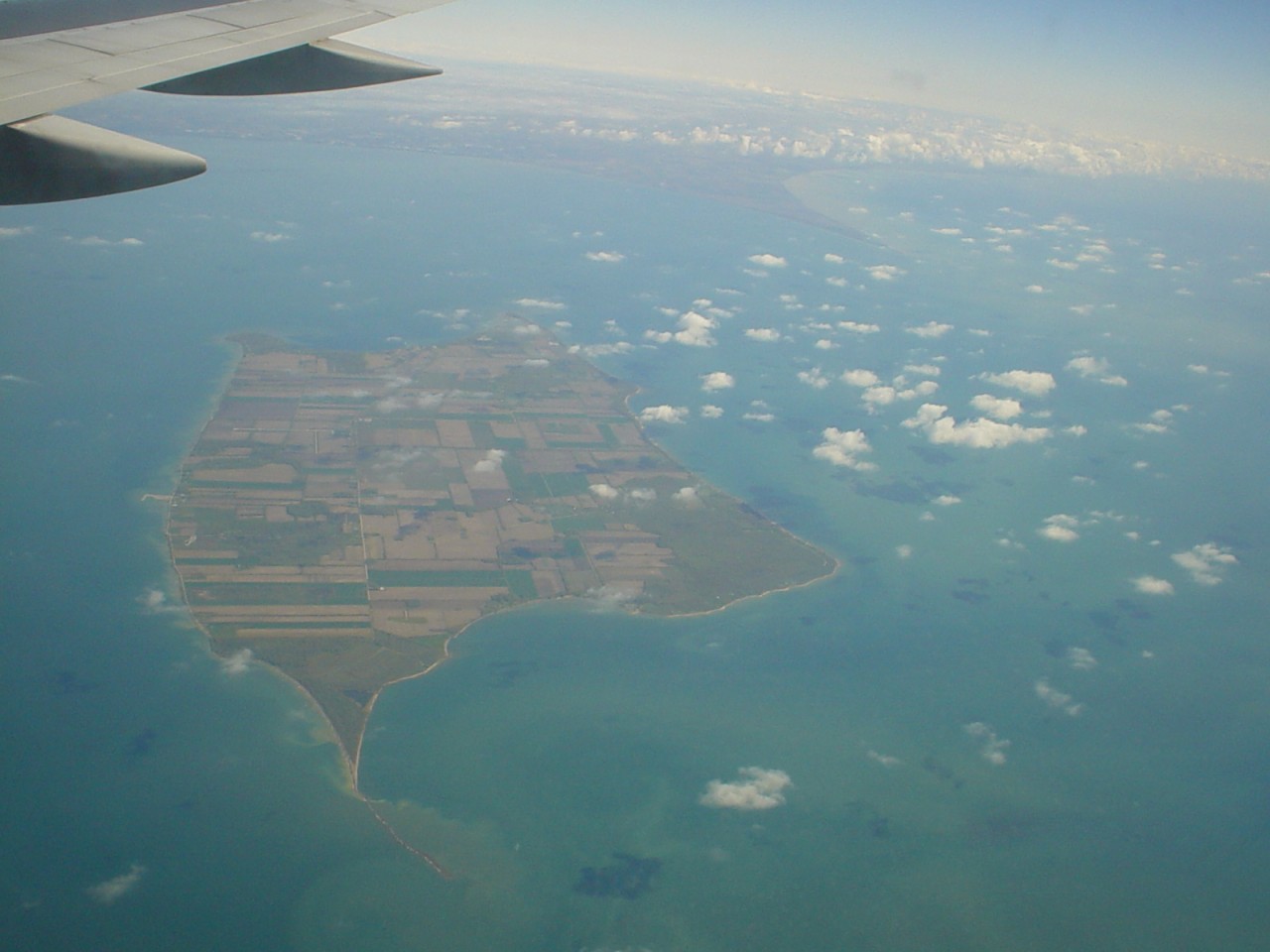
Pelee Island is Canada’s southernmost inhabited point, and it offers a mix of natural beauty and cultural intrigue. Known for its vineyards, bird migrations, and laid-back charm, it feels worlds away from the busy mainland. The island has remnants of early settlements, a restored lighthouse, and wetlands teeming with wildlife. Visitors often bike around its flat roads, stopping at beaches or local wineries along the way. With its slow pace and rich ecology, Pelee is a hidden treasure in Lake Erie.
3. Drummond Island, Lake Huron

For those seeking adventure on four wheels, Drummond Island offers some of Michigan’s most extensive off-road vehicle (ORV) trails. With over 60 miles of ATV trails and 40 miles of ORV routes, the island’s rugged terrain provides a thrilling experience for riders of all skill levels. The DNR-sponsored trail system is the largest closed-loop ORV system in the state, featuring diverse landscapes from dense forests to open fields. Whether you’re a seasoned rider or a beginner, Drummond Island promises an unforgettable off-roading adventure.
4. Grand Island, Lake Superior
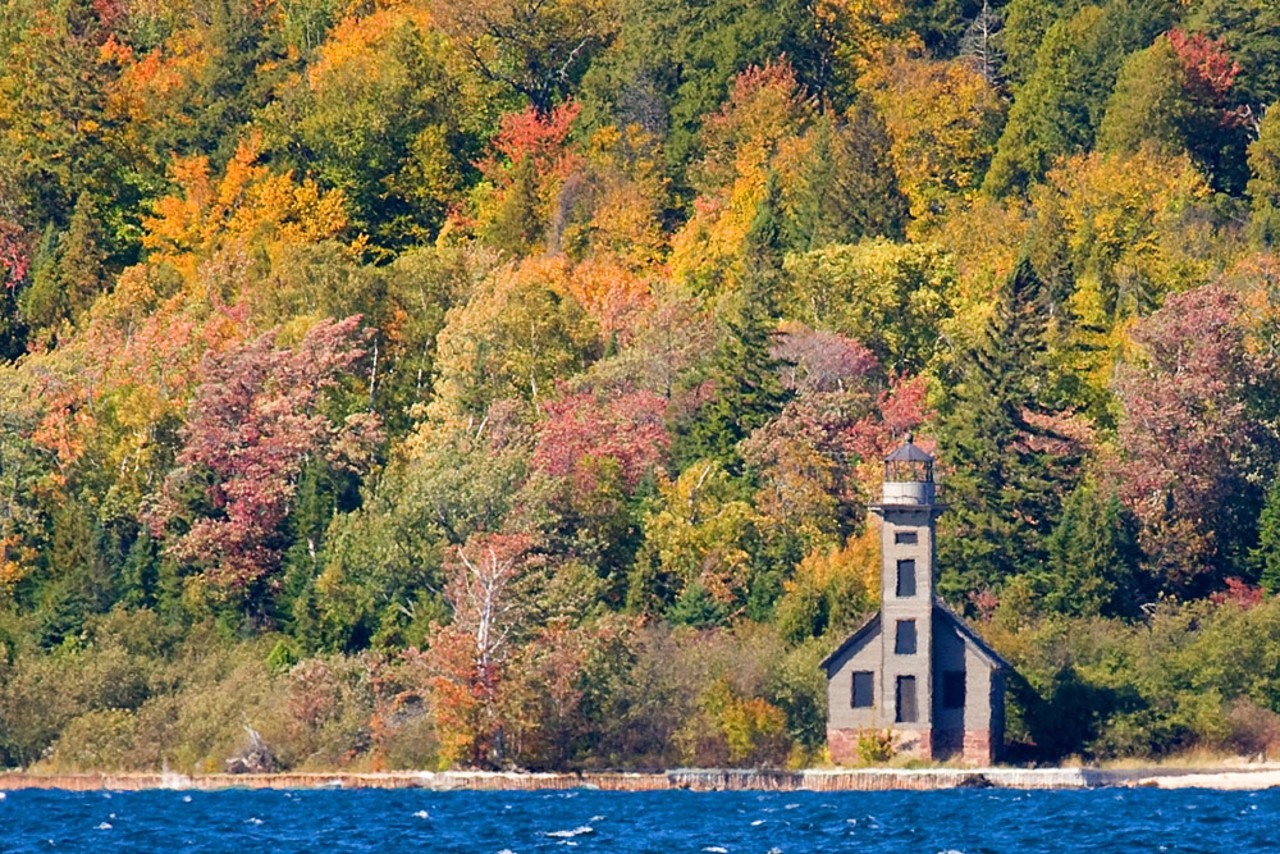
Grand Island sits just off the coast of Michigan’s Upper Peninsula, near the town of Munising. Known for its striking sandstone cliffs and quiet forests, it offers a less-crowded alternative to the nearby Pictured Rocks National Lakeshore. Biking and hiking trails loop around the island, revealing hidden beaches and old farmsteads. The Grand Island East Channel Lighthouse is a favorite landmark, standing as a weathered reminder of the region’s shipping history. It’s a place where nature and history quietly meet.
5. Manitou Islands, Lake Michigan
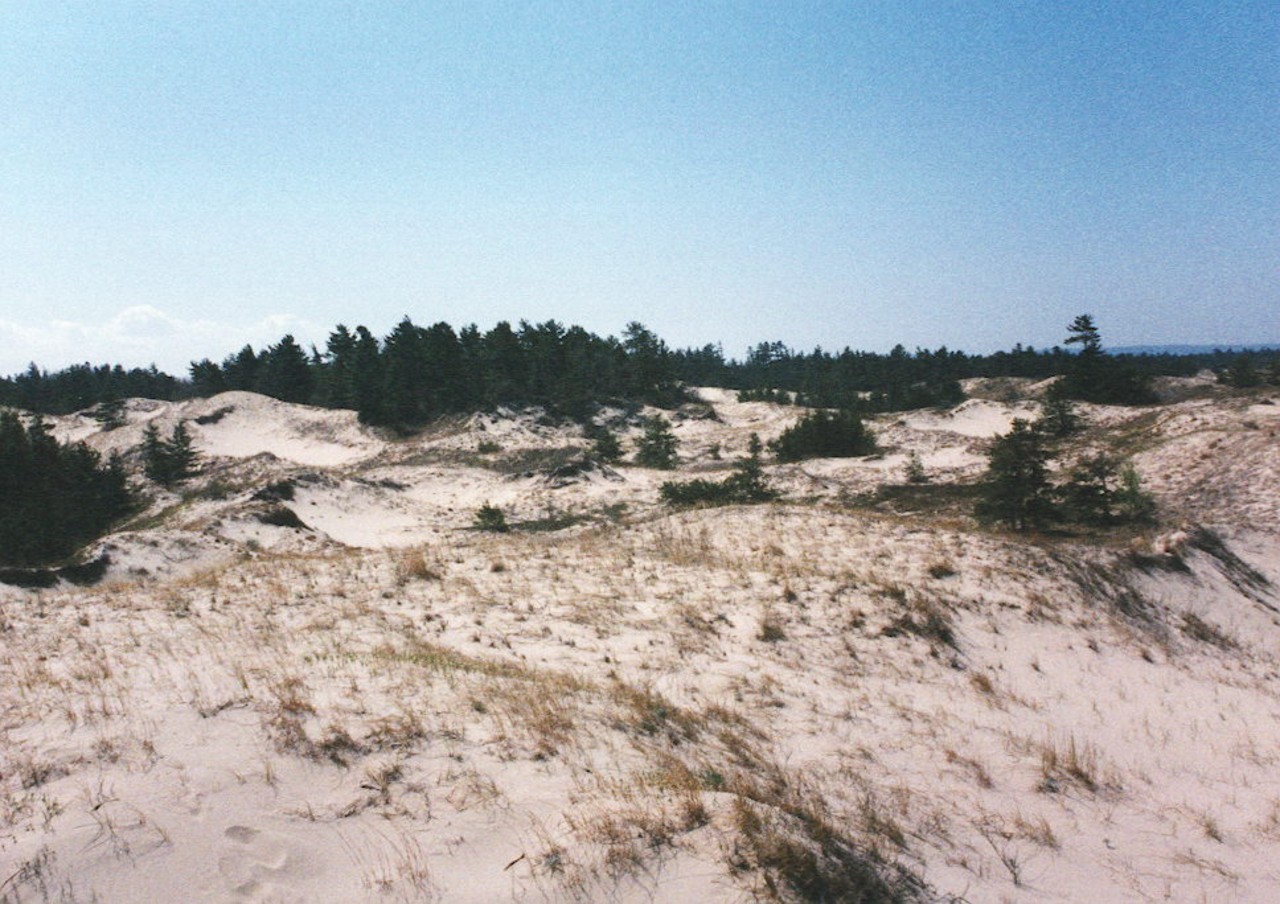
The North and South Manitou Islands lie just off the Sleeping Bear Dunes, and they feel like untouched extensions of the mainland. Once used by Native Americans and later by logging companies, the islands now belong to Sleeping Bear Dunes National Lakeshore. Visitors can camp, hike, and explore remnants of old homesteads. South Manitou even has a historic lighthouse and eerie shipwrecks scattered offshore. The sense of isolation and beauty make these islands feel frozen in time.
6. South Bass Island, Lake Erie
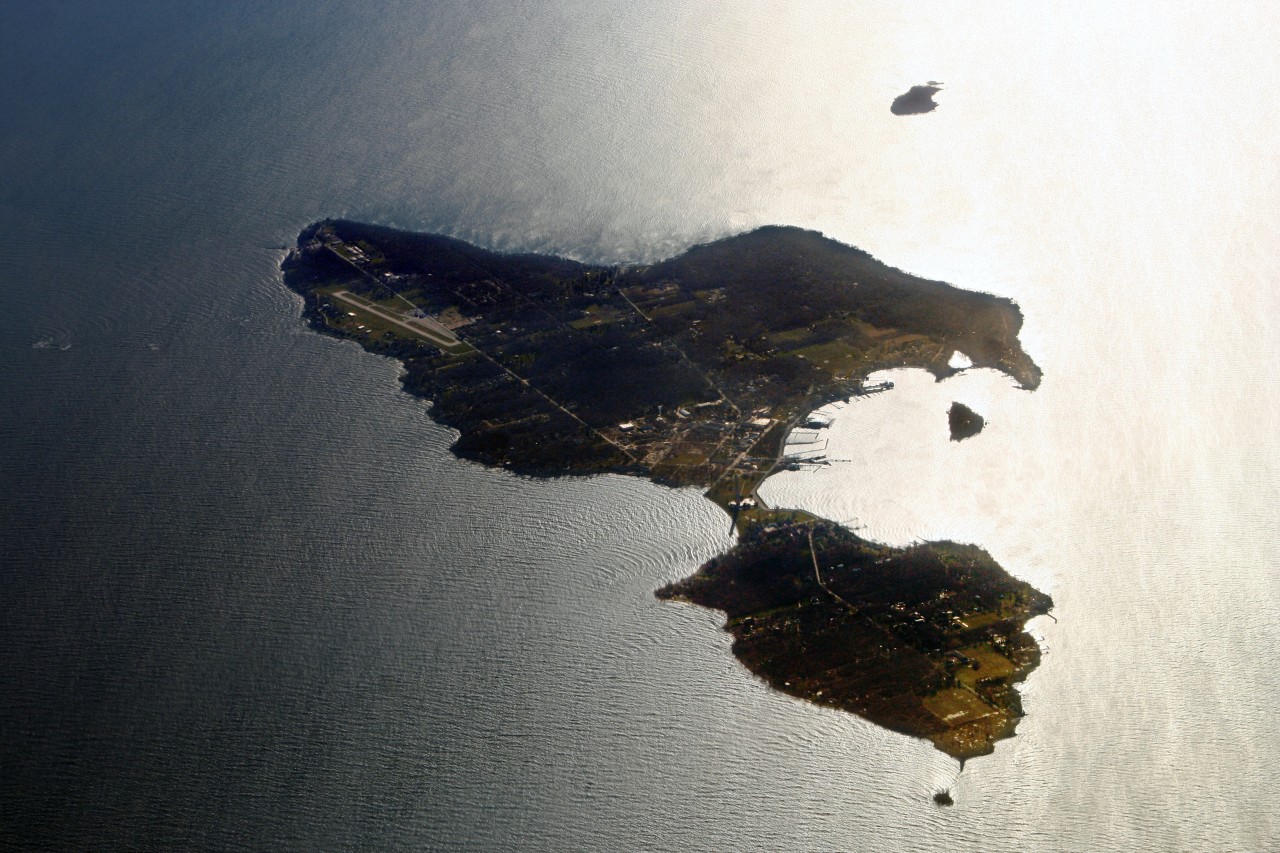
South Bass Island blends lively energy with small-town charm, making it one of Lake Erie’s most engaging destinations. Once a pivotal site in the War of 1812, the island is home to Perry’s Victory and International Peace Memorial, a towering tribute to those who fought in the Battle of Lake Erie. Visitors can wander through fascinating caves, tour family-run wineries, or spend the day boating and fishing on open waters. Its mix of history, adventure, and relaxation makes South Bass unforgettable.
7. Isle Royale, Lake Superior
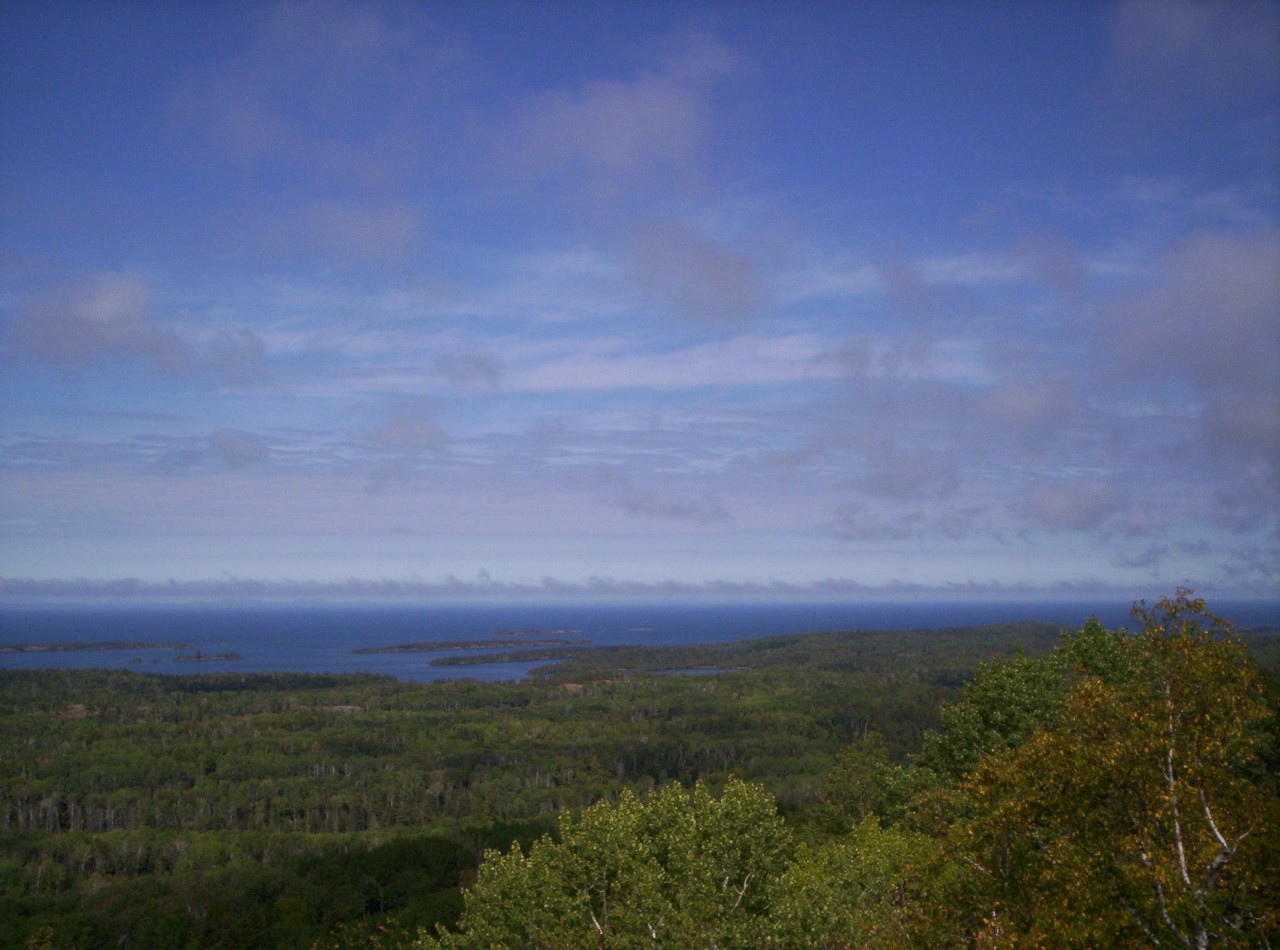
Tucked into the cold waters of Lake Superior, Isle Royale feels like a world apart. Though it’s the largest island in the Great Lakes, its isolation has kept it wild and untouched. Designated as a national park, it’s home to moose, wolves, and dense forests that stretch along rocky shores. There are no cars here, just trails and boat landings, making it a paradise for hikers and paddlers. The island also carries stories of old copper mines and fishing communities, blending history with raw wilderness.
8. Madeline Island, Lake Superior
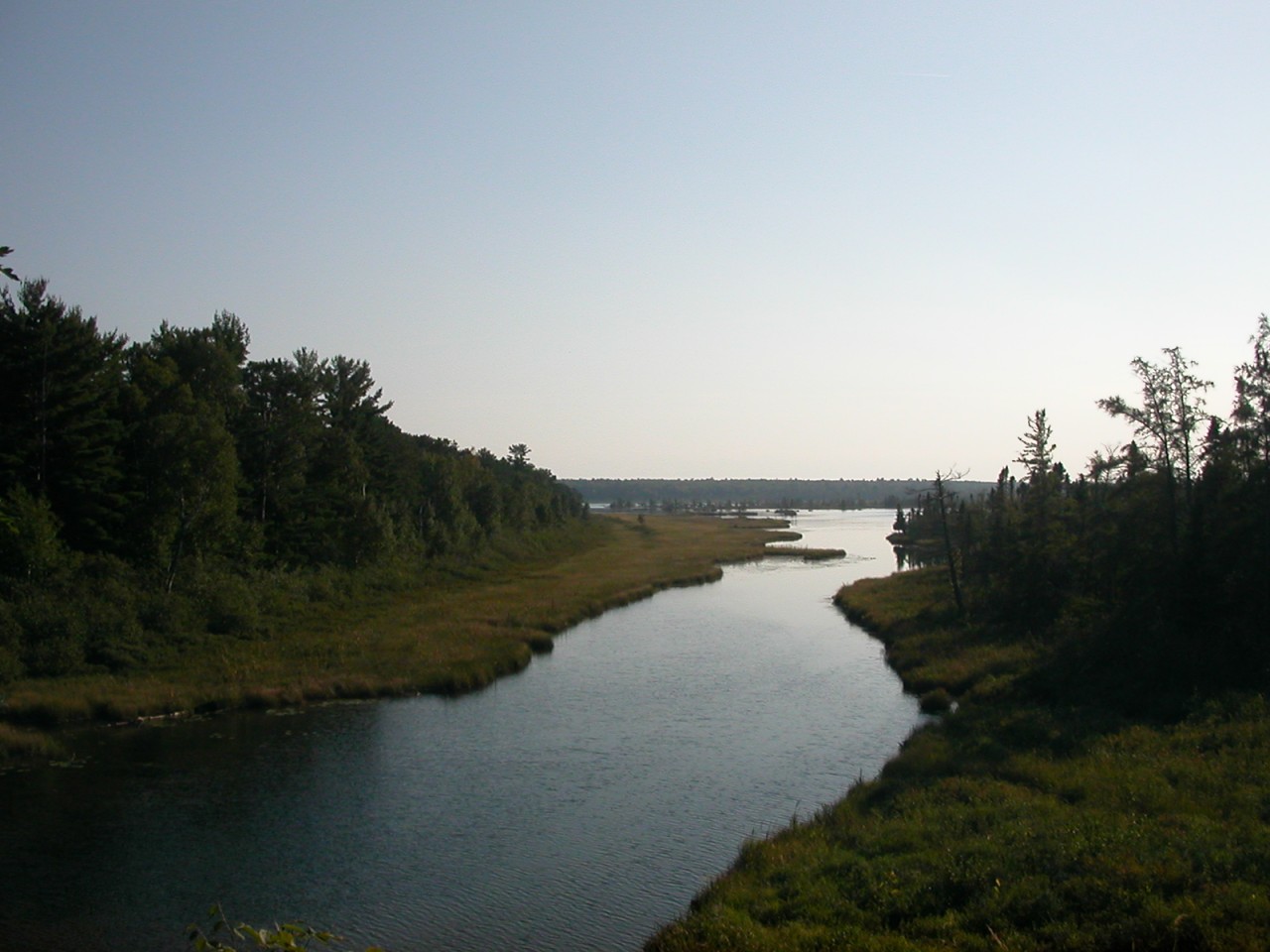
Madeline Island is the only Apostle Island open to year-round settlement, and it has a rich cultural past. Once a key site for Ojibwe communities and French fur traders, it later became a summer retreat. Today, visitors can explore Big Bay State Park with its sandy beaches and rugged cliffs or wander through the island’s small town filled with art galleries and local shops. Madeline balances history, culture, and natural beauty, making it one of the most accessible yet storied islands in the Great Lakes.
9. Round Island, Lake Huron
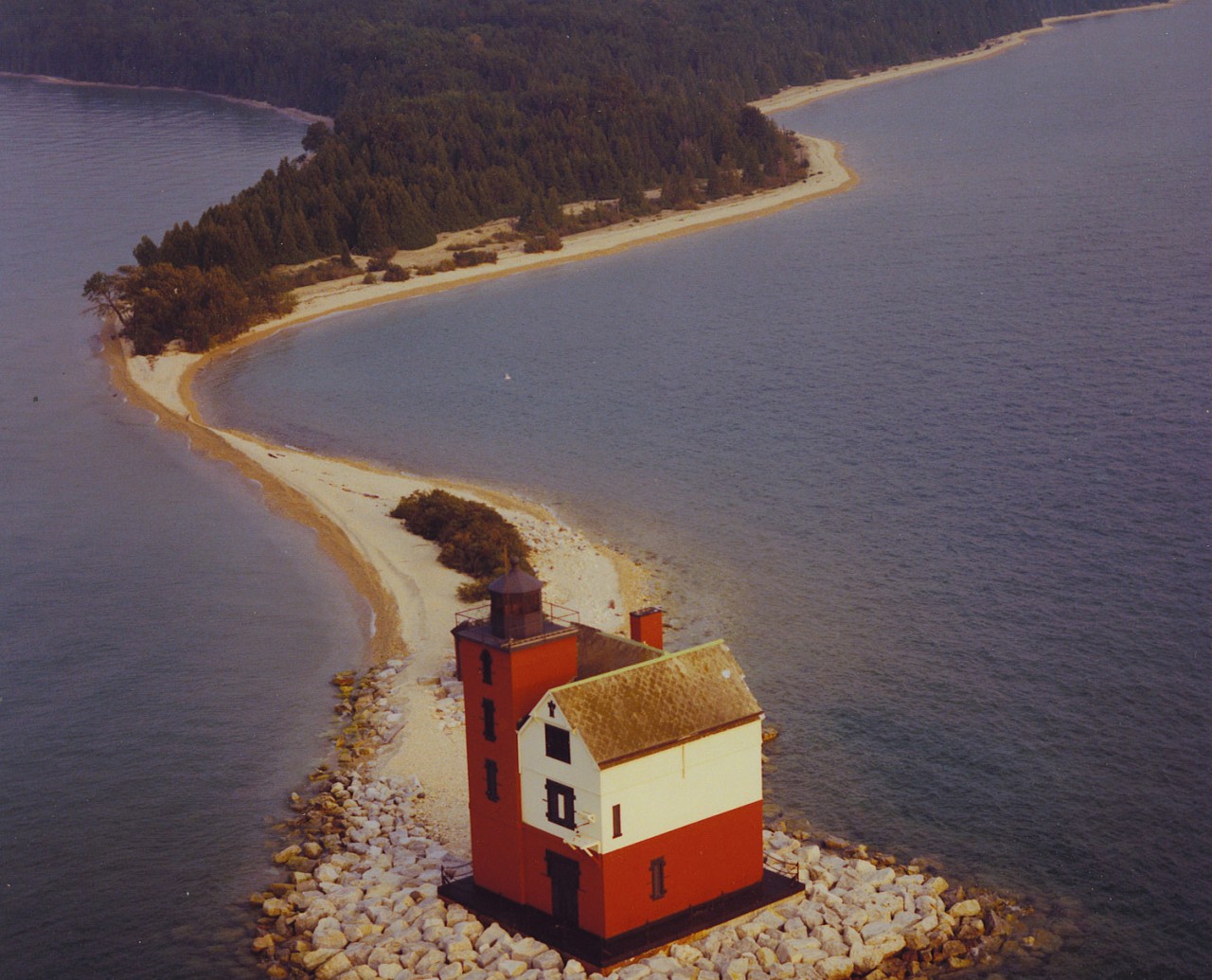
Round Island, nestled between Mackinac and Bois Blanc Islands, remains a quiet, often-overlooked retreat for travelers seeking peace and seclusion. Accessible by boat from Bois Blanc, it offers a serene escape where nature takes center stage. Visitors can enjoy leisurely hikes, scenic picnics, and the gentle rhythm of the surrounding waters. Its remote setting provides a rare opportunity to disconnect, soak in the natural beauty of the Great Lakes, and savor a tranquil experience far from the usual tourist crowds.
10. Beaver Island, Lake Michigan
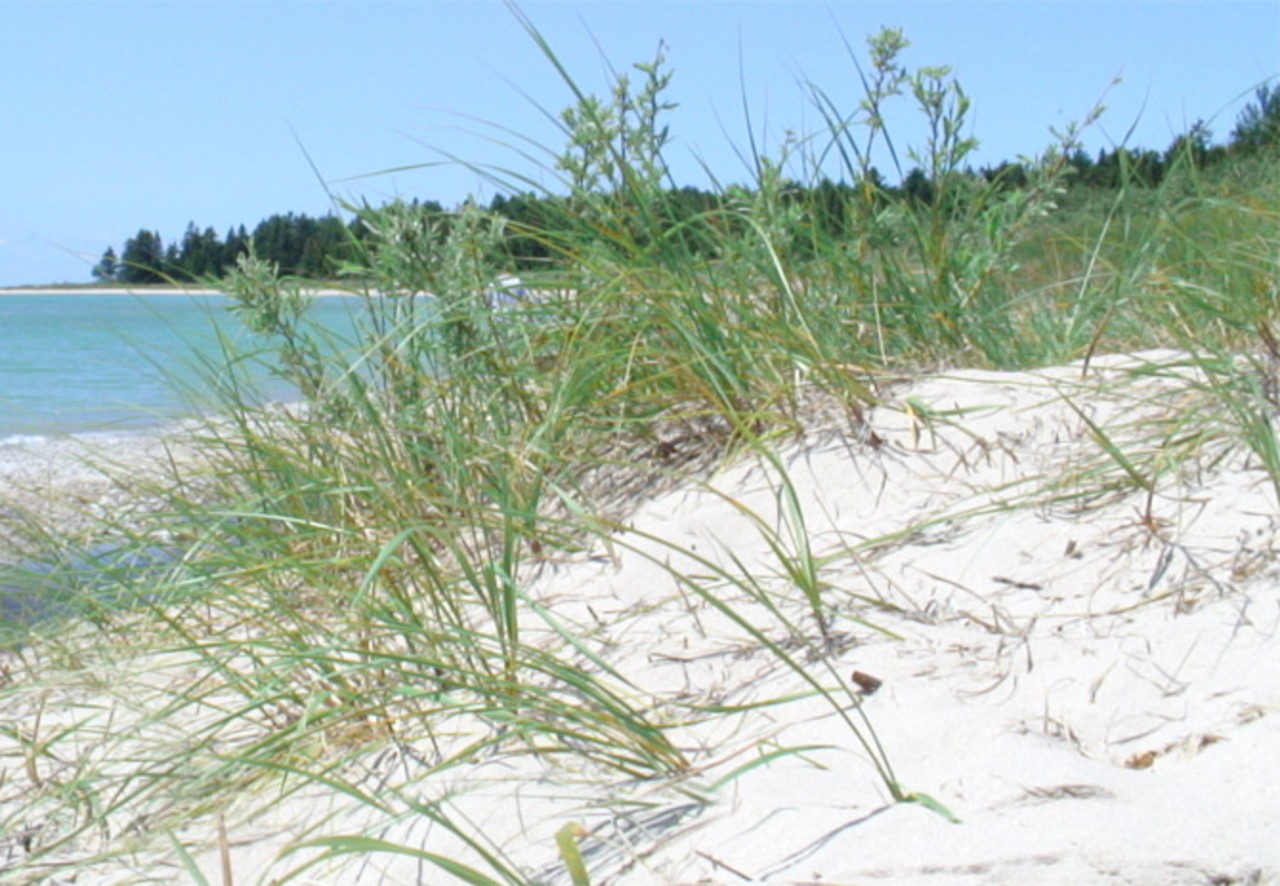
Beaver Island, the largest in Lake Michigan, is a fascinating blend of history and natural beauty. In the mid-1800s, it became the seat of a self-proclaimed Mormon kingdom under James Jesse Strang, who crowned himself king and ruled with a unique theocratic system until his assassination. Today, visitors can explore St. James Township and the Beaver Island Historical Society Museum to uncover this extraordinary past. Beyond history, the island offers scenic hiking trails, miles of shoreline, and opportunities for kayaking, fishing, and wildlife spotting, making it an ideal destination for both adventure and reflection.