
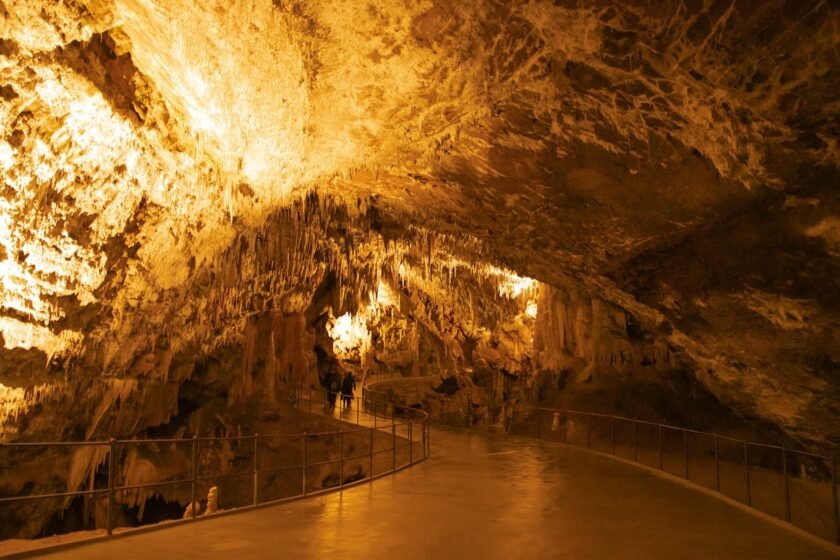
Beneath bustling cities and tranquil landscapes lie hidden worlds that few travelers ever experience. From twisting limestone caves to centuries-old tunnels and mines, these underground attractions reveal layers of history, geology, and human ingenuity. Every descent is a journey into wonder and mystery, where shadows tell stories carved in stone, salt, and time. Exploring these subterranean marvels offers adventure, awe, and a glimpse into the secrets that lie beneath our feet.
1. Catacombs of Paris, France
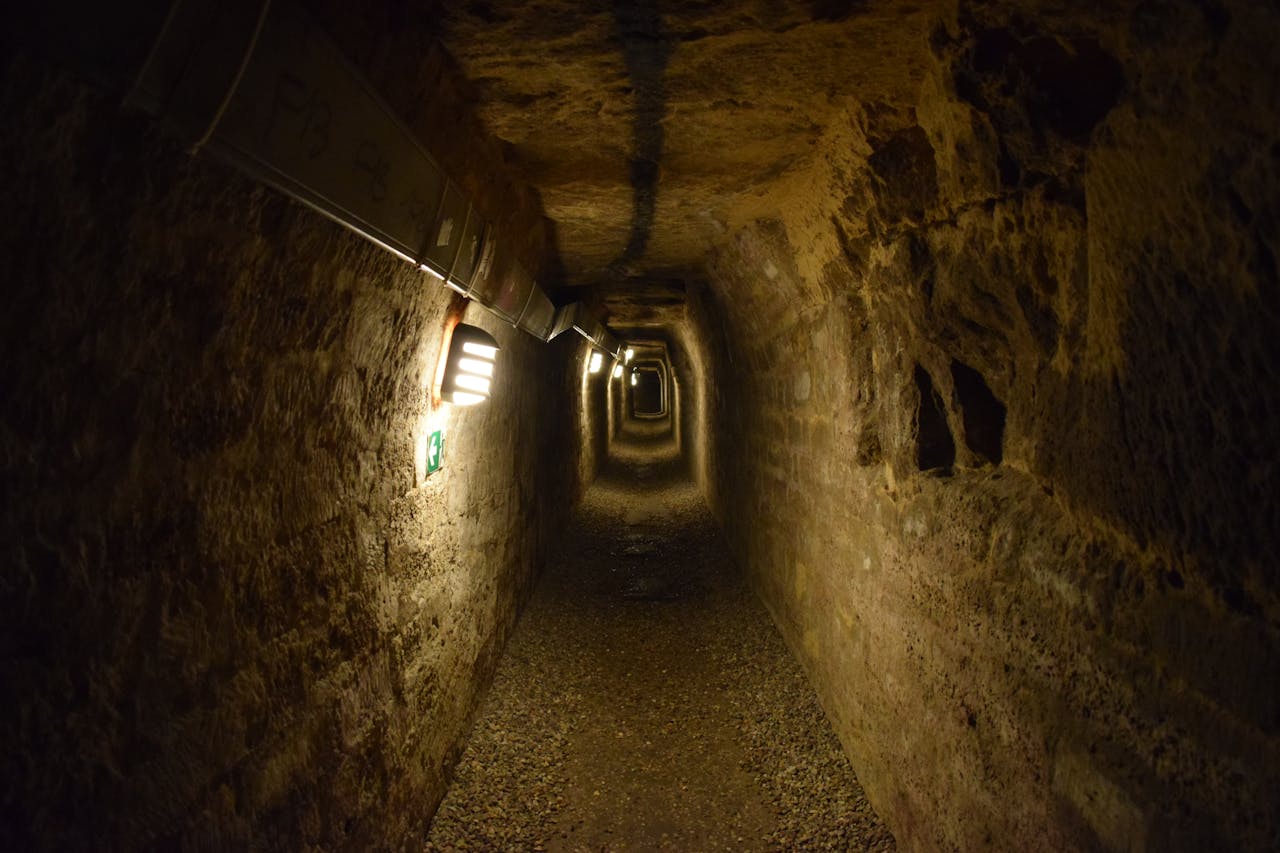
Beneath the bustling streets of Paris lies the Catacombs, a vast network of tunnels containing the remains of over six million people. Established in the late 18th century to address overcrowded cemeteries, these underground passages are lined with carefully arranged bones and cryptic inscriptions. Visitors can wander through the dimly lit corridors, experiencing a mix of history, art, and eerie beauty. The Catacombs offer a rare, chilling glimpse into Paris’s past that is both educational and hauntingly captivating.
2. Wieliczka Salt Mine, Poland
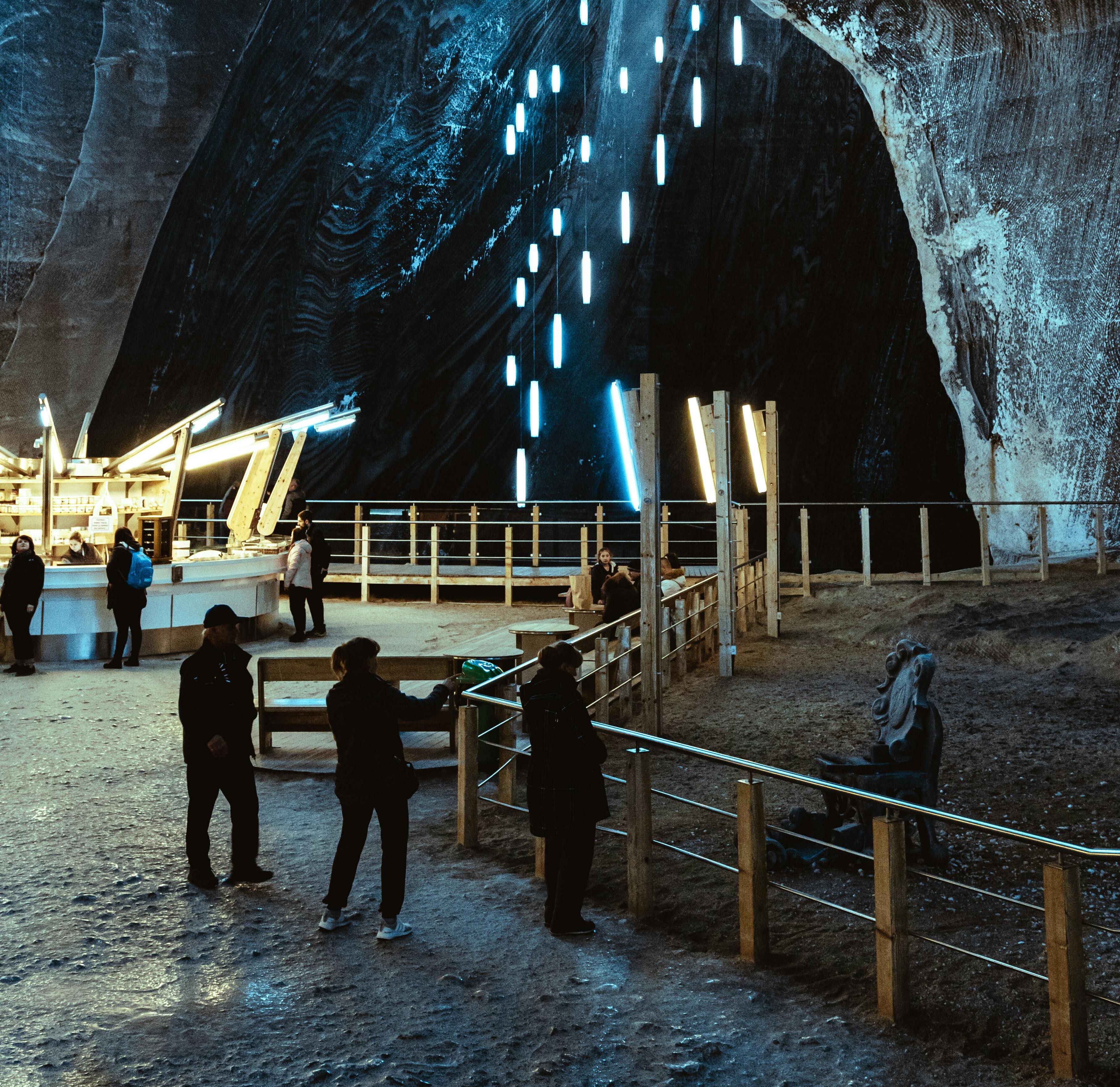
Near Kraków, Poland, the Wieliczka Salt Mine has been enchanting visitors for centuries. Dating back to the 13th century, this UNESCO World Heritage site features underground chapels, tunnels, and sculptures all carved from salt. The St. Kinga Chapel is the mine’s highlight, with glittering salt chandeliers and intricate carvings creating a magical subterranean atmosphere. Exploring this historic mine provides insight into centuries of mining labor and Polish culture, making it an extraordinary underground experience for history and art lovers alike.
3. Waitomo Caves, New Zealand
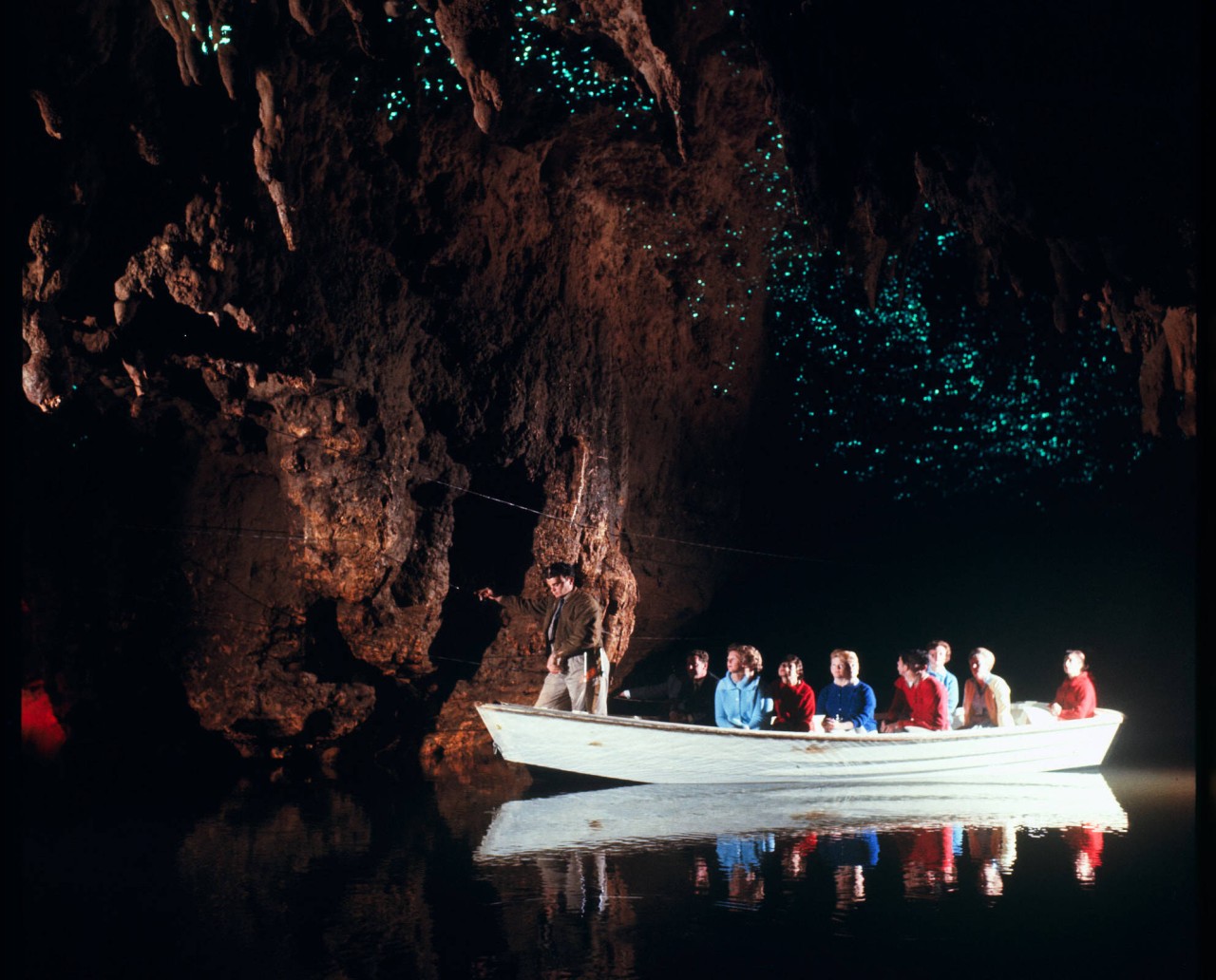
The Waitomo Caves in New Zealand offer a surreal underground experience illuminated by thousands of glowworms. These tiny bioluminescent creatures create a ceiling of twinkling lights that resembles a starry night, transforming the dark limestone passages into a magical spectacle. Visitors glide silently on boat tours, taking in the glow while learning about the caves’ geological formation and cultural significance to the Māori people. The combination of natural beauty, mythology, and serenity makes Waitomo an unforgettable subterranean destination.
4. Carlsbad Caverns, New Mexico
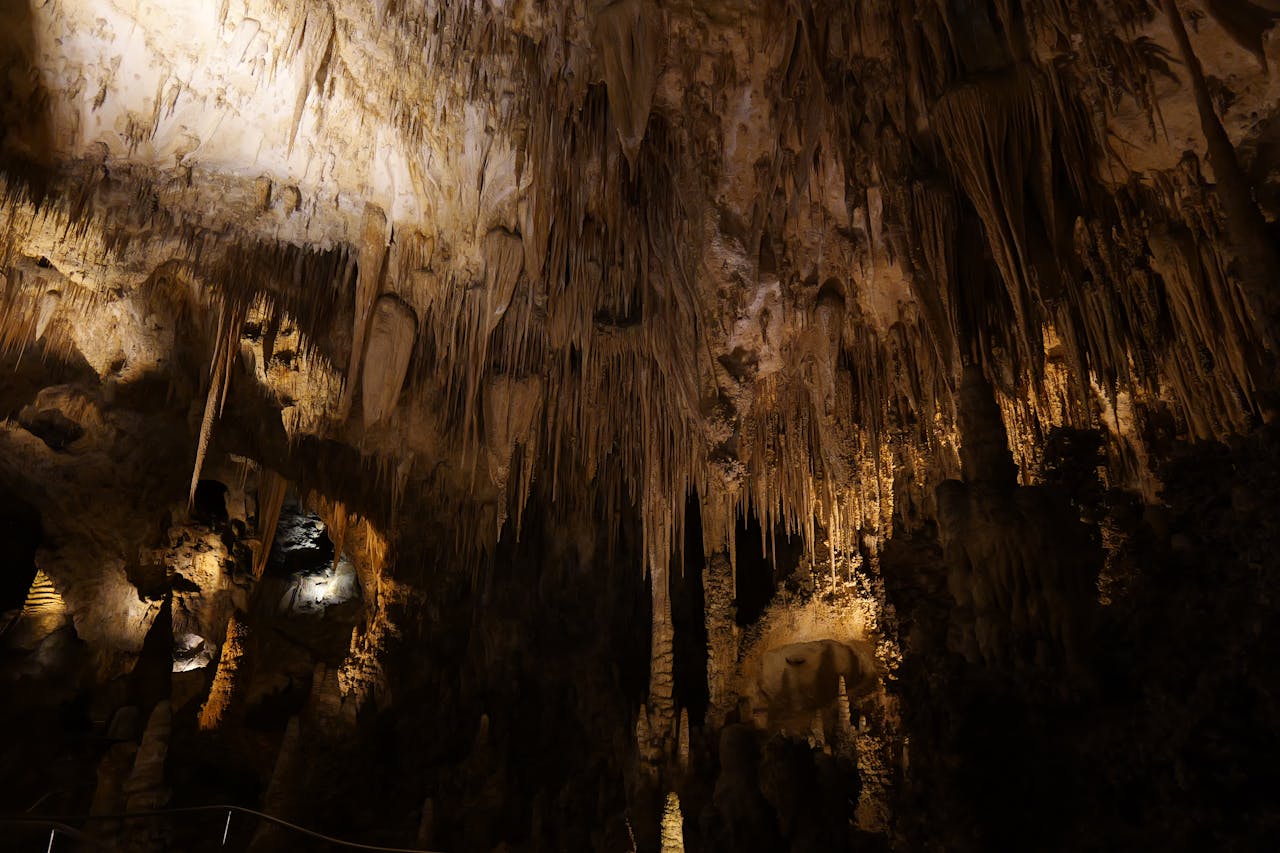
Carlsbad Caverns in New Mexico is home to over 119 caves formed by sulfuric acid dissolving limestone over millennia. The Big Room, one of the largest underground chambers in North America, showcases towering stalactites and stalagmites, some over 60 feet tall. Daily bat flights offer a captivating natural spectacle, with thousands emerging at dusk. Visitors can explore winding trails, marveling at underground formations that reveal the Earth’s geological creativity. Carlsbad Caverns is a stunning testament to the power and patience of nature.
5. Postojna Cave, Slovenia
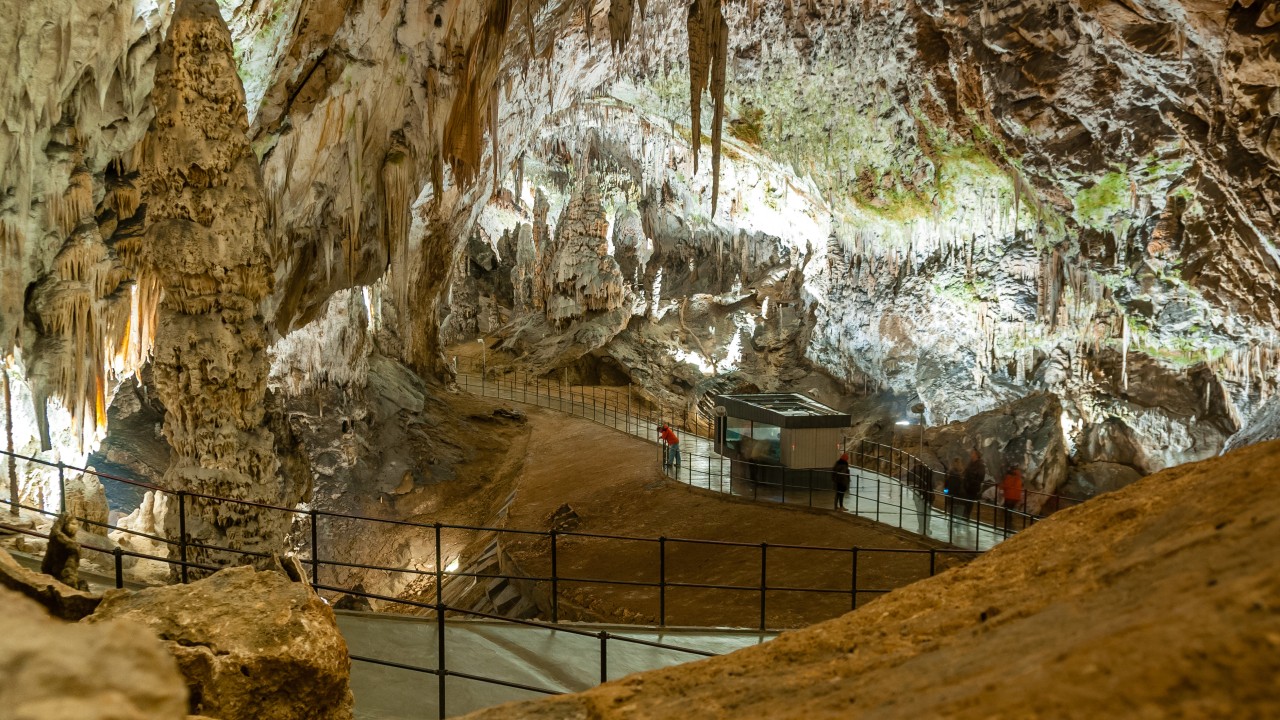
Postojna Cave is one of Europe’s most spectacular underground wonders, stretching for nearly 15 miles beneath Slovenia’s Karst landscape. Formed over millions of years by the Pivka River, it is a world of vast halls, delicate stalactites, and towering stalagmites that seem almost sculpted by hand. Visitors begin their journey on an underground train before exploring on foot, encountering the olm, a blind amphibian nicknamed the “baby dragon.” This rare creature, alongside the cave’s scale and beauty, makes Postojna both a natural marvel and a scientific treasure.
6. Salt Cathedral of Zipaquirá, Colombia
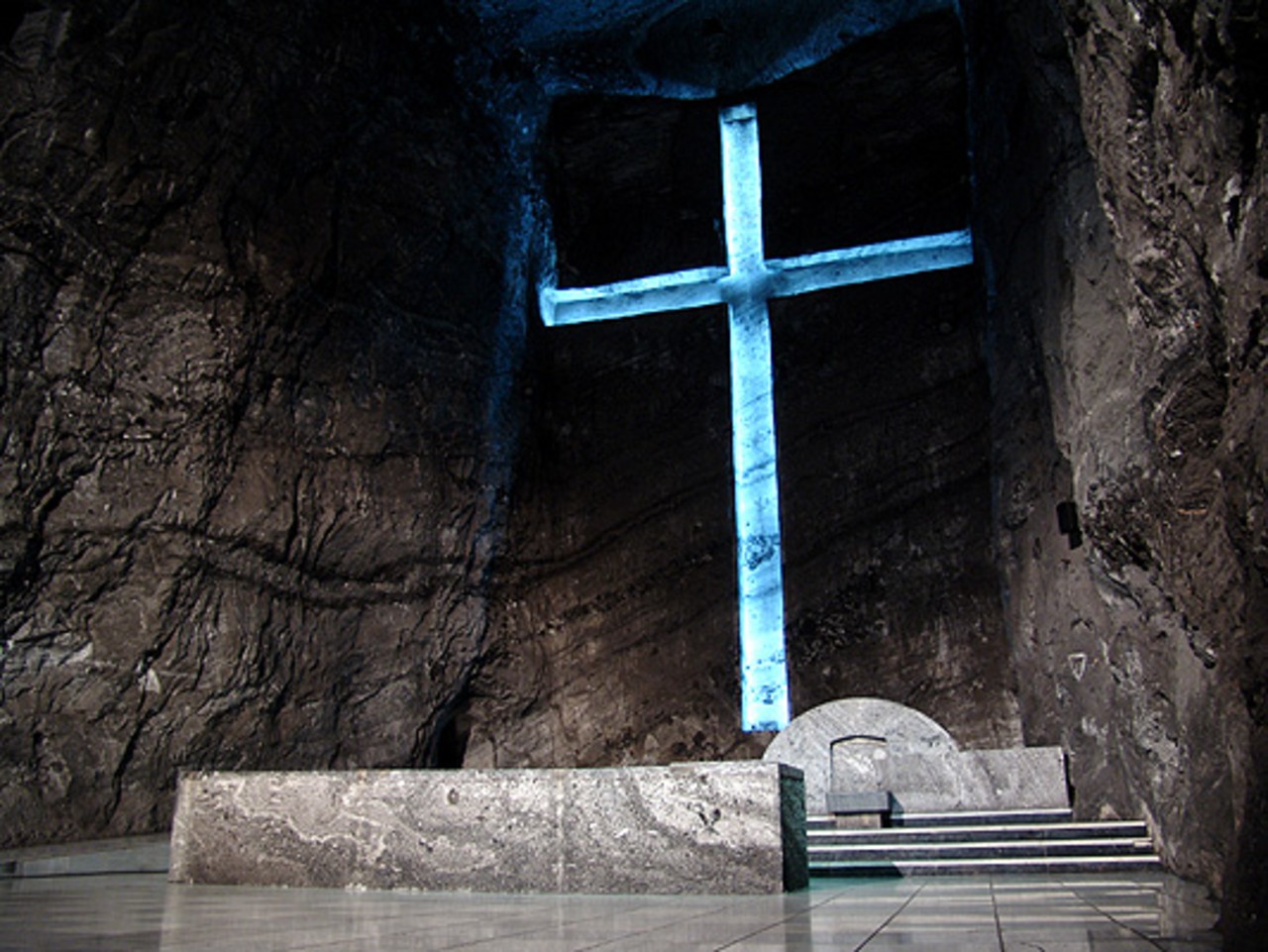
Far beneath the surface near Bogotá lies the Salt Cathedral of Zipaquirá, a place where faith and engineering meet extraordinarily. Built in the 1950s within the tunnels of an active salt mine, it was later reconstructed in the 1990s into the vast sanctuary seen today. The cathedral features massive illuminated crosses, chapels, and carved altars, all formed from salt rock. Though it no longer serves as a bishop’s seat, it remains a powerful site of pilgrimage and tourism, drawing thousands who marvel at its beauty and spiritual atmosphere.
7. Coober Pedy, Australia
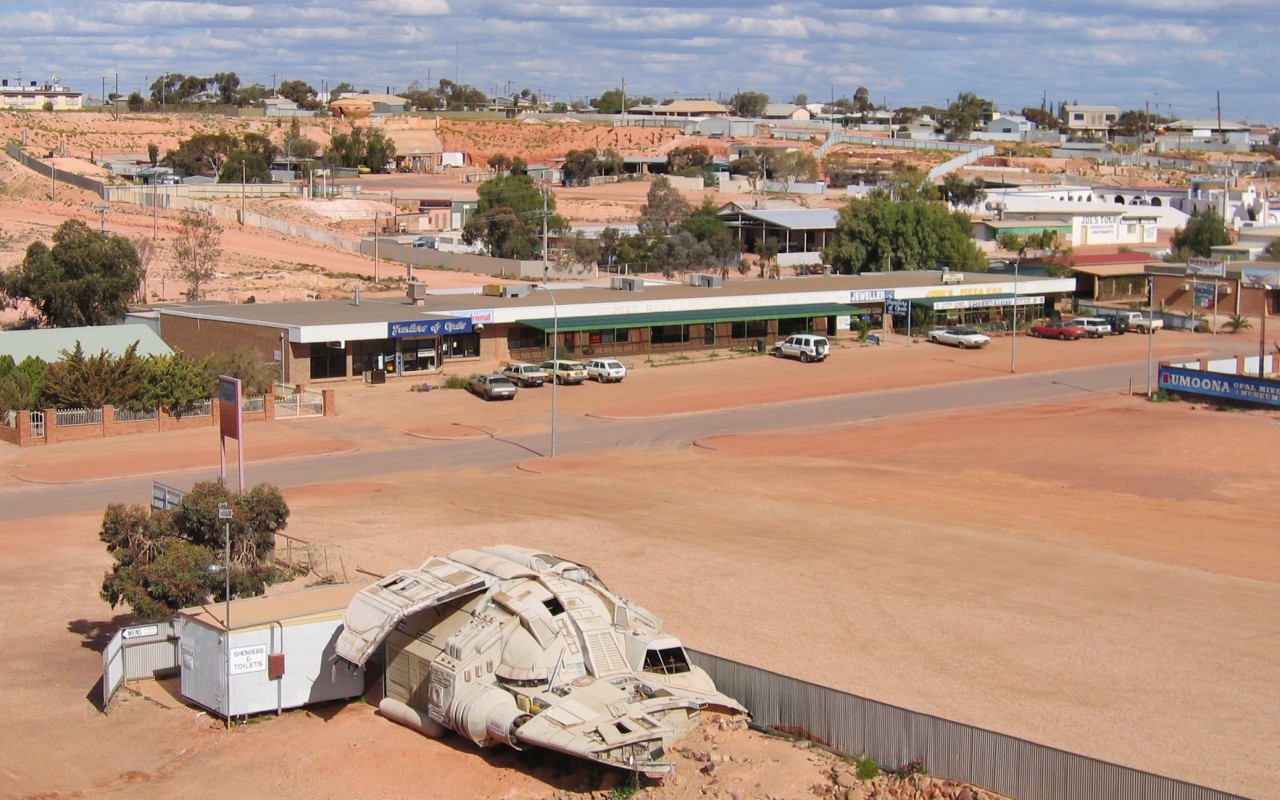
Coober Pedy is more than a mining town; it is a community carved into the earth. Known as the opal capital of the world, this remote outback settlement adapted to extreme desert heat by building underground. Residents live in dugout homes that stay naturally cool, with shops, churches, and even hotels beneath the surface. Visitors can tour abandoned mines and experience daily life in this subterranean town. Coober Pedy shows how humans can thrive in harsh conditions by embracing the underground as home.