

The 1980s may feel like yesterday to those who lived through it, but to today’s teens, much of that era feels like a distant time capsule. Everyday objects that once defined convenience, entertainment, and modern living now appear strange or even unrecognizable. From bulky electronics and cassette tapes to household tools replaced by sleek digital alternatives, these items highlight how quickly technology and culture have evolved. What once felt advanced now sparks curiosity, confusion, or nostalgia, offering a vivid glimpse into how much has changed in just a few decades.
1. Typewriters

Before computers became common, typewriters were still everyday tools in homes and offices. Each press of the key left a permanent mark on paper, and mistakes had to be corrected with white-out or retyped from scratch. The distinctive clacking sound and the carriage return bell were part of the writing process. Today’s teens, used to autocorrect and backspace, would find the experience rigid and slow. Yet typewriters taught discipline in writing and remain treasured by collectors and writers who admire their tactile feel.
2. Corded TV Remotes
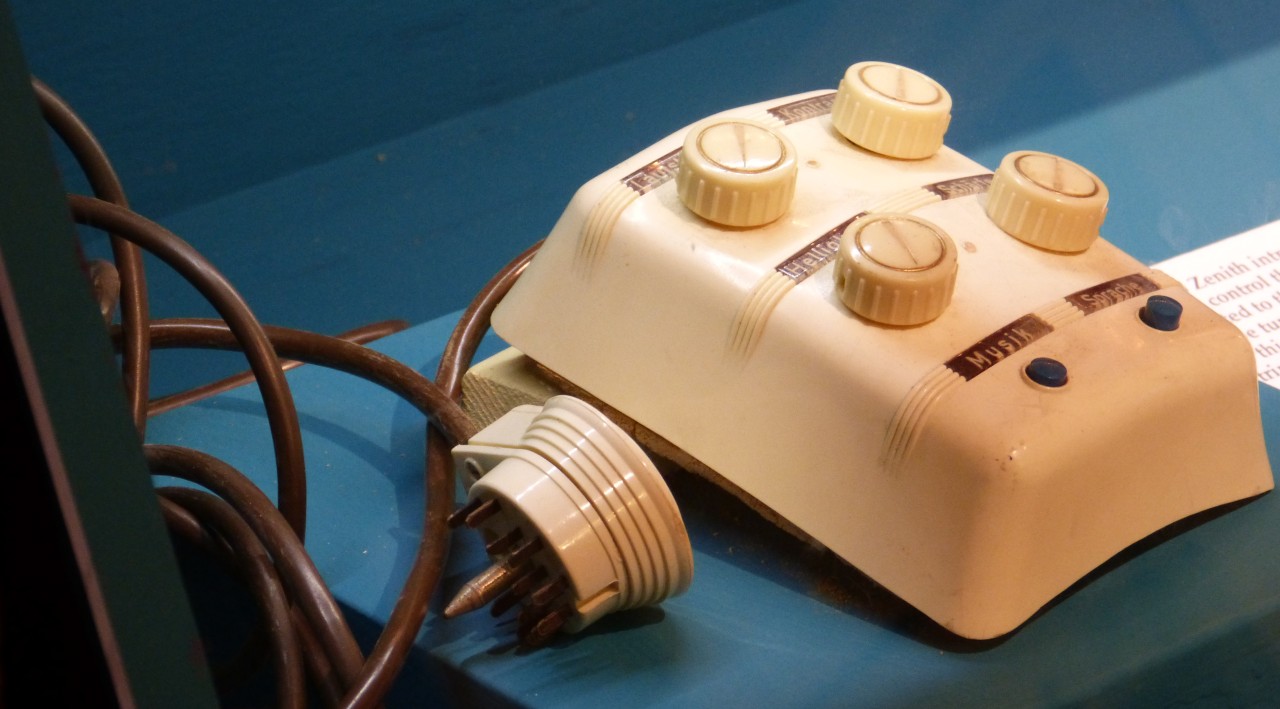
Early television remotes weren’t sleek or wireless. Some models were literally tethered to the TV with a long cord, restricting where you could sit and often creating a trip hazard across the living room floor. Others were bulky wireless versions with only a handful of buttons, and changing channels could take multiple presses to register. Compared to today’s smart remotes that respond to voice or touch, these devices seem primitive. Yet at the time, they felt like a luxury upgrade, saving people from having to walk up and twist a dial on the screen itself.
3. Encyclopedias

Long before search engines made information instant, encyclopedias were the go-to source for research and learning. These massive book sets covered nearly every subject, from world history to science, and often stretched across an entire shelf in the living room. Families invested heavily in them, sometimes paying in installments, because they were considered essential for schoolwork and general knowledge. Unlike the quick updates of today’s digital resources, new information meant buying an updated edition, making them both prized and costly.
4. Rotary Phones

Making a call in the ’80s often meant standing by a wall-mounted rotary phone, carefully turning the dial for each number. A single mistake meant hanging up and starting again. Phones were tethered to cords, so conversations offered little privacy and mobility. Teens today might find this painfully slow compared to instant messaging, but for decades, rotary phones were standard household fixtures. Their mechanical clicks and spins are almost unrecognizable to anyone raised on touchscreens.
5. Answering Machines

Before voicemail, households depended on answering machines attached to landline phones. These devices used cassette tapes to record missed calls. Checking messages meant pressing physical buttons and listening to tapes that could wear out or jam. Families often recorded quirky greetings, and hearing the tape rewind was part of the routine. For teens today, used to visual voicemail and instant messaging, the patience and mechanics of an answering machine would seem unnecessary, yet they were once vital for staying connected.
6. Cassette Tapes

Cassette tapes were the medium through which music became portable, personal, and curated. Teens today might not recognize the physical effort behind recording songs from the radio or creating mixtapes for friends. Adjusting volume, flipping the tape, and rewinding were part of the experience. Beyond playback, cassettes symbolized creativity and social bonding, making them far more than just a storage device; they were a tangible way to share emotions and identity through music.
7. Atari Consoles

Atari consoles brought the thrill of video games into homes with simple graphics and intuitive joystick controls. Titles like Pong and Pac-Man were revolutionary in their time, sparking a gaming craze. Teens today, accustomed to high-definition graphics and online multiplayer worlds, would find Atari’s pixelated simplicity almost alien. Yet, these early games laid the foundation for the multi-billion-dollar gaming industry, teaching hand-eye coordination, strategy, and the addictive joy of play in a way that still resonates decades later.
8. Boomboxes

Boomboxes were portable stereos, often as large as a backpack, capable of blasting music across streets, parks, and schoolyards. For teens today, accustomed to tiny Bluetooth speakers, a boombox might seem comically large, yet it was a statement of independence, style, and social presence. Carrying one was both practical and symbolic, offering the ability to share music publicly and assert personal taste. They were instrumental in shaping the sound of urban culture and bringing music to the streets.
9. Trapper Keepers

Trapper Keepers were far more than simple school binders; they were a canvas for personal expression and creativity in the 1980s. With bold, colorful covers, stickers, and velcro closures, they organized papers, homework, and notes while reflecting the personality of their owner. Teens today may use digital folders, but back then, customizing a Trapper Keeper was a daily ritual that showcased individuality and style. Beyond organization, they symbolized independence, self-expression, and the pride of carrying a personal statement to every class.
10. Pager

Pagers were the original mobile communication devices, a precursor to today’s smartphones. Teens today might not grasp the excitement of receiving a numeric code or a short message that required a callback. In the ’80s, having a pager meant independence and connectivity in a world tethered to landlines. Pagers symbolized status, urgency, and trust, offering a glimpse into early portable communication before the convenience and ubiquity of texting transformed social interaction.
11. Shoulder Pads

Shoulder pads were more than a fashion trend; they were a cultural symbol of the 1980s. Designed to create broad, powerful silhouettes, they conveyed confidence, authority, and ambition in both professional and casual settings. Teens today might find them exaggerated or even comical, but in the ’80s, they were a defining statement of style. From blazers to dresses, shoulder pads shaped how people presented themselves, reflecting the era’s boldness, individuality, and larger-than-life aesthetic that still instantly recalls the decade.