
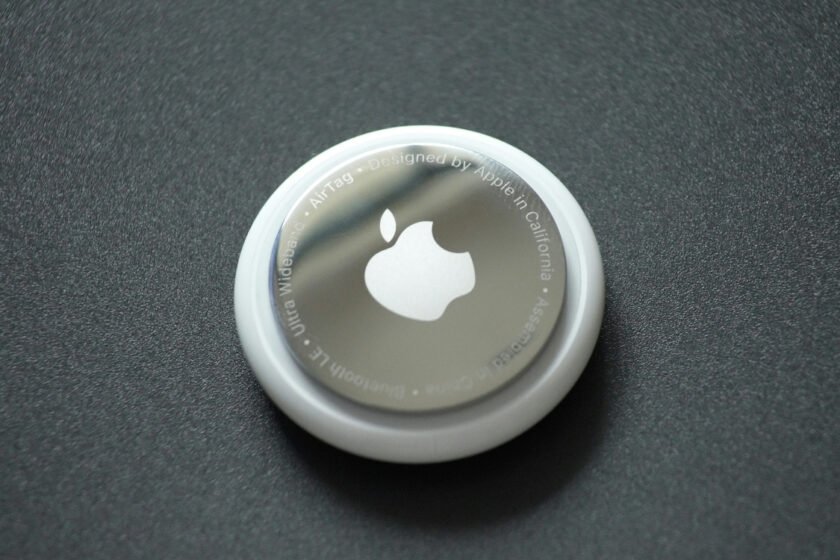
Apple’s AirTag has quickly become a reliable tool for keeping track of valuables, especially with Apple’s Find My network helping locate lost items. When used effectively, it provides peace of mind and protection against theft or loss. However, the way you hide your AirTag determines how useful it will be in recovery. From travel gear to personal items, there are practical ways to keep them discreetly placed. The following options are informed by recommendations from Apple’s official guidance and transportation security advisories.
1. Backpack Or Handbag

One of the most common and effective places to hide an AirTag is inside a backpack or handbag. Travelers often risk losing bags during transit or in crowded areas, making this location highly practical. According to the Transportation Security Administration, lost baggage reports are among the most frequent issues at airports. Placing the AirTag in an inner pocket, away from immediate view, ensures it remains hidden from potential thieves while still trackable. Apple also recommends placing AirTags where they are not easily seen but remain functional with Bluetooth connectivity.
2. Wallet Or Purse Insert
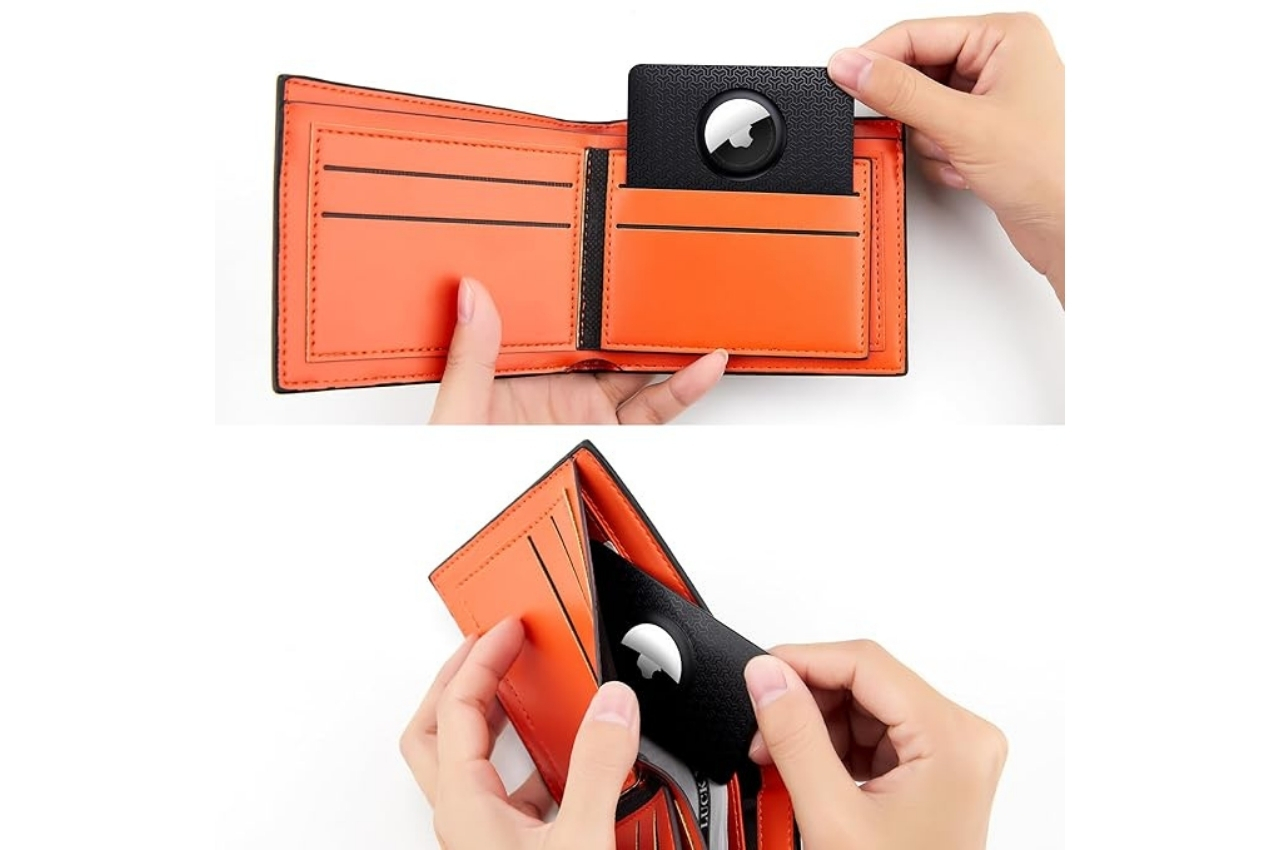
AirTags can fit discreetly inside a wallet or purse insert, making it easier to track personal valuables like IDs, cards, and cash. While Apple does not manufacture a flat version specifically for wallets, several Apple-certified accessory makers create slim cases for this purpose. The Federal Trade Commission has frequently noted that wallets and purses are among the most reported lost items in urban settings. By using a concealed slot, users can ensure that the AirTag remains unnoticed yet effective, allowing quick tracking through the Find My app if misplaced or stolen.
3. Suitcase Lining
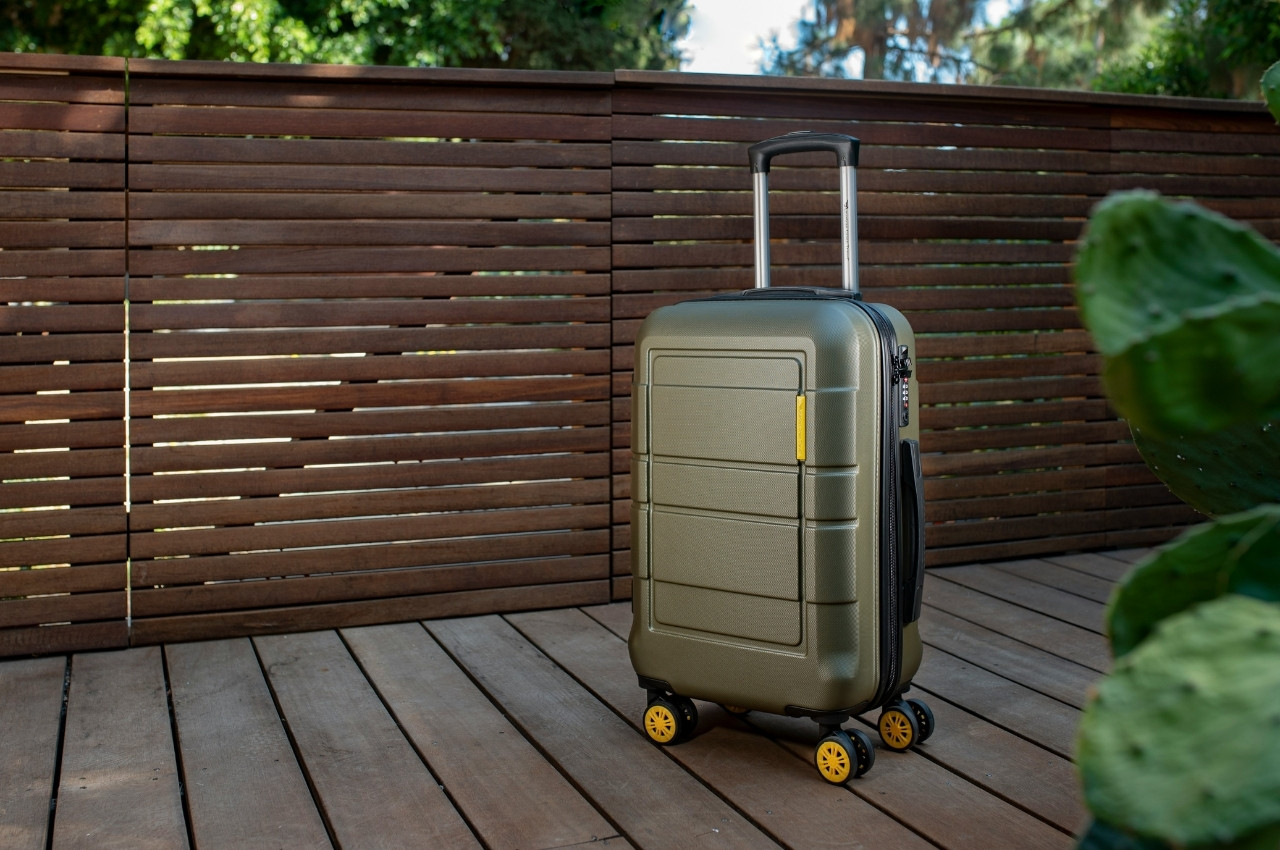
Suitcases often get misplaced in transit, and hiding an AirTag inside the lining provides reliable tracking. Airlines, including American Airlines, have supported the use of Bluetooth trackers in checked baggage, confirming their compliance with Federal Aviation Administration safety regulations. This method keeps the tracker secure and hidden while still transmitting signals effectively. Many travelers report fewer permanent losses when using AirTags in luggage, as confirmed by data shared by the U.S. Department of Transportation on reduced baggage mishandling complaints. Concealing it within the lining avoids detection while providing valuable location details during travel disruptions.
4. Bicycle Frame
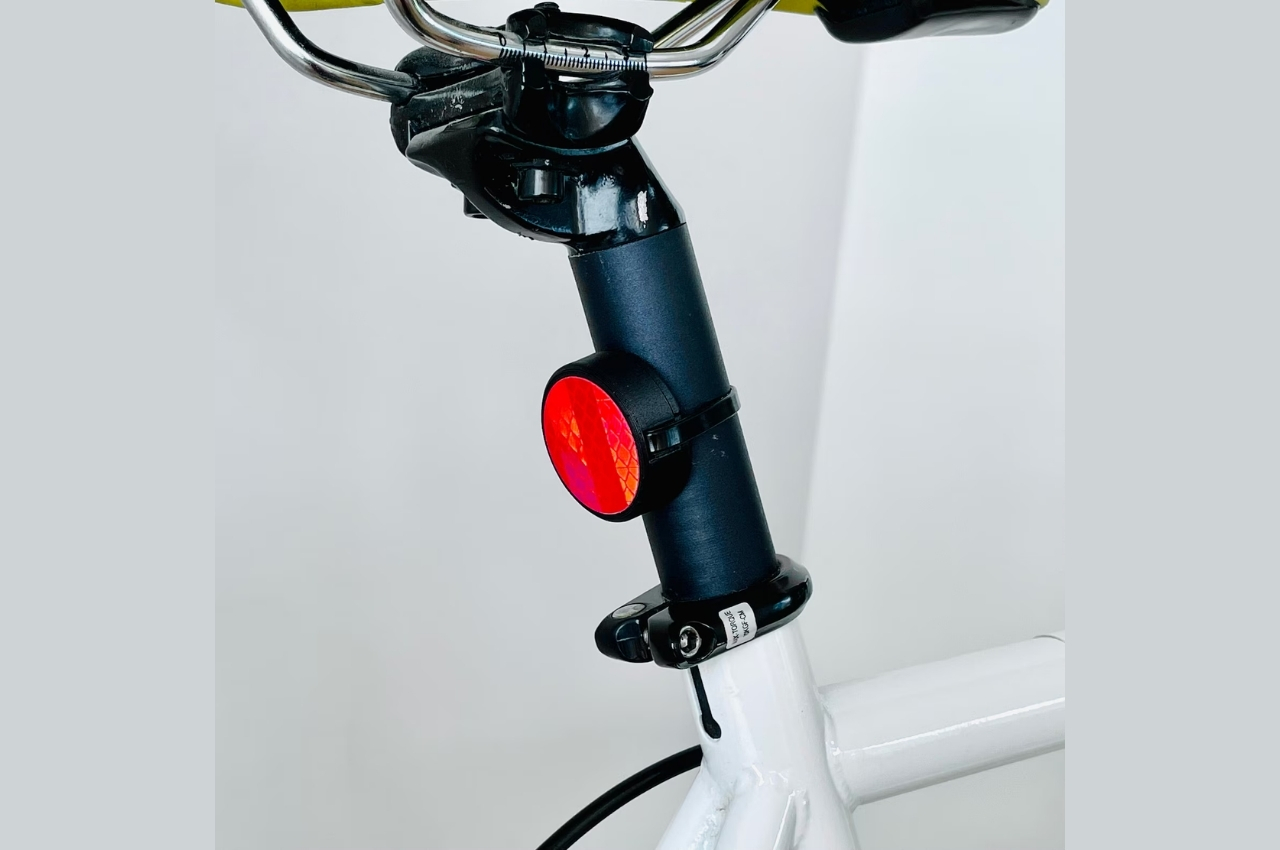
For cyclists, hiding an AirTag inside a bicycle frame or under the seat can help recover stolen bikes. The National Bike Registry highlights that thousands of bicycles are reported stolen annually in the United States, with only a fraction ever recovered. By placing the AirTag discreetly in a spot difficult to notice, owners significantly increase their chances of retrieval. Apple recommends keeping AirTags in concealed but Bluetooth-accessible spots, making a bike’s frame or seat tubing an ideal location. This setup ensures the device can still transmit its location while remaining out of plain sight.
5. Car Glove Compartment

Vehicles remain a major target for theft, with the National Highway Traffic Safety Administration reporting thousands of stolen cars annually. Placing an AirTag in a car’s glove compartment offers an extra layer of tracking security without interfering with vehicle systems. Apple’s guidance notes that AirTags should not be placed in locations where signals are completely blocked, and glove compartments allow sufficient Bluetooth connectivity. This placement helps owners recover their cars more efficiently in case of theft while keeping the tracker discreet, as it is unlikely to be immediately discovered by unauthorized individuals.
6. Pet Collar
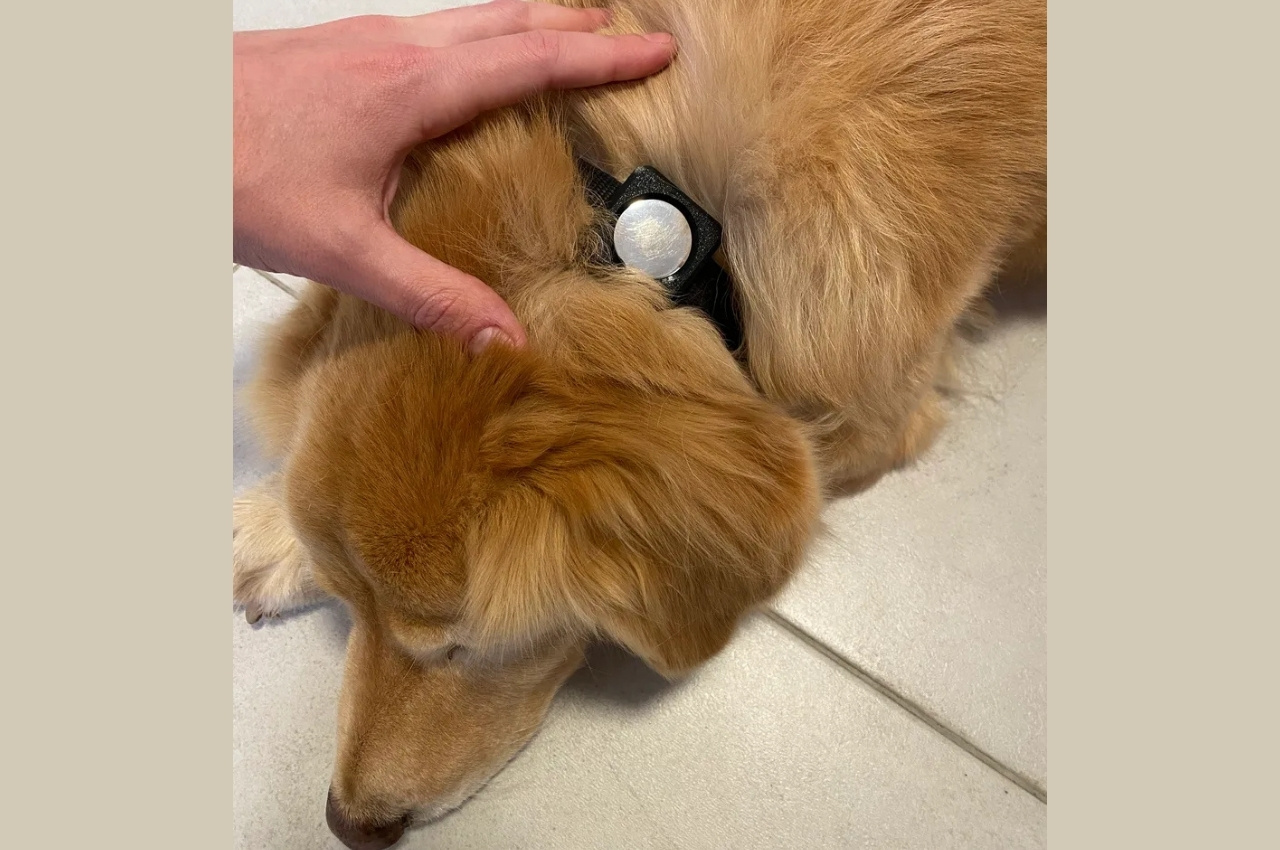
Attaching an AirTag to a pet’s collar allows owners to keep track of wandering animals. According to the American Humane Association, millions of pets go missing every year in the United States, with only a portion being reunited with their families. Apple does not officially market AirTags as pet trackers, but many third-party companies produce secure collar attachments designed for this purpose. By ensuring the AirTag is firmly fastened and not easily detachable, pet owners gain an affordable and efficient way to increase the likelihood of recovering lost pets quickly and safely.
7. Camera Bag
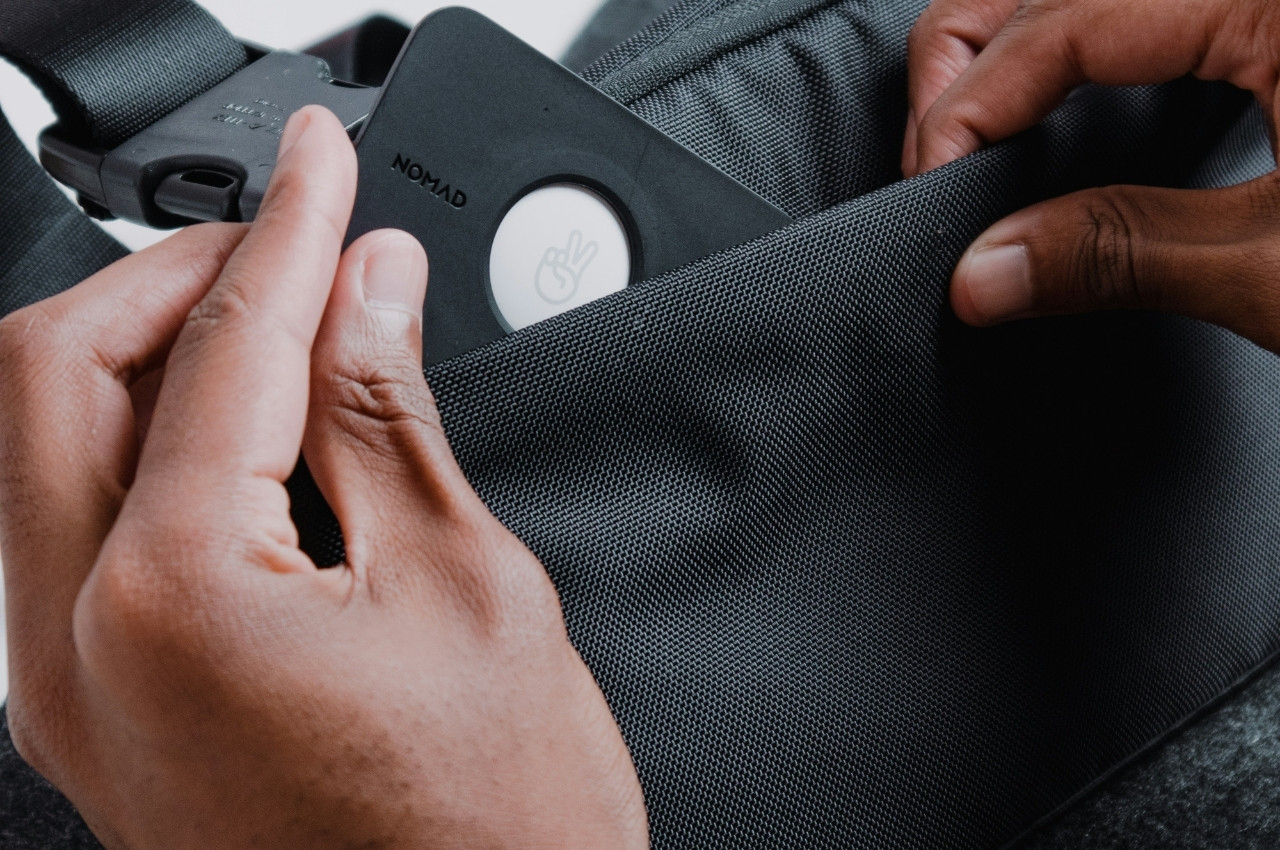
Photographers often carry expensive gear, making a camera bag a smart place to hide an AirTag. The Federal Bureau of Investigation has listed camera equipment among the top stolen valuables due to its high resale value. Hiding the tracker in a padded compartment ensures that it stays discreet while remaining connected to Apple’s Find My network. Apple emphasizes placing AirTags in areas where they remain functional but less visible. This strategy helps photographers protect their equipment during travel, events, or in crowded public places where theft or accidental misplacement is more likely to occur.
8. Office Briefcase
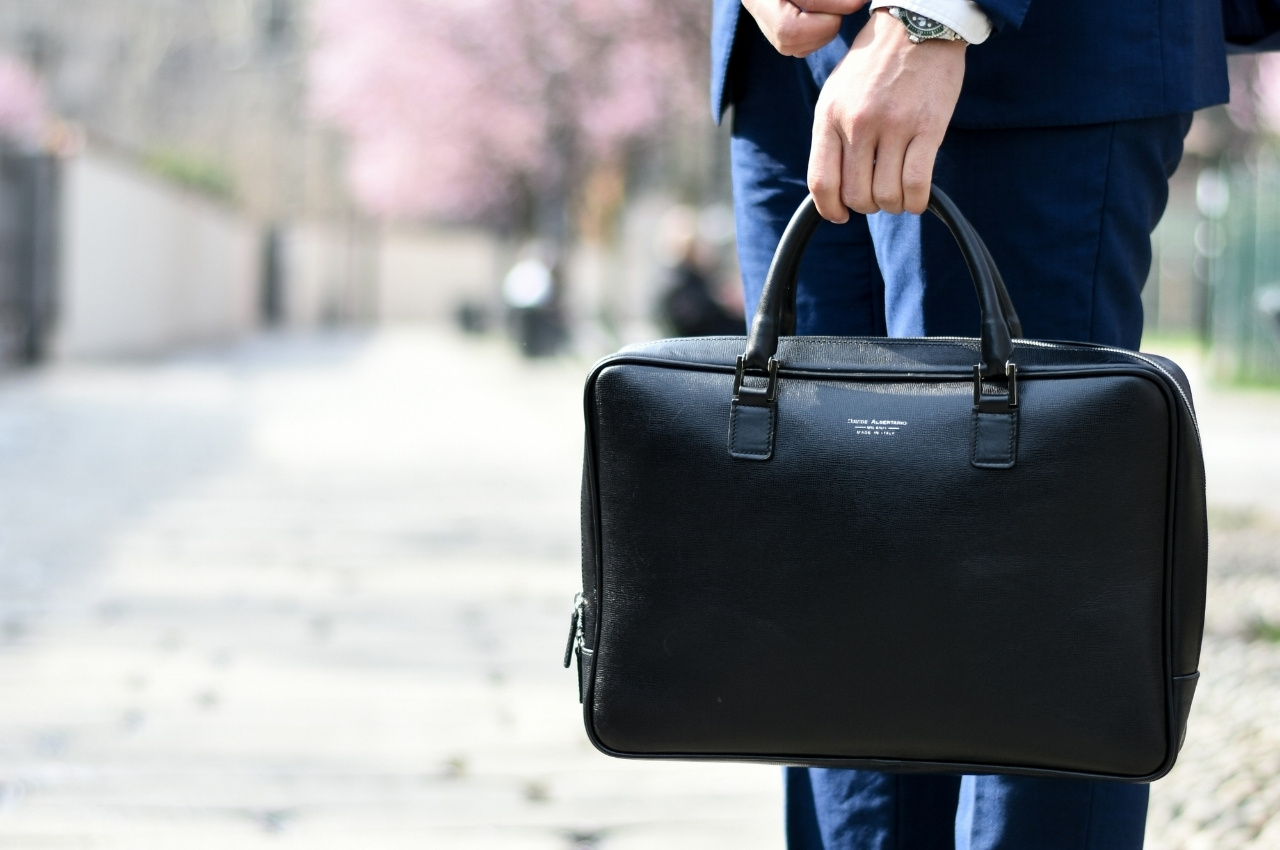
For professionals, placing an AirTag in a briefcase helps safeguard important documents, laptops, or other valuable work materials. The U.S. Office of Personnel Management highlights how the loss of work-related items can create both financial and data security risks. An AirTag hidden in a briefcase compartment ensures quick location tracking without being obvious to potential thieves. Apple’s device is designed to work seamlessly in such enclosed spaces as long as Bluetooth access is maintained. This setup provides employees and business travelers with an additional measure of protection for critical belongings they carry daily.