
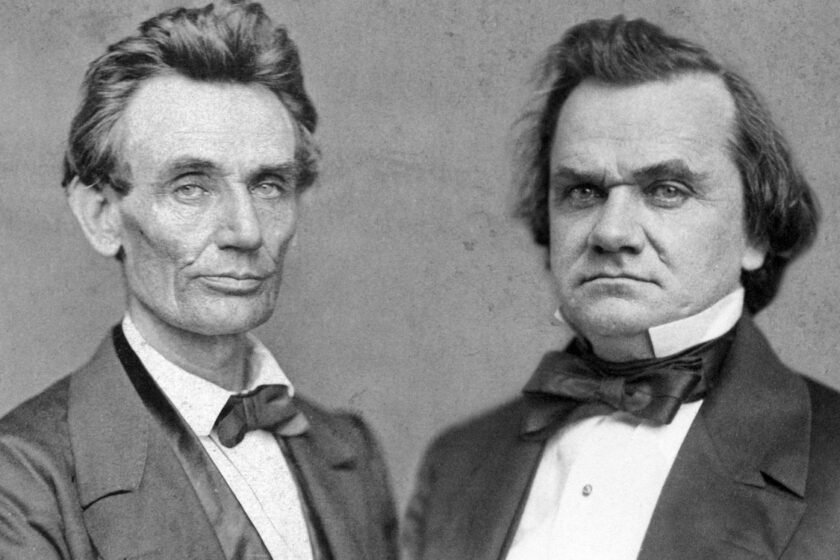
American history is filled with political clashes, but some rivalries went far beyond debates over policy and legislation.
These were feuds shaped by ambition, betrayal, and deep-seated personal animosity, where insults were hurled, alliances were shattered, and reputations were destroyed.
From duels that ended in bloodshed to elections that tore friendships apart, these conflicts reveal the human side of politics.
Exploring these episodes helps us understand how personal grudges influenced national decisions and left lasting marks on the country’s political landscape.
Hamilton and Burr: A Duel That Shook the Nation
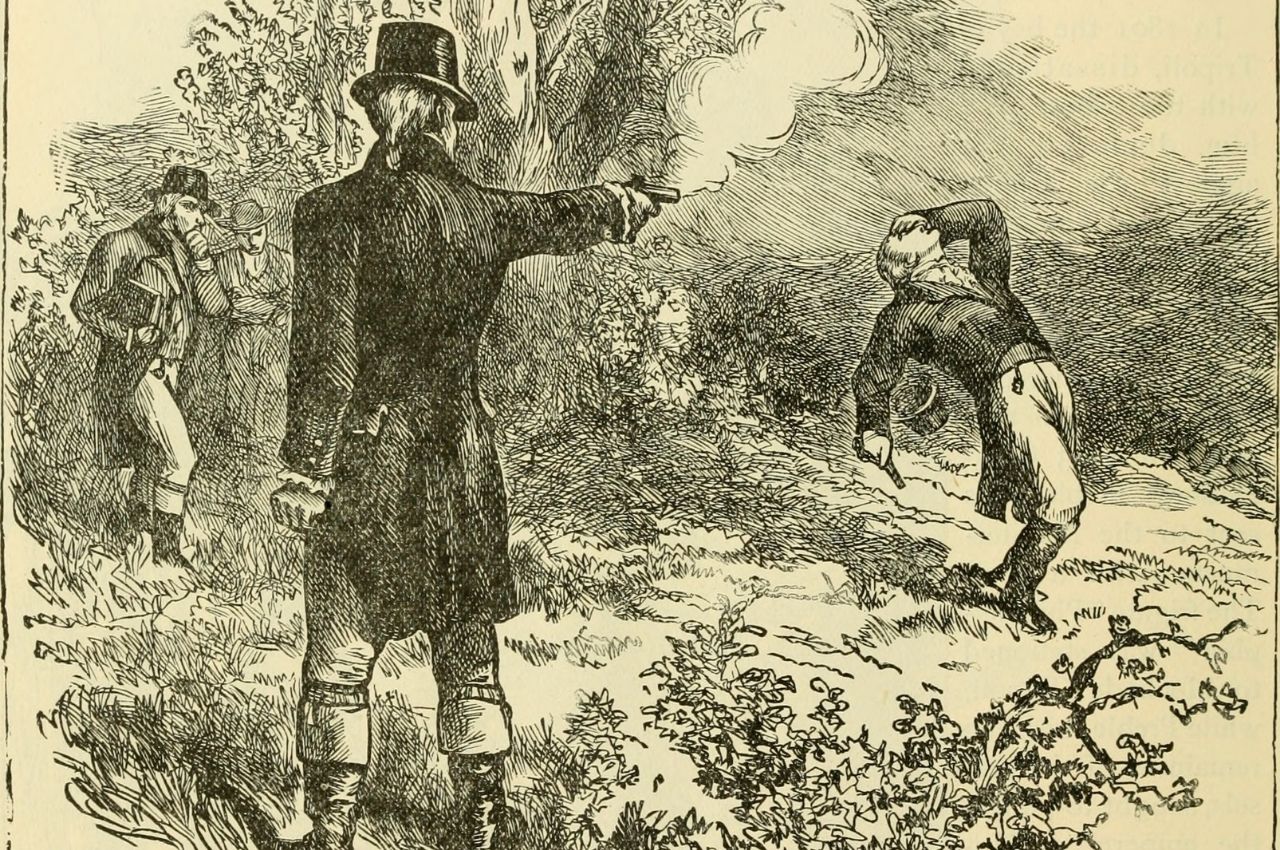
The rivalry between Alexander Hamilton, the first Secretary of the Treasury, and Aaron Burr, the sitting Vice President, became one of the most infamous feuds in American history.
Political disagreements and personal insults escalated until July 11, 1804, when the two men met in Weehawken, New Jersey, for a duel.
Hamilton was fatally shot, and Burr’s political career never recovered.
According to the National Archives, this confrontation demonstrated how personal hostility could override statesmanship, leaving both men’s legacies forever shaped by the fatal encounter.
The Personal and Political Divide
Hamilton viewed Burr as unprincipled and ambitious to the point of danger, accusing him of lacking loyalty to the nation.
Burr, in turn, believed Hamilton’s relentless opposition unfairly blocked his career at every turn, particularly during the contentious 1800 presidential election.
Their rivalry went beyond ordinary political competition, becoming deeply personal through insults, character attacks, and escalating mistrust.
The duel symbolized how the politics of honor at the time could have devastating consequences, leaving behind a cautionary tale about unchecked animosity.
John Quincy Adams and Andrew Jackson: A Bitter Election Rivalry
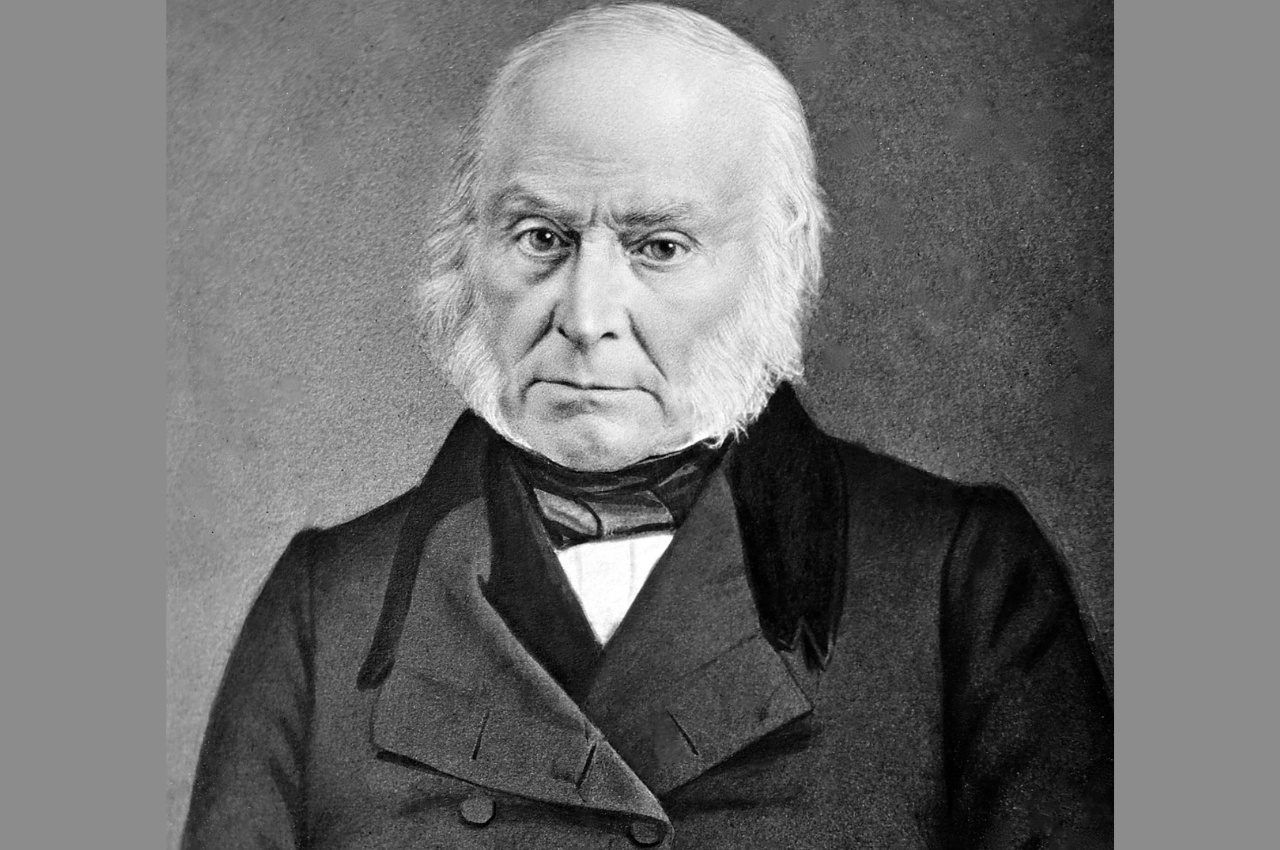
The presidential election of 1824 marked the start of a fierce feud between John Quincy Adams and Andrew Jackson.
Jackson won the popular vote but lost the presidency when the House of Representatives chose Adams after Henry Clay’s endorsement.
Jackson and his supporters condemned it as a “corrupt bargain.” In the following 1828 rematch, the campaign turned vicious.
As reported by the Library of Congress, personal attacks dominated, including slander against Jackson’s wife, Rachel, which some historians believe contributed to her declining health and death shortly after the election.
Abraham Lincoln and Stephen Douglas: A Contest of Ideologies and Egos
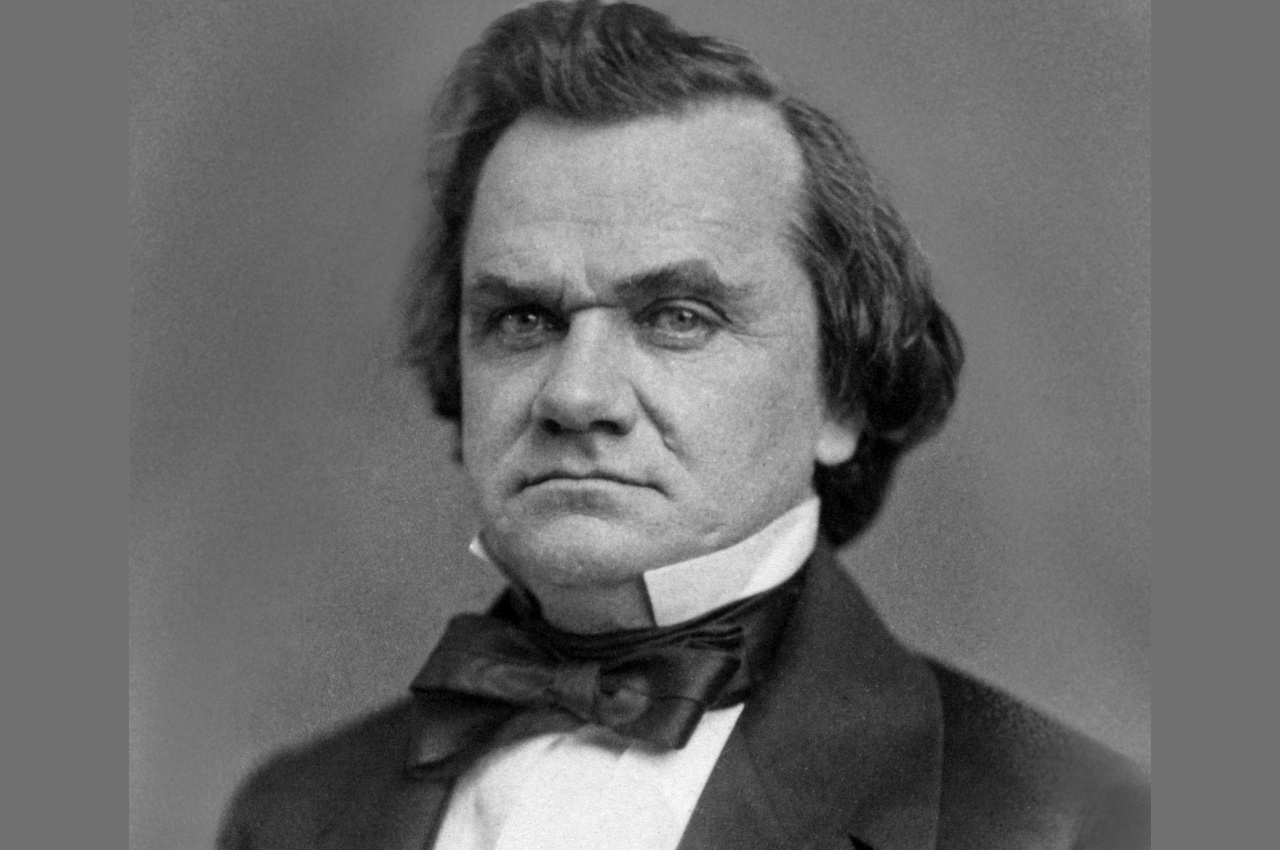
Abraham Lincoln and Stephen A. Douglas faced off repeatedly during the 1850s, most famously in the Illinois Senate race of 1858.
Their debates centered on the expansion of slavery, with Douglas advocating popular sovereignty and Lincoln opposing its spread.
While the debates cemented Lincoln’s reputation, the rivalry was not purely political.
According to the National Park Service, Lincoln once courted Mary Todd, who later broke off an engagement with Douglas and eventually married Lincoln.
This personal element added another layer to a rivalry already charged with ideological conflict.
Andrew Johnson and Ulysses S. Grant: Allies Turned Opponents
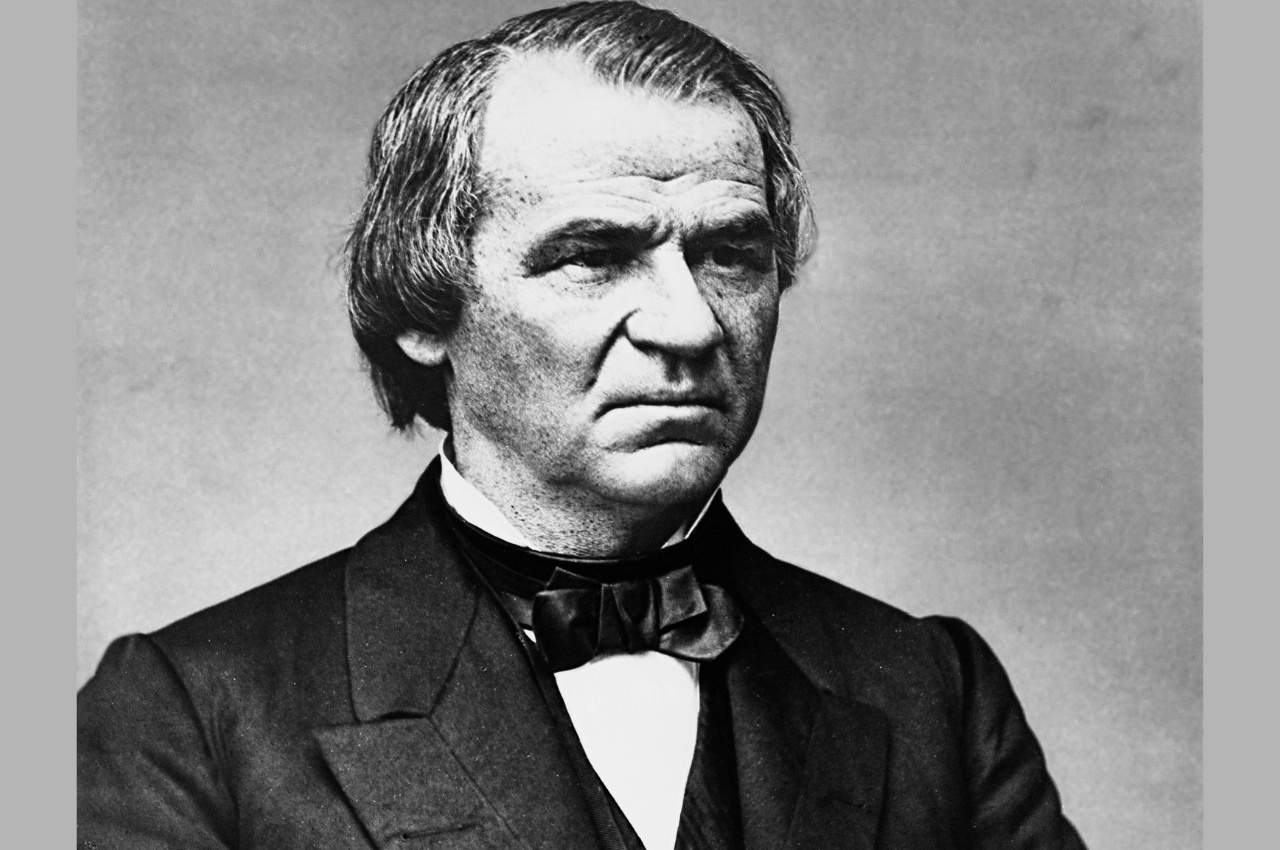
President Andrew Johnson and General Ulysses S. Grant began as allies during the turbulent Reconstruction era.
Johnson relied on Grant’s military prestige, but their relationship soured when Johnson attempted to undermine the Tenure of Office Act by removing Secretary of War Edwin Stanton.
Grant resisted Johnson’s maneuvers, siding with Congress instead.
According to the U.S. Senate Historical Office, this betrayal fractured their alliance, and Johnson publicly accused Grant of deception.
The feud deepened political divisions during Reconstruction and eventually helped propel Grant into the presidency.
Theodore Roosevelt and William Howard Taft: A Friendship Shattered
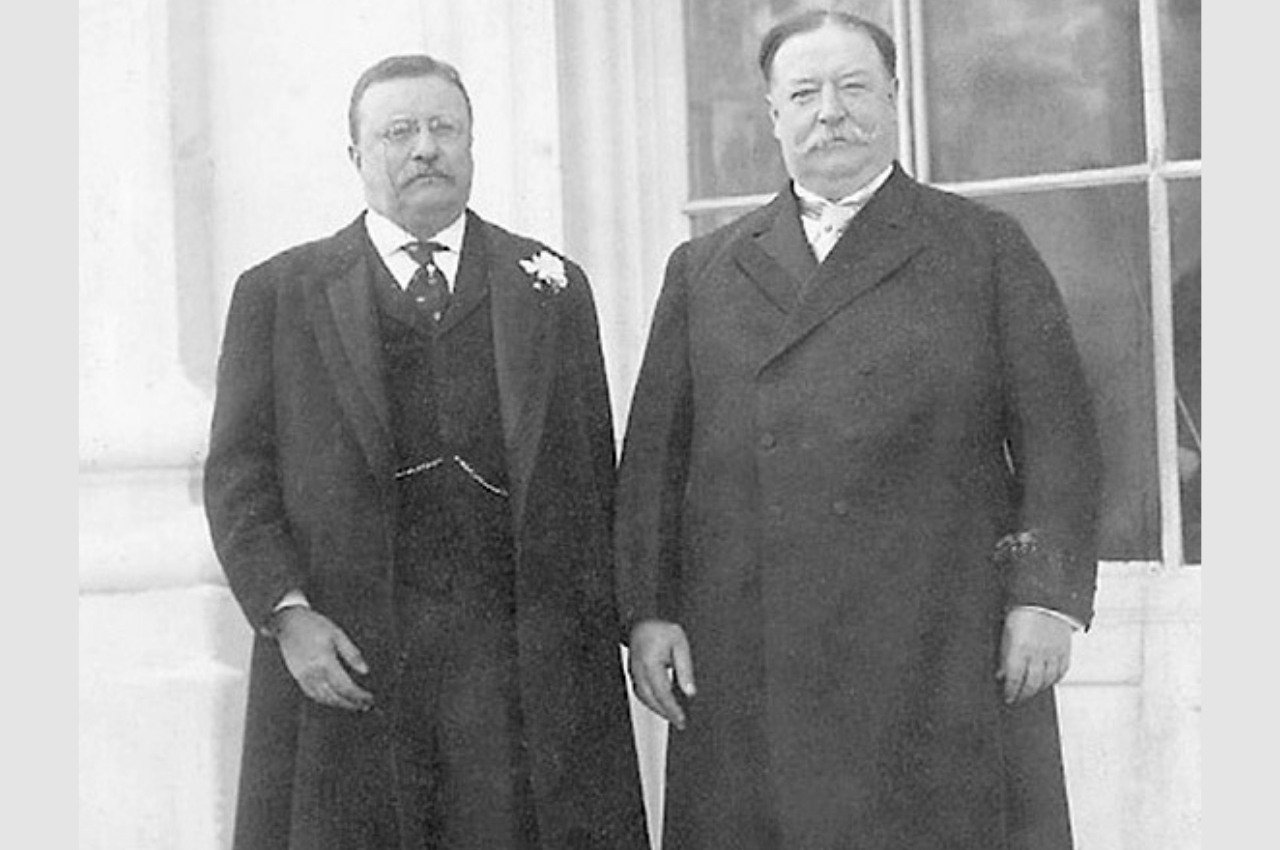
Theodore Roosevelt once considered William Howard Taft a close friend and political ally, even endorsing him as his presidential successor in 1908.
However, Taft’s more conservative policies disappointed Roosevelt, who felt his legacy was being dismantled.
By 1912, Roosevelt challenged Taft for the Republican nomination, splitting the party and running as a Progressive.
As noted by the National Park Service, their once-strong friendship collapsed into bitter rivalry.
The division ensured Woodrow Wilson’s victory, marking one of the most consequential political breakups in U.S. history.
When Friendship Meets Ambition
Roosevelt and Taft’s feud highlighted how political ambition can destroy even the strongest personal bonds.
Roosevelt believed Taft’s presidency betrayed the progressive reforms he had championed, while Taft resented Roosevelt’s interference and criticism.
Their split became a battle not just for the White House but also for control of the Republican Party’s future.
The bitterness of their rivalry was deeply personal, with each man feeling betrayed by the other.
The resulting division reshaped American politics, illustrating how fractured friendships can have national consequences.
Lyndon B. Johnson and Robert F. Kennedy: A Clash of Personalities
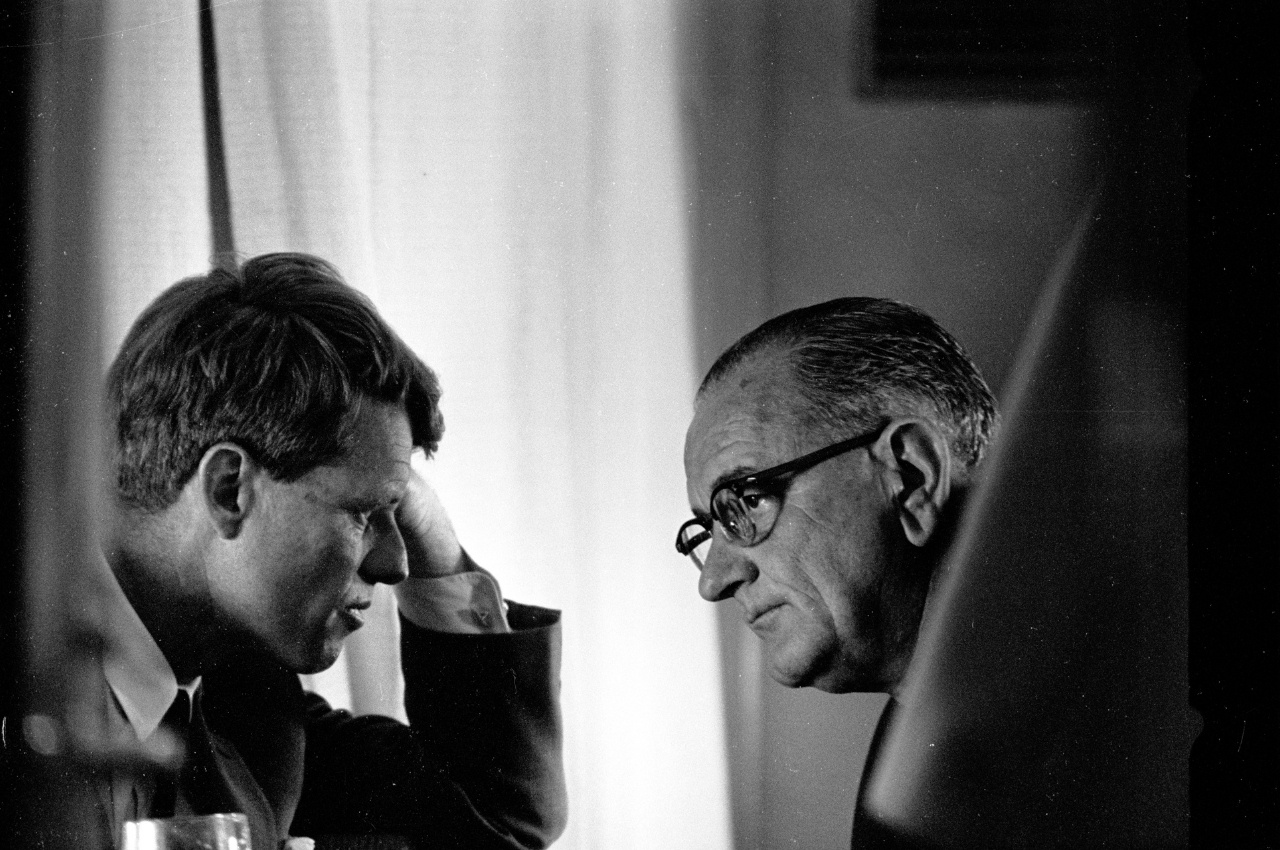
The feud between President Lyndon B. Johnson and Attorney General Robert F. Kennedy was rooted as much in personality as in politics.
Johnson saw Kennedy as arrogant and entitled, while Kennedy distrusted Johnson’s methods and resented his treatment of his brother, President John F. Kennedy.
According to the Miller Center at the University of Virginia, their rivalry shaped Democratic Party politics during the 1960s, with open hostility evident even during moments of national crisis.
Their animosity hindered cooperation and highlighted how personal pride influenced policymaking.
Franklin D. Roosevelt and Huey Long: The Challenge from Within
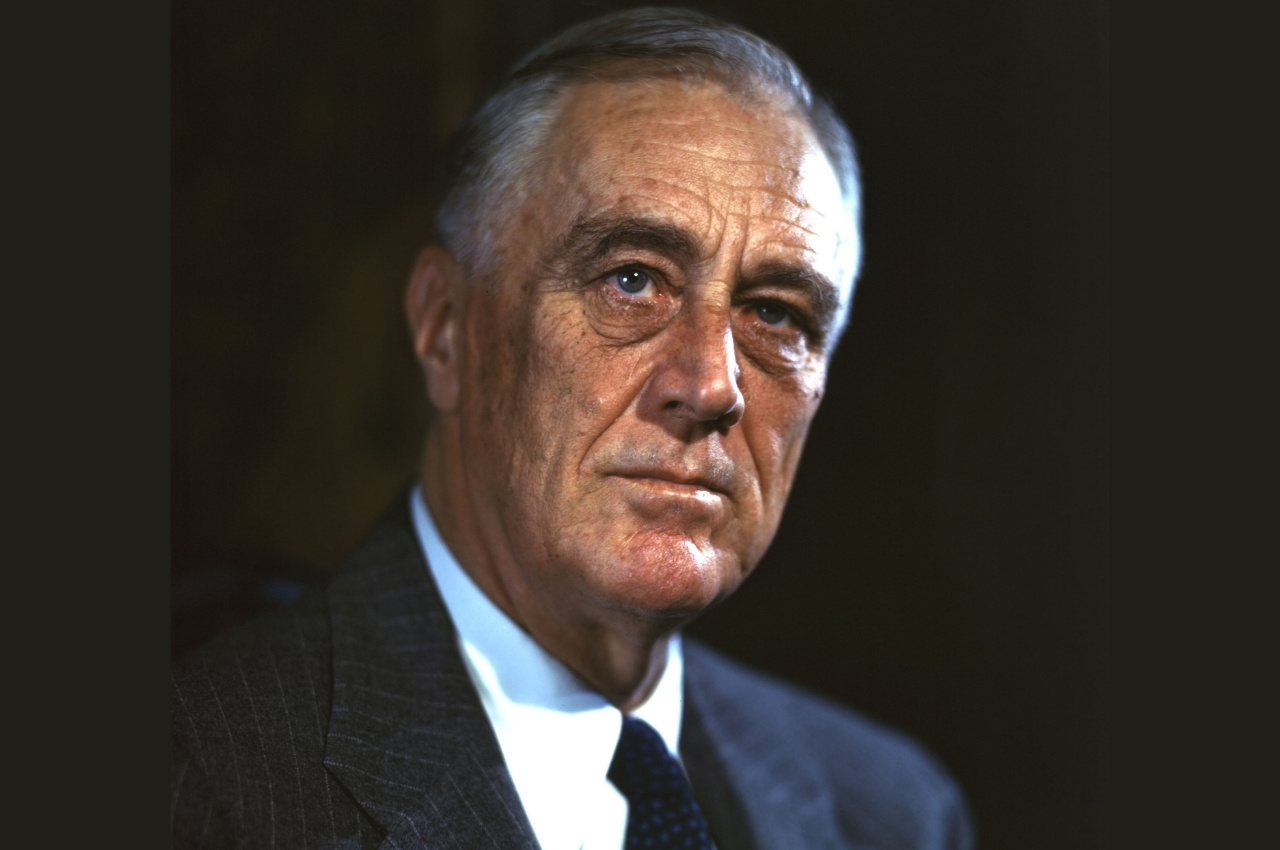
During the Great Depression, Louisiana Senator Huey Long emerged as one of Franklin D. Roosevelt’s loudest critics.
Long accused FDR of not going far enough with New Deal reforms, promoting his own “Share Our Wealth” program as an alternative.
Roosevelt viewed Long as a dangerous demagogue. As documented by the Franklin D. Roosevelt Presidential Library, FDR privately mocked Long and used political maneuvering to curb his influence.
Their feud highlighted the deep divisions over how to respond to the economic crisis and the role of government in addressing inequality.
References
Hamilton and Burr duel – nps.gov
Adams and Jackson election – loc.gov
Lincoln and Douglas debates – nps.gov
Johnson and Grant feud – senate.gov
Roosevelt and Taft rivalry – nps.gov
Johnson and Kennedy feud – millercenter.org