
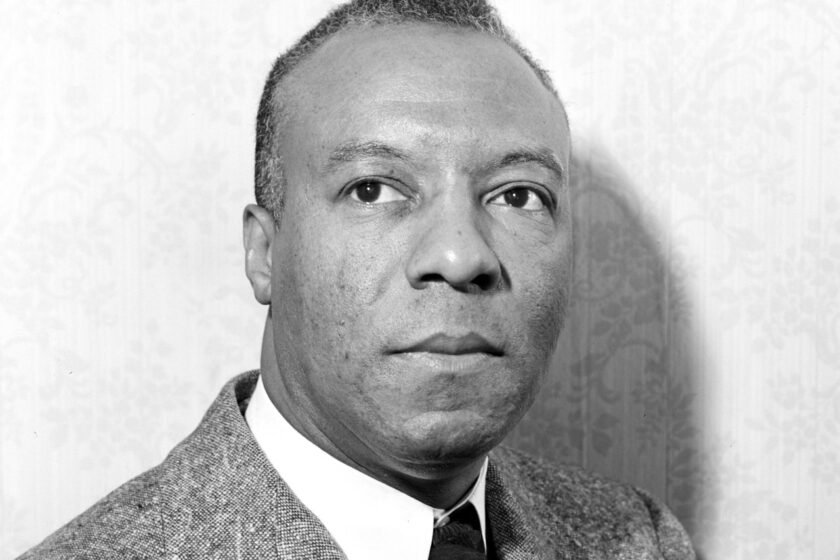
The struggle for dignity, fair pay, and equal treatment in American workplaces was long and often exhausting for Black workers. Their victories did not come through chance but through the relentless determination of leaders who organized, educated, and pushed back against discrimination. From the Pullman porters who worked endless hours under harsh conditions to the women who rallied families and communities, these trailblazers built a movement that reshaped both labor rights and civil rights. Their vision forged pathways toward justice, proving that collective courage can transform society.
1. A. Philip Randolph
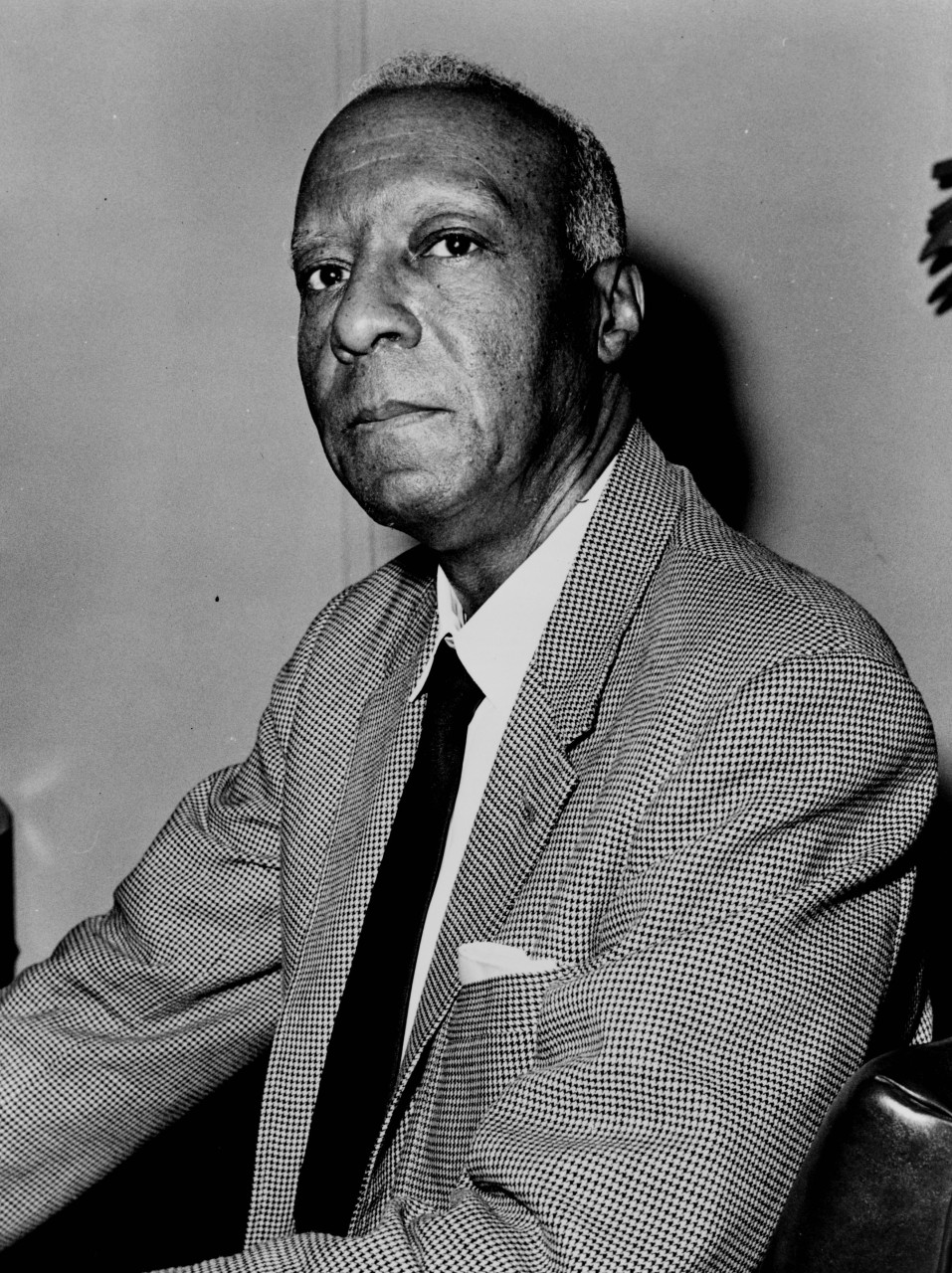
A. Philip Randolph was the powerful voice behind the Brotherhood of Sleeping Car Porters, the first successful Black-led labor union in the United States. He dedicated decades to fighting for better wages, improved working conditions, and dignity for Black porters who were long underpaid and exploited by the Pullman Company. Randolph’s leadership not only won contracts for the union but also shaped the broader civil rights movement. His role in organizing the 1963 March on Washington shows how labor and civil rights were deeply connected.
2. Milton P. Webster
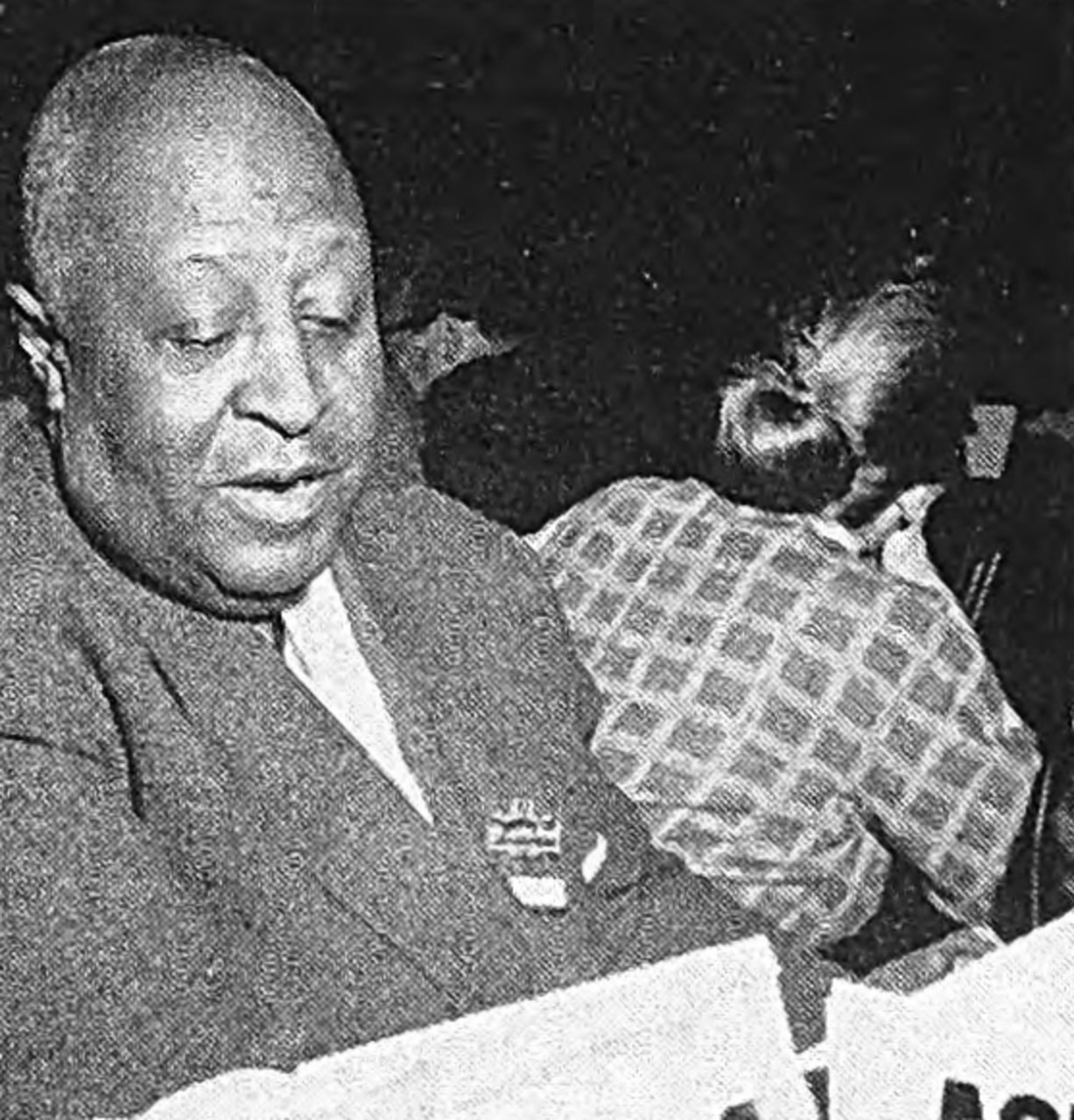
Milton P. Webster served as the union’s first vice president and head of its Chicago division, where he became a fierce negotiator for labor rights. He represented the Brotherhood on President Franklin Roosevelt’s Fair Employment Practice Committee, giving Black workers a national platform during World War II. Webster’s efforts highlighted the critical link between labor rights and racial equality, ensuring that Black workers had a seat at the table in shaping federal employment policies and pushing America toward fairer practices.
3. Addie L. Wyatt
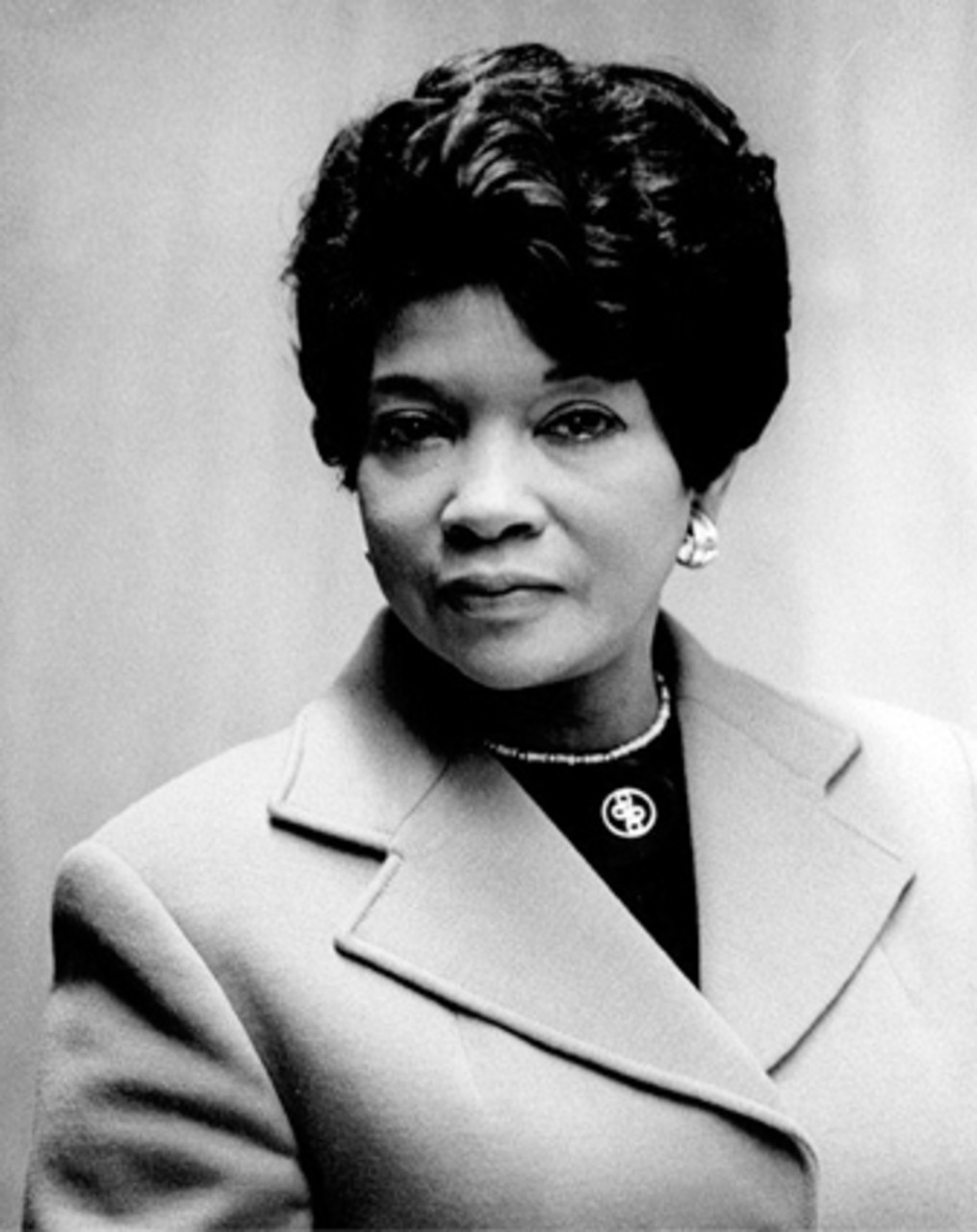
Addie L. Wyatt was a pioneering labor leader and minister who broke barriers in the food processing industry. Rising from a meatpacking plant worker to an international union vice president, she fought for equal pay for women, better workplace protections, and civil rights for Black workers. She was also deeply involved in the Southern Christian Leadership Conference, working alongside Martin Luther King Jr. Wyatt’s leadership highlighted the critical role of women in labor struggles and how workplace rights intertwined with the larger civil rights movement.
4. Bayard Rustin
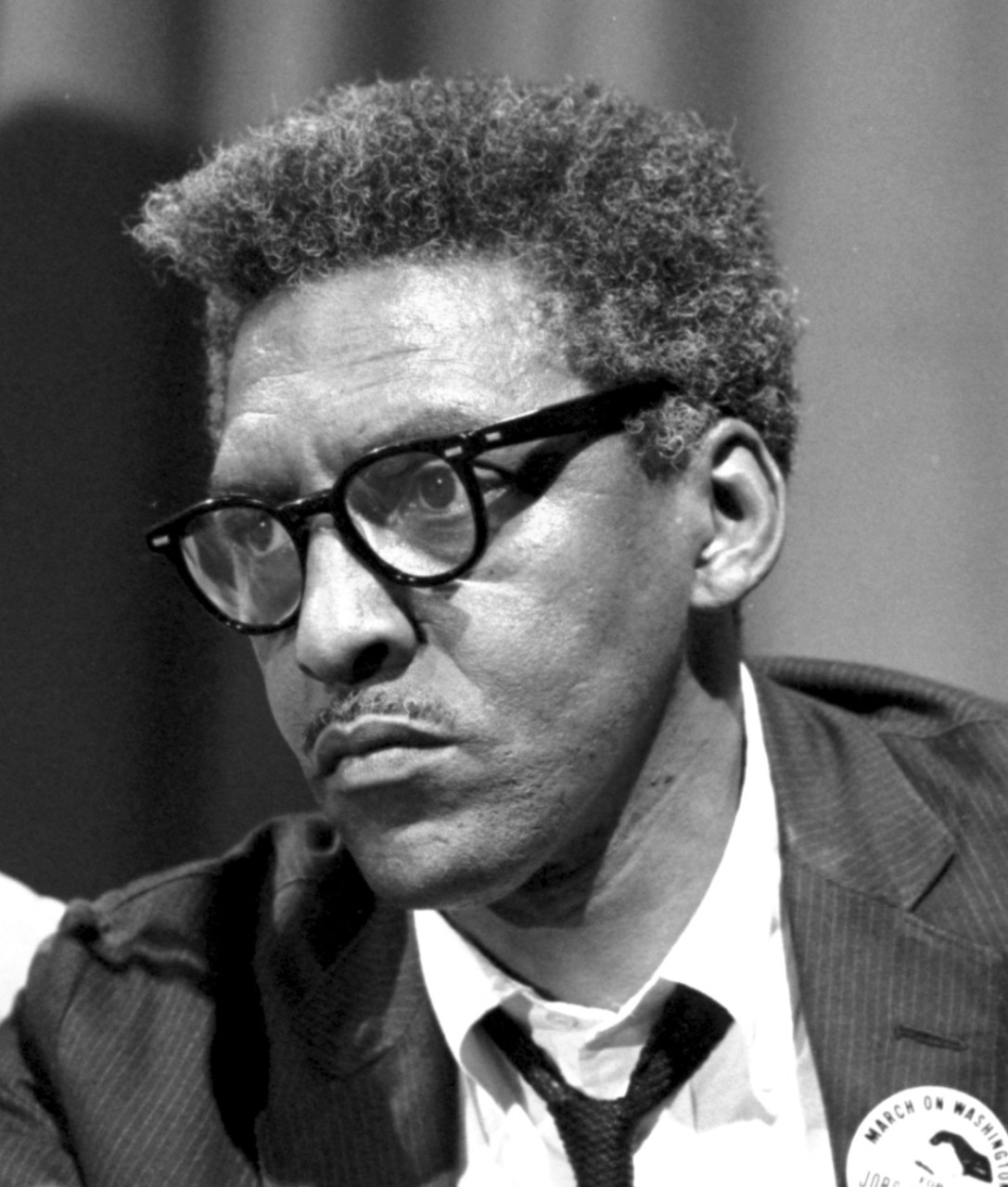
Bayard Rustin, best remembered as the chief organizer of the 1963 March on Washington, also had deep roots in labor organizing. A skilled strategist, he worked closely with Randolph to link civil rights demands with economic justice. Rustin believed that unions were a powerful tool for uplifting Black workers and ensuring fair opportunities for all. His lifelong dedication to both labor and human rights showed how deeply the two movements were connected, and his organizing legacy continues to inspire activists today.
5. Frank L. Boyd
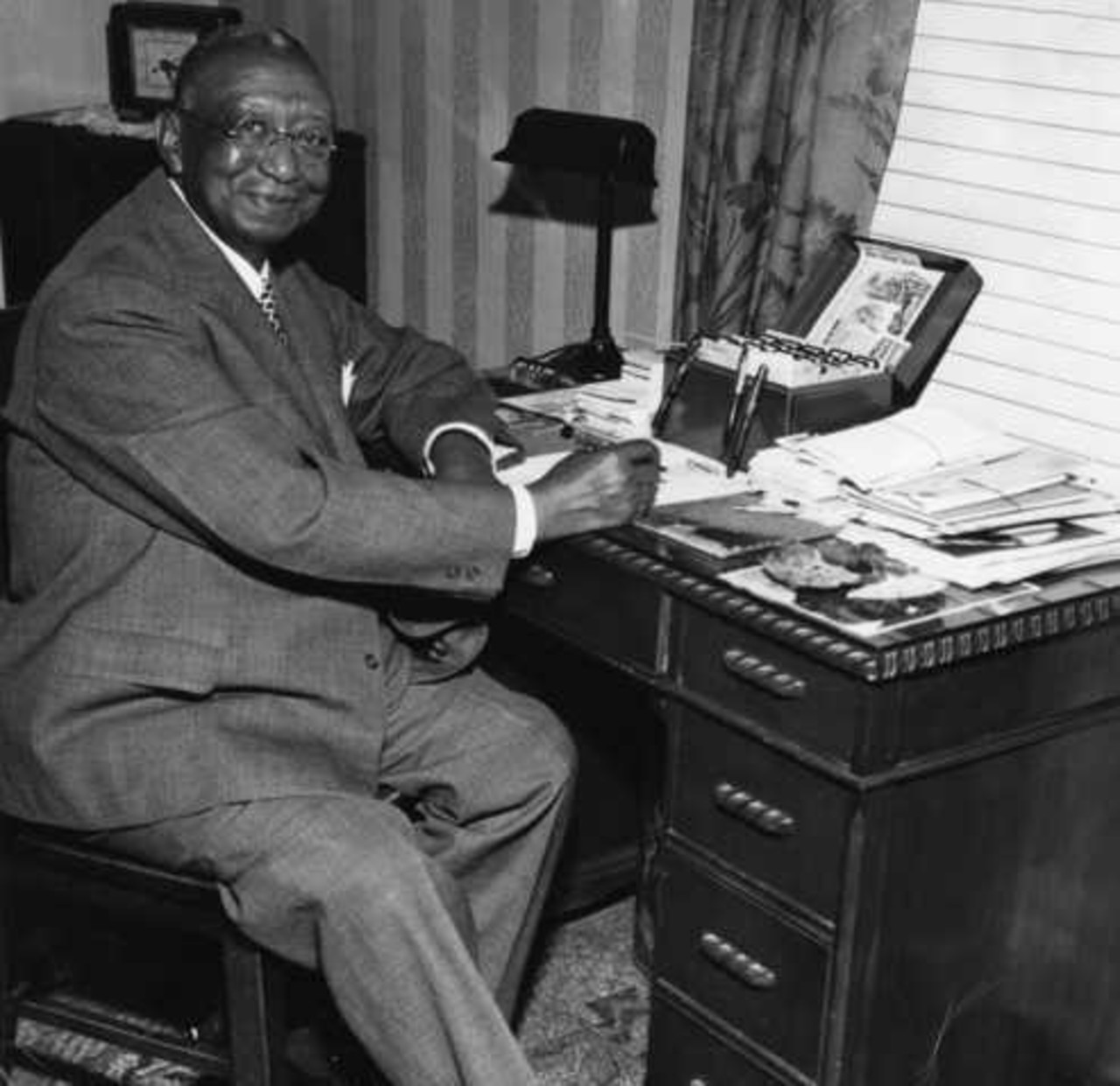
Frank L. Boyd, a porter himself, became a driving force in organizing the Brotherhood at the grassroots level. Working from the ground up, Boyd built networks of workers willing to risk their jobs to demand justice. He is remembered for his determination in standing up to the Pullman Company during a time when retaliation was common and often severe. Boyd’s efforts not only expanded union membership but also empowered porters to see themselves as key players in shaping workplace rights for future generations.
6. Rosina Corrothers-Tucker
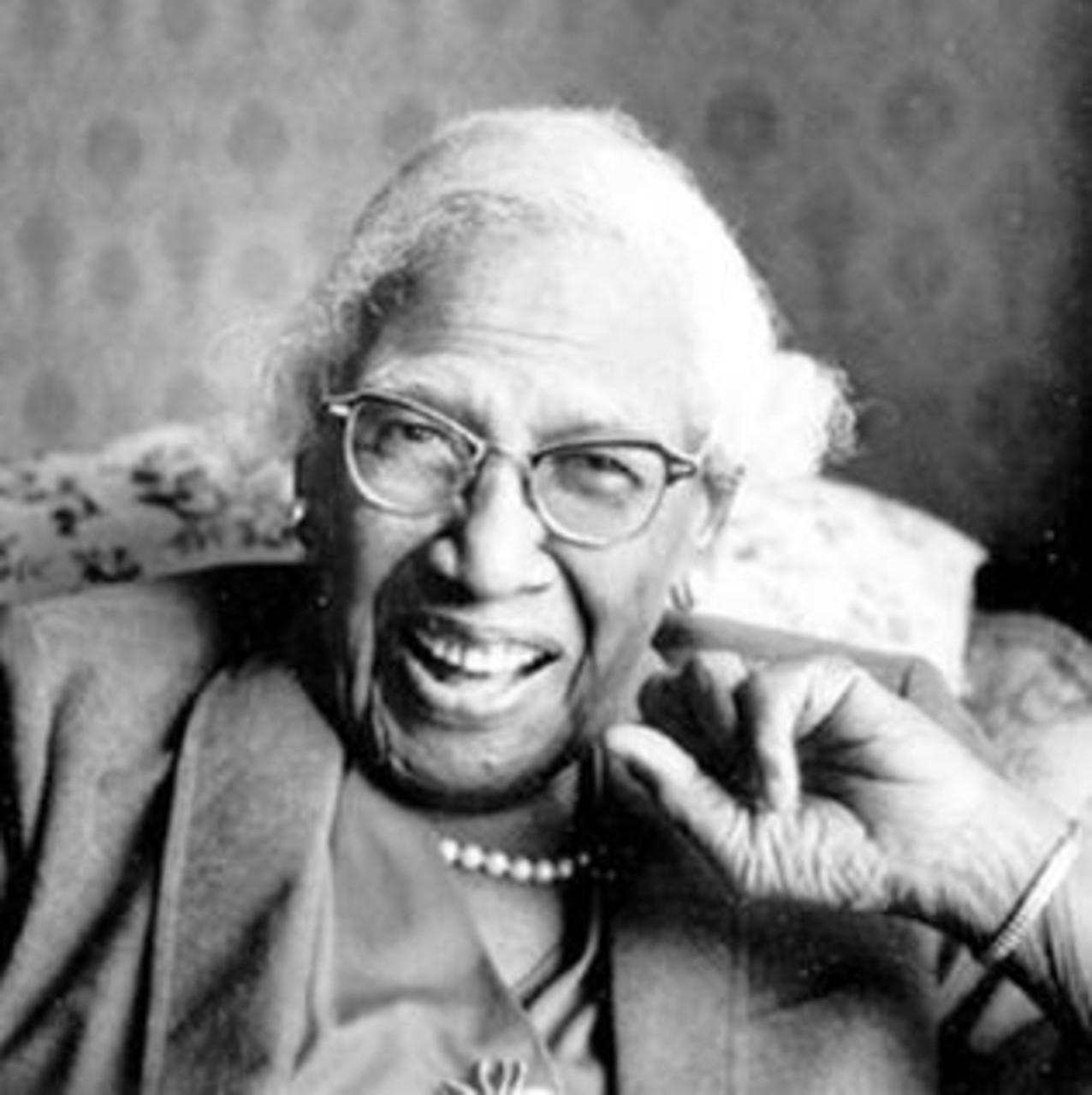
Rosina Corrothers-Tucker brought women into the fight for labor rights by founding the Ladies’ Auxiliary of the Brotherhood. She organized the wives and families of porters, mobilizing them to raise funds, spread awareness, and lobby for fair treatment. Her leadership showed that union struggles did not stop at the workplace but extended into homes and communities. Tucker’s work demonstrated the vital role women played in sustaining the movement, making her a trailblazer in both labor and gender equality.
7. E. D. Nixon
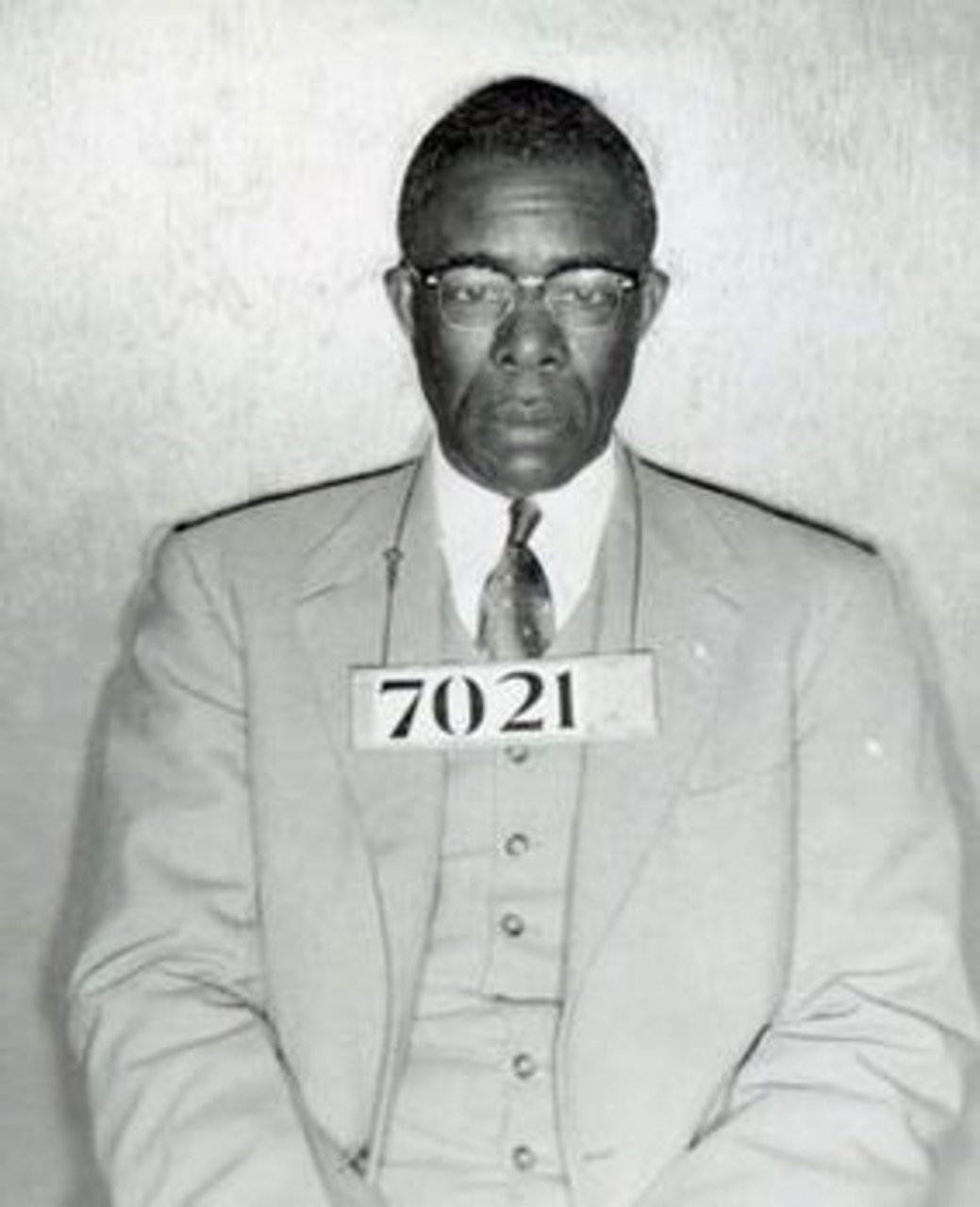
E. D. Nixon was a porter and union organizer whose influence reached far beyond the railroad. In Montgomery, Alabama, he served as a local Brotherhood leader and later became one of the key figures behind the Montgomery Bus Boycott. Nixon’s work bridged the gap between labor activism and civil rights, showing how union organizing could strengthen the fight against racial segregation. His leadership placed him at the crossroads of two of America’s most transformative movements, making his contributions unforgettable.
8. Maida Springer-Kemp
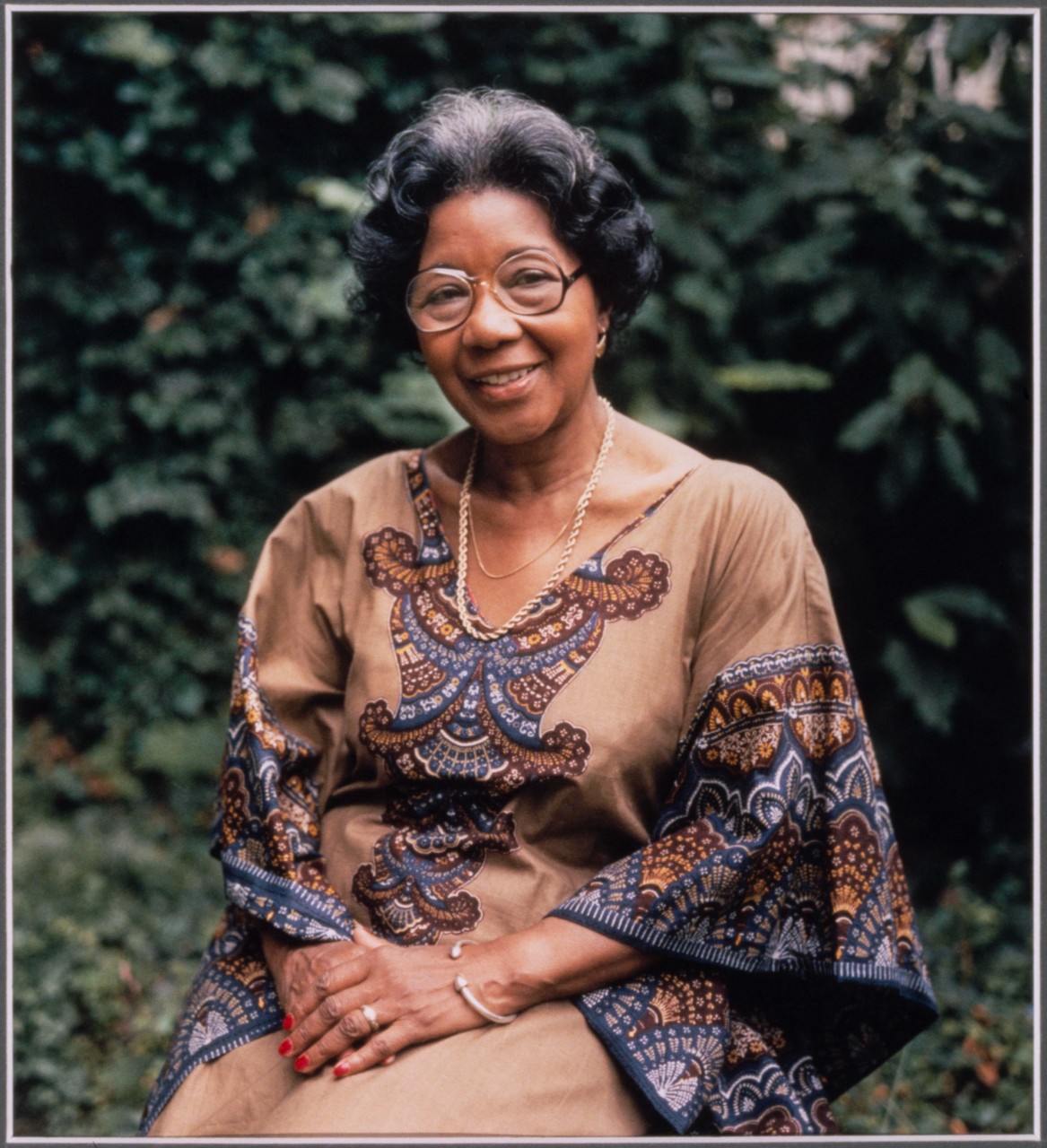
Maida Springer-Kemp brought a global perspective to Black labor leadership. Though not a porter herself, she worked alongside Randolph and others, linking labor rights with international struggles for freedom. Known as the “Shop Steward of the World,” Springer-Kemp traveled widely to support workers’ movements in Africa and the Caribbean while advocating for fair treatment in the United States. Her work connected Black labor activism to the larger fight against colonialism, making her a trailblazer who expanded the reach of labor rights beyond American borders.
9. Pullman Porters
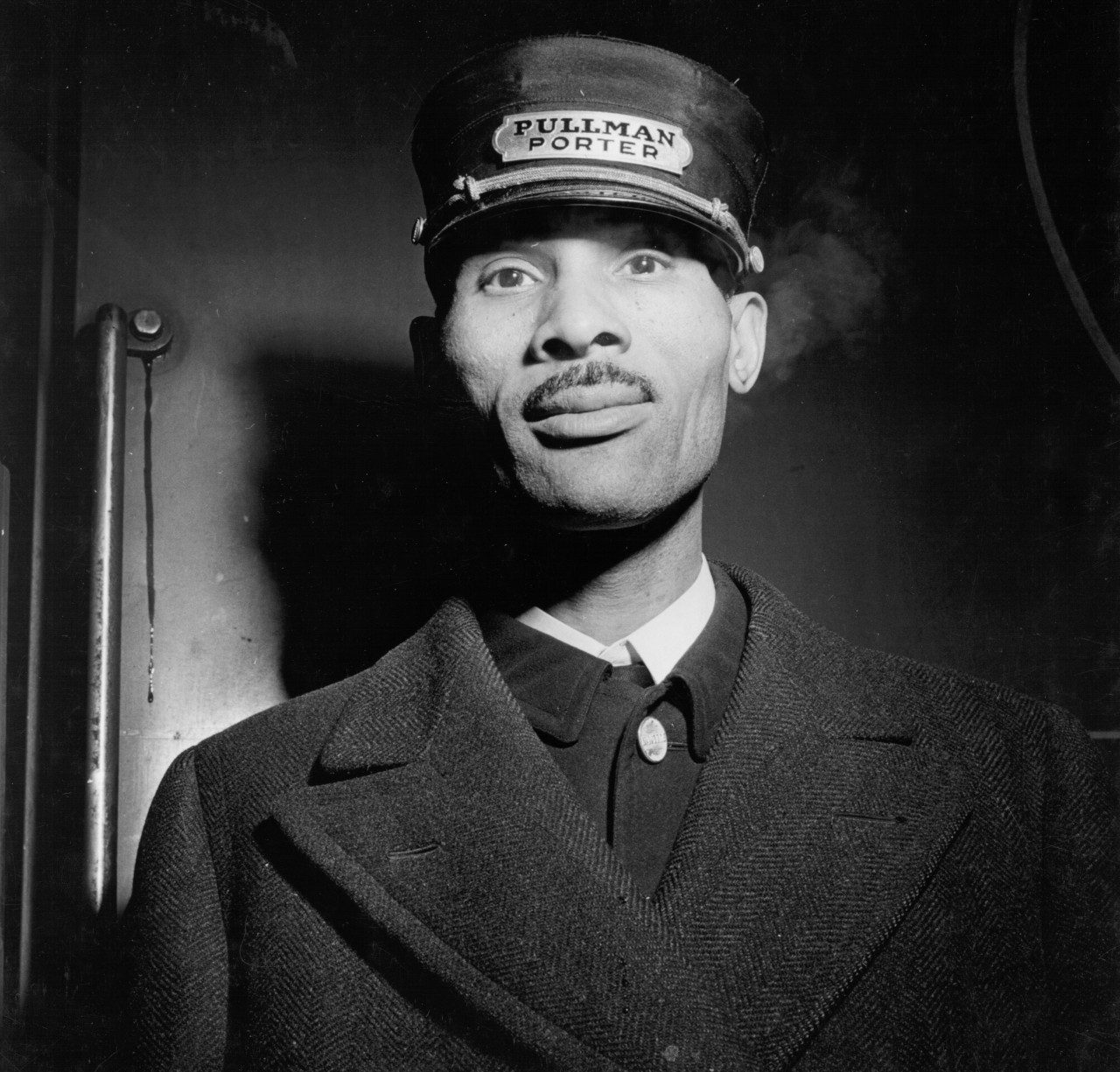
The Pullman porters themselves, as a collective body, were the backbone of the Brotherhood and the reason the union succeeded. For decades, they endured exhausting hours, low pay, and humiliating treatment, yet their persistence in organizing reshaped the American labor movement. By demanding dignity and fair wages, they not only improved their own working lives but also inspired other unions to follow suit. The porters’ collective bravery remains one of the most important examples of grassroots power in U.S. labor history.
10. Walter White
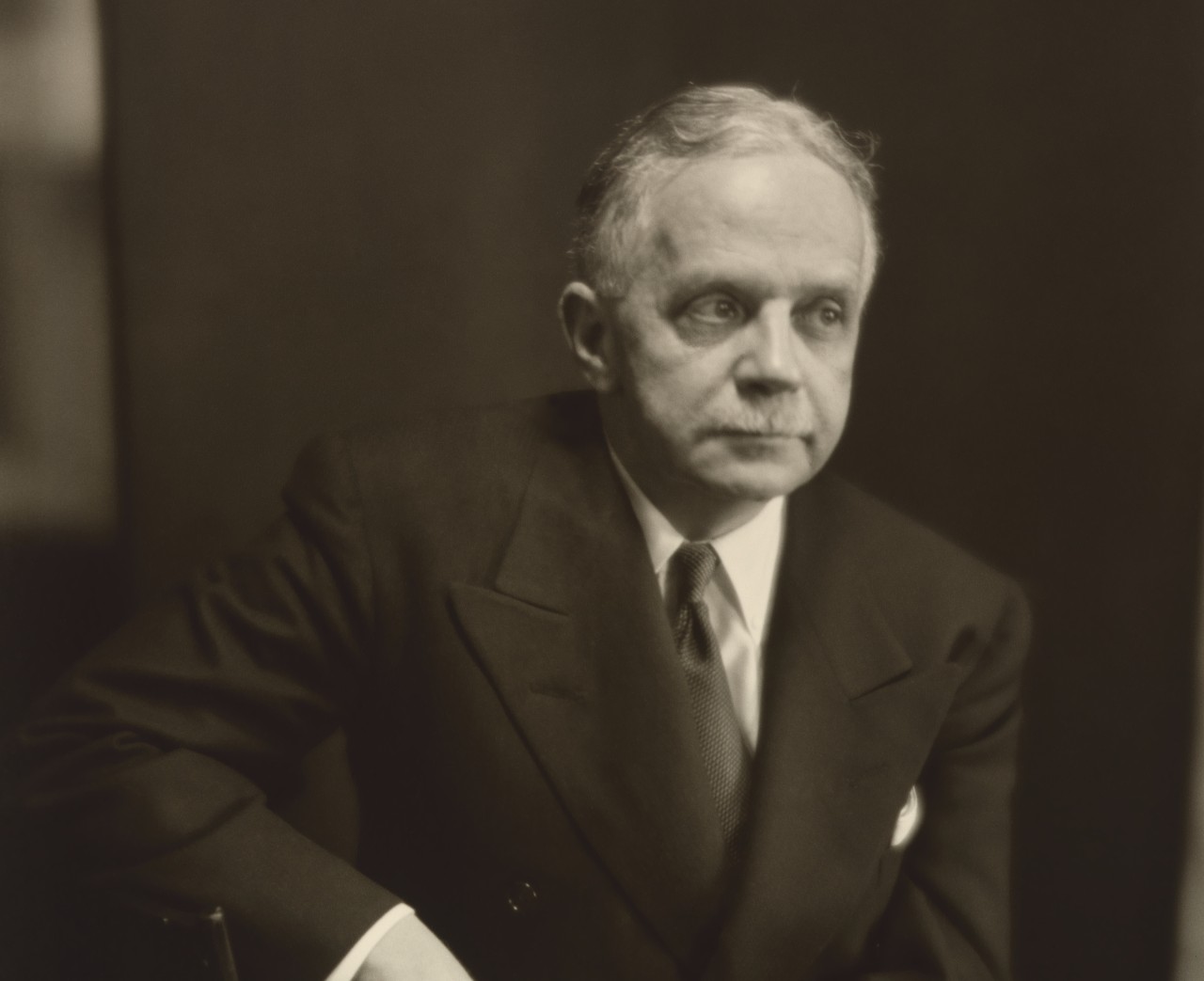
Walter White, then leader of the NAACP, was among the allies who worked closely with Randolph and the Brotherhood. Though not a porter himself, White’s support amplified the union’s voice and connected labor struggles to the larger civil rights agenda. His advocacy demonstrated how partnerships between civil rights organizations and unions could bring broader visibility and political leverage. Allies like White show that lasting change often comes from strong coalitions where shared goals bring diverse leaders together.