
The Black Arts Movement of the 1960s and 1970s created a cultural revolution that reshaped literature, theater, and visual arts. Rooted in community empowerment and political consciousness, it gave rise to spaces where creativity and activism thrived side by side. Many of these hubs remain today, offering visitors a chance to connect with the legacy of Black expression and resilience. From community theaters to archives, these locations stand as living monuments to a movement that celebrated identity, fueled resistance, and shaped African American cultural history.
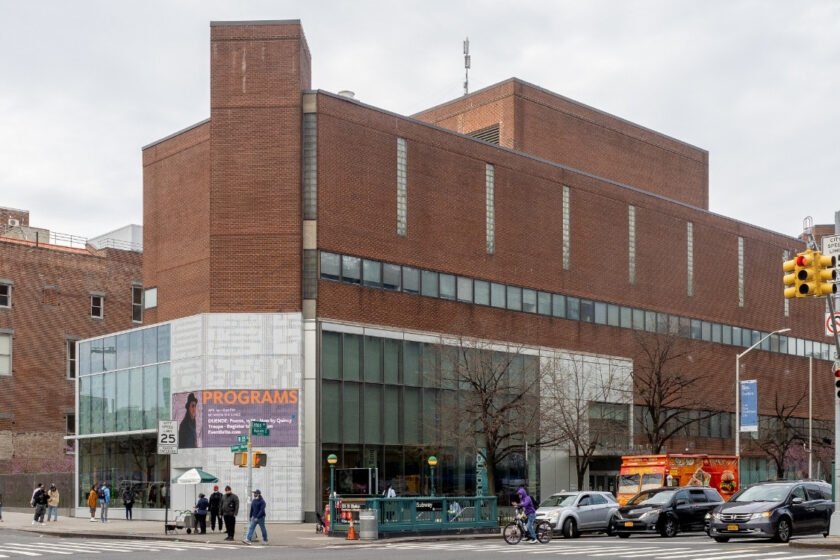
1. The Schomburg Center for Research in Black Culture, New York
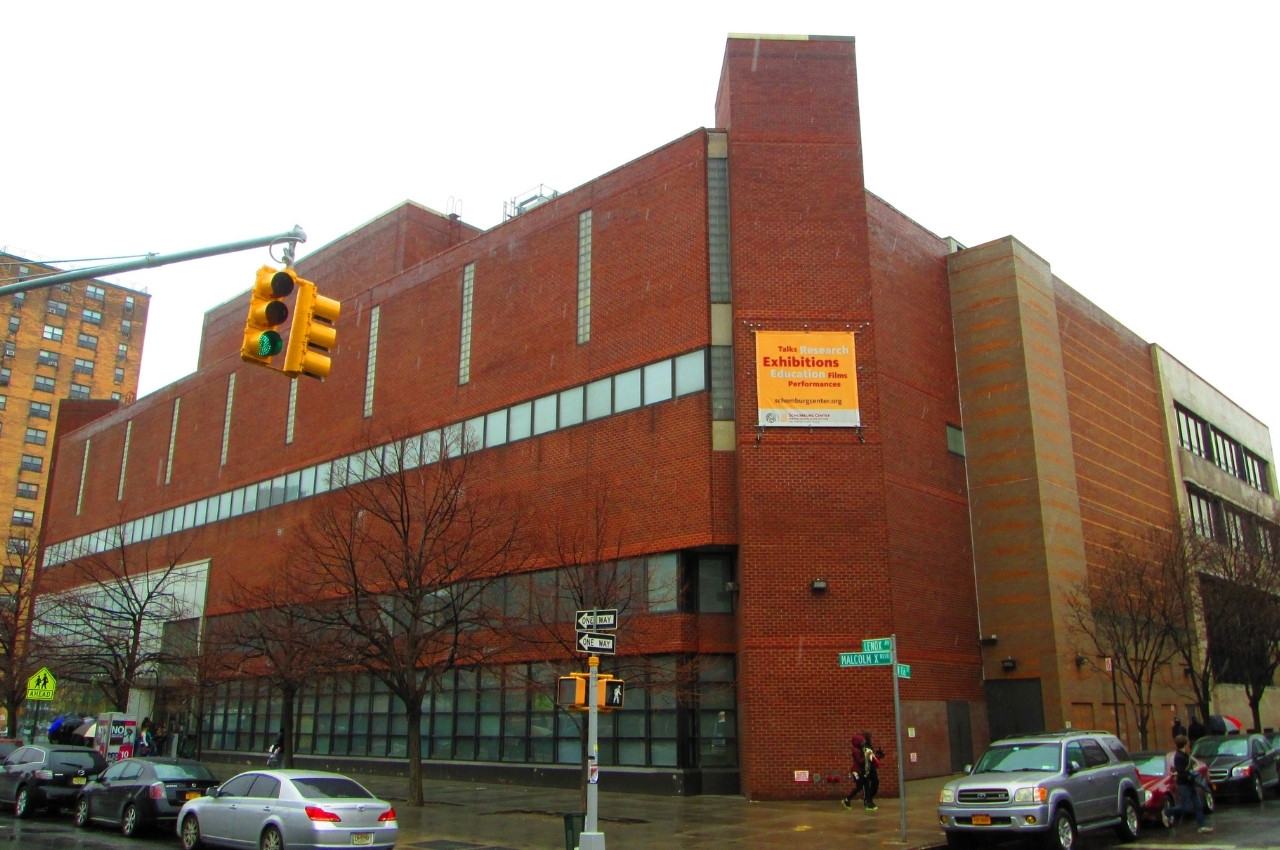
Located in Harlem, the Schomburg Center played a pivotal role in archiving and promoting Black literature and history during the Black Arts Movement. It was a space where writers and thinkers such as Amiri Baraka and Sonia Sanchez found inspiration and resources. Today, it remains part of the New York Public Library system, preserving collections that document Black culture globally. According to the NYPL archives, the center continues to host events, exhibitions, and readings that celebrate the legacy of Black creativity and its impact on American cultural history.
2. The Studio Museum in Harlem, New York
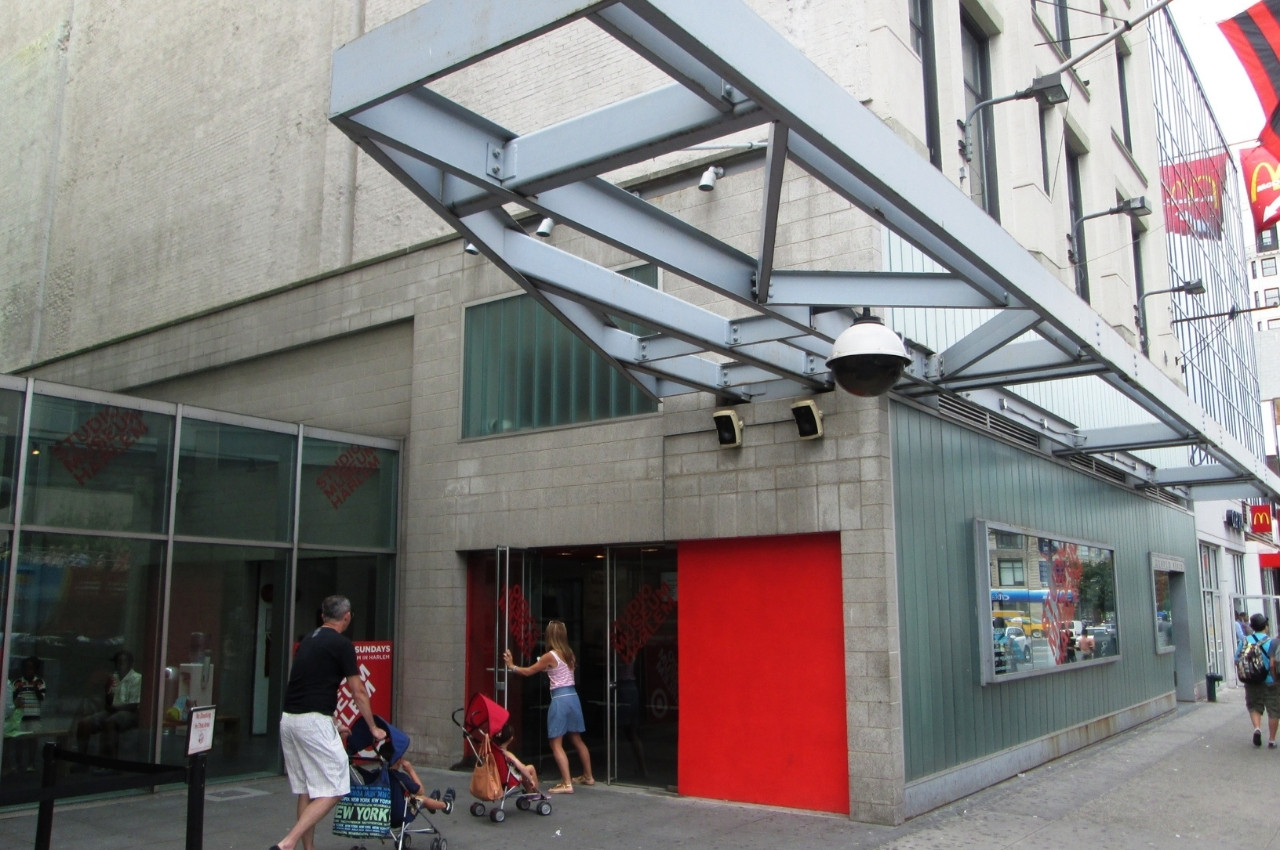
The Studio Museum in Harlem became an essential hub for Black visual artists, giving them exhibition space during a time when mainstream institutions excluded them. Founded in 1968, it supported artists such as Faith Ringgold and Betye Saar. The museum continues to champion Black art through residencies, exhibitions, and public programs. According to the Smithsonian American Art Museum, it has become a cornerstone for advancing the visibility of African American and diasporic art while providing an essential cultural link to the Black Arts Movement’s legacy of empowerment.
3. Malcolm X and Dr. Betty Shabazz Memorial and Educational Center, New York
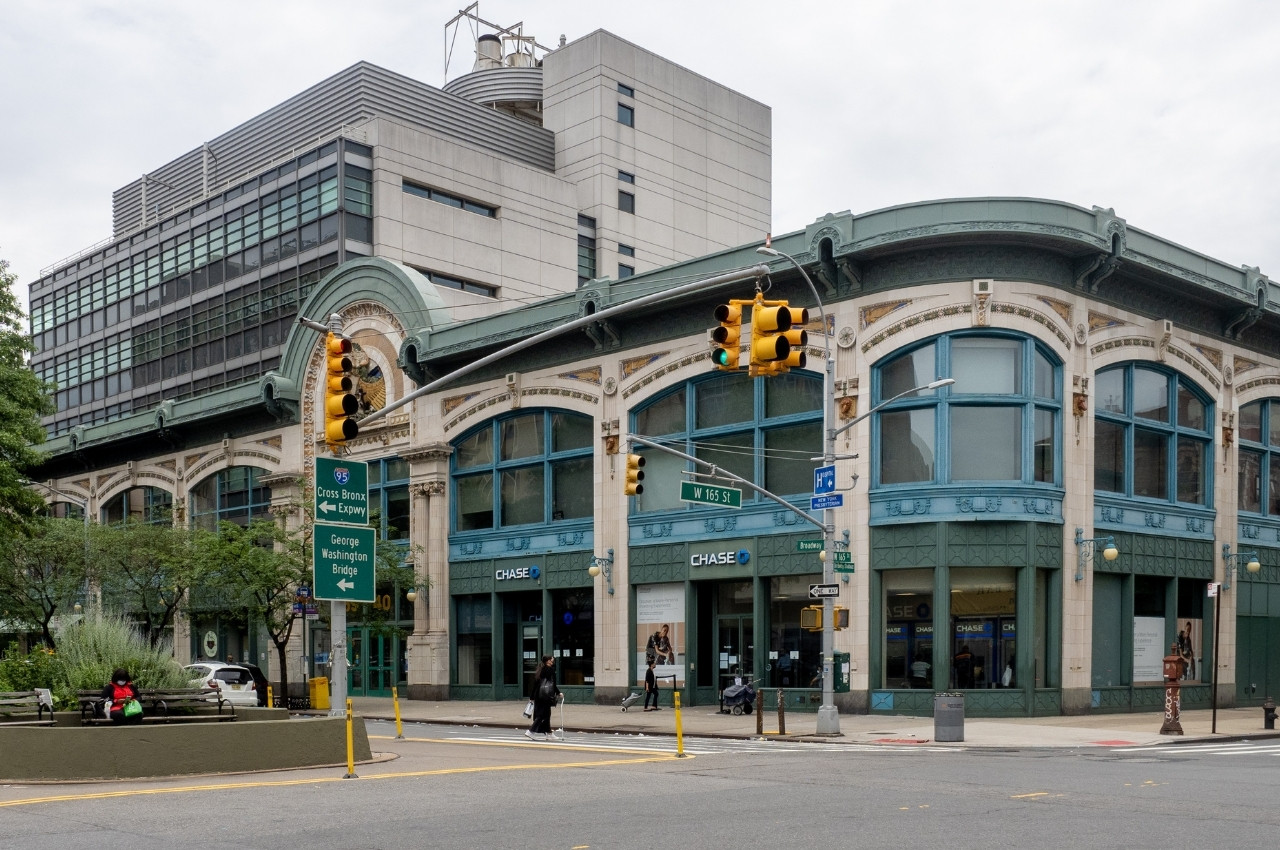
This Harlem-based center occupies the former Audubon Ballroom, where Malcolm X was assassinated in 1965. Though not an original hub of the Black Arts Movement, it became an influential site of remembrance and Black cultural expression. During the movement’s height, it hosted events that celebrated Black history and resistance. According to the center’s archives, it remains a vital institution for education, cultural programming, and preservation of the legacies of Malcolm X and Dr. Betty Shabazz, making it a meaningful stop for visitors tracing Black cultural history.
4. National Center Of Afro-American Artists, Boston, Massachusetts
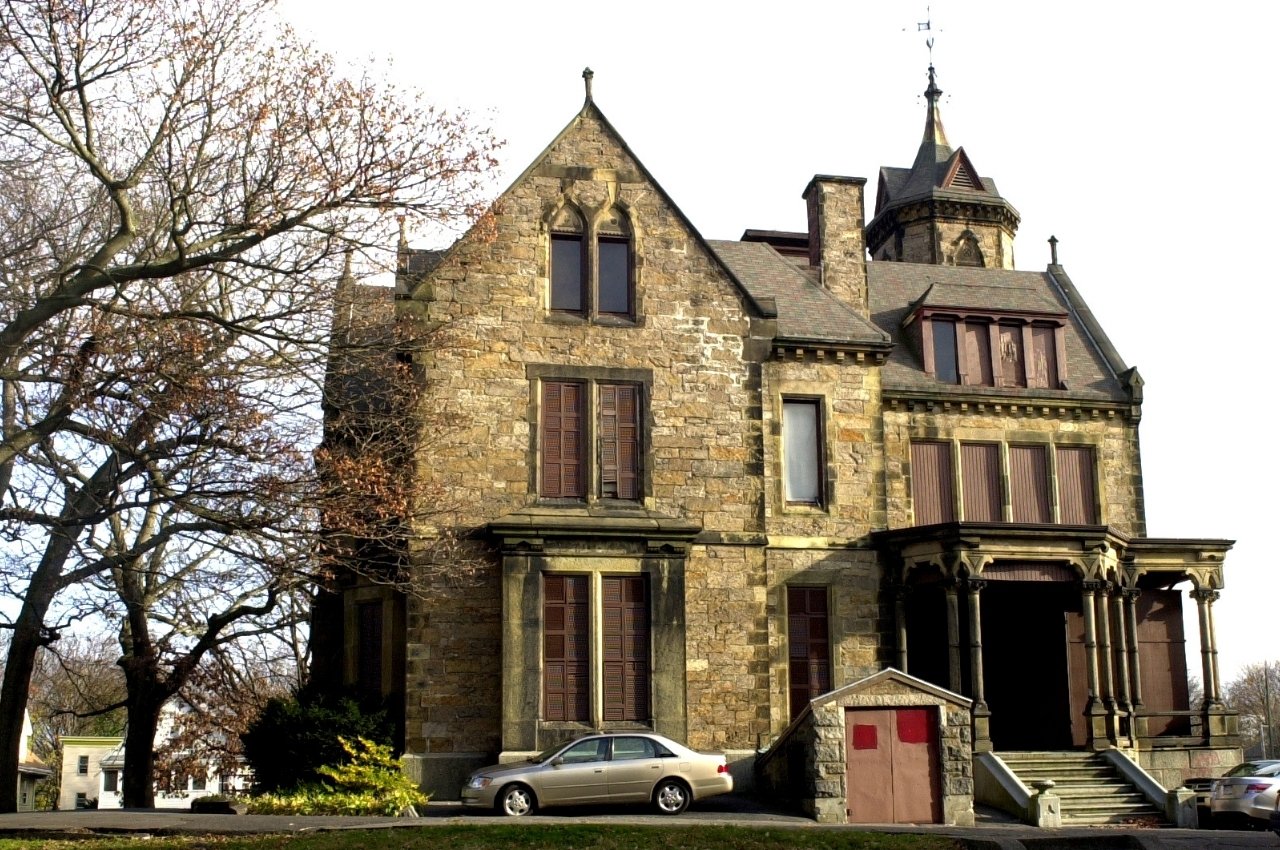
Founded in 1968 by arts educator Elma Lewis, the National Center of Afro-American Artists was created to preserve and promote Black creativity. Based in Boston’s Roxbury neighborhood, the center supports exhibitions, performances, and youth training in fine arts. According to the center’s institutional history, it became an essential venue for African American expression during the peak of the Black Arts Movement. Its museum has hosted internationally acclaimed exhibits while also cultivating local artists. Visitors today can experience its gallery, performances, and programs that highlight the global contributions of Black artists and their cultural heritage.
5. Amistad Research Center, New Orleans, Louisiana
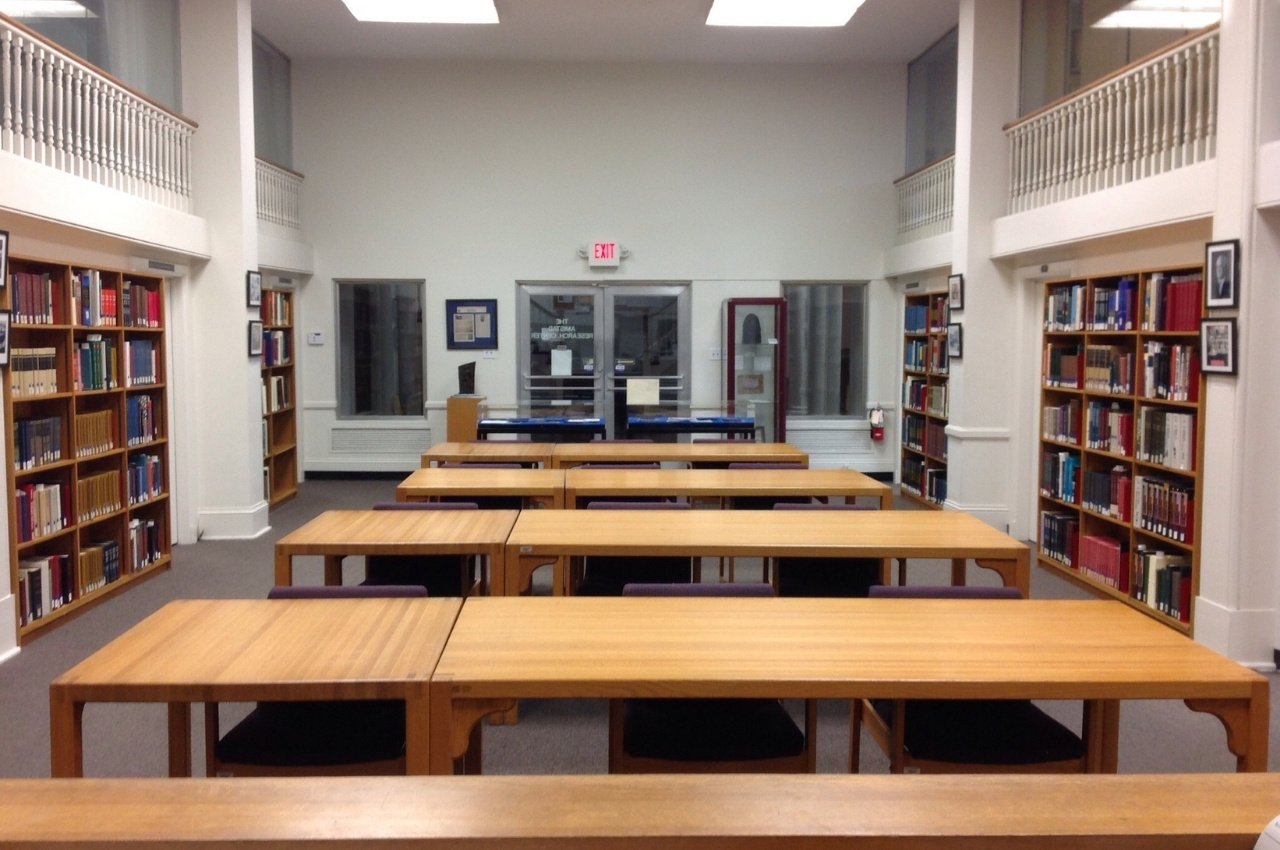
The Amistad Research Center, founded in the 1960s, holds one of the largest independent archives documenting African American history, arts, and culture. Located at Tulane University, the center houses manuscripts, photographs, and artwork tied to the Black Arts Movement. According to its official exhibits, Amistad preserves collections from writers, visual artists, and organizations central to African American expression. Visitors can explore rotating exhibitions that highlight Black artistic contributions while accessing rare historical documents. The center remains an invaluable institution for scholars and the public, ensuring the cultural legacy of the Black Arts Movement endures.
6. Harlem School of the Arts, New York City
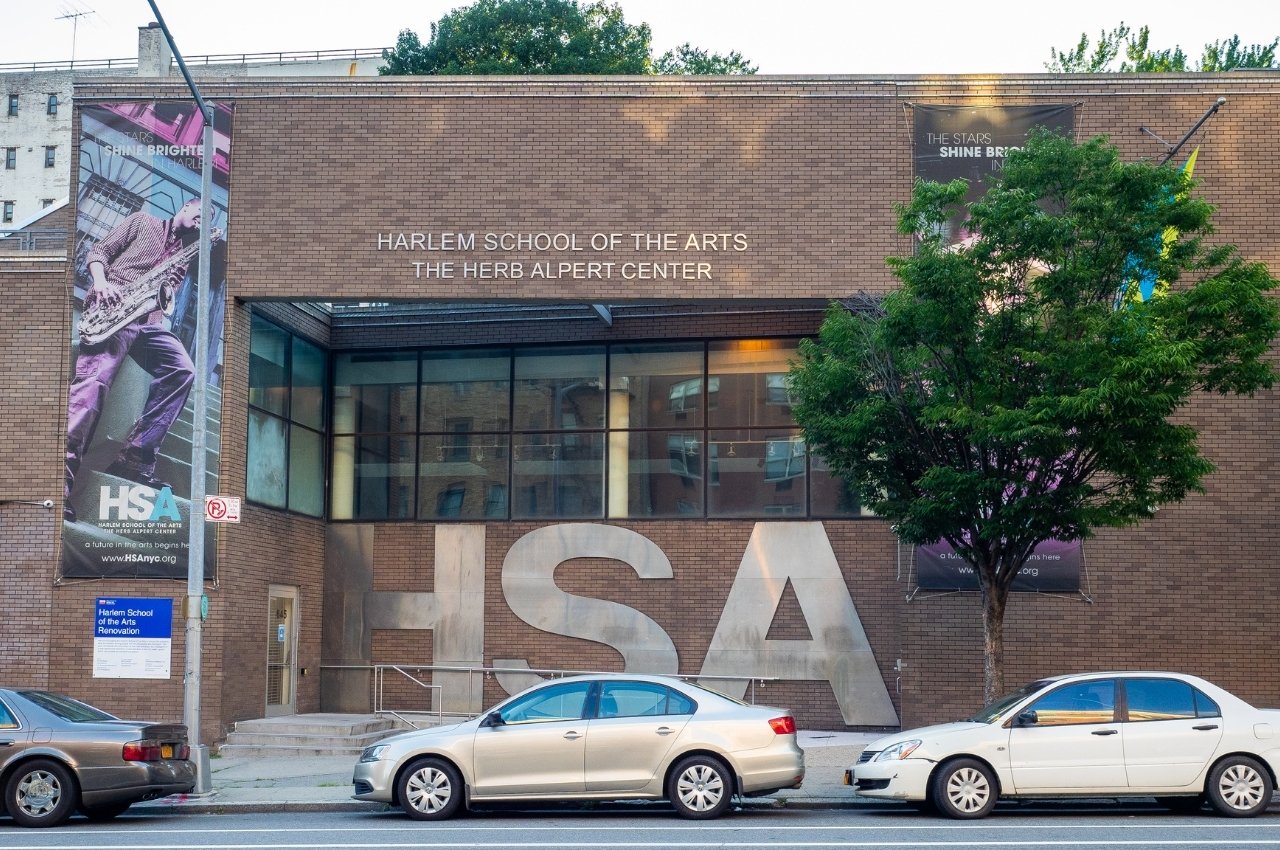
The Harlem School of the Arts, founded in 1964 by soprano Dorothy Maynor, became an important institution in nurturing young Black talent. During the Black Arts Movement, it provided African American youth with professional opportunities to pursue theater, dance, music, and visual arts. The New York Times highlights how the school cultivated cultural pride and creativity at a time when mainstream institutions often excluded Black voices. Today, it stands as a thriving center of artistic education in Harlem, continuing its mission of promoting access to the arts for underrepresented communities.
7. The National Black Arts Festival, Atlanta, Georgia
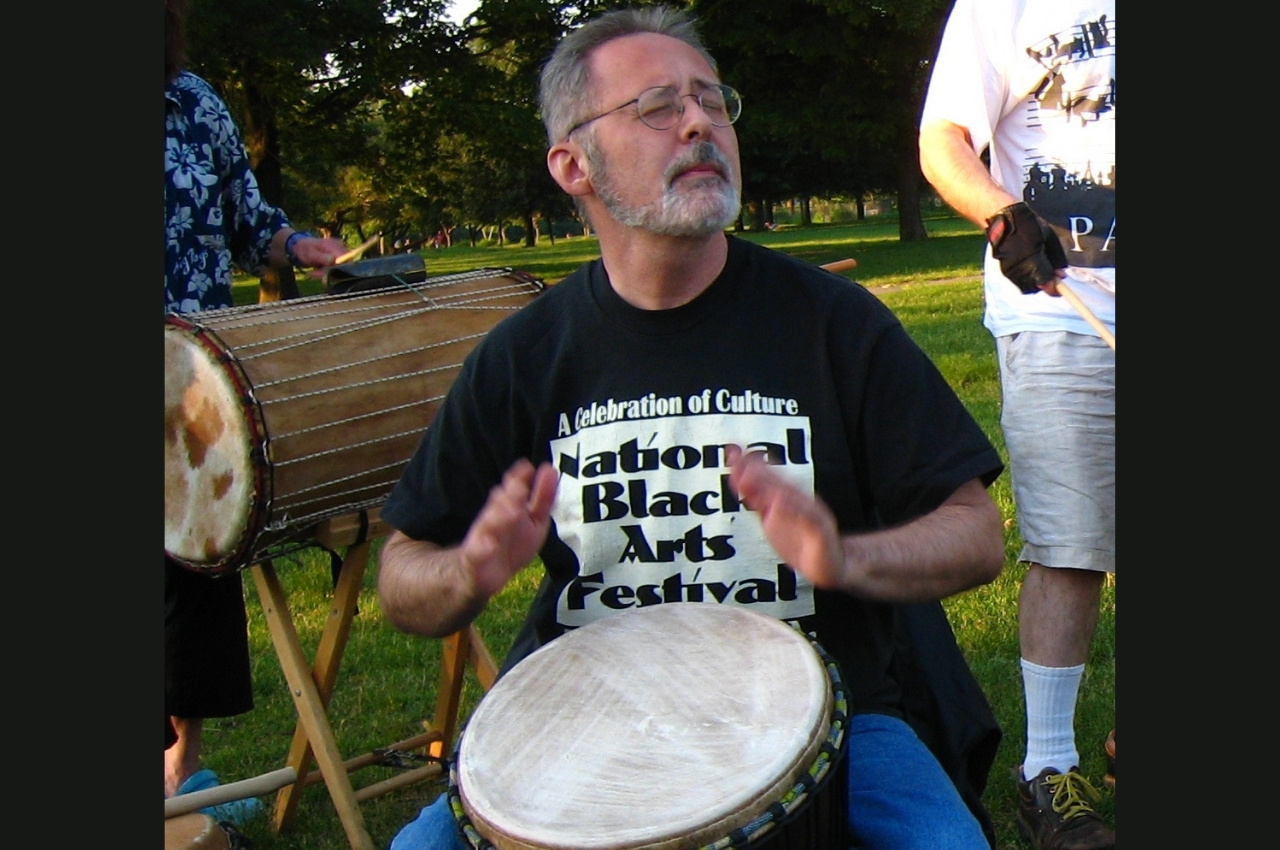
The National Black Arts Festival, founded in 1987 by the Arts & Business Council of Atlanta, celebrates African American artistic expression across performing arts, visual arts, and literary fields. According to the festival’s archives, it provides performance opportunities, artist residencies, and public programming that connect audiences to Black cultural heritage. Originally inspired by the Black Arts Movement, it continues to serve as a platform for emerging and established artists alike. The festival emphasizes community engagement and cultural education, making it a vital destination for anyone exploring the ongoing legacy of Black creativity in the United States.