

In today’s hyperconnected world, screens dominate nearly every aspect of life, from work to entertainment. While technology offers convenience, constant exposure can heighten stress and fatigue. Research by the American Psychological Association highlights how excessive screen use can disrupt sleep, increase anxiety, and affect overall well-being. By adopting small digital adjustments at home, it’s possible to create balance and reduce overwhelm without disconnecting entirely. These tweaks, backed by studies on digital wellness, help individuals reclaim control over their time, improve focus, and foster healthier daily routines.
1. Scheduled Device-Free Zones

Designating device-free areas, such as the dining room or bedroom, encourages family connection and reduces unnecessary screen distractions. According to the Sleep Foundation, removing devices from bedrooms improves sleep quality and minimizes blue light interference. Creating these intentional zones provides a physical boundary that helps people mentally detach from constant notifications and digital noise. Over time, this practice fosters mindful habits, making home spaces more restful and meaningful. Families benefit from deeper conversations, while individuals experience improved focus and healthier sleep cycles.
2. Blue Light Filters

Using blue light filters on phones, tablets, and computers reduces strain and improves circadian rhythm alignment. The Mayo Clinic notes that blue light exposure before bedtime can disrupt melatonin production, making it harder to fall asleep. By enabling built-in settings like Night Shift on Apple devices or third-party apps like f.lux, users can limit harmful exposure. These filters create warmer tones that are easier on the eyes, reducing discomfort during evening use. Implementing this small tweak supports healthier sleep patterns and decreases long-term risks of eye strain.
3. Mindful Notification Settings
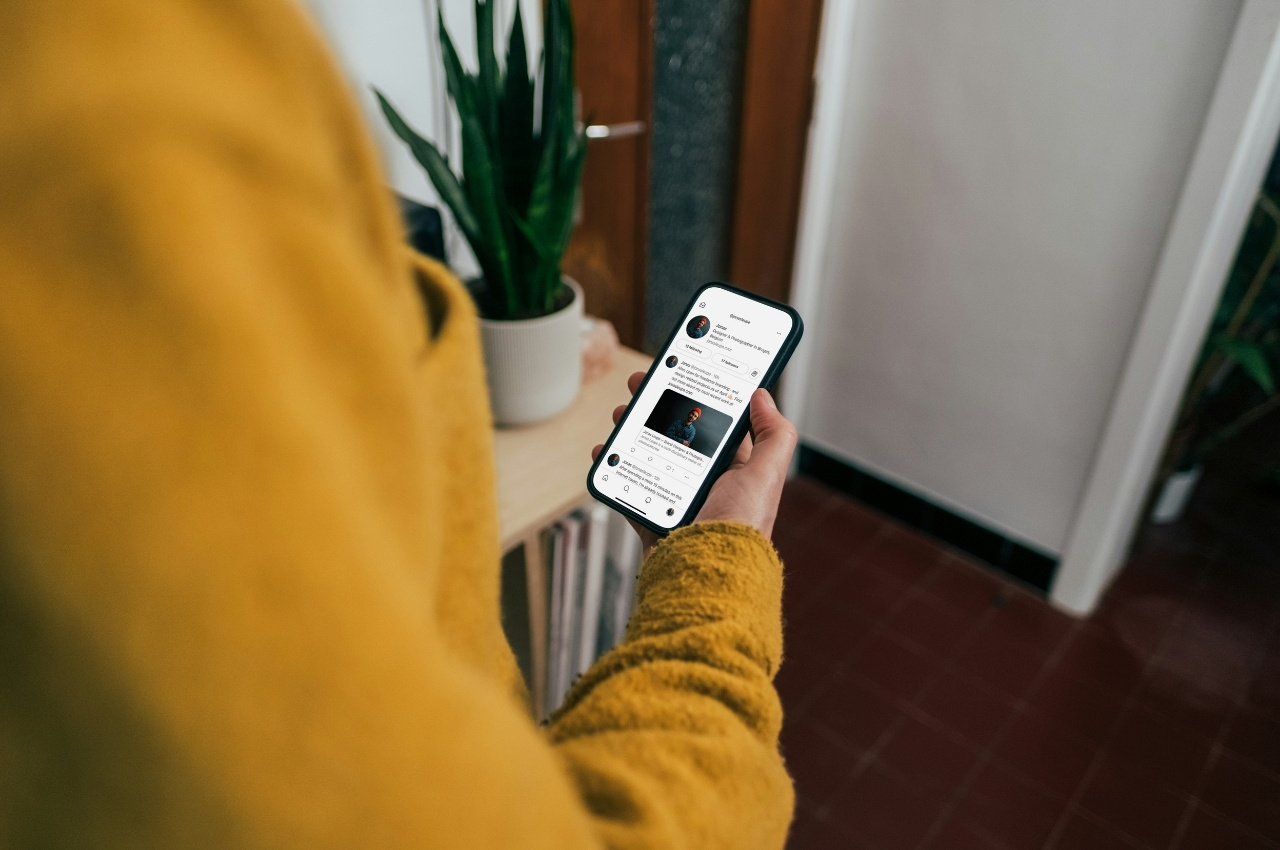
Customizing notifications helps reduce constant interruptions, which research from Carnegie Mellon University shows can significantly impact productivity and stress levels. Instead of receiving every alert, individuals can silence non-essential apps and prioritize only urgent contacts. This creates a calmer digital environment and lowers the compulsion to check devices frequently. Muting notifications during certain times of the day, like meals or focused work periods, enhances concentration. Over time, these changes reduce stress linked to digital interruptions and allow more intentional engagement with both work and leisure activities.
4. Screen Time Monitoring Apps
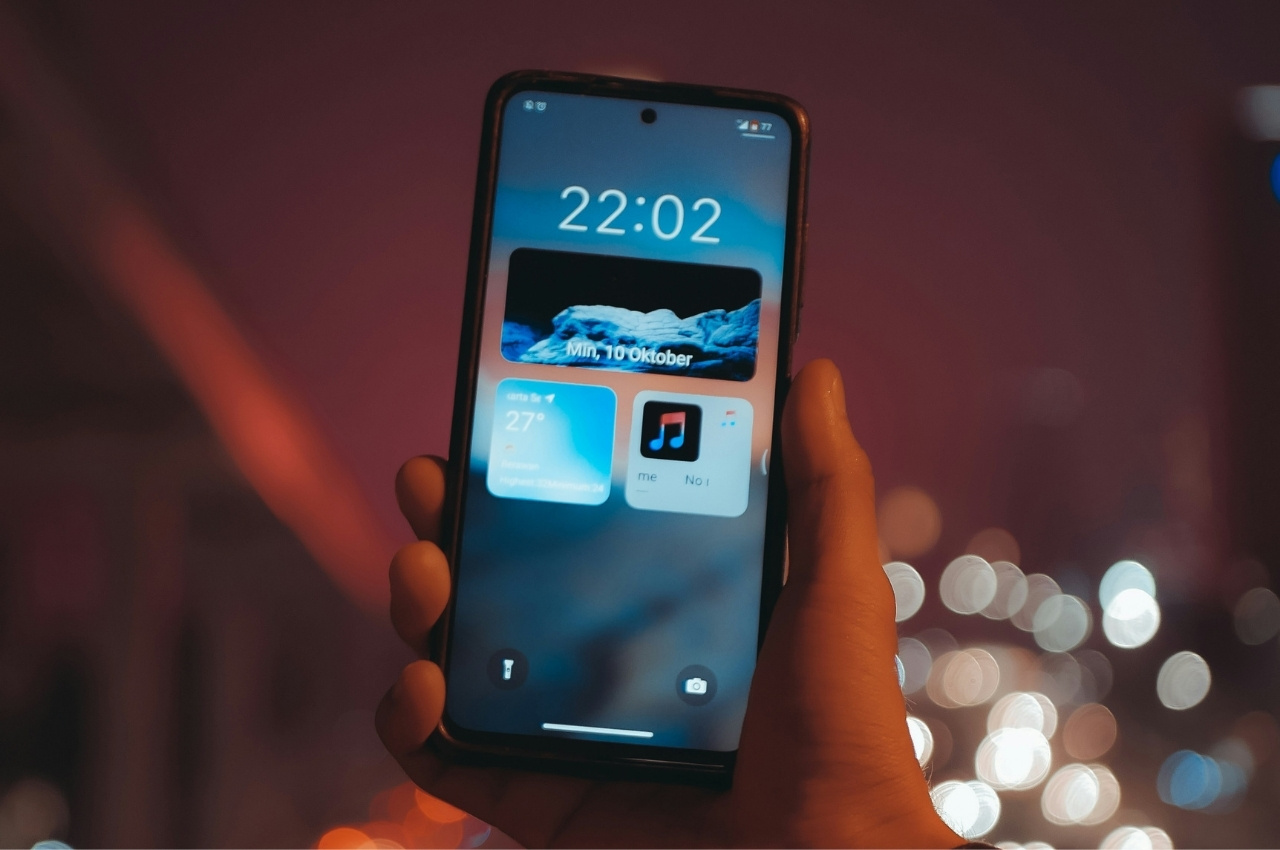
Tracking usage with apps like Digital Wellbeing or Apple’s Screen Time provides valuable insight into personal habits. A study from the University of Pennsylvania found that reducing social media use to 30 minutes a day decreased feelings of loneliness and depression. Monitoring apps empower users to set daily limits, receive reminders, and reflect on their digital consumption. By making screen use more intentional, individuals can balance entertainment with real-life connections. Over time, this approach helps break patterns of overuse and encourages healthier engagement with technology.
5. Scheduled Email Checks
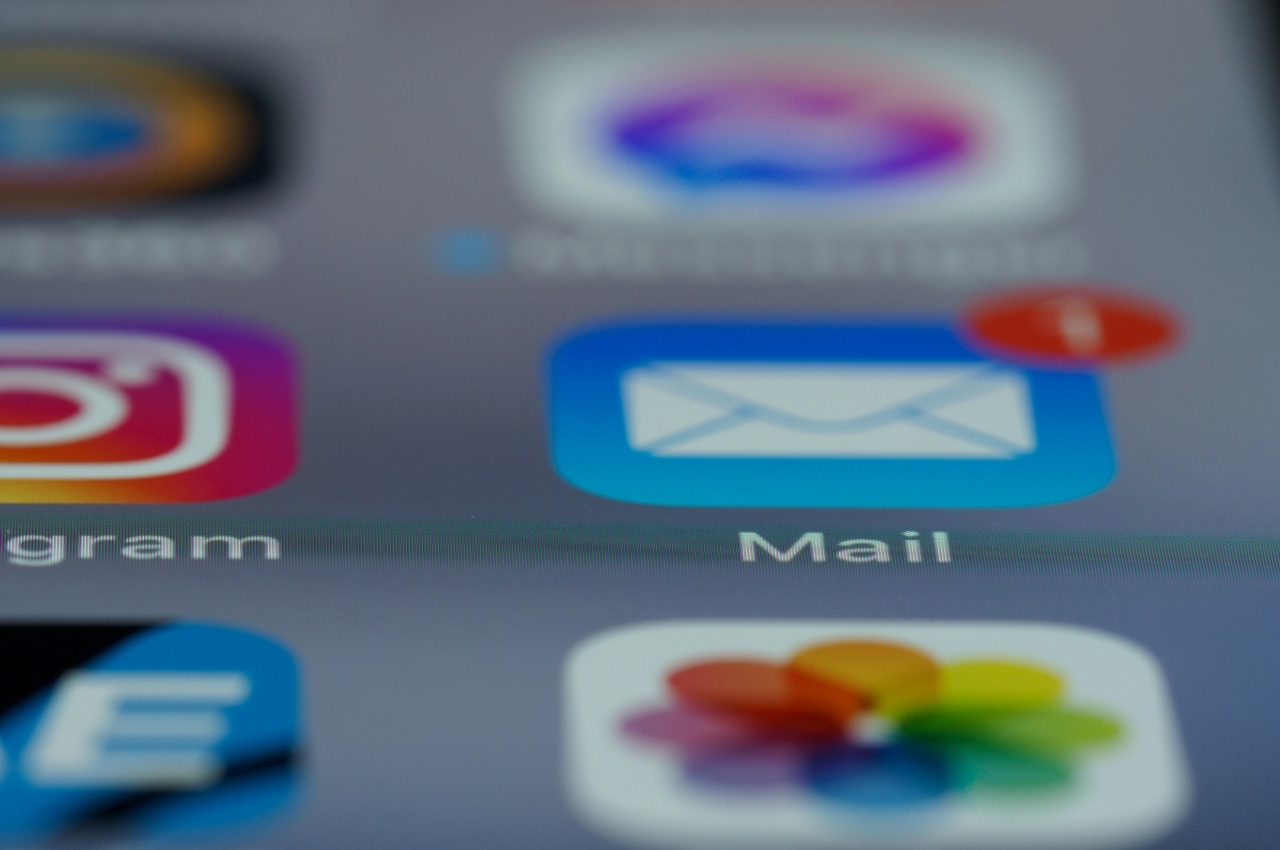
Constantly refreshing email increases digital fatigue and disrupts focus. Research by the University of British Columbia found that checking email only three times a day reduced stress significantly compared to unlimited access. Establishing designated times to manage emails, such as morning, afternoon, and evening, allows for better task management. This structured approach also minimizes interruptions during deep work or personal time. By adopting scheduled email checks, people can regain control of their digital routines and reduce anxiety linked to an always-available culture.
6. Use of E-Ink Devices
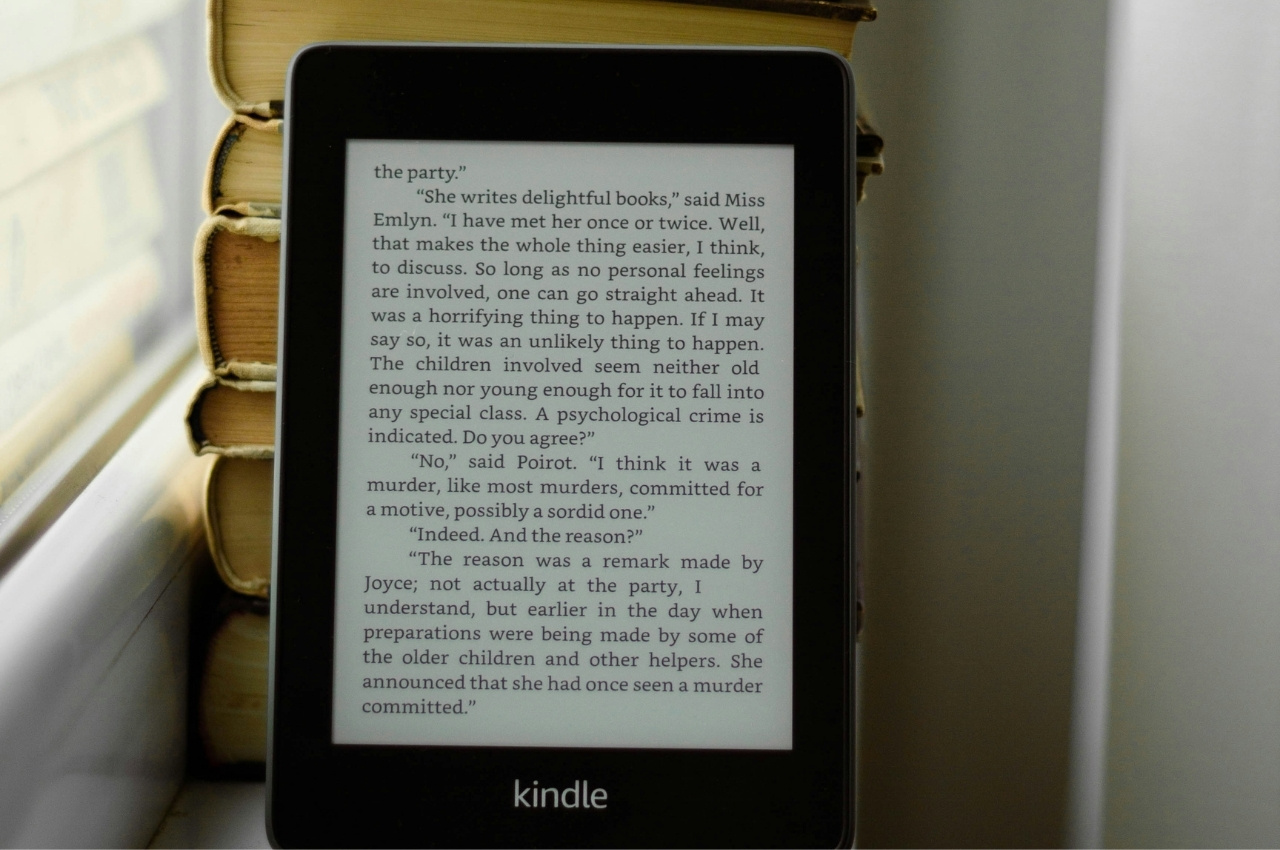
Switching to e-ink devices, like Kindle readers, for reading reduces eye strain compared to traditional tablets or phones. According to research published in Displays Journal, e-ink screens mimic the look of paper, lowering visual fatigue during extended use. Unlike backlit devices, they do not emit harsh blue light, making them suitable for nighttime reading. Incorporating e-ink readers into daily habits provides a healthier alternative for book lovers and professionals who read extensively. This change supports relaxation while cutting unnecessary exposure to bright digital screens.
7. Digital Curfews

A digital curfew, such as not using screens an hour before bed, promotes greater relaxation and sleep. The National Sleep Foundation reports that limiting screen exposure before bedtime leads to faster sleep onset and improved sleep quality. Instead of scrolling, individuals can engage in calming activities like journaling, stretching, or listening to music. By setting this boundary, people create a healthy routine that signals the brain it is time to wind down. Over time, this habit improves overall sleep hygiene and reduces digital fatigue.
8. Single-Task Mode
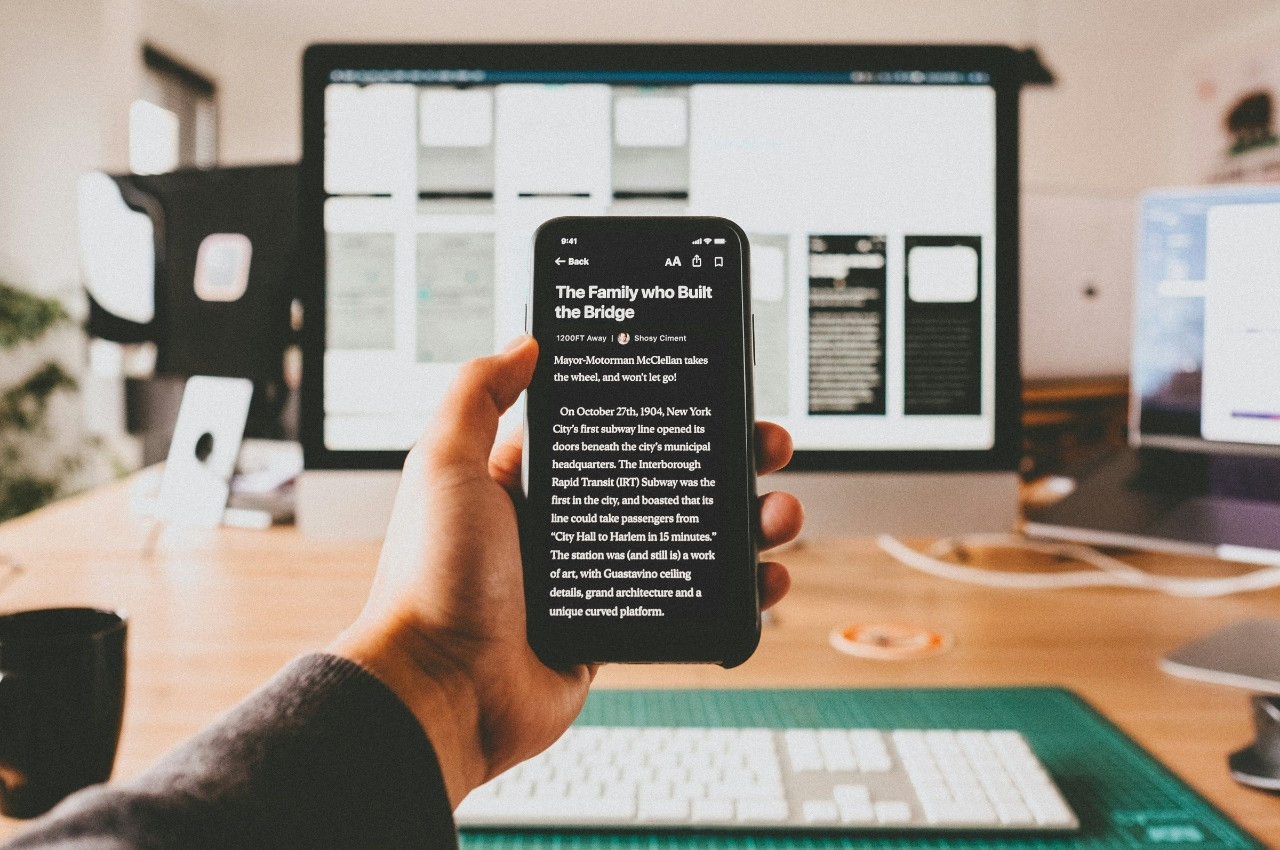
Adopting a single-tasking approach by using focus features on devices minimizes screen switching and mental overload. Research by Stanford University found that multitasking reduces efficiency and increases cognitive strain. Features like Focus Mode on Android or Do Not Disturb settings help users stay engaged with one task at a time. This method lowers stress while increasing productivity, creating a calmer digital environment. Practicing single-tasking not only reduces screen overwhelm but also enhances the quality of work and personal interactions throughout the day.
9. Screen-Free Morning Routines

Starting the day without screens helps set a positive tone and lowers mental fatigue. A study published in Environment and Behavior showed that screen-free mornings improved focus and overall daily productivity. Instead of checking emails or social media immediately, individuals can practice mindful activities like exercise, journaling, or preparing a healthy breakfast. This intentional routine reduces stress associated with information overload. Over time, avoiding screens in the mornings promotes better control over one’s own time and increases resilience against digital fatigue.
10. Voice Assistants for Tasks
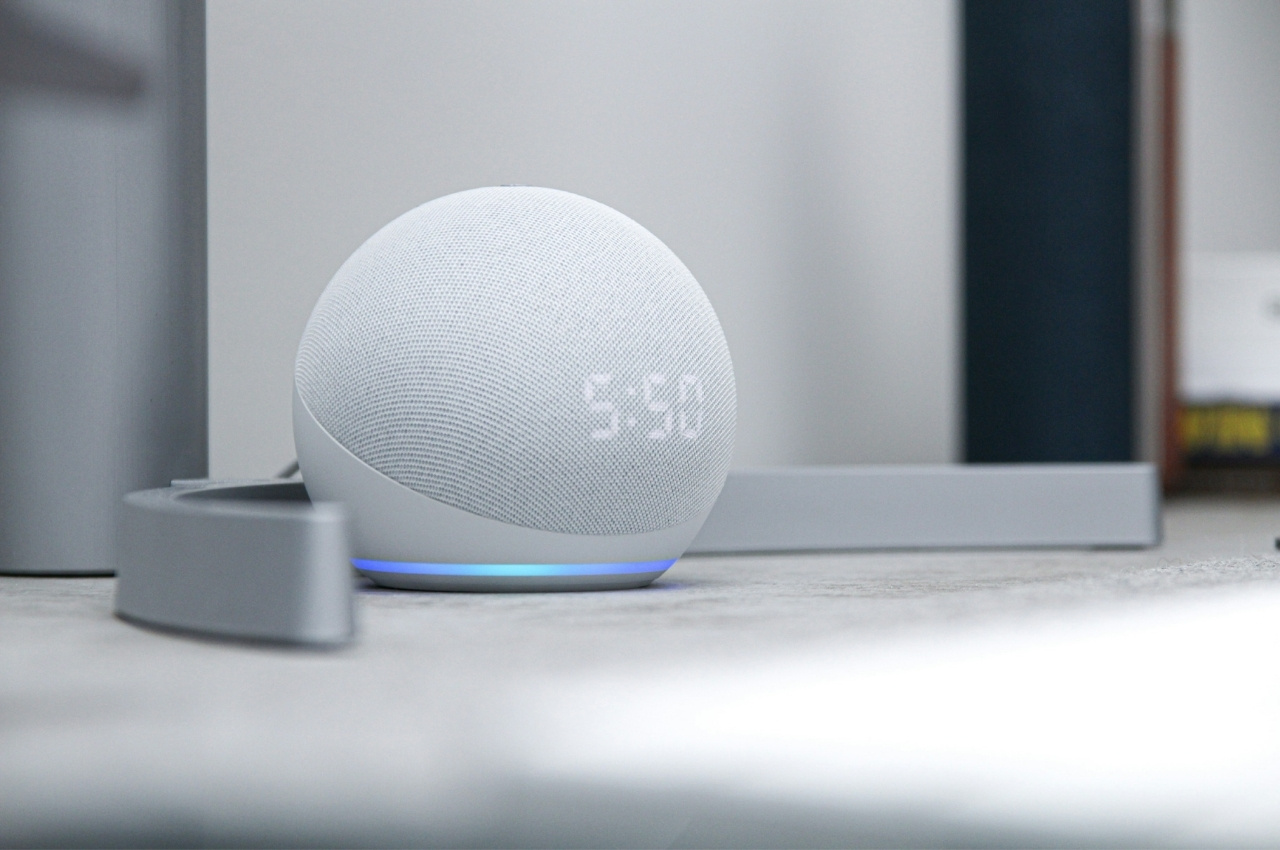
Using smart speakers or voice assistants to handle simple tasks like setting reminders or checking the weather can cut down unnecessary screen time. Research from the Pew Research Center found that nearly half of smart speaker users reported reduced reliance on phones for basic tasks. By relying on voice commands instead of screens, individuals reduce the constant temptation to scroll. This creates a healthier balance while still maintaining digital convenience. Integrating this tweak supports efficiency without contributing to digital fatigue at home.
11. Focused Digital Detox Days

Designating specific days for digital detox, where screen use is minimized, creates opportunities for meaningful offline activities. Studies from the International Journal of Environmental Research and Public Health suggest that digital detox periods improve mood, reduce stress, and boost overall life satisfaction. Whether it is one evening a week or a full day monthly, intentional breaks encourage better social interactions and outdoor activities. This practice helps reset digital habits, allowing individuals to return to screen use with greater mindfulness and control.
12. Screen-Friendly Ergonomics
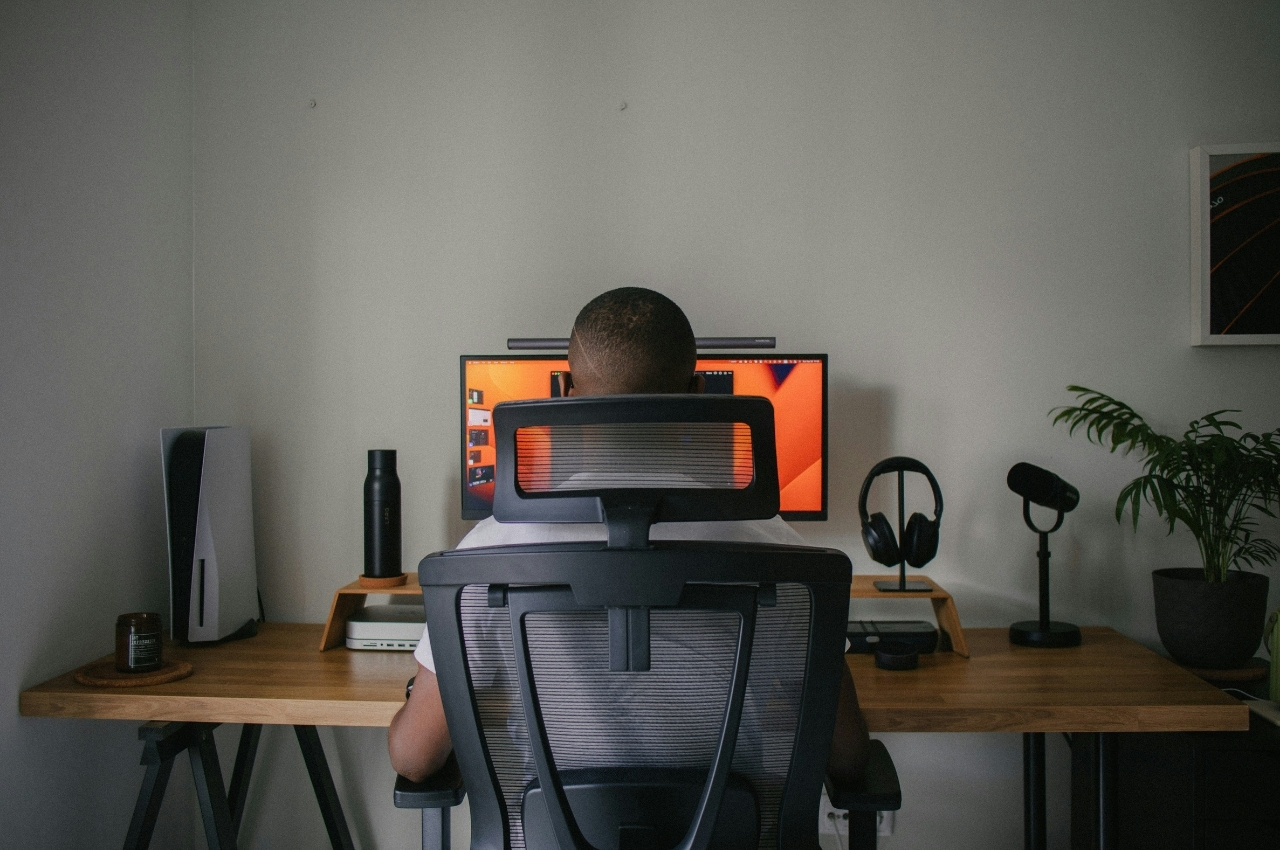
Setting up ergonomic workstations with proper screen height, distance, and lighting reduces strain on eyes and body. The American Optometric Association emphasizes the importance of the 20-20-20 rule, where users look at something 20 feet away for 20 seconds every 20 minutes. Proper posture and adjusted lighting minimize eye strain and musculoskeletal discomfort caused by prolonged device use. Investing in ergonomic furniture and following these guidelines helps balance digital work demands while lowering physical stress linked to extended screen exposure at home.
13. Cloud-Based Shared Calendars
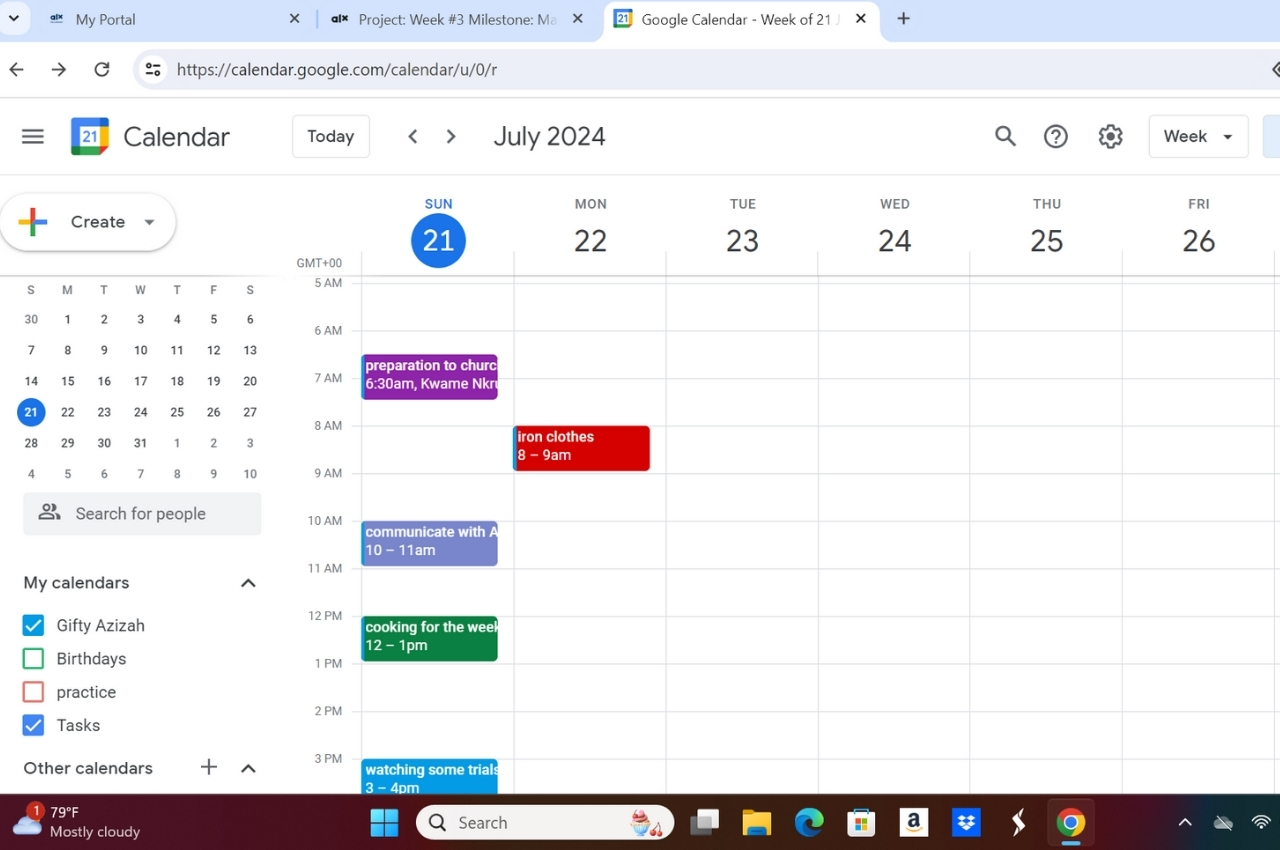
Family members can reduce digital clutter by using a shared cloud-based calendar to coordinate schedules. According to Harvard Business Review, well-managed shared calendars improve communication, reduce misunderstandings, and minimize unnecessary reminders. This practice ensures smoother household management, where everyone has access to the same information without multiple device notifications. By centralizing digital planning, families save time and avoid repeated coordination through texts or calls. The result is a less stressful, more efficient approach to managing shared responsibilities and reducing screen-related friction at home.