

Vacations are often seen as the ultimate test for couples. Time away from daily routines brings both joy and challenges, often revealing aspects of a relationship that don’t emerge at home. According to Psychology Today, travel can magnify small issues because couples spend extended periods together without the distractions of daily life. While many conflicts are normal, certain behaviors point to deeper incompatibility. Recognizing these red flags early helps protect both partners’ emotional well-being. Here are ten relationship red flags that often surface during vacations, offering insight into whether the relationship is built on healthy foundations.
1. Constant Arguing Over Small Things

Disagreements are normal, but frequent arguments about trivial matters can signal unresolved tension. On vacation, these conflicts might arise over directions, meal choices, or spending habits. The American Psychological Association notes that persistent bickering often reflects deeper communication problems rather than situational stress. If minor disagreements escalate quickly, it may indicate poor conflict-resolution skills within the relationship. While occasional arguments can be healthy, constant friction disrupts the enjoyment of travel and creates unnecessary emotional strain. Vacations should foster connection and relaxation, not expose unhealthy patterns of hostility that may persist beyond the trip.
2. Disrespecting Boundaries

Vacations often highlight how well partners respect each other’s boundaries. Ignoring requests for personal space, pushing someone into unwanted activities, or dismissing feelings can be major warning signs. According to the Cleveland Clinic, respecting boundaries is essential for emotional safety and relationship satisfaction. When one partner consistently disregards the other’s comfort levels, it shows a lack of empathy and consideration. While compromise is important, forcing or minimizing a partner’s needs creates imbalance. Spotting this behavior on vacation reveals how the relationship may function in long-term, everyday scenarios, where boundaries are equally vital.
3. Financial Conflicts

Travel expenses often test financial compatibility between partners. If one person overspends recklessly, refuses to share costs fairly, or criticizes the other’s spending habits, it may be a red flag. The Federal Reserve highlights that financial disagreements are one of the leading causes of relationship stress. On vacation, these issues can escalate quickly since money decisions are constant, from meals to activities. A partner who avoids discussing finances openly or pressures the other financially may not share compatible values. Long-term harmony depends on shared responsibility and respect for each other’s approach to money.
4. Excessive Control Over Plans

Vacations work best when both partners contribute to planning. If one person dictates the itinerary, disregards input, or dismisses suggestions, it shows controlling behavior. The University of California, Berkeley, emphasizes that balanced decision-making fosters healthier relationships. A controlling partner often masks dominance as “being organized,” but the lack of collaboration undermines equality. Over time, this dynamic leaves the other person feeling unheard and undervalued. On vacation, this behavior may appear harmless, but it reflects deeper relationship issues of power imbalance that could worsen outside the travel context. Mutual planning ensures fairness and respect.
5. Refusing To Compromise

Travel demands flexibility, whether it’s adjusting schedules or trying new foods. A partner who refuses to compromise creates unnecessary tension. According to Mayo Clinic experts, compromise is a key skill for conflict resolution and relationship growth. On vacation, refusal might look like rejecting activities the other enjoys or insisting on rigid routines. Such behavior highlights self-centeredness and lack of adaptability, both harmful to long-term compatibility. A healthy partnership thrives on give-and-take, ensuring both individuals feel valued. Spotting an unwillingness to meet halfway during trips can indicate larger challenges in everyday relationship dynamics.
6. Ignoring Partner’s Feelings

If one partner constantly disregards or invalidates the other’s emotions, it’s a major red flag. On vacation, this might show up when dismissing stress over travel delays, mocking fears, or downplaying frustration. The National Institutes of Health identifies emotional validation as critical to intimacy and trust. In addition to not offering assistance, a dismissive partner jeopardizes emotional safety. Over time, this creates resentment and distance. While vacations are a wonderful opportunity to deepen relationships, disregarding emotions betrays a lack of empathy that can affect day-to-day interactions and compromise the stability and fulfillment of a committed partnership.
7. Excessive Jealousy Or Possessiveness

Vacations can amplify insecurities, and a partner who becomes overly jealous or possessive may reveal controlling tendencies. This could involve monitoring interactions with others, questioning loyalty constantly, or becoming upset when attention isn’t focused entirely on them. According to Psychology Today, extreme jealousy often stems from insecurity and can lead to toxic relationship patterns. While reassurance is normal, excessive possessiveness restricts independence and creates emotional strain. Spotting these behaviors during travel highlights potential long-term difficulties. A healthy relationship is built on trust and mutual respect, not constant suspicion or attempts to control a partner’s freedom.
8. Lack Of Support During Stress

Travel often brings unexpected challenges like flight delays, lost luggage, or language barriers. How a partner responds in stressful situations reveals much about their character. If they withdraw, blame you, or refuse to help, it signals a lack of reliability. The American Institute of Stress notes that supportive relationships buffer against stress and improve resilience. A partner who cannot provide emotional or practical support during difficulties may not be dependable in more serious life situations. Vacations should show teamwork, and a lack of support is a serious red flag for long-term compatibility.
9. Overindulgence In Alcohol Or Risky Behavior
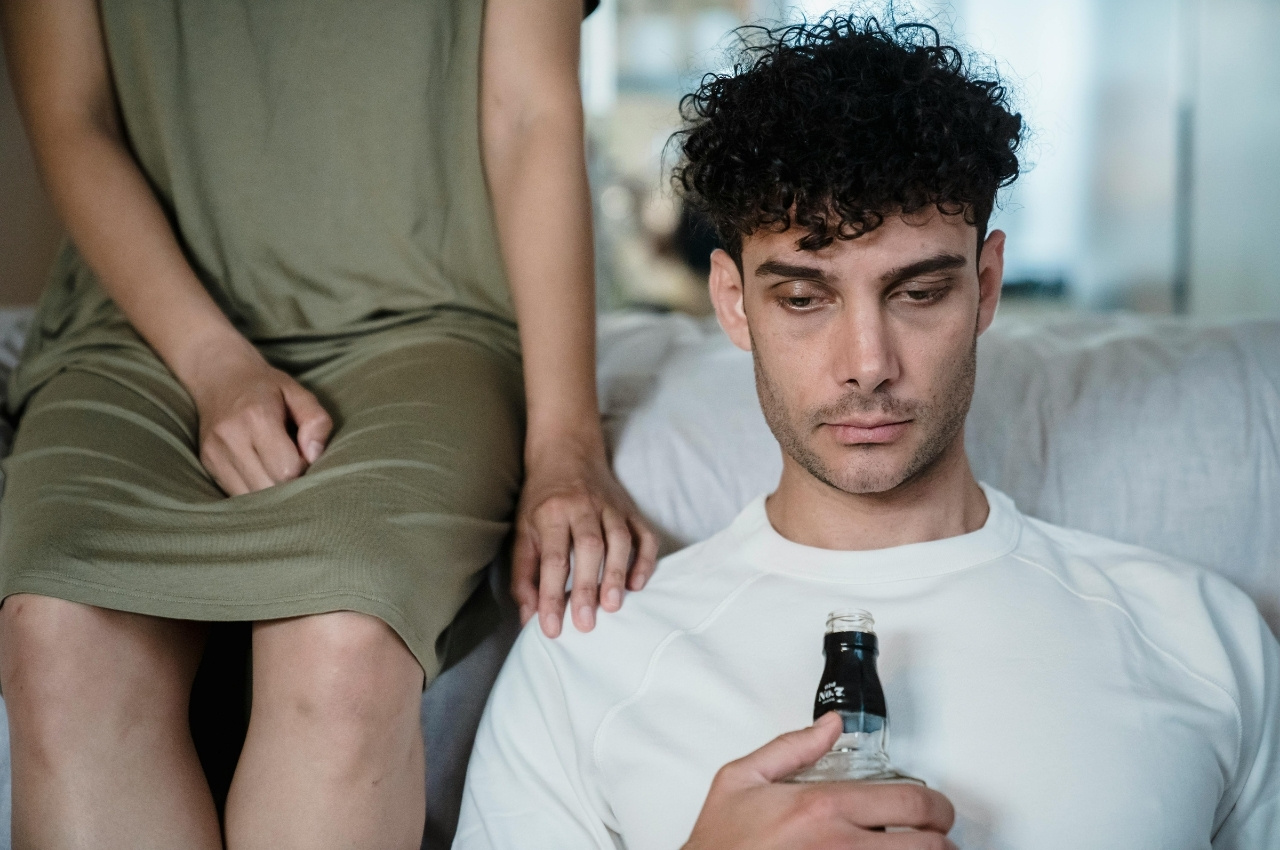
While vacations encourage fun, overindulgence in alcohol, gambling, or other risky activities can be problematic. If a partner’s behavior consistently disrupts plans or causes embarrassment, it may reveal deeper issues. According to the Centers for Disease Control and Prevention, excessive drinking can harm judgment, health, and relationships. A partner who repeatedly prioritizes risky fun over shared enjoyment may not have balanced priorities. This behavior can strain trust and create instability. Spotting it early helps determine whether the relationship supports long-term security or if harmful habits will continue beyond the vacation setting.
10. Disinterest In Your Happiness

Perhaps the clearest red flag is when your partner shows little concern for your happiness. On vacation, this might involve ignoring what excites you, showing no interest in your joy, or disregarding your comfort. The University of Michigan highlights that mutual care and attention are foundations of strong relationships. A partner who is indifferent to your well-being signals emotional detachment. Over time, this neglect can lead to loneliness, dissatisfaction, and eventual breakdown. Vacations should be shared experiences that bring joy to both, not reveal indifference toward one another’s happiness and fulfillment.