
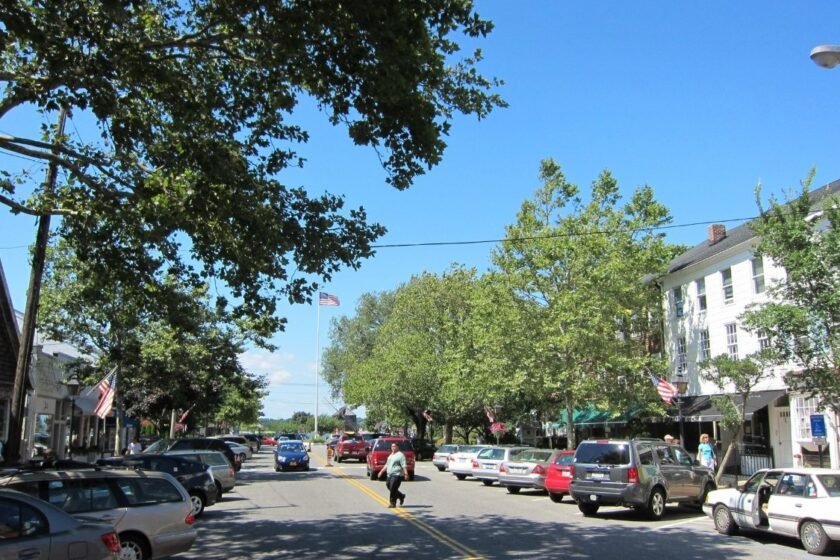
During segregation, Black Americans were excluded from many mainstream resorts and leisure destinations, leading to the creation of their own thriving vacation spots. These resorts and towns became safe havens where families could relax, celebrate culture, and build community. According to the National Park Service, such places were vital for fostering joy and resilience in the face of systemic exclusion. They offered beaches, entertainment, and social spaces that catered specifically to Black travelers. Here are seven historically Black resorts and vacation towns that flourished during segregation and left a lasting cultural legacy.
1. Highland Beach, Maryland
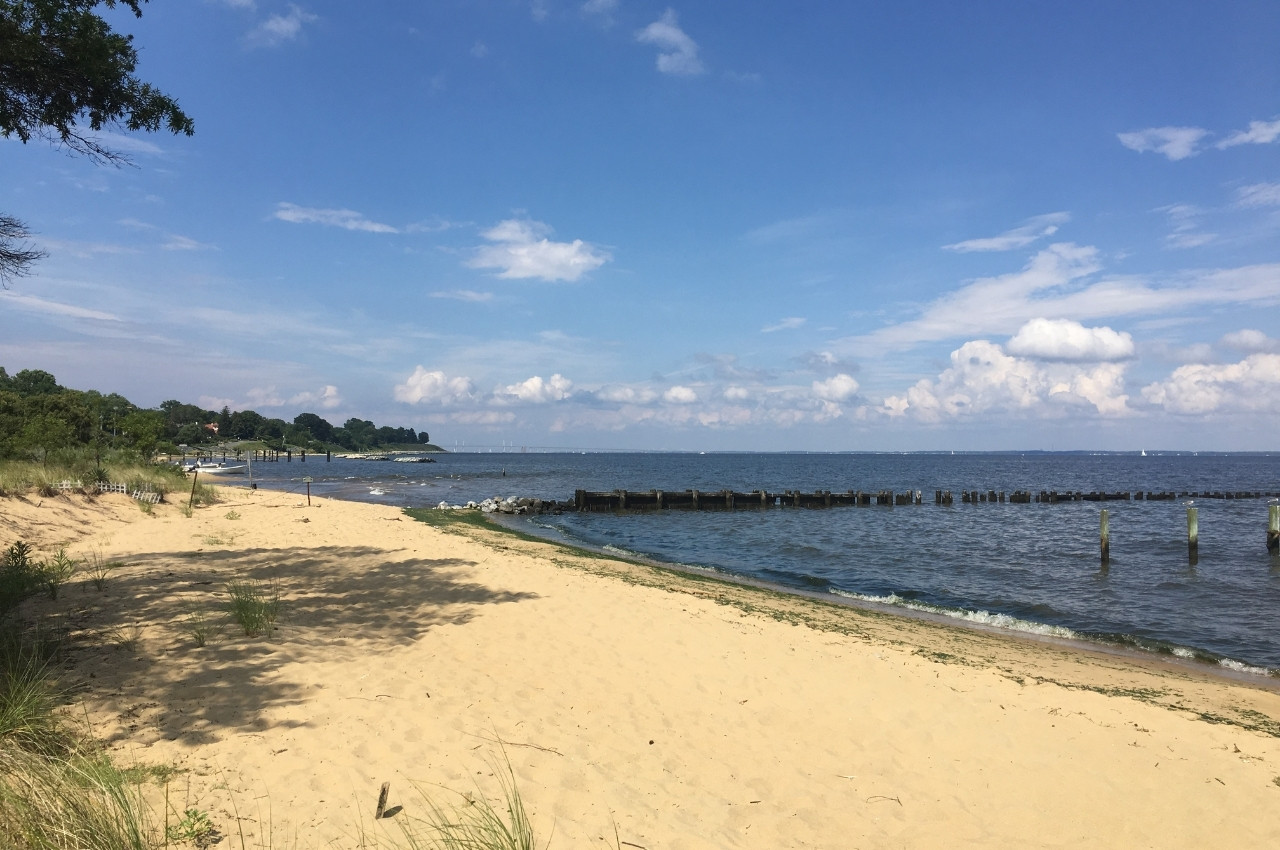
Founded in 1893 by Charles Douglass, son of abolitionist Frederick Douglass, Highland Beach became one of the earliest Black-owned beach resorts. It was created after Douglass was denied entry to a nearby Whites-only resort. According to the Maryland Historical Trust, the community thrived as a summer retreat for Black elites, hosting educators, artists, and political leaders. Highland Beach became a symbol of pride and independence, offering families safe leisure along the Chesapeake Bay. Today, it remains one of the oldest African American-owned municipalities, preserving its historic role as a landmark of resilience and cultural heritage.
2. American Beach, Florida
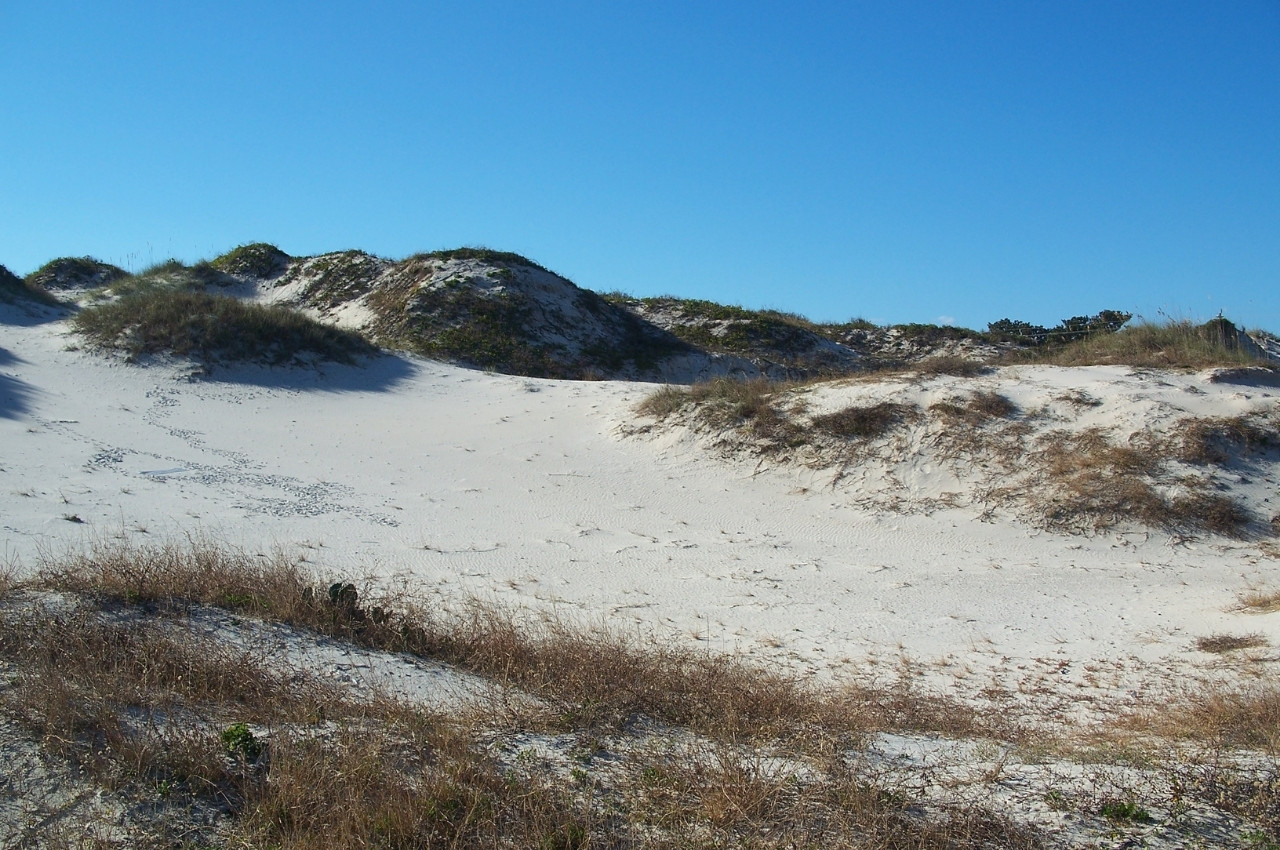
American Beach was established in 1935 by Abraham Lincoln Lewis, Florida’s first Black millionaire and president of the Afro-American Life Insurance Company. It quickly became a popular destination for Black vacationers during segregation. According to the National Park Service, the beach was advertised as a place for “recreation and relaxation without humiliation.” It drew families, musicians, and civil rights leaders, creating a vibrant cultural scene. Though development pressures threatened its existence, preservation efforts have kept its history alive. American Beach continues to represent a vital piece of African American leisure and cultural identity in the South.
3. Idlewild, Michigan
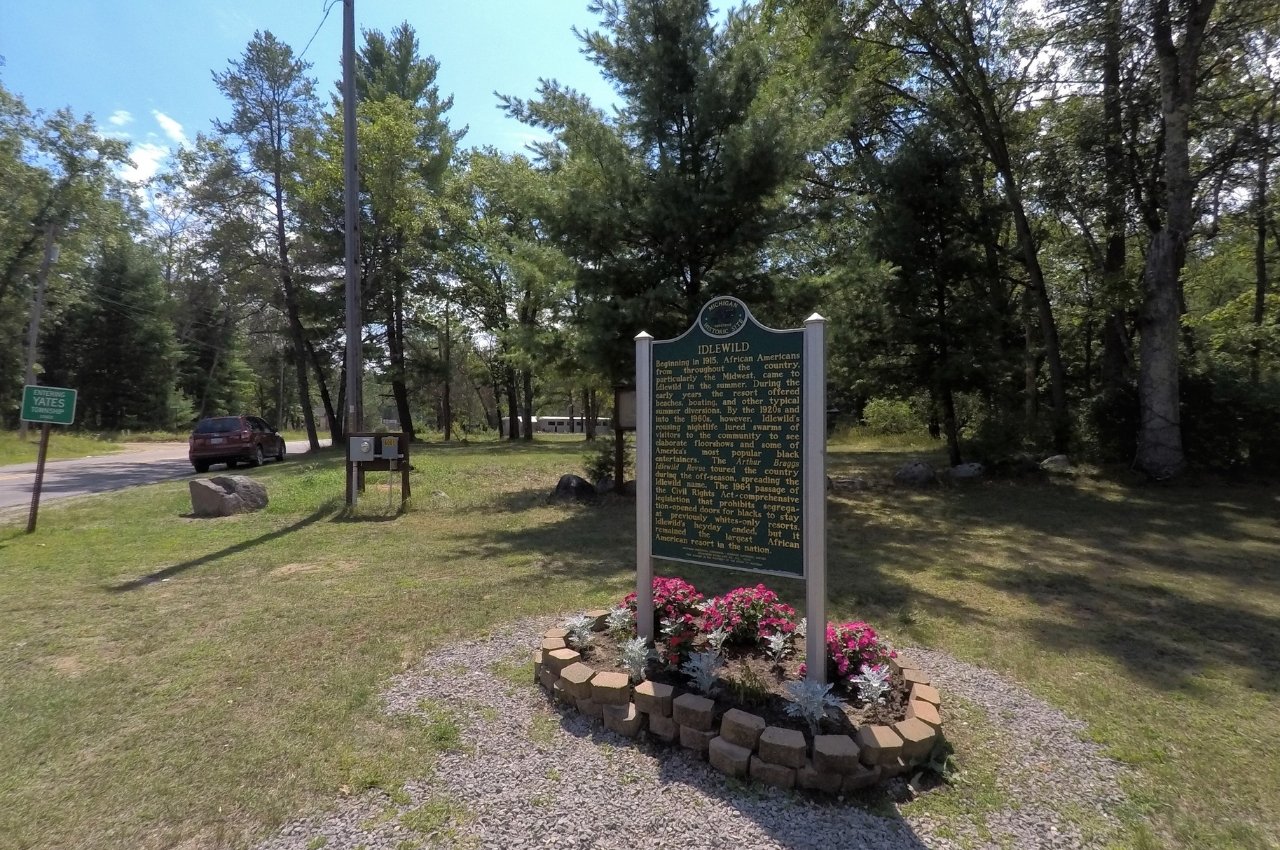
Known as the “Black Eden,” Idlewild emerged in the early 20th century as a flourishing resort for African Americans barred from White-only vacation towns. According to the Library of Congress, Idlewild hosted nightclubs, hotels, and summer homes, attracting figures like Aretha Franklin and Duke Ellington. It became a cultural hotspot for music, art, and social gatherings. Despite a decline after desegregation, Idlewild’s legacy endures, with preservation efforts and festivals celebrating its rich history. The town remains a testament to how African American communities created spaces of joy and cultural expression despite widespread exclusion and segregation.
4. Oak Bluffs, Massachusetts
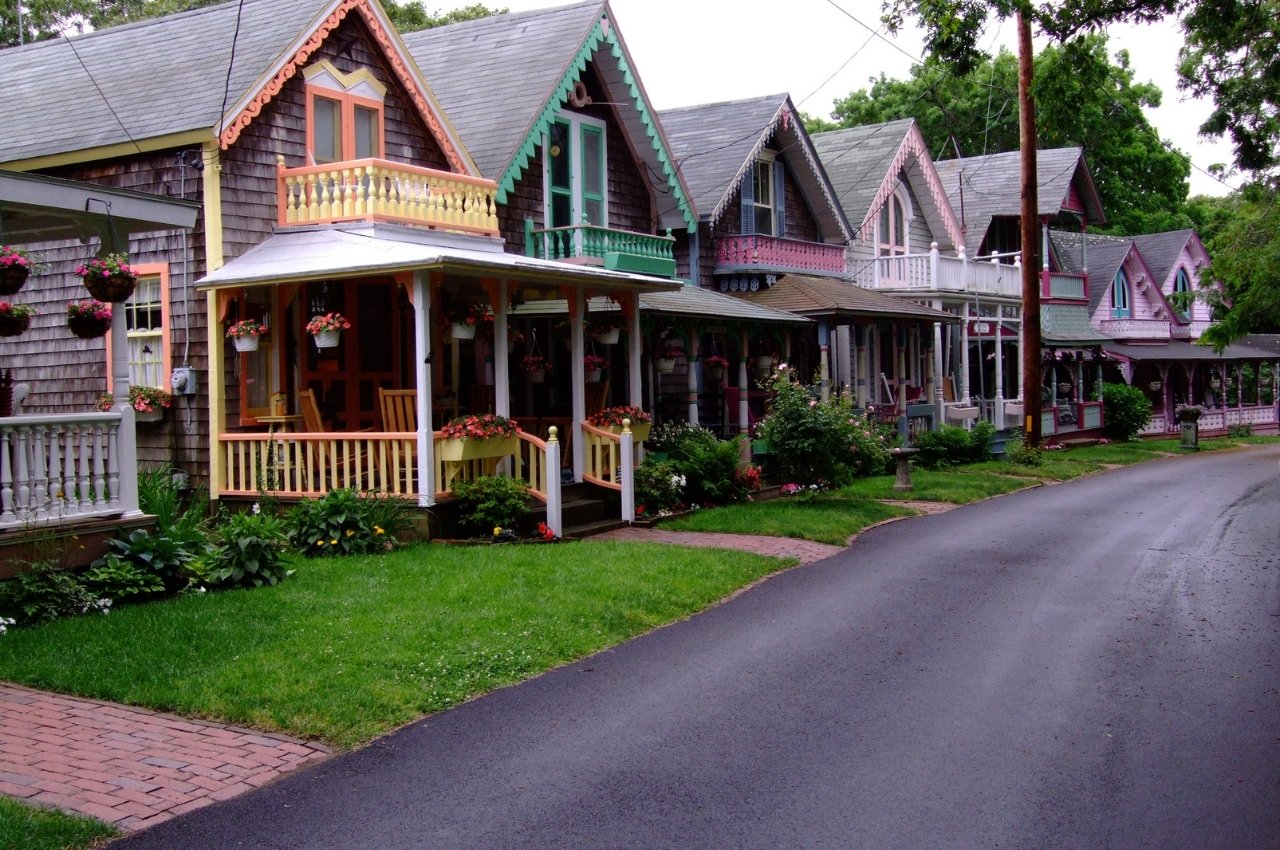
Oak Bluffs, on Martha’s Vineyard, became a beloved retreat for African American families during the 20th century. According to the Smithsonian’s National Museum of African American History and Culture, it developed into a summer haven for Black professionals and middle-class families. Beaches, cottages, and community events fostered a welcoming atmosphere that contrasted sharply with exclusion elsewhere. The town became associated with prominent Black leaders, artists, and intellectuals who built summer traditions there. Today, Oak Bluffs continues to thrive as a symbol of Black leisure and cultural identity, reflecting its long-standing role in American vacation history.
5. Sag Harbor, New York
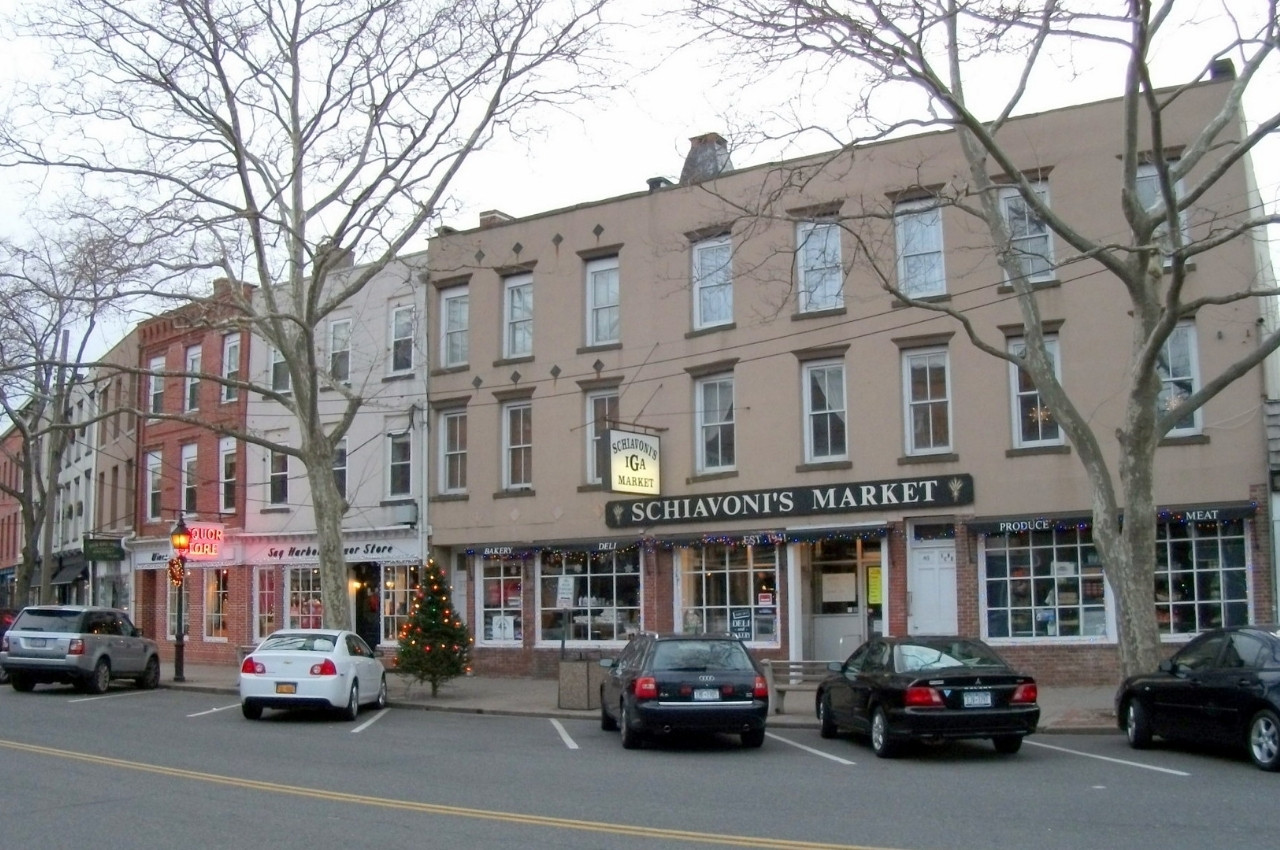
Sag Harbor, located on Long Island, became a popular vacation spot for African Americans during segregation, with sections like Azurest, Ninevah, and Sag Harbor Hills specifically developed for Black families. According to the New York State Historic Preservation Office, these areas were among the few beachfront communities open to Black homeowners. The neighborhood cultivated a strong sense of community, hosting barbecues, beach outings, and social gatherings. Over time, it attracted notable figures from the arts and business. Sag Harbor remains an important reminder of how Black families carved out safe and joyful leisure spaces during exclusionary times.
6. Bruce’s Beach, California
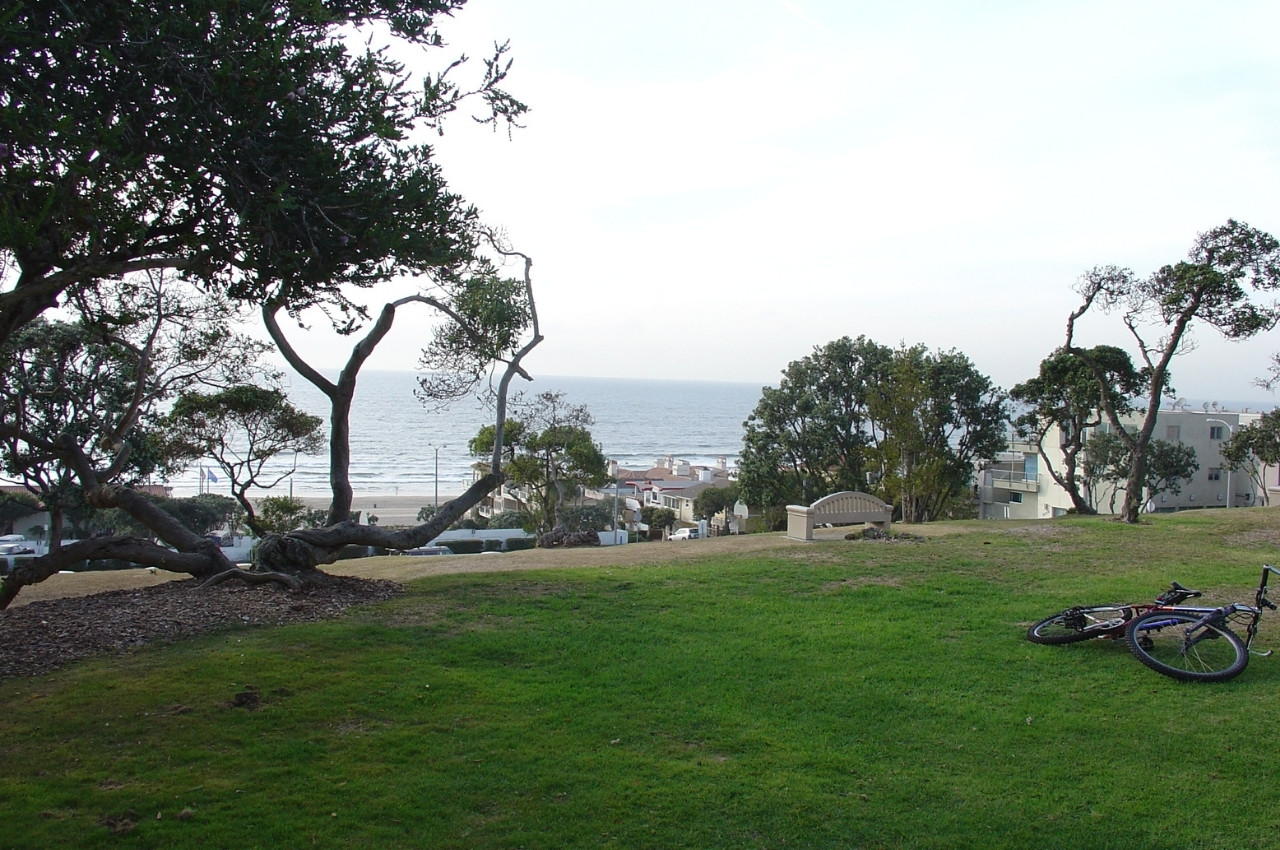
Bruce’s Beach, located in Manhattan Beach, California, was founded in 1912 by Willa and Charles Bruce as a rare seaside resort for Black families. According to the California state archives, it became a vibrant gathering spot, offering lodging, dining, and beach access at a time when segregation restricted opportunities. However, the land was seized by the city in the 1920s under discriminatory pretenses. The story of Bruce’s Beach has recently resurfaced, with restitution efforts acknowledging its historical importance. It stands today as both a symbol of injustice and a reminder of the resilience of Black entrepreneurship and leisure.
7. Atlantic Beach, South Carolina
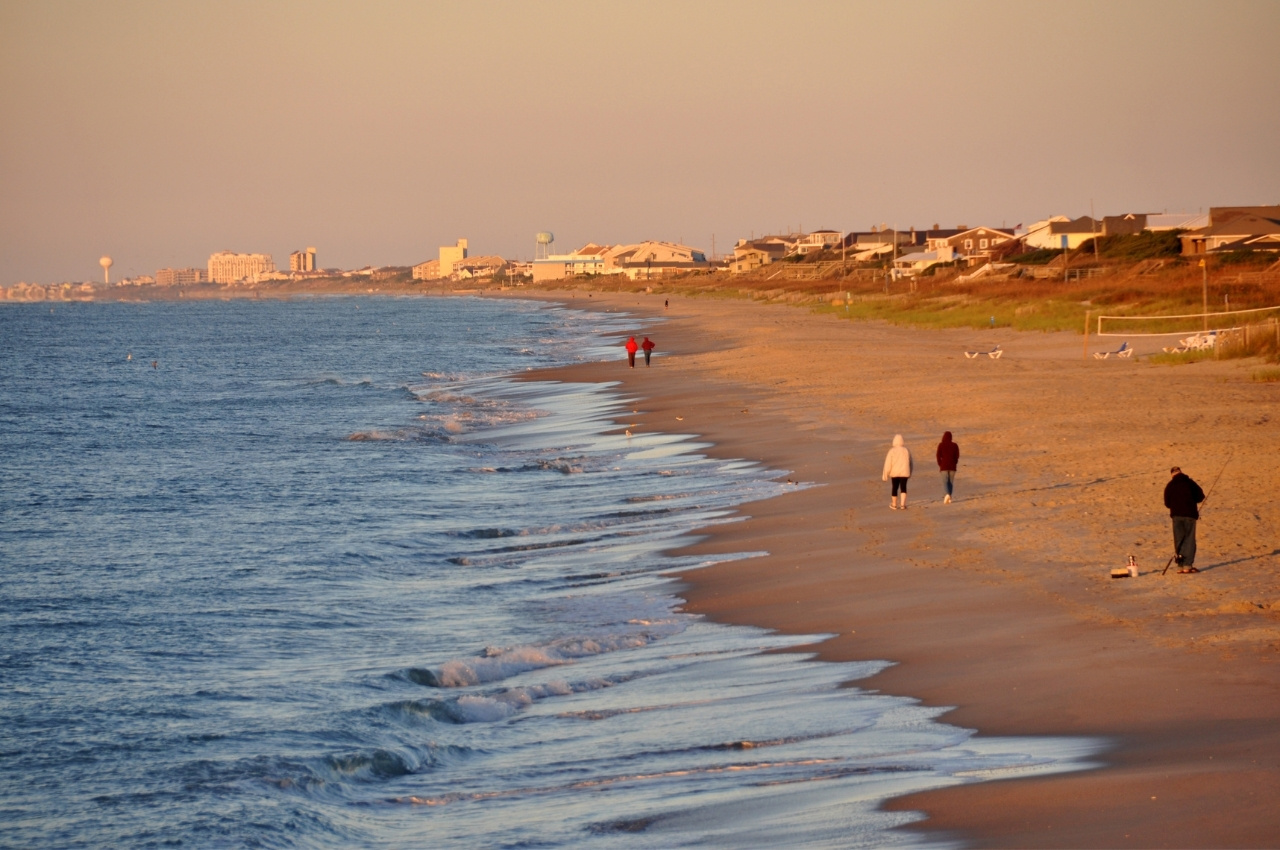
Atlantic Beach, sometimes referred to as the “Black Pearl,” emerged in the 1930s as a refuge for African Americans denied access to neighboring segregated beaches. According to the South Carolina African American Heritage Commission, the beach became a hotspot for music, festivals, and family gatherings. It was one of the few places where Black travelers could enjoy oceanfront leisure without discrimination. Nightlife and cultural events flourished, making it a beloved vacation destination throughout the mid-20th century. Today, Atlantic Beach preserves its historical significance with annual festivals, continuing its legacy as a vibrant cultural landmark of Black leisure history.