

Ghost towns are more than abandoned relics; they are living museums that preserve stories of boom, bust, and resilience. Many once thrived with industries like mining, railroads, or agriculture before decline left them deserted. According to the National Park Service and various state heritage boards, several of these towns have been carefully preserved, allowing visitors to walk through history. Their buildings, artifacts, and landscapes offer unique windows into past communities. Here are eleven ghost towns across the world that have been restored or protected as living museums for future generations.
1. Bodie, California
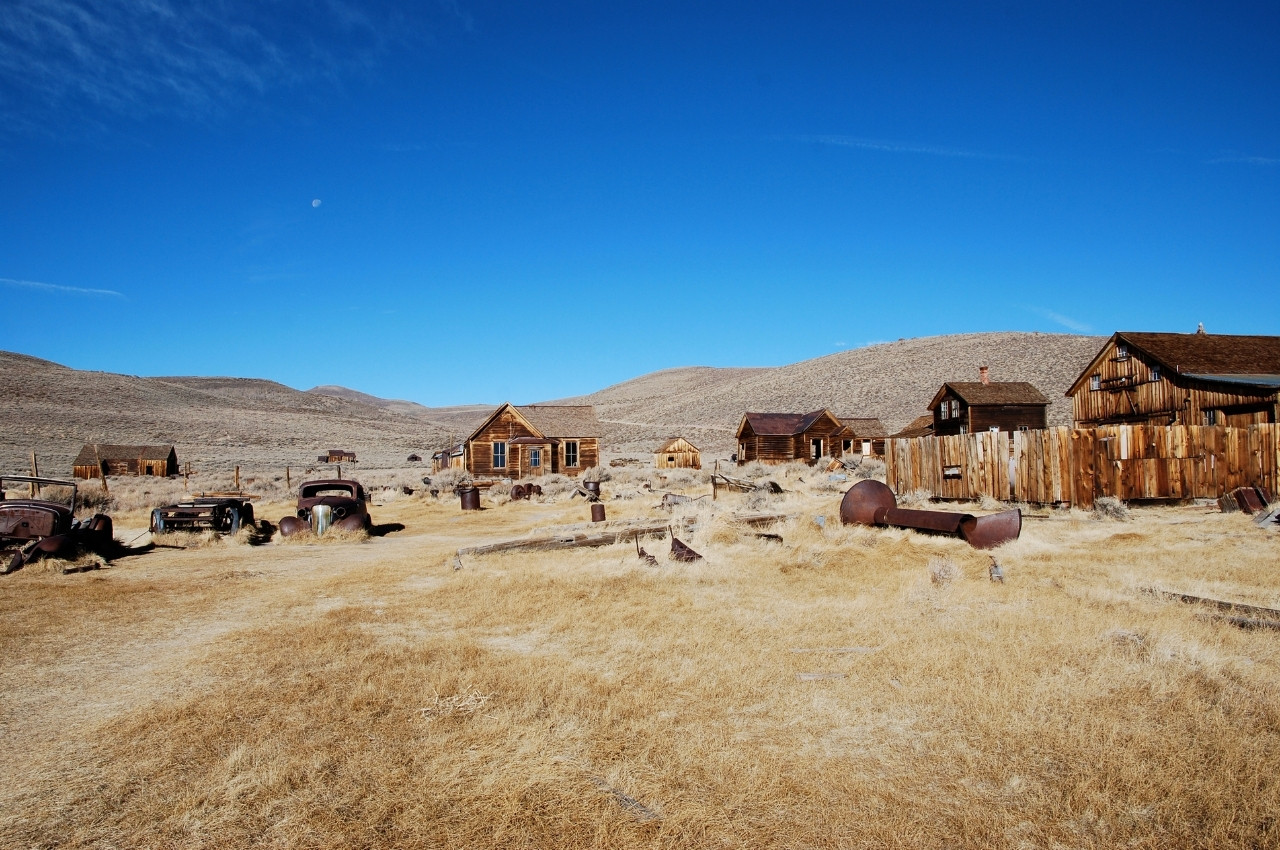
Bodie is one of the best-preserved ghost towns in the United States, with nearly 200 buildings frozen in time. Once a booming gold-mining town in the late 1800s, Bodie declined quickly after resources were depleted. According to California State Parks, it is preserved in a state of “arrested decay,” meaning structures are stabilized but not restored. Visitors can walk among homes, saloons, and a schoolhouse that reflect life during the Gold Rush. Today, Bodie serves as a vivid reminder of the fleeting nature of mining booms and the communities that grew around them.
2. Bannack, Montana
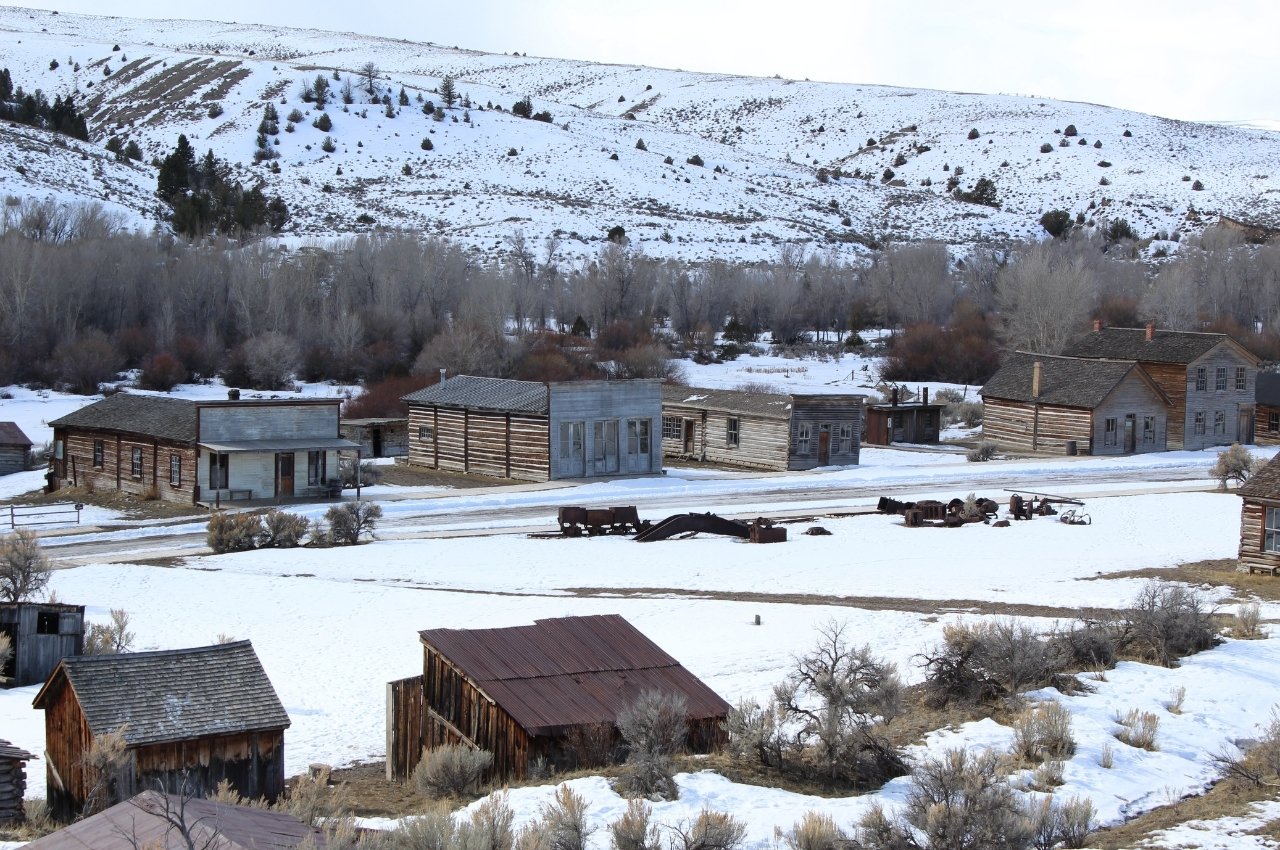
Founded in 1862 during Montana’s first major gold discovery, Bannack quickly became a bustling mining settlement. According to the Montana State Parks Department, the town was once the territorial capital before its decline. More than 60 structures remain, including hotels, a courthouse, and log cabins. Unlike other ghost towns, Bannack has been carefully preserved as a state park, where visitors can explore interiors and attend heritage events. Its authenticity provides a genuine look at 19th-century frontier life. Bannack’s transformation into a living museum highlights the importance of protecting cultural landscapes for education and heritage tourism.
3. Rhyolite, Nevada
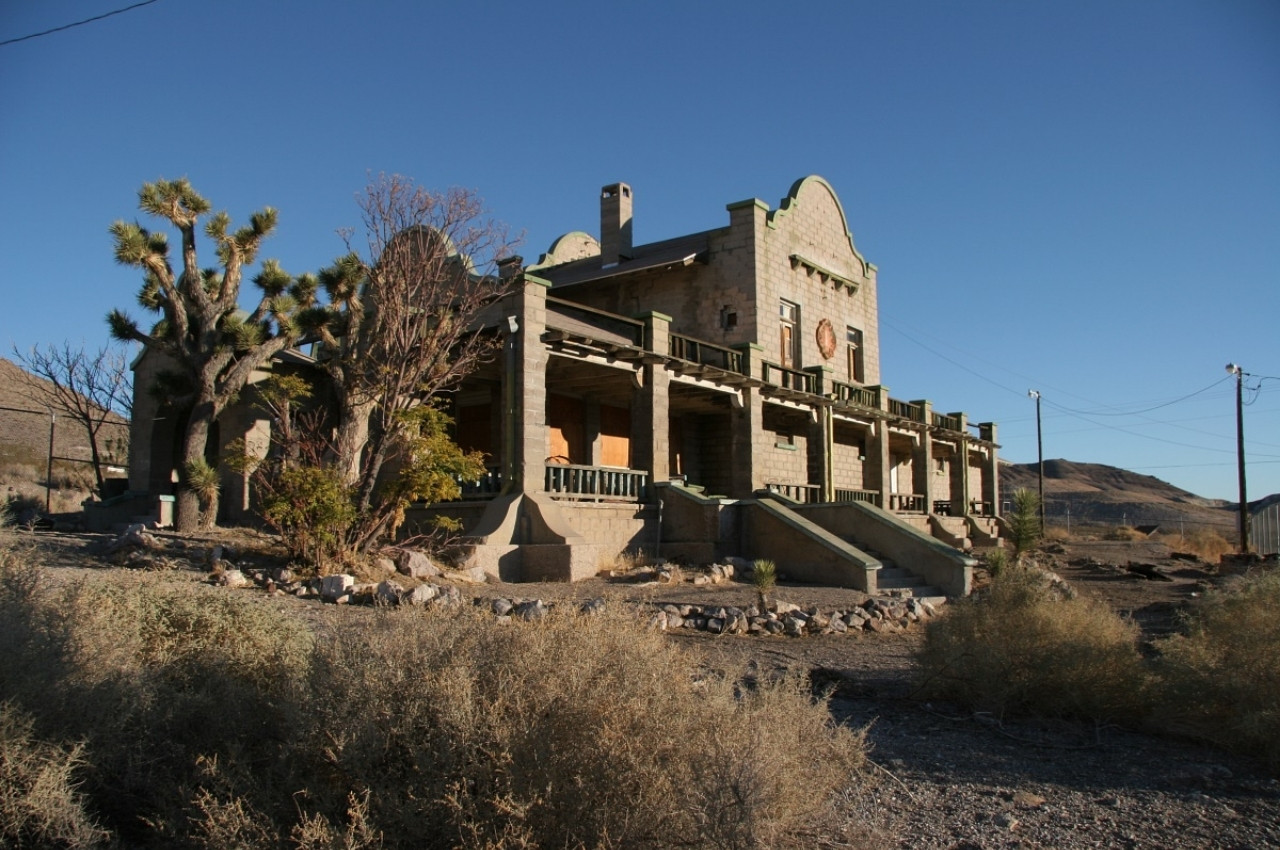
Located near Death Valley, Rhyolite flourished briefly after gold was discovered in 1904. According to the Nevada Historical Society, the town grew rapidly with electric lights, water mains, and even a stock exchange. However, the boom was short-lived, and by 1916 the town was abandoned. Today, Rhyolite is preserved as a heritage site, with iconic ruins like the Bottle House and the remains of the Cook Bank building. Visitors can walk among its remnants and imagine the optimism and rapid decline that defined many mining communities in the American West.
4. Kolmanskop, Namibia
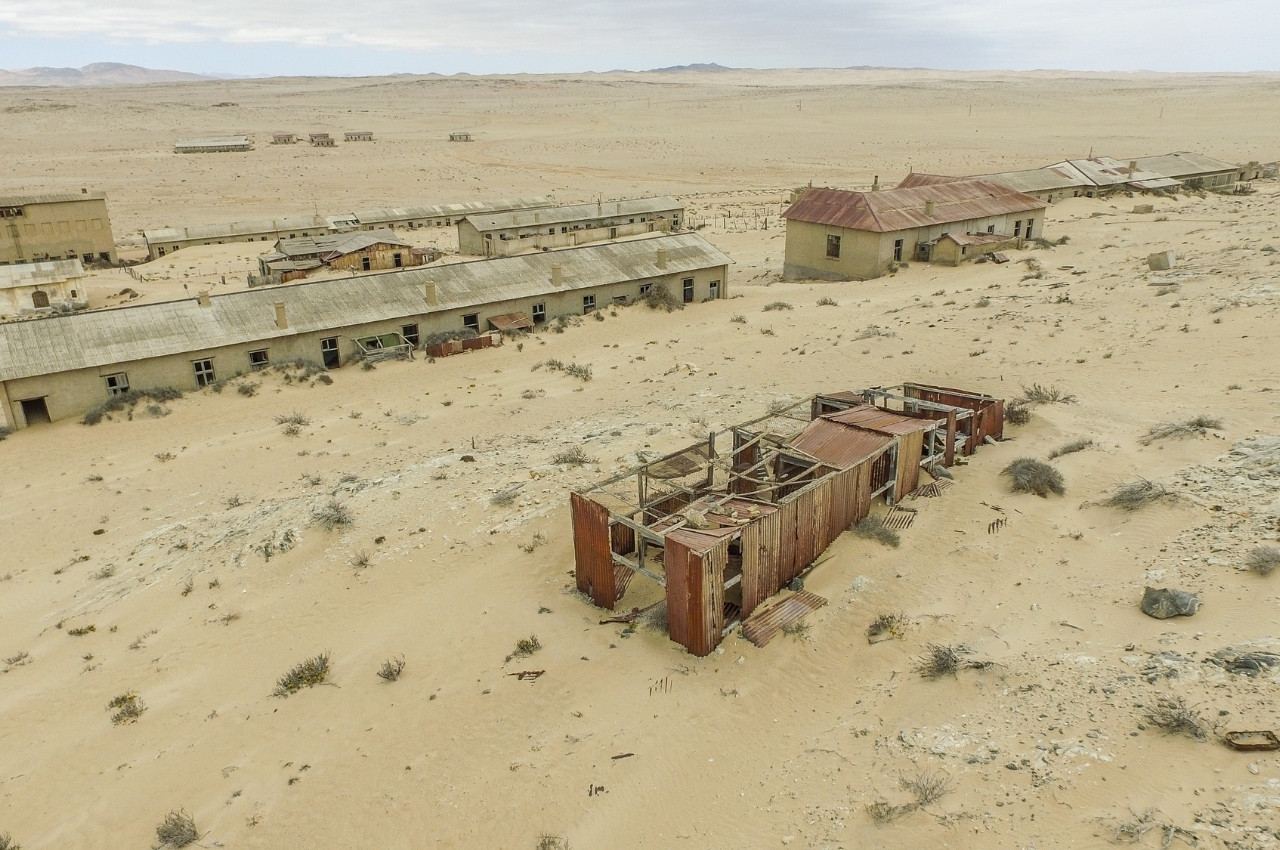
Kolmanskop, once a thriving diamond-mining town in Namibia, was abandoned in the 1950s after richer deposits were found elsewhere. According to the Namibian Tourism Board, the desert sands reclaimed the town, filling its grand homes and buildings with dunes. Today, Kolmanskop is preserved as a museum where visitors can tour restored houses and see exhibits on diamond mining. Its eerie beauty makes it one of the most photographed ghost towns in the world. The site offers a haunting glimpse into the wealth, extravagance, and eventual decline of colonial mining enterprises in southern Africa.
5. Calico, California
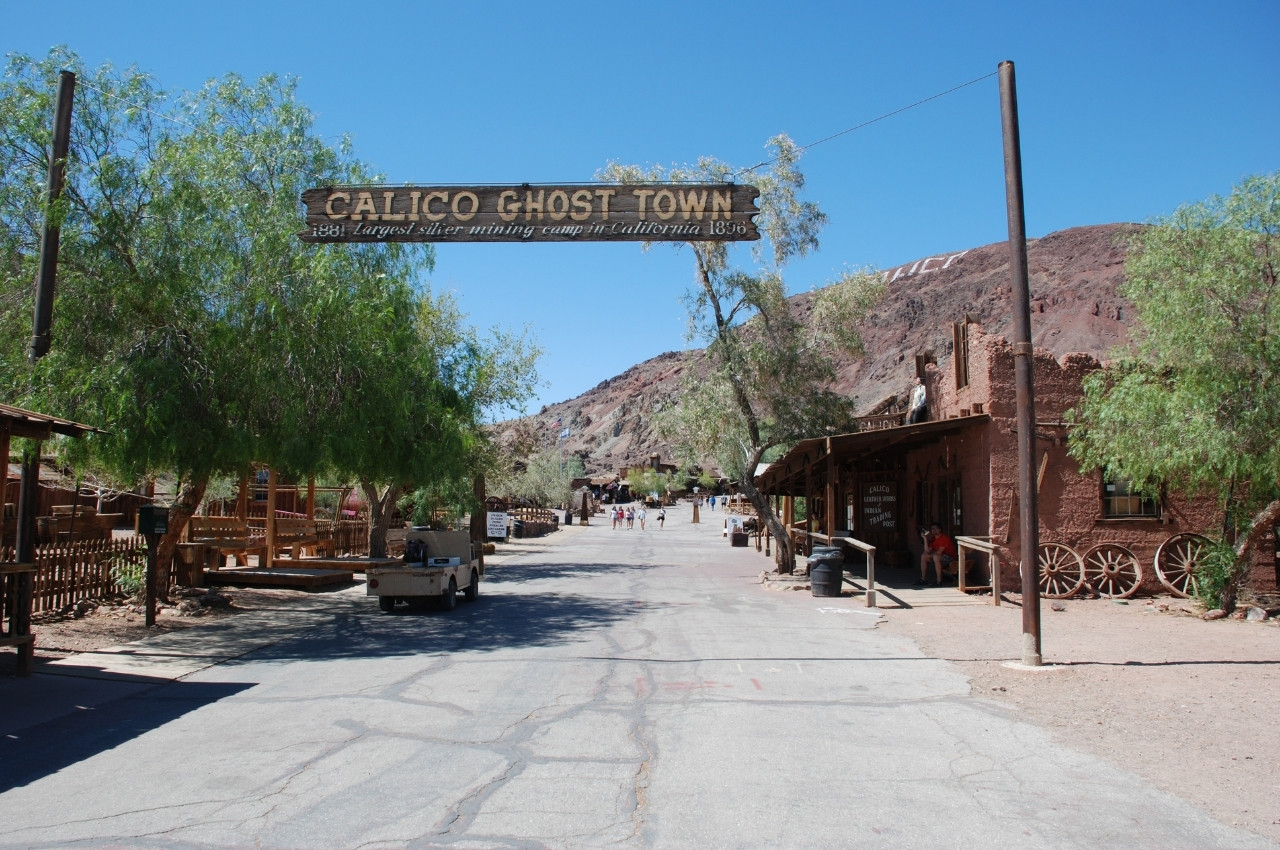
Calico was founded in 1881 during California’s silver boom and once supported over 500 mines. According to San Bernardino County Regional Parks, the town was abandoned after silver prices collapsed in the 1890s. In the mid-20th century, Calico was restored by Walter Knott, the founder of Knott’s Berry Farm, and later became a county park. Today, it operates as a living museum where visitors can explore reconstructed and original buildings, mine tours, and reenactments. Calico stands as a colorful example of how ghost towns can be transformed into educational attractions while preserving regional history.
6. Humberstone and Santa Laura, Chile
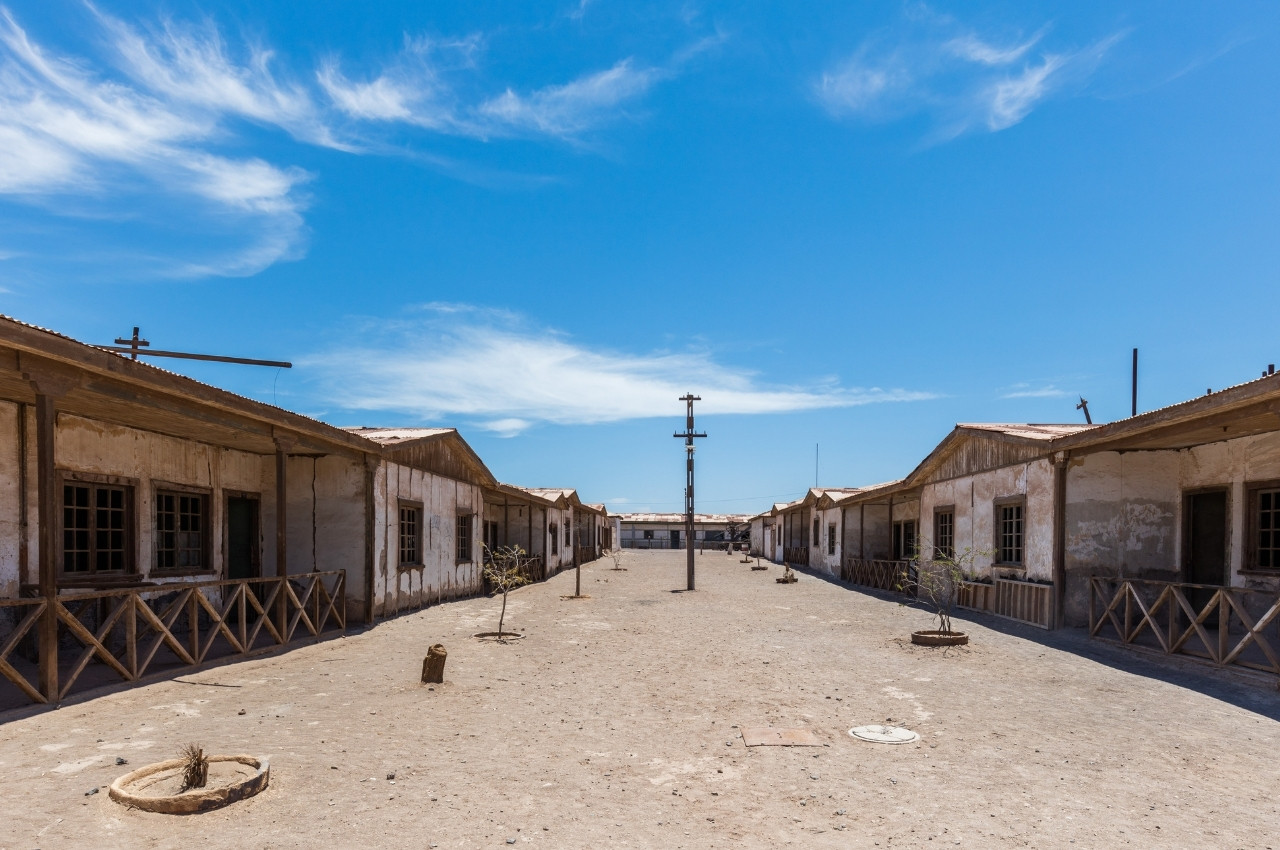
Located in northern Chile’s Atacama Desert, Humberstone and Santa Laura were once thriving saltpeter mining towns. According to UNESCO, these sites were abandoned in the mid-20th century when synthetic nitrates replaced natural production. Today, they are preserved as open-air museums, showcasing workers’ housing, processing plants, and communal spaces. Their preservation highlights the harsh conditions of mining life and the global importance of saltpeter during the 19th and early 20th centuries. Visitors can walk through the towns and experience the atmosphere of once-bustling communities now frozen in time within a stark desert setting.
7. St. Elmo, Colorado
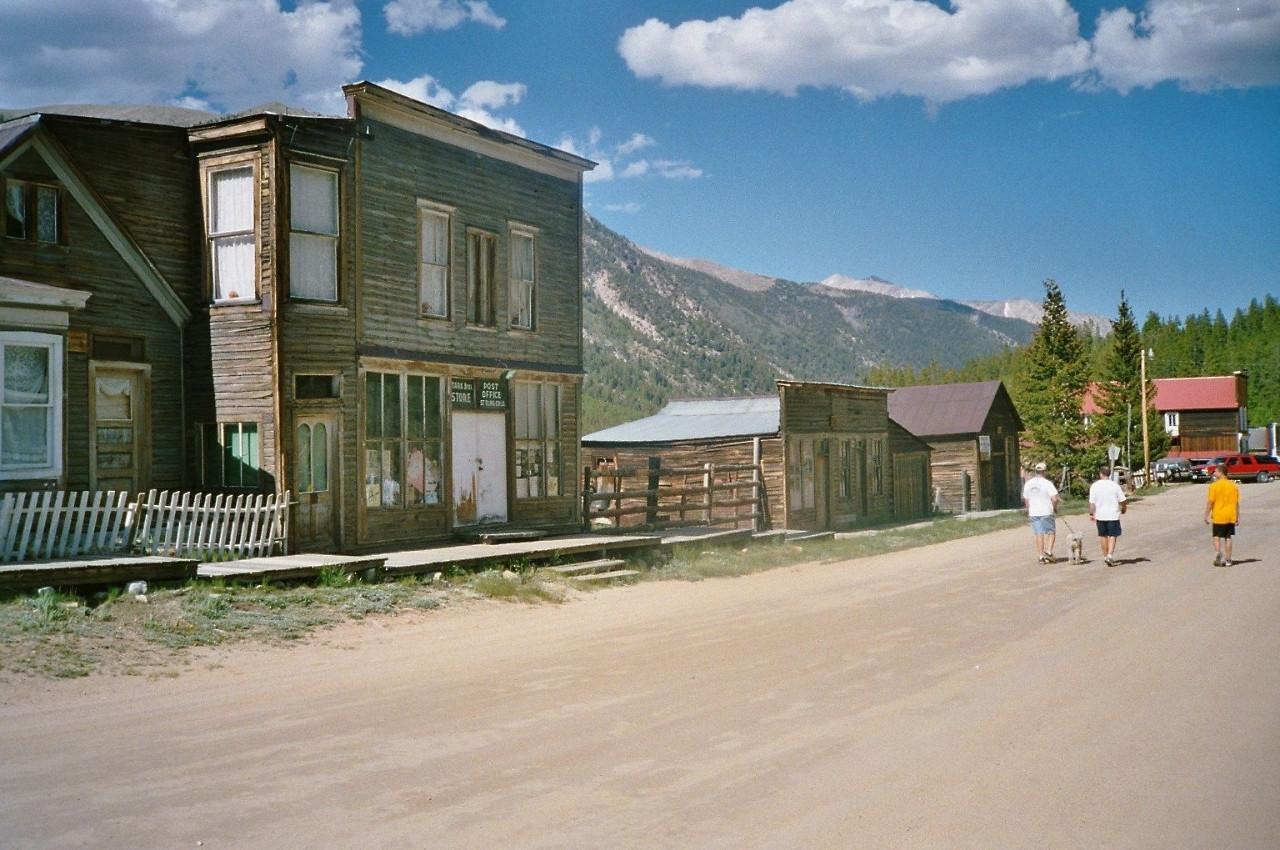
St. Elmo, established in 1880, became one of Colorado’s most active mining centers with a population of over 2,000 people. According to the Colorado Historical Society, the town declined after mines closed and the railroad ceased operations in the 1920s. Many of its wooden buildings remain intact, including a saloon, hotel, and general store. Today, St. Elmo is preserved as a heritage site where visitors can explore its streets and even feed wild chipmunks. Its well-preserved structures make it one of the most popular ghost towns in Colorado, offering a genuine frontier atmosphere.
8. Kennecott, Alaska
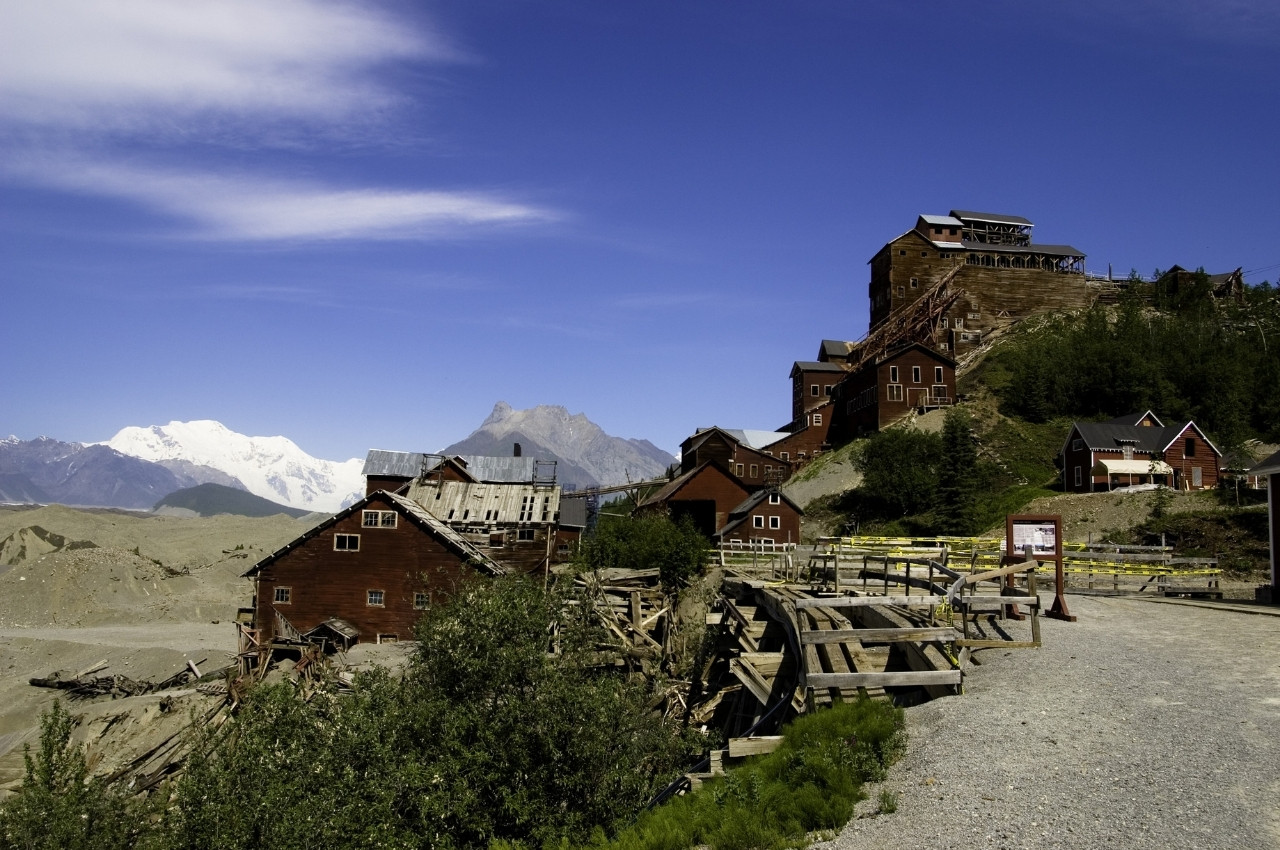
Kennecott was once a bustling copper-mining camp in the early 20th century, producing some of the richest copper deposits ever found. According to the National Park Service, the mine was abandoned in 1938, leaving behind a striking collection of red wooden buildings against a mountainous backdrop. Kennecott has been meticulously stabilized for preservation and is now a part of Wrangell–St. Elias National Park. Visitors can tour the historic mill and other facilities, learning about the industrial processes and community life of the era. Kennecott stands as a dramatic example of industrial heritage preserved in the wilderness.
9. Pripyat, Ukraine
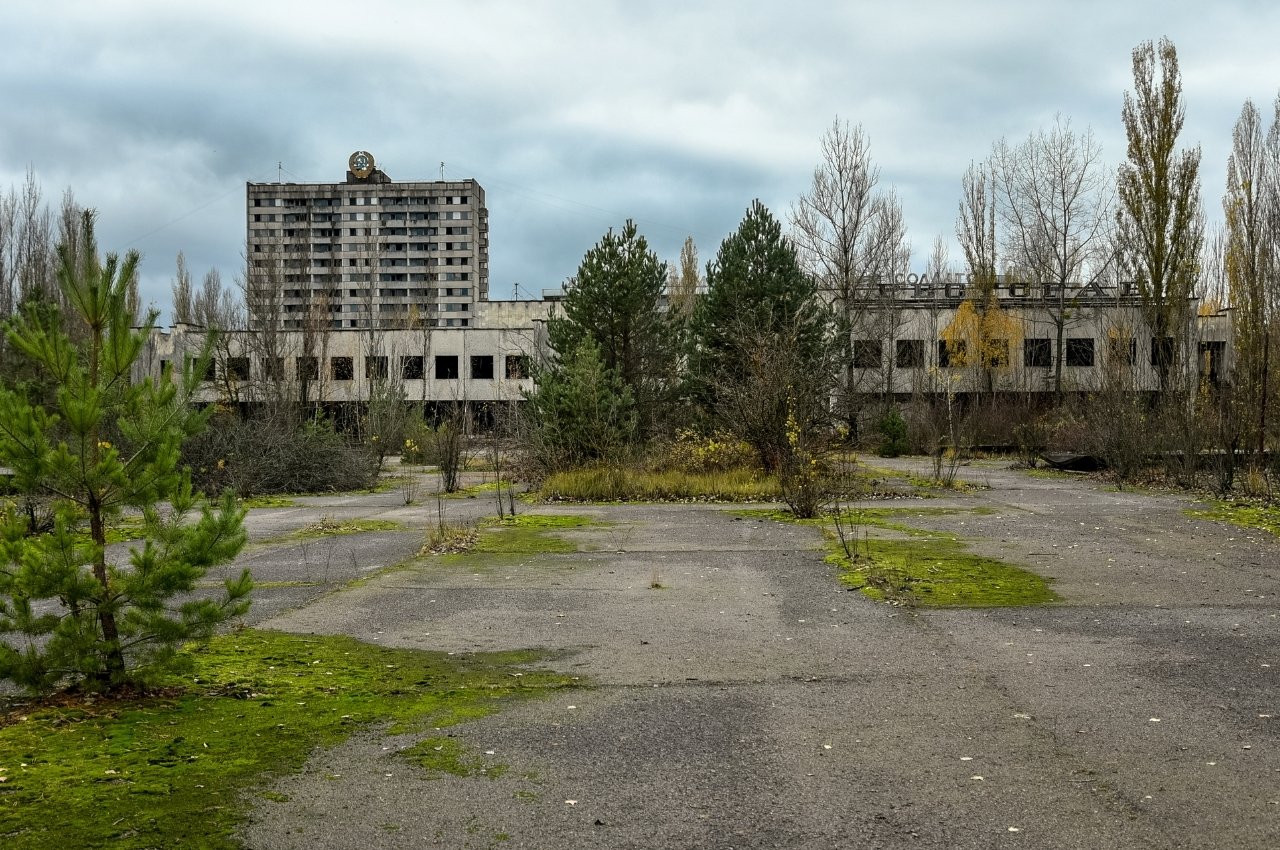
Pripyat, established in 1970 to house workers of the Chernobyl Nuclear Power Plant, was evacuated in 1986 following the reactor disaster. According to the Chernobyl Museum, the city remains frozen in time, with schools, amusement parks, and apartment blocks left abandoned. Today, Pripyat is preserved as part of the Chernobyl Exclusion Zone, visited by researchers and tourists under controlled conditions. While haunting, it serves as a living museum of technological failure and resilience. The preservation of Pripyat highlights both human ambition and the consequences of catastrophic decisions in modern industrial history.
10. Virginia City, Nevada
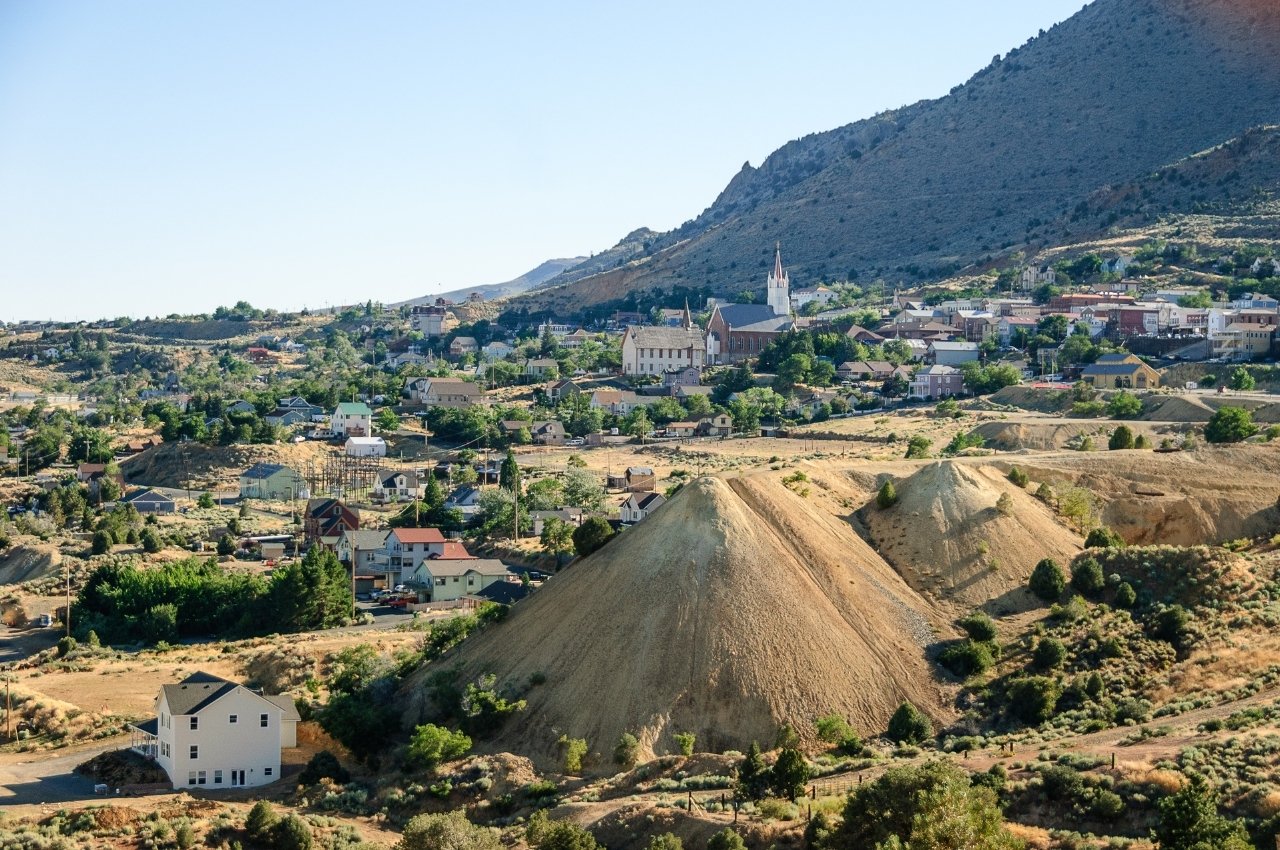
Virginia City rose to prominence during the Comstock Lode silver strike in the mid-19th century. According to Nevada’s Department of Tourism, it was once one of the richest mining towns in America. Although its population declined after the mines were exhausted, much of the town has been preserved. Today, Virginia City functions as a living museum, complete with historic saloons, wooden sidewalks, and reenactments of its Wild West heyday. Visitors can explore its mines and historic districts, experiencing a vibrant community that maintains its heritage while embracing its role as a cultural attraction.
11. Gwalia, Australia
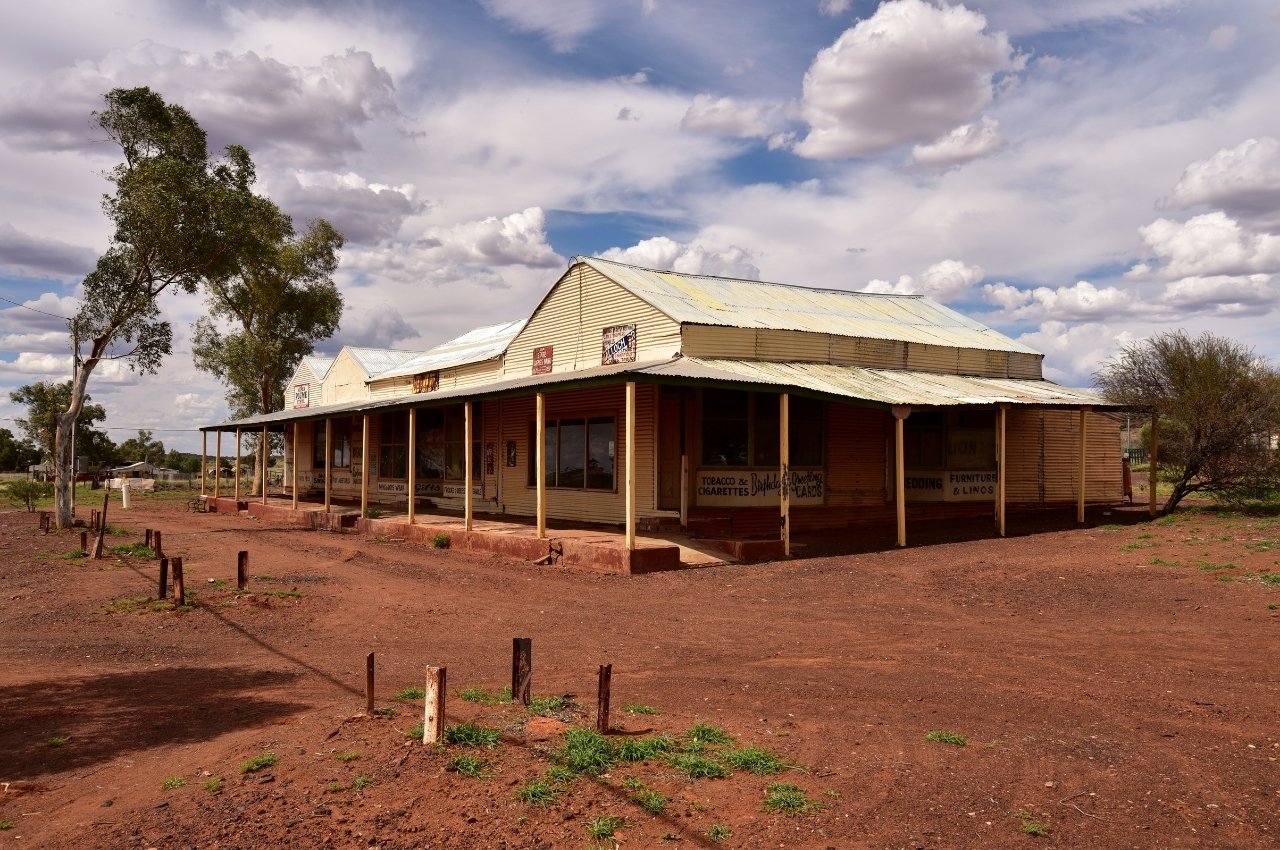
Gwalia, located in Western Australia, developed around a gold mine in the late 1890s. According to the Gwalia Historical Museum, the town was abandoned in the 1960s after the mine closed. Today, it is preserved as a heritage site with restored miners’ cottages, public buildings, and exhibits on the region’s gold-mining history. Gwalia offers a glimpse into the lives of working-class families who lived in isolation. Its preservation reflects the global story of mining booms and busts, showing how ghost towns can become important museums of labor, migration, and community heritage.