
History is filled with betrayal, but not every scheme ends with victory. Many backstabs were intended to secure wealth, power, or survival, yet instead spiraled into disaster. Some left their perpetrators disgraced, others destroyed entire empires, and many became lessons in the dangers of treachery. From Roman senators who struck down a leader only to unleash civil war, to generals and kings whose betrayals weakened their own positions, history repeatedly shows how deception can collapse under its own weight. These twelve examples demonstrate how betrayal often backfires spectacularly.
1. Julius Caesar’s Assassins
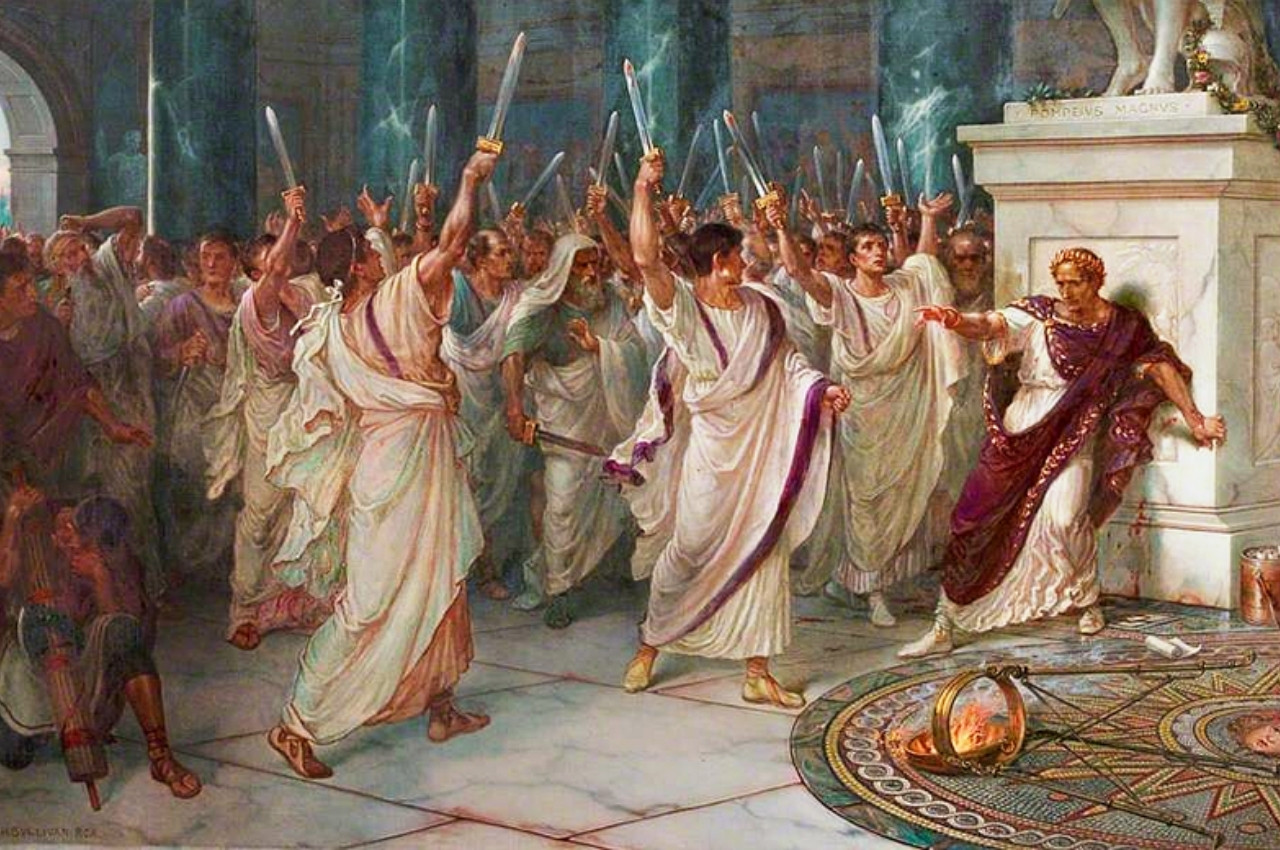
In 44 BCE, a group of Roman senators led by Brutus and Cassius assassinated Julius Caesar, believing they were saving the Republic from dictatorship. Instead of restoring liberty, their betrayal unleashed years of civil war. Caesar’s death paved the way for Octavian, later Augustus, to establish the Roman Empire. According to records preserved by the Smithsonian Institution, the conspirators underestimated Caesar’s popularity and the chaos that would follow his murder. Brutus and Cassius both met violent ends, remembered not as saviors but as failed betrayers whose actions doomed the very Republic they claimed to protect.
2. Benedict Arnold’s Treason
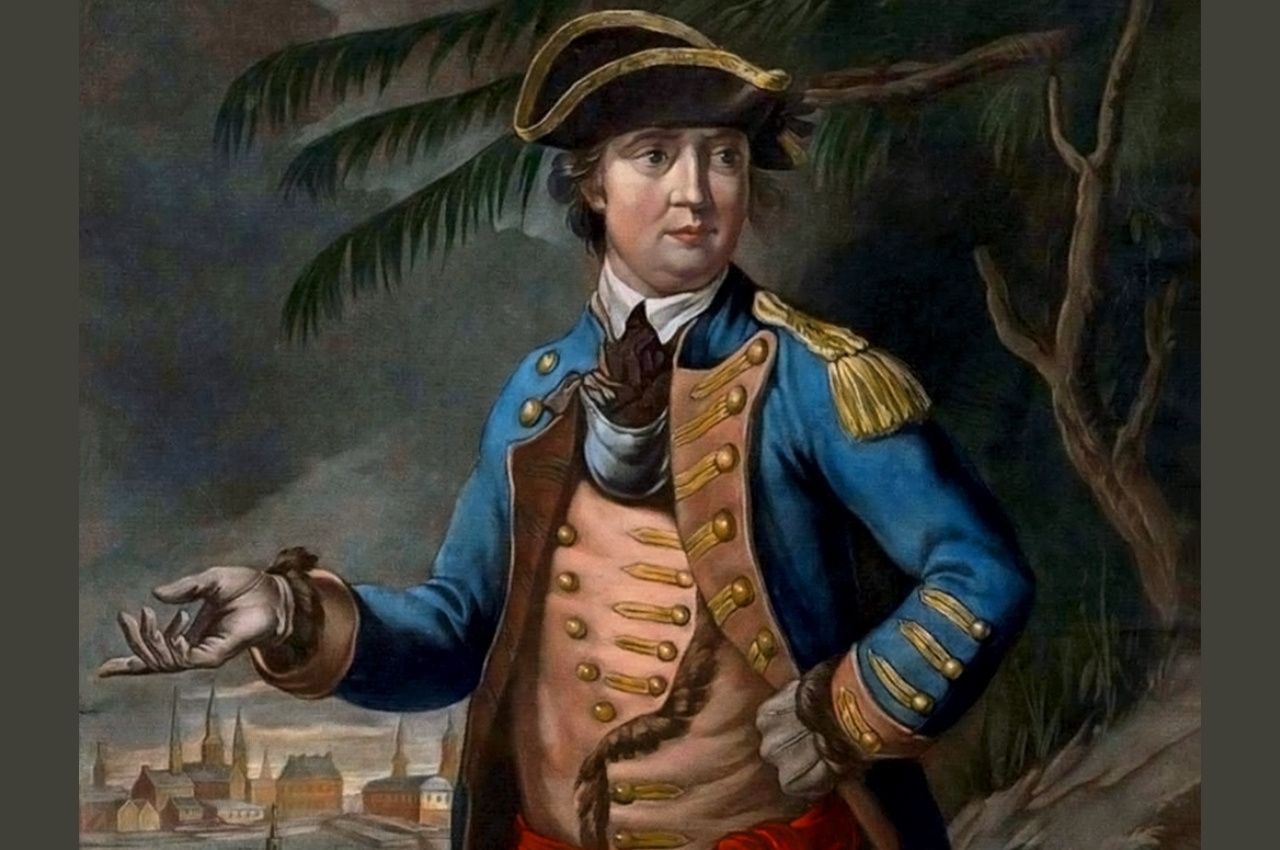
Benedict Arnold was once celebrated as a hero of the American Revolution, but in 1780, he plotted to surrender the crucial fort of West Point to the British. His treason was discovered when American forces captured British officer John André carrying incriminating documents. Arnold escaped to British territory, but his reputation never recovered. According to the U.S. National Archives, Arnold lived the rest of his life distrusted by the British and hated by Americans. His betrayal failed to achieve lasting success, leaving his name permanently associated with treachery and disgrace rather than honor and loyalty.
3. Alcibiades Betrays Athens
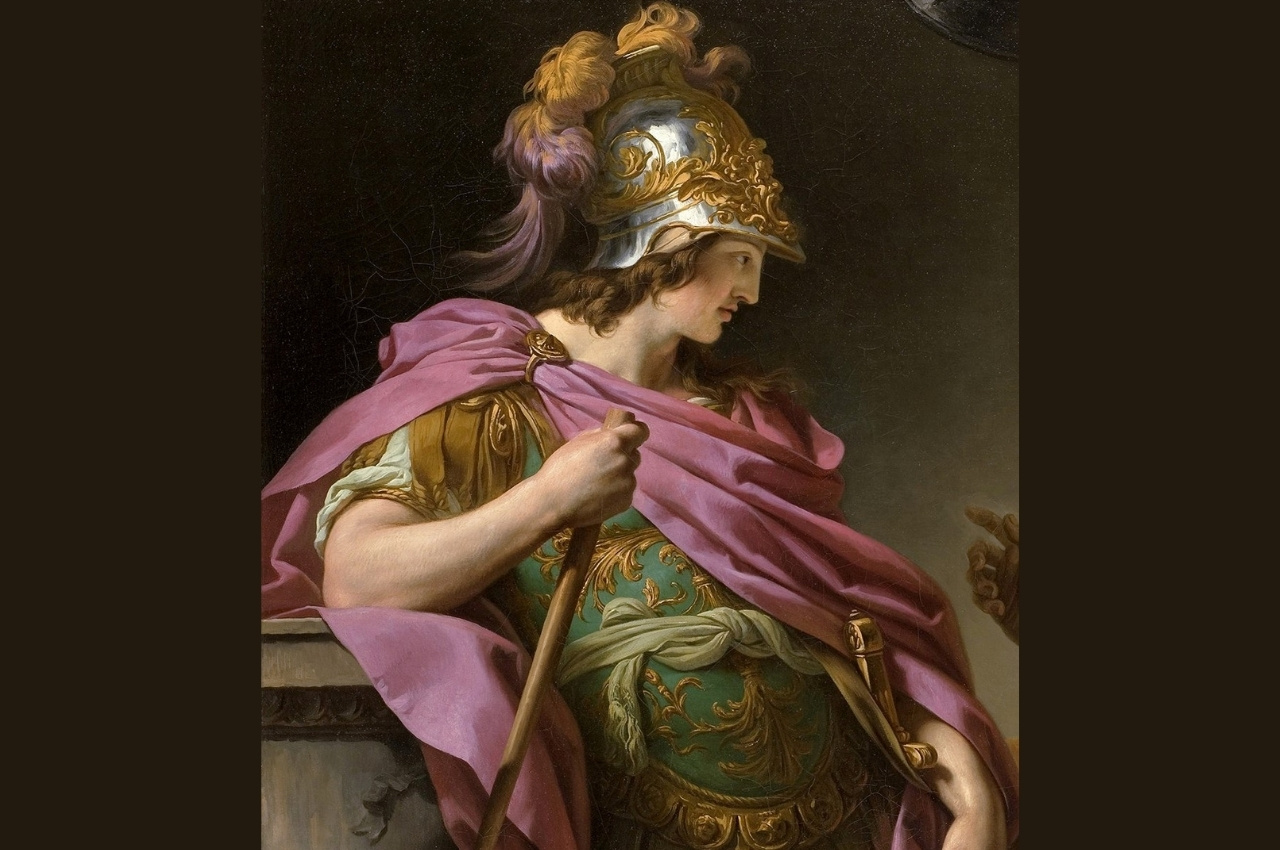
Alcibiades, a talented yet unpredictable Athenian general, repeatedly shifted allegiances during the Peloponnesian War. Facing charges in Athens, he defected to Sparta and later sought refuge with Persia. Each move was meant to secure his survival and influence, but his shifting loyalties left him distrusted by all sides. Historical accounts in Encyclopaedia Britannica describe how his betrayals undermined Athenian strategy, contributing to Athens’ eventual defeat. Though he briefly regained power, he ended his life in exile, assassinated under mysterious circumstances. His constant betrayals brought temporary gains but ultimately left him remembered as a cautionary tale of failed ambition.
4. Richard Neville, the Kingmaker
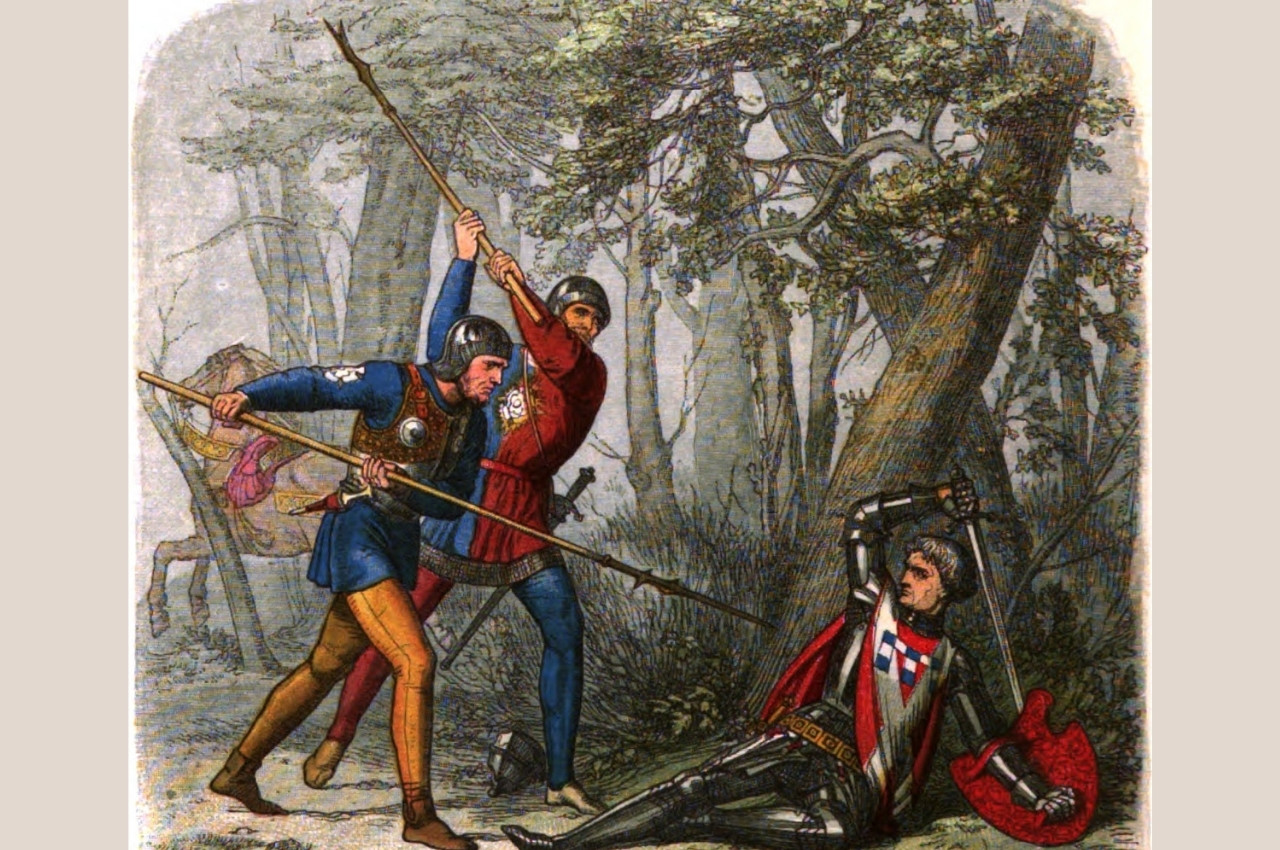
Richard Neville, Earl of Warwick, earned his nickname “the Kingmaker” for his role in England’s Wars of the Roses. Initially, he supported Edward IV to the throne, but later betrayed him and restored Henry VI. His repeated shifts of loyalty destabilized the kingdom and created more conflict. The UK National Archives record that Warwick’s betrayals ended in disaster when Edward returned with an army, defeating and killing him at the Battle of Barnet in 1471. His desire to control royal succession collapsed, and his treachery backfired, costing him his power, reputation, and ultimately his life.
5. Napoleon’s Return from Elba
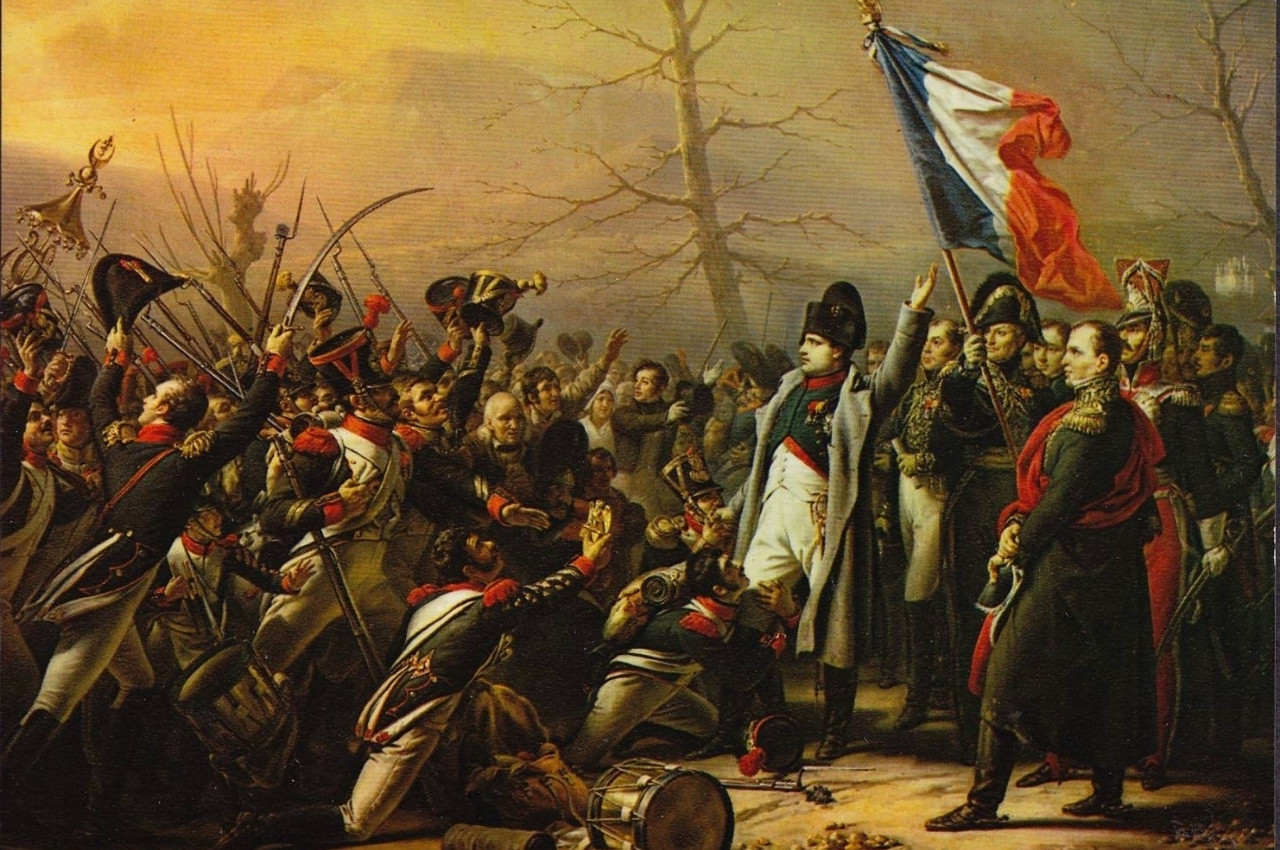
After his exile to Elba in 1814, Napoleon Bonaparte betrayed the peace settlement by escaping and reclaiming power in France during the famous Hundred Days. Initially welcomed by his soldiers and supporters, his attempt to reestablish dominance quickly led to renewed conflict. According to the French National Archives, his defiance culminated in the Battle of Waterloo, where he suffered a decisive defeat. He was exiled again, this time to Saint Helena, where he died in isolation. His betrayal of Europe’s fragile peace did not restore his empire but instead sealed his downfall and tarnished his legacy.
6. Mir Jafar and the Battle of Plassey
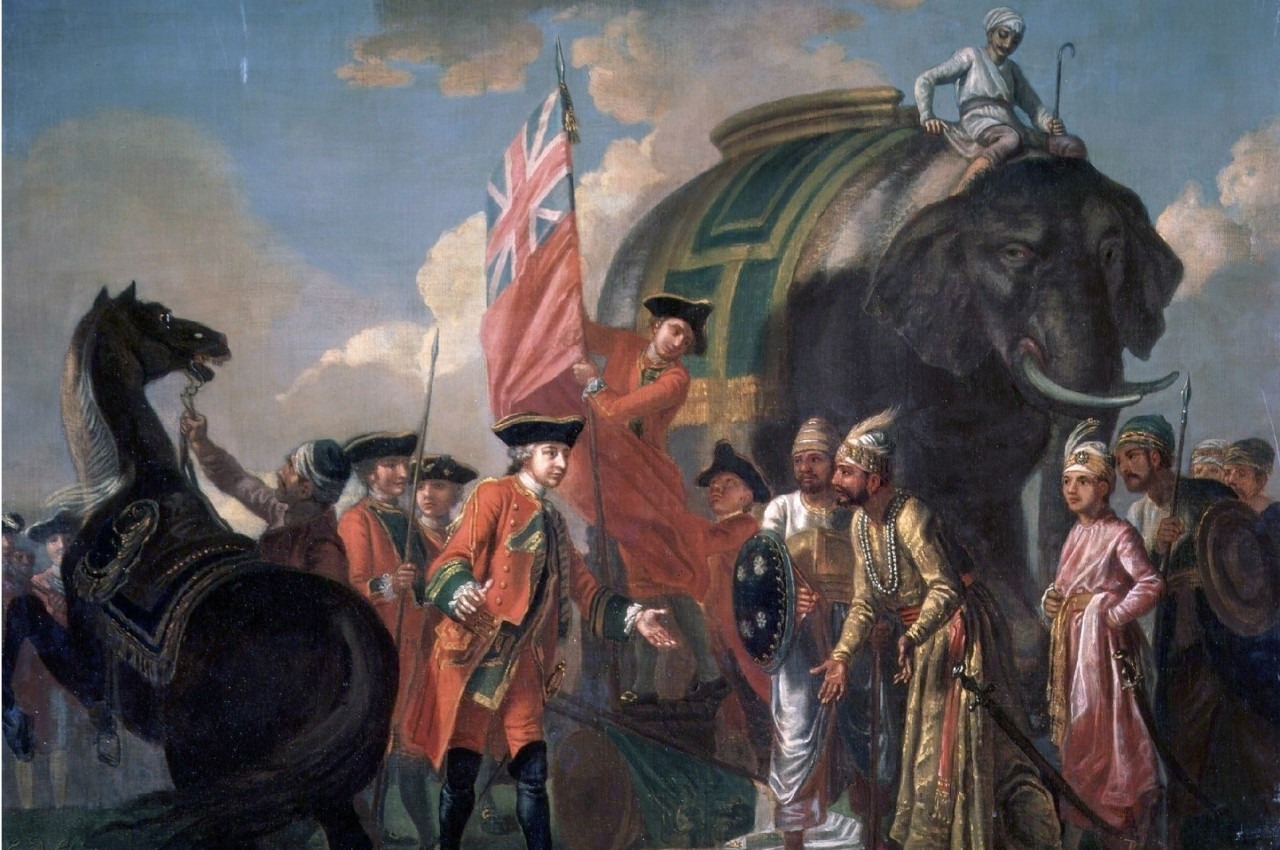
In 1757, Mir Jafar, commander of the Bengal army, betrayed Nawab Siraj ud-Daulah by siding with the British East India Company during the Battle of Plassey. His treachery helped secure British victory, but it backfired almost immediately. The British treated him as a puppet ruler, stripping him of real power while tightening their control of Bengal. Records from the British Library show how Jafar’s betrayal handed Britain a foothold in India while leaving him disgraced and despised. Instead of gaining lasting authority, he became one of India’s most infamous traitors whose actions undermined his own people.
7. Cataline Conspiracy in Rome
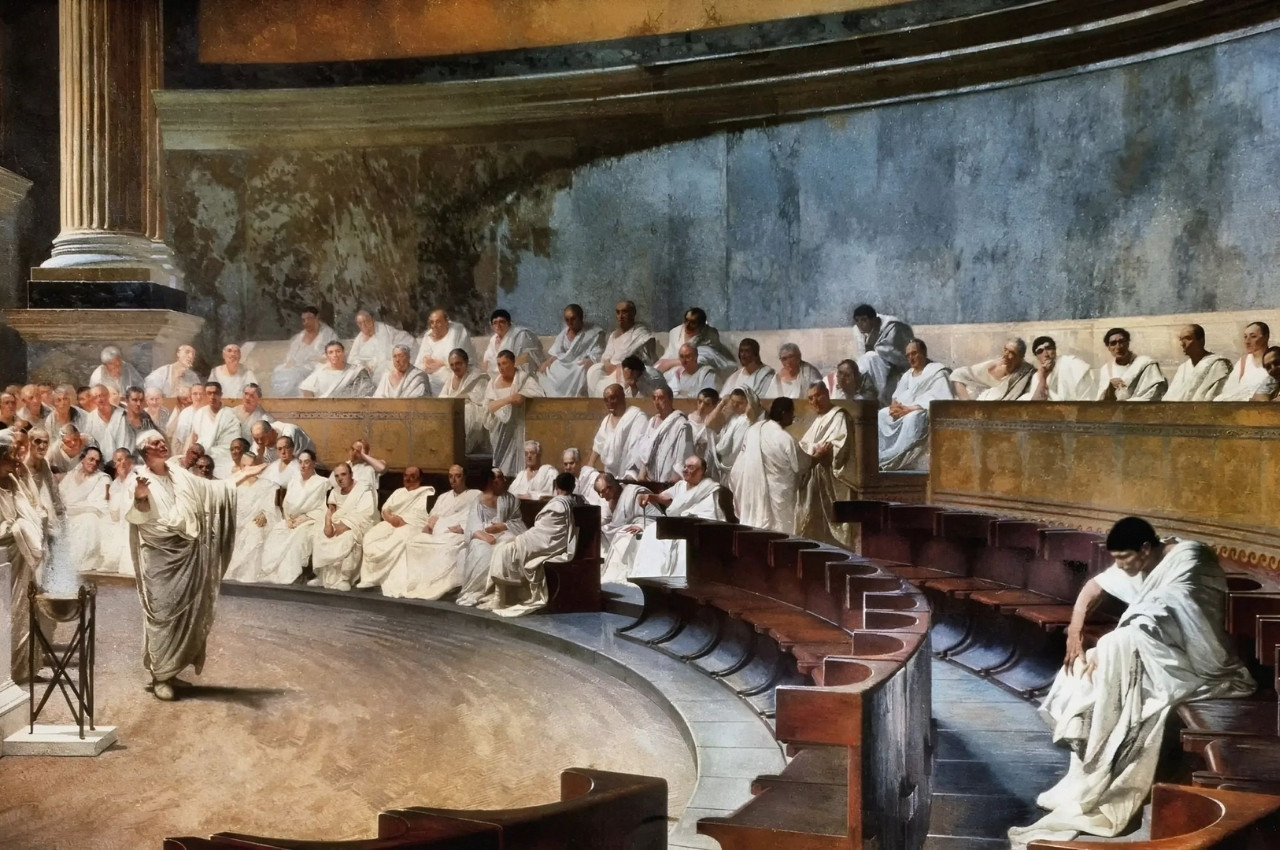
Lucius Sergius Catilina, better known as Catiline, attempted to overthrow the Roman Republic in 63 BCE through assassination and rebellion. His plot was uncovered by Cicero, then serving as consul, who revealed the conspiracy to the Senate. Historical sources from the Loeb Classical Library explain how Catiline’s betrayal turned both the Senate and the people firmly against him. Declared an enemy of the state, his forces were defeated in open battle, and he was killed soon after. Instead of seizing control of Rome, his failed treachery left him remembered as a reckless conspirator who destroyed himself.
8. Charles V Betrays the Schmalkaldic League

Emperor Charles V promised tolerance to Protestant princes during the Reformation, but in 1548, he betrayed them with the Augsburg Interim, demanding Catholic practices. This sparked strong resistance instead of obedience. According to official Holy Roman Empire records, the betrayal forced Charles into years of conflict, eventually leading to the Peace of Augsburg in 1555, which allowed rulers to determine their state’s religion. His attempt to impose uniformity backfired, weakening imperial authority rather than strengthening it. The betrayal highlighted the limits of power and the dangers of ignoring deeply rooted religious divisions within the empire.
9. King John and the Magna Carta
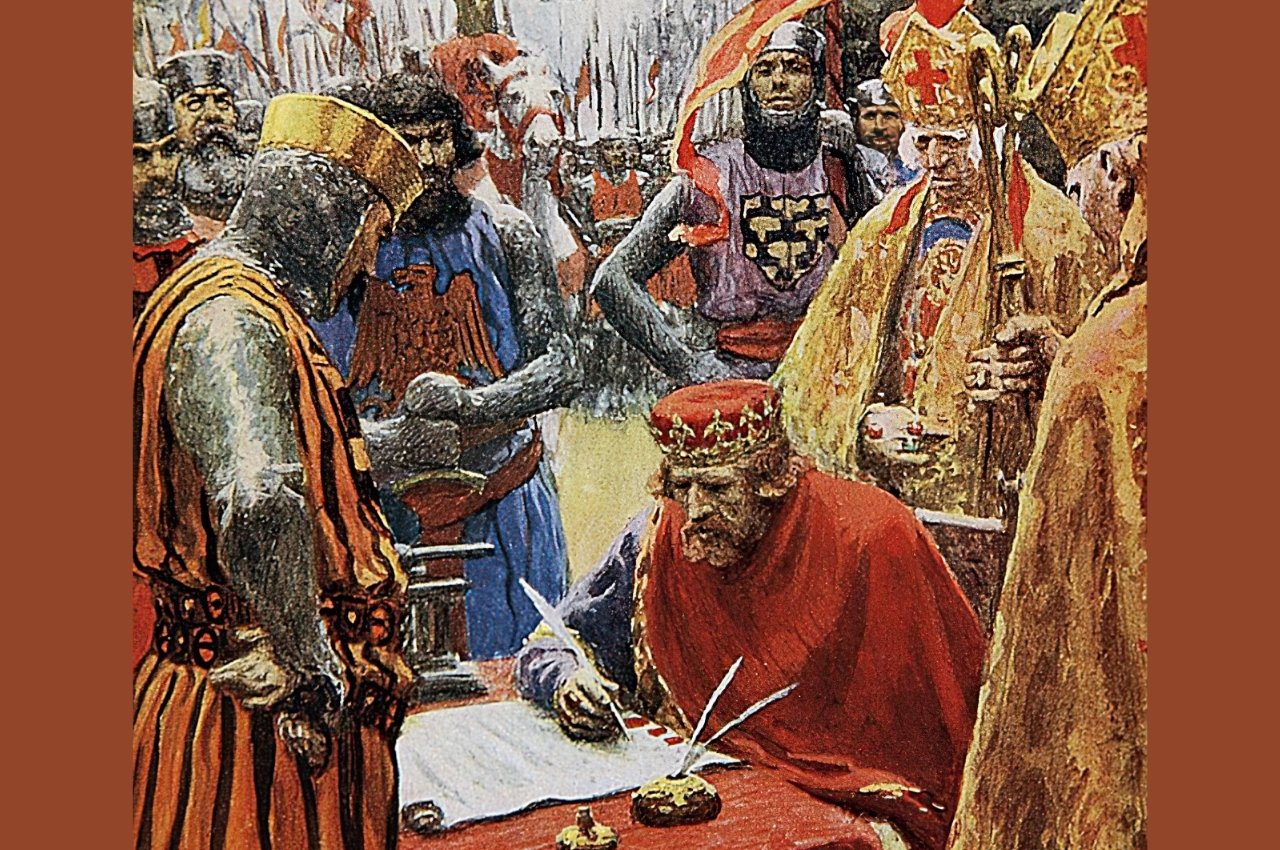
King John of England signed the Magna Carta in 1215 under pressure from rebellious barons, agreeing to limit royal authority. Soon after, he betrayed his promises by appealing to Pope Innocent III to annul the charter. According to records preserved in the UK National Archives, this betrayal reignited rebellion and plunged the kingdom into civil war. Instead of restoring John’s authority, his duplicity weakened the monarchy and strengthened the Magna Carta’s role as a symbol of law and liberty. His failed treachery ensured the charter’s survival, shaping constitutional government long after his troubled reign.
10. Wu Sangui’s Defection
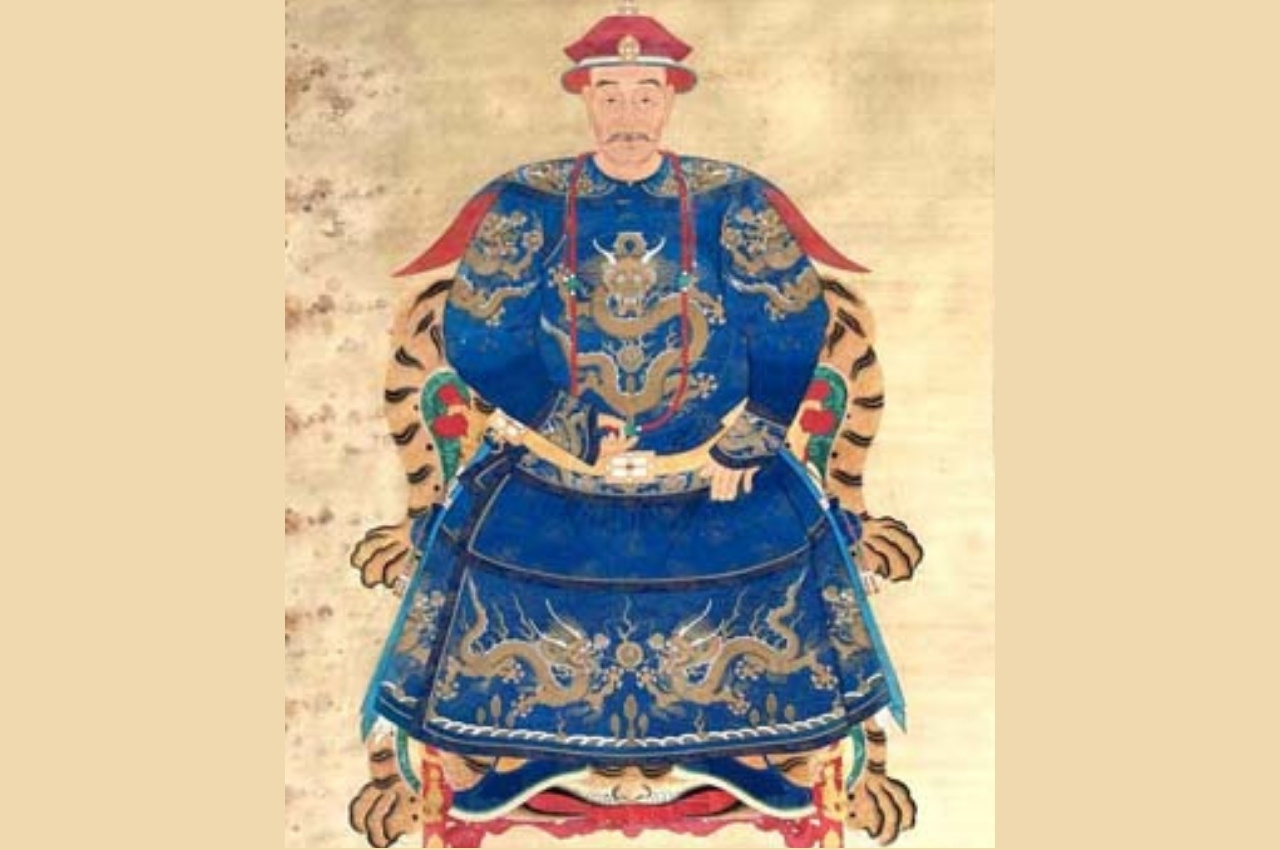
In seventeenth-century China, Ming general Wu Sangui betrayed his dynasty by opening the gates of Shanhai Pass to the Manchu forces, helping them establish the Qing dynasty. Initially rewarded with power, he later rebelled against the Qing, seeking independence. According to Chinese historical archives, his uprising collapsed, leaving him vilified as one of China’s most notorious traitors. Instead of securing his legacy, his betrayal destroyed both the Ming resistance and his own reputation. His decision is remembered as an act of treachery that backfired completely, strengthening foreign rule while erasing any chance of lasting honor.
11. Ephialtes at Thermopylae
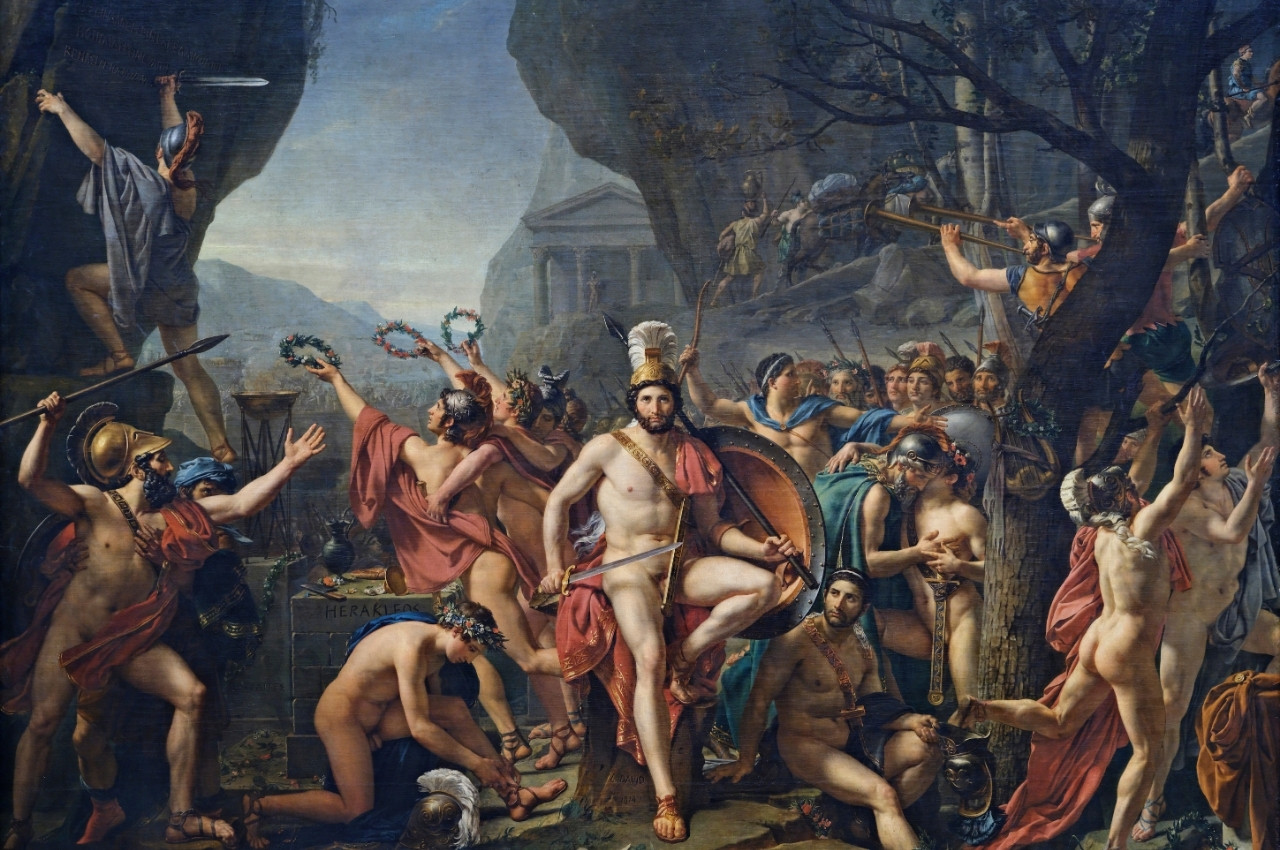
During the Persian invasion of Greece in 480 BCE, Ephialtes betrayed his homeland by revealing a hidden mountain pass to Xerxes’ army, allowing them to outflank Leonidas and the Spartans. While the Persians used his information to win the battle, he received little reward. Herodotus’ Histories describe how Ephialtes became infamous as a traitor, was forced into exile, and was later killed. Instead of wealth or honor, his betrayal earned him eternal disgrace. Greek culture immortalized his treachery as an example of cowardice, showing how betrayal often damages the betrayer more than the intended victims.
12. Pyrrhus of Epirus and the Tarentines
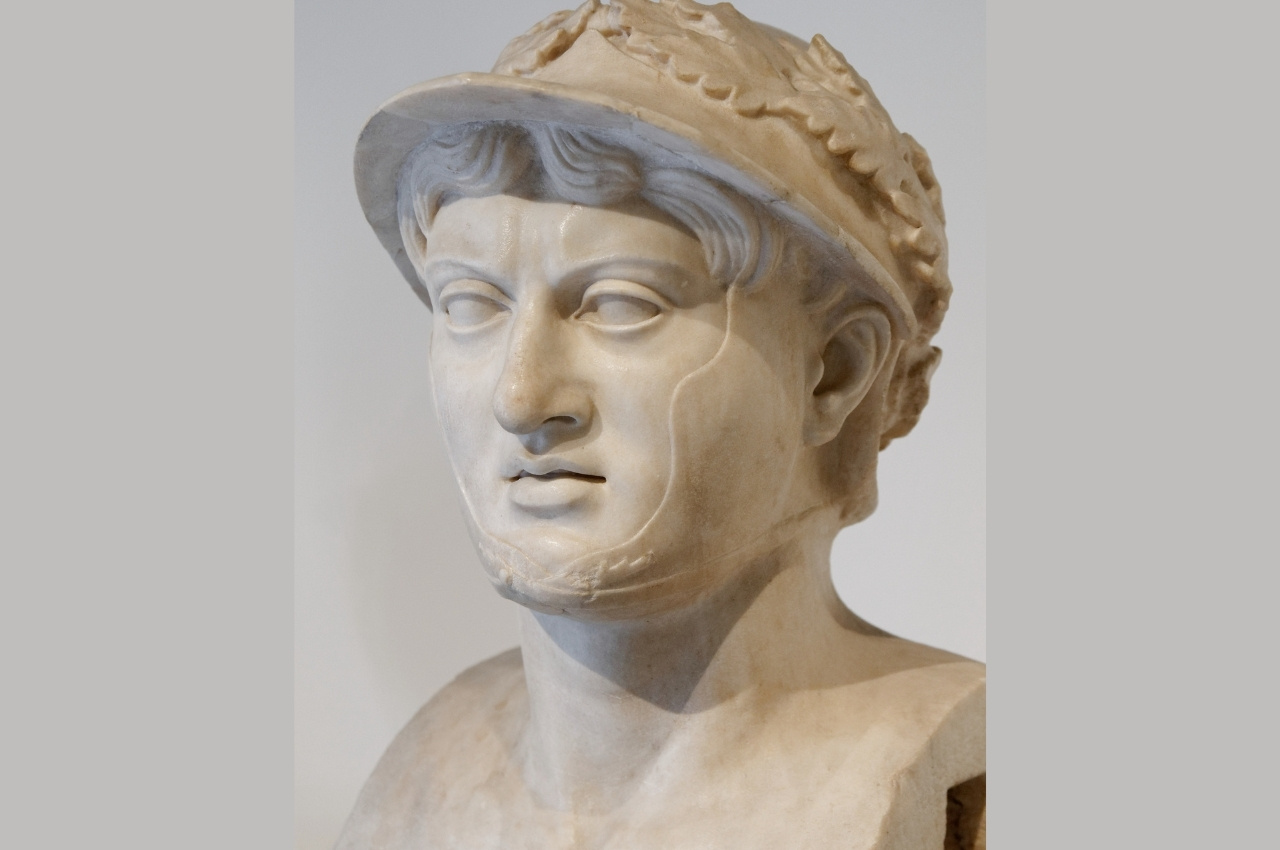
King Pyrrhus of Epirus agreed to aid the Greek city of Tarentum against Rome but betrayed their trust by acting more as a conqueror than an ally. His campaigns against Rome led to costly victories that weakened his forces. Roman sources such as Plutarch note that his betrayal left Tarentum vulnerable and undermined his own ambitions. His legacy gave rise to the term “Pyrrhic victory,” meaning a win so costly it amounts to defeat. Instead of gaining lasting control, his backstabbing weakened both his allies and his reputation as a military leader.