
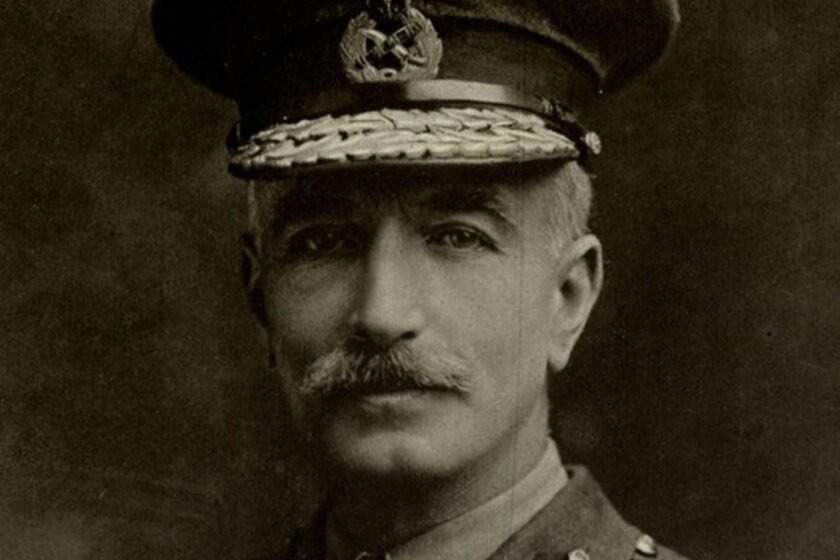
Lieutenant-General Sir William Marshall’s grave draws reflection 166 years later, honoring his service, leadership, and enduring legacy. Some legacies endure not because of grand monuments but because of the stories they carry. Lieutenant-General Sir William Marshall’s life and career have left an imprint that transcends time. His achievements and leadership in the British Army during some of the most pivotal moments of the early 20th century make his grave a site that draws reflection, curiosity, and respect, even 166 years after his birth.
This enduring relevance speaks to the power of military service to shape history. A grave, in this case, becomes more than a resting place; it is a bridge between the past and the present, connecting generations to lessons of duty, strategy, and sacrifice. Visitors often leave with a sense of awe at how one life can resonate across more than a century.
A Life of Military Clout
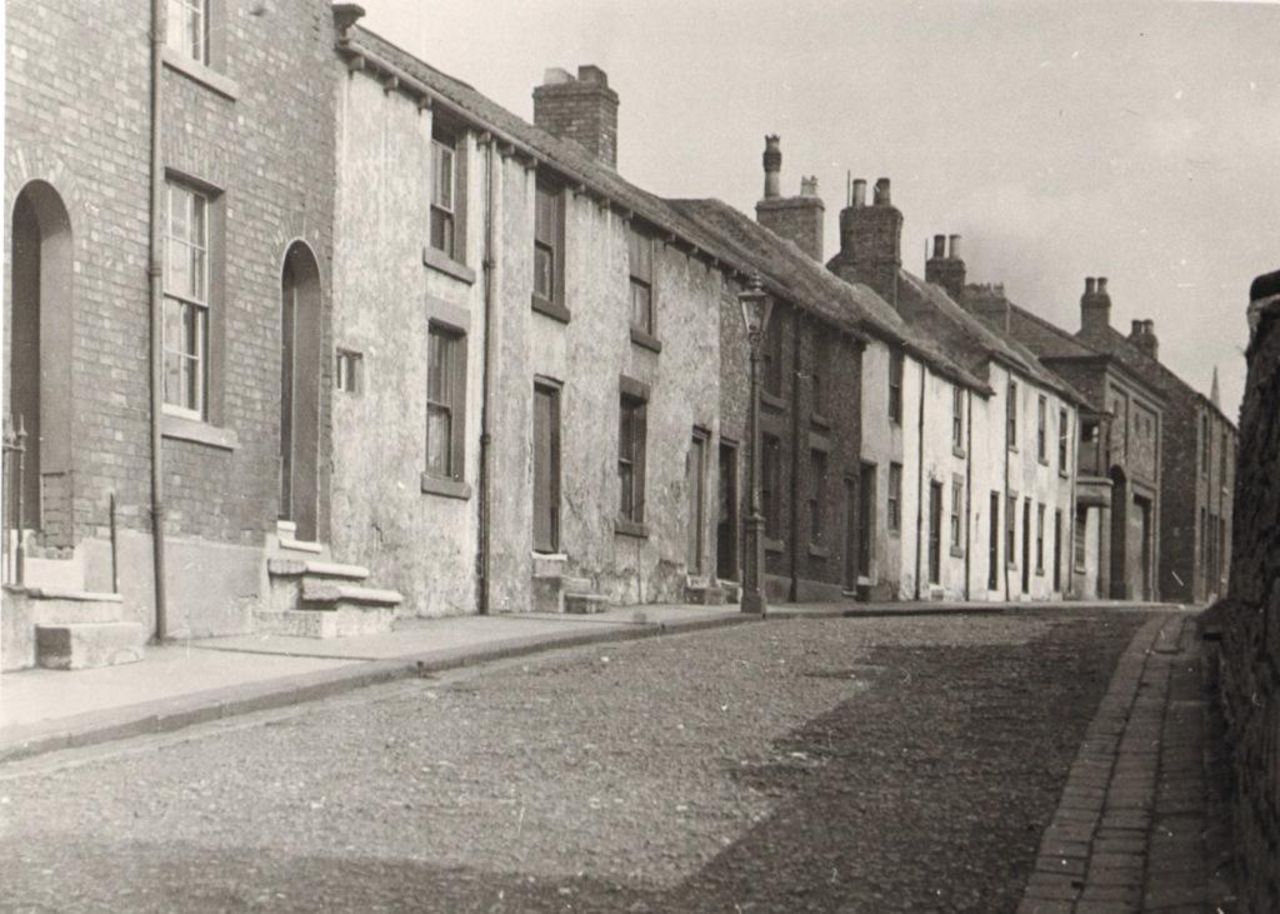
Born in 1865 in Stranton, County Durham, Marshall’s early years shaped a foundation for leadership. After training at the Royal Military College, Sandhurst, he was commissioned into the Sherwood Foresters in 1886. His first deployments to British India exposed him to the complexities of colonial military service, including operations on the North West Frontier.
These formative experiences instilled discipline, strategic thinking, and resilience. Leading small expeditions taught him the value of logistics, intelligence, and adapting to unfamiliar terrain, skills that would define his later commands. His early recognition and steady promotions reflected both talent and tenacity in a rigid military hierarchy.
World War I and the Mesopotamian Command
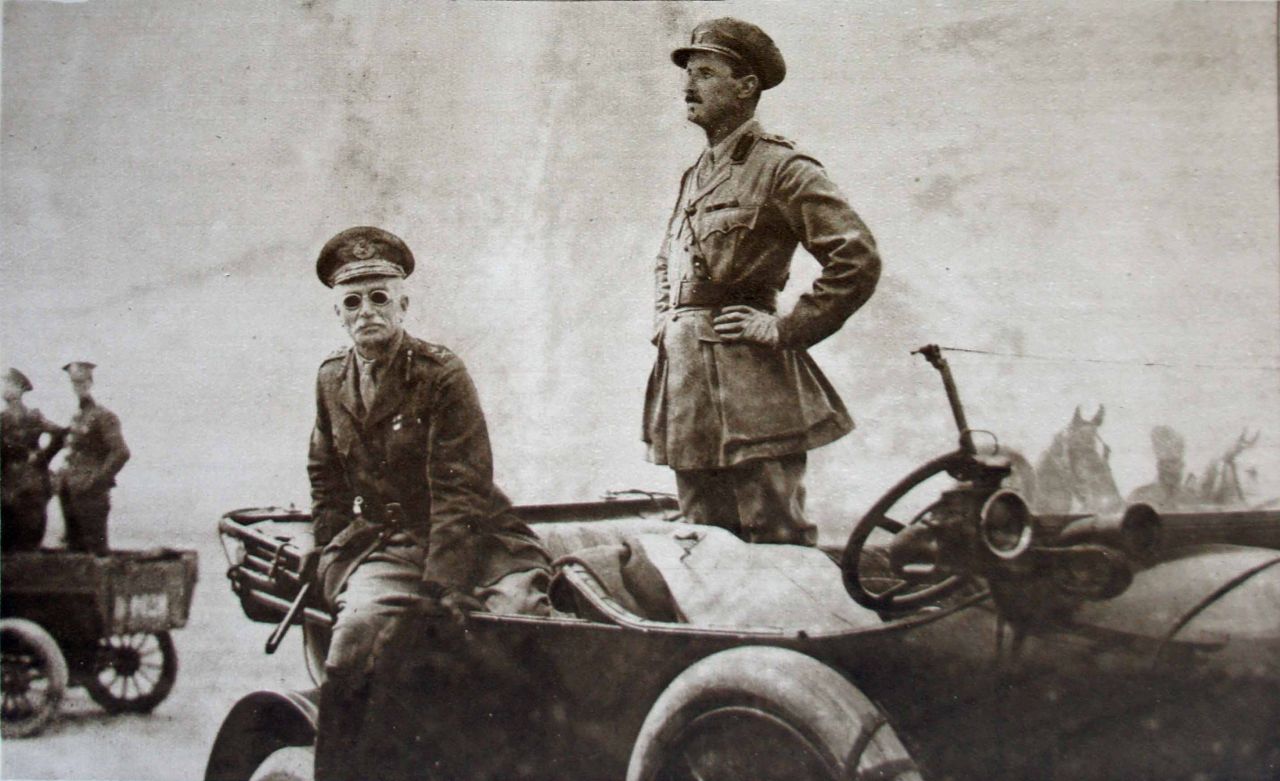
World War I catapulted Marshall into broader prominence. In 1917, following the death of Sir Frederick Stanley Maude, he assumed command of British forces in Mesopotamia. He faced the daunting task of stabilizing the region, managing supply lines across harsh terrain, and countering Ottoman forces entrenched along the Tigris and Euphrates.
Marshall’s leadership was measured, emphasizing strategic patience and coordination with local authorities. His decisions influenced the success of military operations and minimized unnecessary losses, highlighting his ability to balance tactical needs with broader operational objectives.
Honors, Recognition, and Later Career
Marshall’s contributions earned him numerous honors, reflecting both British and colonial appreciation. Decorations such as the Order of the Bath and mentions in dispatches documented his effective leadership and dedication. Even after returning from Mesopotamia, he continued to serve in key roles, advising on military operations and mentoring younger officers.
His career exemplifies the path of a general whose influence extended beyond direct command. His strategic insights and example shaped not only immediate military outcomes but also the professional culture of the British Army in the interwar years.
The Burial That Became Symbolic
Final Resting Place and Memorial Form
Marshall’s grave in Bagnoles-de-l’Orne, France, is marked by simplicity yet carries dignity. Its understated headstone and well-kept surroundings reflect his character, humble but resolute. The location, chosen in a town known for tranquility and healing, mirrors the reflective nature of memorializing lives dedicated to service.
The grave itself becomes a symbol of continuity, linking his achievements to physical space. It invites visitors to pause, reflect, and tangibly engage with history, showing that symbolism can be as powerful as biography.
Public Memory and Ceremonial Visits
Over the decades, the grave has drawn attention from historians, military personnel, and members of the public. Ceremonial visits on anniversaries, Remembrance Days, and other commemorations reinforce collective memory. The grave serves as a site for storytelling, where lessons of leadership, resilience, and sacrifice are revisited and shared with new generations.
This ritualized attention keeps Marshall’s story alive. Public engagement ensures that the grave is more than a marker; it is an educational touchpoint, illustrating how history and memory interact in the spaces we maintain and honor.
Why the Grave Holds Power
Marshall’s grave commands attention partly because of the institutional respect surrounding it. The British Army and allied organizations continue to recognize his contributions, framing his resting place as a touchstone for military tradition and excellence. The reverence reflects collective acknowledgment of the challenges he faced and the outcomes he influenced.
This institutional memory reinforces public interest. Visitors sense that they are engaging with something historically significant, and that the grave serves as a custodian of professional and national values that extend beyond the individual.
Narrative of Sacrifice and Continuity
The grave also embodies the narrative of sacrifice inherent to military service. It communicates the costs of leadership and the continuity of duty across generations. This narrative resonates with observers because it encapsulates both personal and professional commitment, an archetype that commands respect and reflection.
Such symbolism transcends biography. It reinforces the understanding that service to country often requires personal sacrifices, and that these sacrifices are remembered and valued long after one’s lifetime.
Location, Design, and Symbolism
The careful placement and understated design of Marshall’s grave enhance its symbolic power. Situated in a peaceful town with serene surroundings, the grave allows for contemplative reflection. The simplicity of the headstone and careful landscaping avoid distraction, letting the focus remain on Marshall’s life, service, and the ideals his career represents.
Design choices underscore meaning. The grave is not ostentatious, yet it communicates significance. The location and aesthetics signal respect, permanence, and the enduring influence of one man’s life in shaping history.
Contested Histories and Myths
Legend vs Fact in His Record
Like many prominent figures, Marshall’s career is wrapped in myth and legend. Tales of battlefield brilliance sometimes blur with narrative embellishments. Separating documented accomplishments from anecdotal stories is essential for understanding his genuine impact.
Scholars and military historians often explore this tension, emphasizing the need for careful study. Recognizing both legend and fact allows us to appreciate the full scope of his contributions without overstating or diminishing them.
Disputes Over Legacy or Decisions
Some historians debate certain strategic decisions made under Marshall’s command, especially in complex theaters like Mesopotamia. These disputes highlight the challenging circumstances he faced, including logistical constraints, political pressures, and operational risks.
Acknowledging these debates adds depth to our understanding. The grave, in this sense, becomes a focal point for reflection not only on accomplishments but also on the difficulties and moral complexities of military leadership.
Preservation, Visits, and Legacy Keeping
Ongoing maintenance of Marshall’s grave ensures that it remains a dignified site for public engagement. Care includes landscaping, structural upkeep, and signage, making it accessible for educational and ceremonial purposes. Regular attention demonstrates societal commitment to preserving historical memory.
Public access allows for ongoing dialogue with history. Visitors, whether scholars or casual observers, can experience the physical space of remembrance, reinforcing connections between past service and present reflection.
Ceremonial events, military gatherings, and cultural programs periodically honor Marshall’s contributions. These commemorations keep his legacy relevant and contextualize his life within larger historical narratives. They also serve to educate new generations on the principles of leadership, duty, and historical awareness.
Such rituals underscore the significance of memorials. By linking individual memory to communal recognition, the grave functions as both a personal tribute and a societal anchor for historical reflection.
What It Means Today
Lessons for Contemporary Generals
Marshall’s career offers enduring lessons. Strategic patience, adaptability under pressure, and attention to human and logistical factors remain relevant for today’s military leaders. The attention his grave receives reinforces these lessons, emphasizing that leadership is remembered not only in victories but also in ethical and considered decision-making.
Why Graves Still Matter in Public Consciousness
Graves like Marshall’s resonate because they are tangible links to history. They encourage reflection on service, sacrifice, and continuity. Even after 166 years, such sites invite people to connect with the past, honor those who shaped it, and consider the responsibilities of leadership today.
The enduring attention to his grave demonstrates the power of place in memory, showing how physical memorials can preserve narratives, educate, and inspire across generations.
References
- William Marshall (British Army officer, born 1865) – wikipedia.org
- Who’s Who – Sir William Marshall – firstworldwar.com
- Hartlepool soldier played key role in securing wartime surrender – hartlepoolmail.co.uk