

Some of history’s most dramatic downfalls didn’t come from foreign invasions but from betrayal within. Trusted allies, family members, and close advisors turned against leaders at pivotal moments, igniting chaos and accelerating collapse. These acts of treachery shattered loyalty, destabilized empires, and reshaped the course of nations. From secret plots to open coups, the eight shocking betrayals in this list show how one act of disloyalty can echo through history, ending entire civilizations and leaving names forever synonymous with treachery.
1. Julius Caesar and Brutus
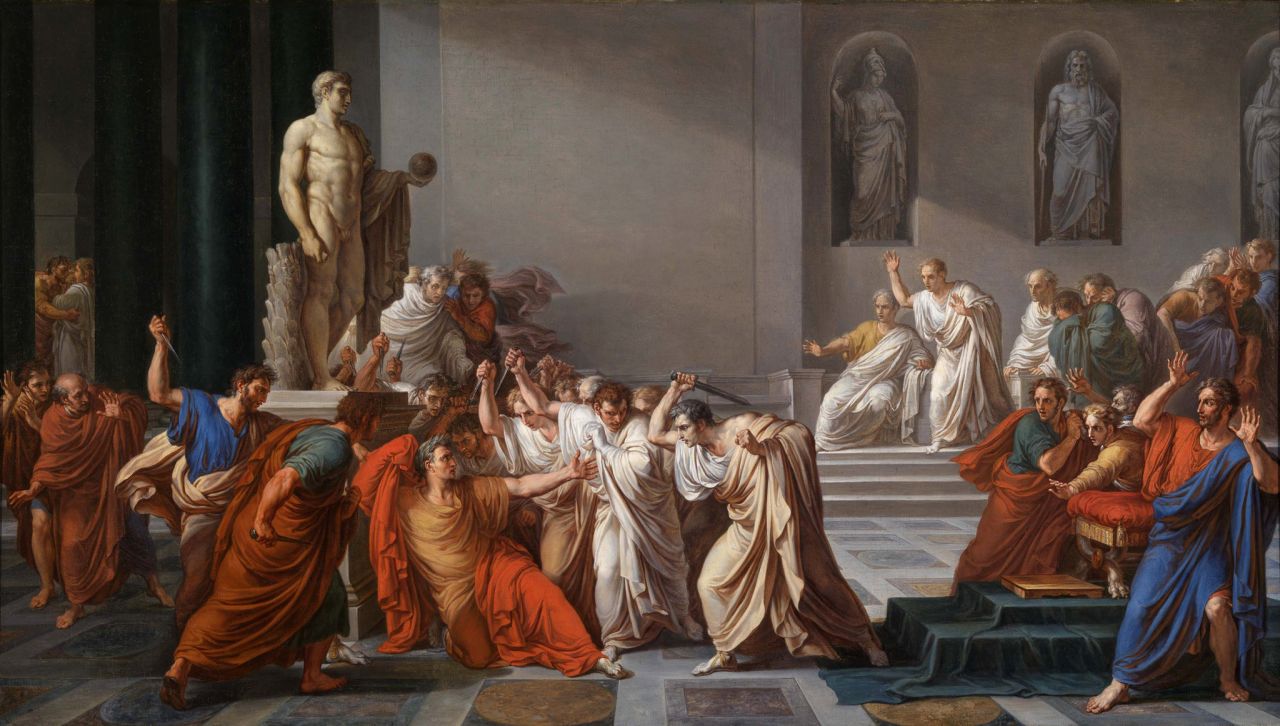
Julius Caesar’s assassination in 44 BCE stands as one of history’s most infamous betrayals. Trusted allies, including Brutus, conspired to stab him during a Senate session, convinced they were protecting the Republic from his growing power. Their treachery, however, unleashed chaos instead of stability. Rome plunged into civil war, political structures collapsed, and Augustus eventually rose to power. Caesar’s death shows how betrayal at the highest level can destabilize an empire, turning loyalty into a weapon and friendship into a historic act of treachery.
2. The Fall of the Aztec Empire

The Aztec Empire’s collapse was hastened by internal betrayal. La Malinche, an indigenous translator, assisted Hernán Cortés, helping the Spanish navigate political tensions and communicate with local leaders. Many indigenous groups allied with the invaders to settle old scores, weakening the Aztecs from within. This division allowed Spain to conquer the empire rapidly. The betrayal highlights how exploiting internal rivalries can dismantle even the most sophisticated and formidable civilizations.
3. The Byzantine Empire
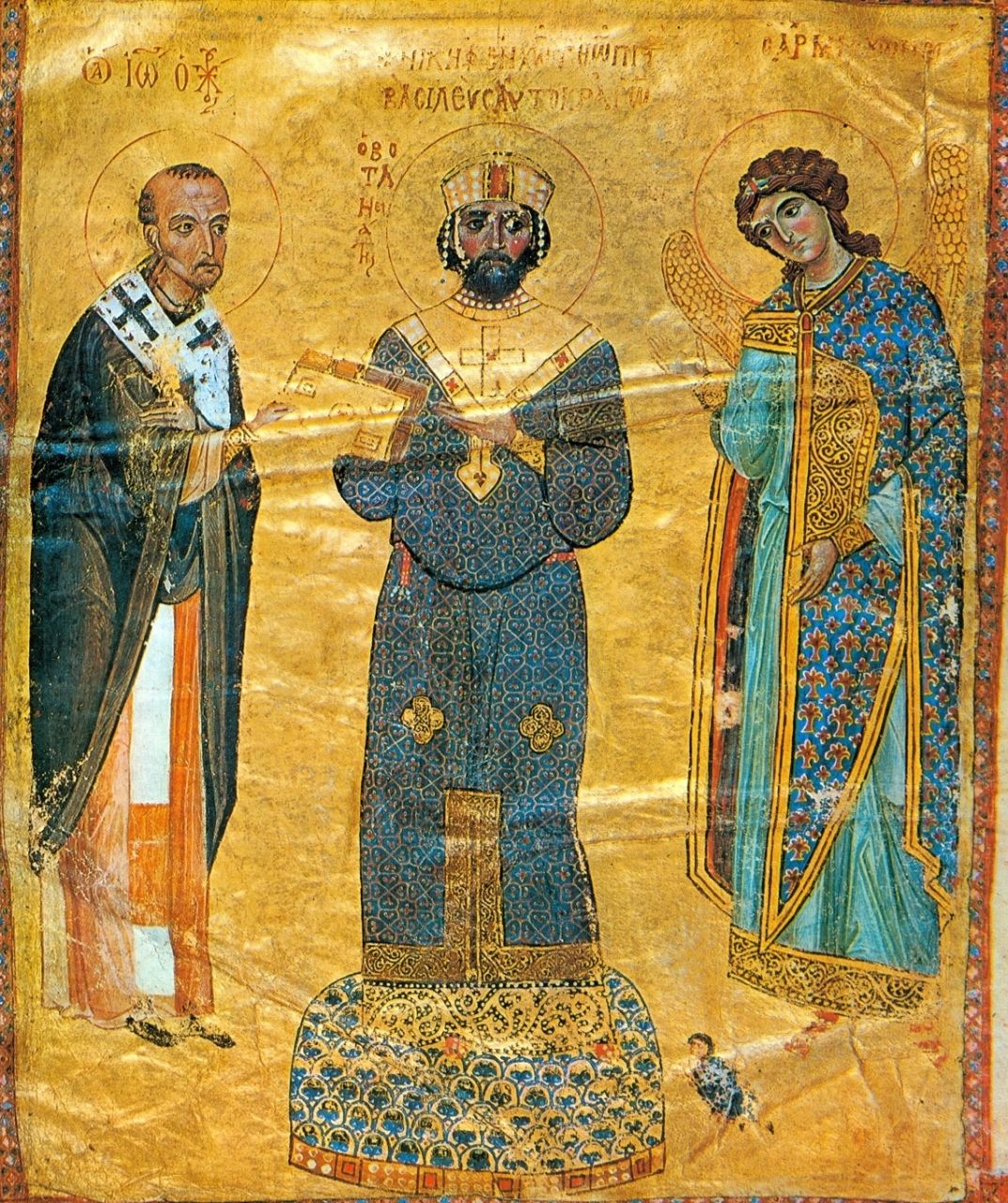
Byzantium’s stability was repeatedly undermined by court intrigues, but Andronikos Komnenos’ betrayals were particularly devastating. He turned against family and allies to seize power, causing political chaos and factionalism. His disregard for loyalty and governance eroded trust and weakened imperial authority, leaving Byzantium vulnerable to external enemies. The empire’s slow decline demonstrates how internal treachery can be just as fatal as invasion, showing the dangerous power of ambition unchecked by conscience.
4. The Fall of the Inca Empire
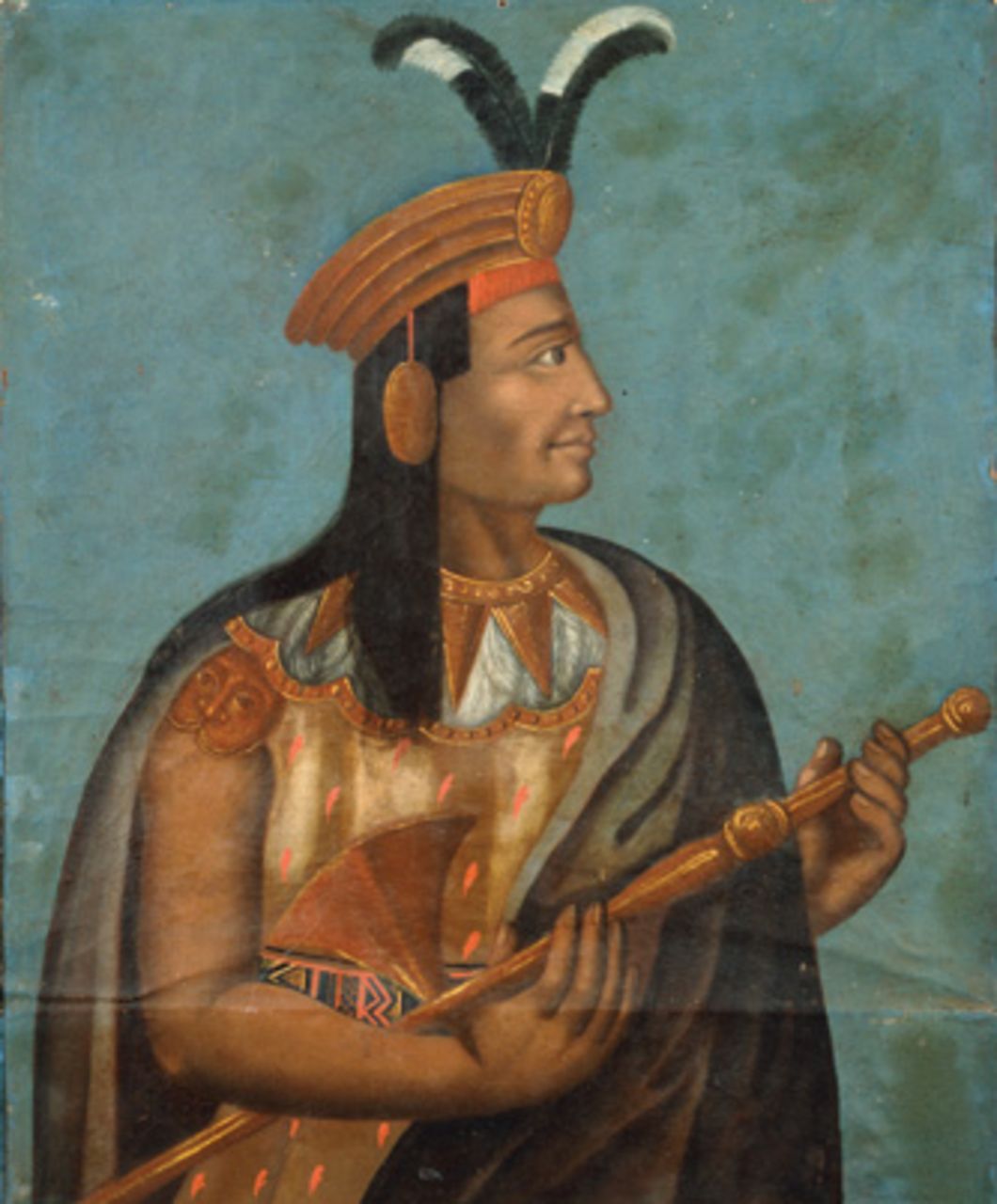
The Inca Empire’s downfall came swiftly after Francisco Pizarro captured Emperor Atahualpa through deception. Trusted envoys lured him into a trap under the guise of negotiation. Despite promises of ransom, Atahualpa was executed, leaving the empire leaderless. Internal divisions, fear, and confusion compounded the crisis, enabling Spanish forces to consolidate control. This moment underscores how a single act of betrayal, combined with internal discord, can collapse an entire civilization almost overnight.
5. The Mughal Empire

The Mughal Empire unraveled after Aurangzeb’s death due to fratricidal power struggles among his sons. Competing claims to the throne led brothers to betray each other, weakening the central authority that had held the empire together for centuries. Regional governors exploited the chaos, declaring independence and undermining imperial cohesion. This betrayal highlights how internal ambition and family treachery can accelerate decline, demonstrating that dynastic stability is vital for an empire’s survival.
6. Western Rome
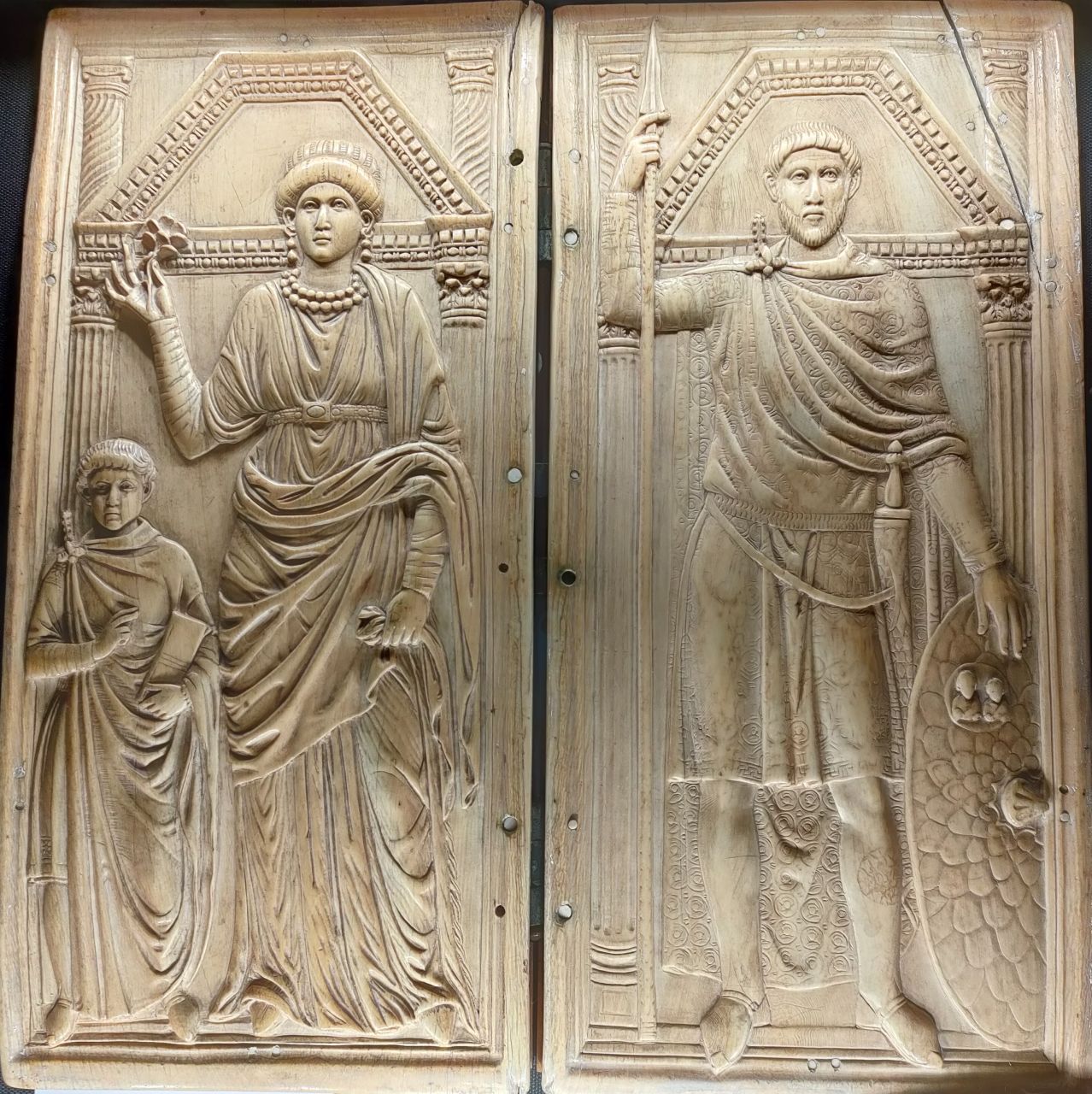
In the Western Roman Empire’s twilight, Stilicho, a brilliant general, was executed due to palace intrigue and false accusations of treason. His death removed one of Rome’s last capable defenders. With leadership fractured and military command destabilized, barbarian invasions overwhelmed the empire. This internal betrayal illustrates that political maneuvering and mistrust can leave even the mightiest empires defenseless, showing how the collapse often begins from within before external forces finish the destruction.
7. Ottoman Empire

The elite Janissary corps, once loyal defenders of the Ottoman Empire, repeatedly betrayed sultans through revolts and coups. Exploiting political instability, they pursued self-interest over imperial loyalty, undermining central authority and encouraging regional uprisings. Their actions weakened governance and created long-term instability, accelerating the empire’s decline. The Janissaries’ betrayal underscores how internal treachery within military ranks can dismantle empires that otherwise appear invincible from the outside.
8. The Qing Dynasty
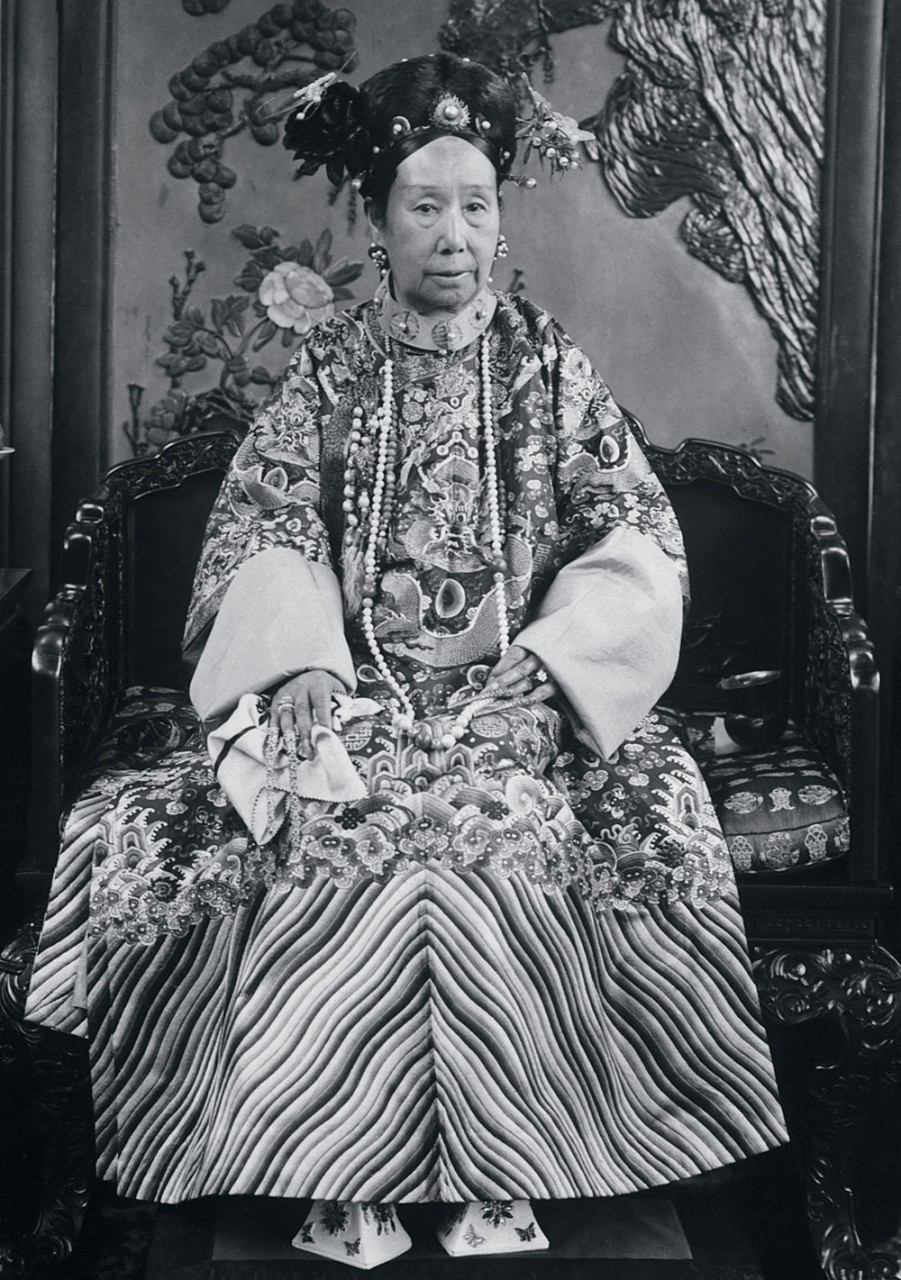
The Qing Dynasty’s fall was hastened by internal betrayal orchestrated by Empress Dowager Cixi. By sidelining reformist officials and prioritizing personal power over national stability, she paralyzed governance and delayed modernization. These internal manipulations weakened public trust and left the empire vulnerable to foreign pressures. The dynasty’s collapse demonstrates that betrayal at the highest levels, combined with resistance to reform, can doom a centuries-old empire, proving that internal treachery is often the quiet hand behind historical collapse.