

Many of the items we use daily carry origins far more surprising than we imagine. From coffee mugs to jeans, these simple tools and accessories have stories rooted in war, invention, and even espionage. According to Smithsonian Magazine, many household items evolved from early prototypes created for survival, trade, or experimentation. Over time, they became symbols of culture and identity. Understanding the secret past of these familiar objects reveals how necessity, creativity, and chance have shaped our everyday lives in ways we often overlook.
1. The Coffee Mug’s Military Origins

Before it became a kitchen staple, the humble coffee mug was a soldier’s necessity. According to the National WWII Museum, metal mugs were first standardized during wartime to handle extreme conditions, serving both coffee and soup in trenches. Later, ceramic and enamel designs emerged to retain heat better and reduce metallic taste. Its handle was an innovation for safety, protecting hands from burns during field use. The mug’s evolution from battlefield to breakfast table reminds us how military practicality often transforms into modern comfort and daily rituals.
2. Jeans: Born From Miner’s Gear

Blue jeans began as rugged workwear designed for miners and laborers during the California Gold Rush. According to Levi Strauss & Co. archives, tailor Jacob Davis reinforced denim pants with copper rivets to prevent tearing, creating durable trousers suited for hard labor. What started as utilitarian clothing became a global fashion statement, symbolizing rebellion and youth culture in the 20th century. The transformation of jeans from work gear to wardrobe essential shows how innovation often comes from addressing simple, practical needs in challenging environments.
3. Umbrellas and Their Royal Roots
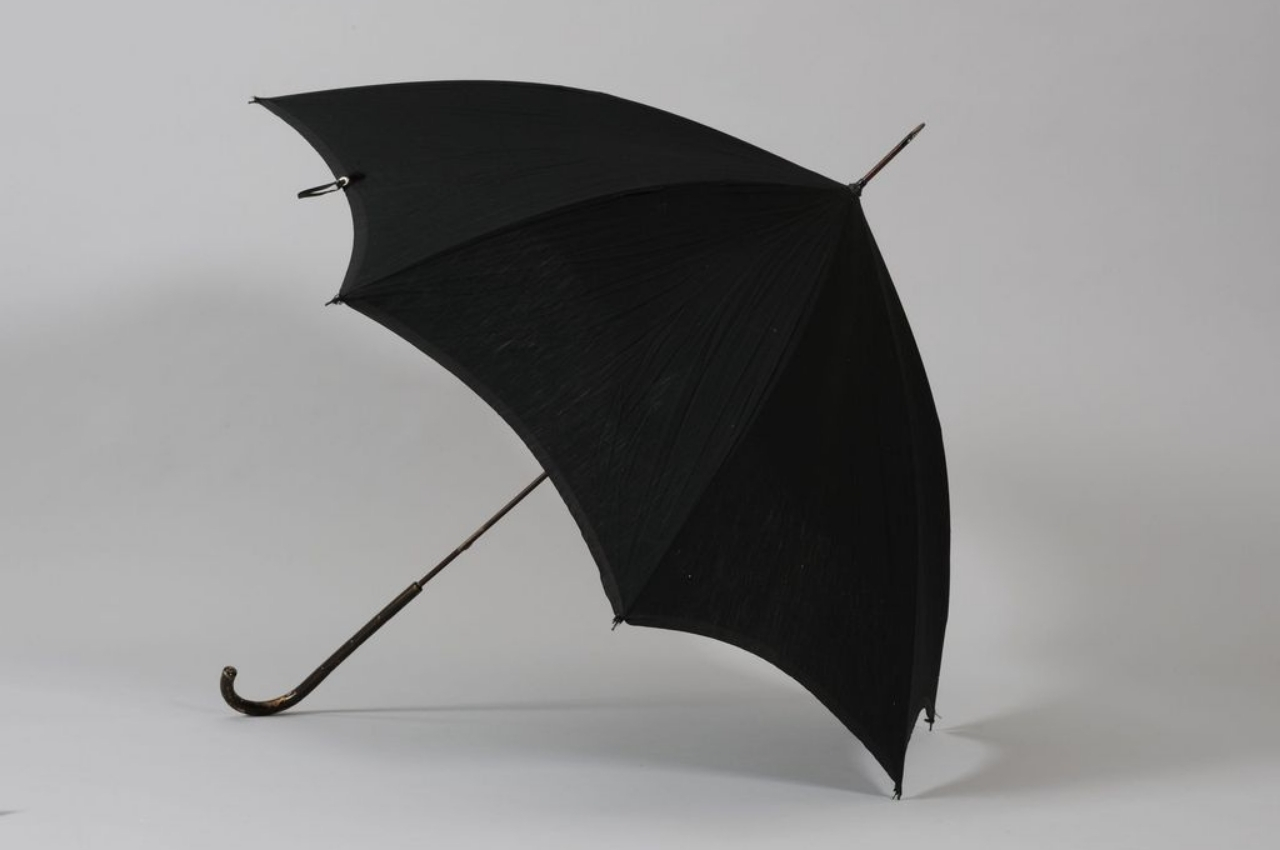
The umbrella’s journey began as a symbol of power long before it became a shield against rain. According to the British Museum, early umbrellas were crafted for ancient Egyptian and Chinese royalty to protect from the sun, not water. Only centuries later did waterproof versions appear in Europe, popularized by Jonas Hanway in 18th-century London. Over time, the umbrella transformed from a luxury accessory into a democratic everyday tool. Today, it stands as both a fashion statement and a relic of aristocratic history.
4. The Paperclip’s Secret Spy Role

The paperclip may seem mundane, but during World War II, it carried powerful symbolism. According to the Norwegian Resistance Museum, Norwegians wore paperclips on their lapels as a quiet act of defiance against Nazi occupation. It represented unity and national pride, as the clips literally “bound” people together. Originally invented in Norway by Johan Vaaler for organizing papers, its dual legacy as both an office essential and a resistance emblem shows how even the smallest tools can play a role in shaping history and human courage.
5. Lipstick as a Symbol of Strength
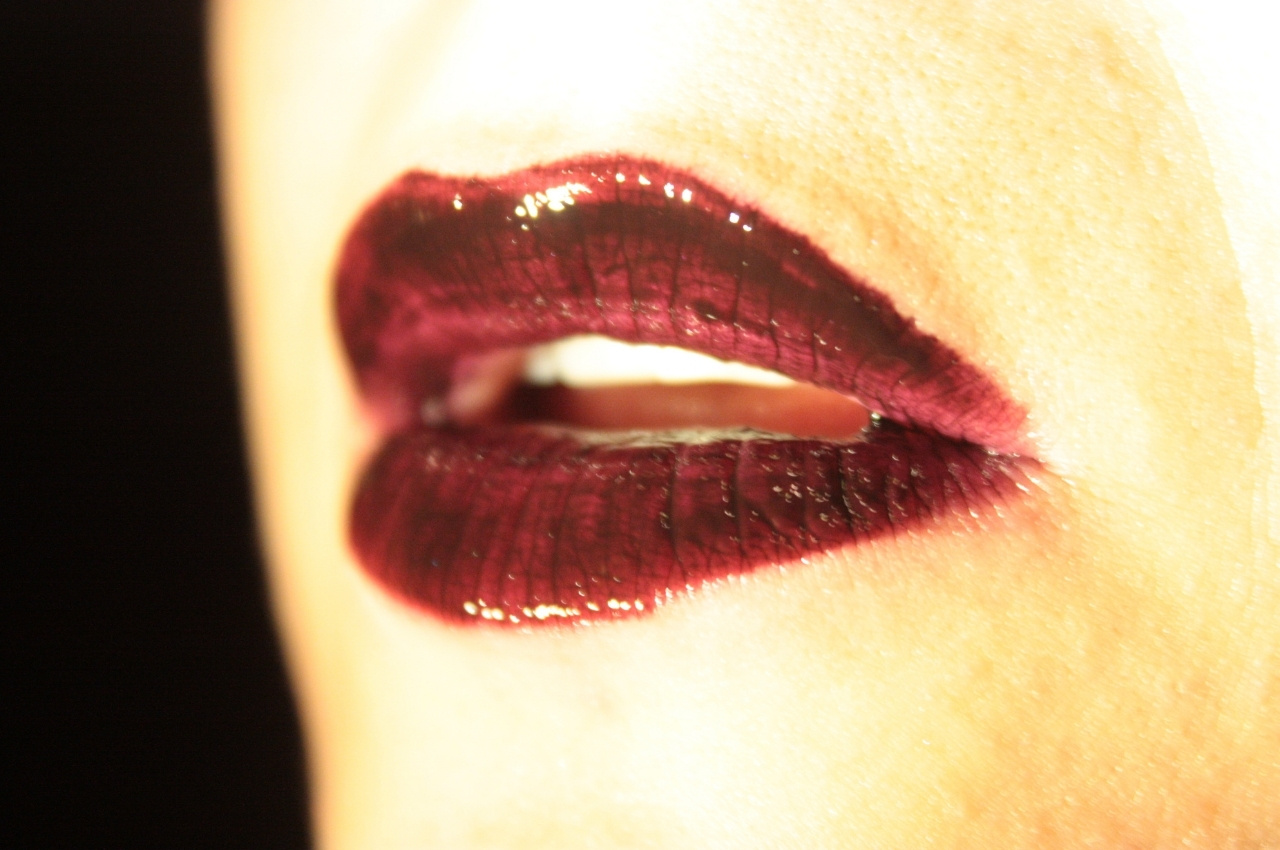
Lipstick’s history is painted with empowerment. According to the National Museum of American History, women during World War II wore bright red lipstick as an act of defiance and morale boosting. It became a tool of psychological warfare, representing resilience and confidence during hardship. Earlier, in ancient Mesopotamia, crushed gemstones were used to tint lips as a sign of status. From ancient rituals to modern empowerment, lipstick’s journey shows how beauty items can carry deep cultural and emotional significance far beyond aesthetics.
6. Forks and the Fear of Vanity
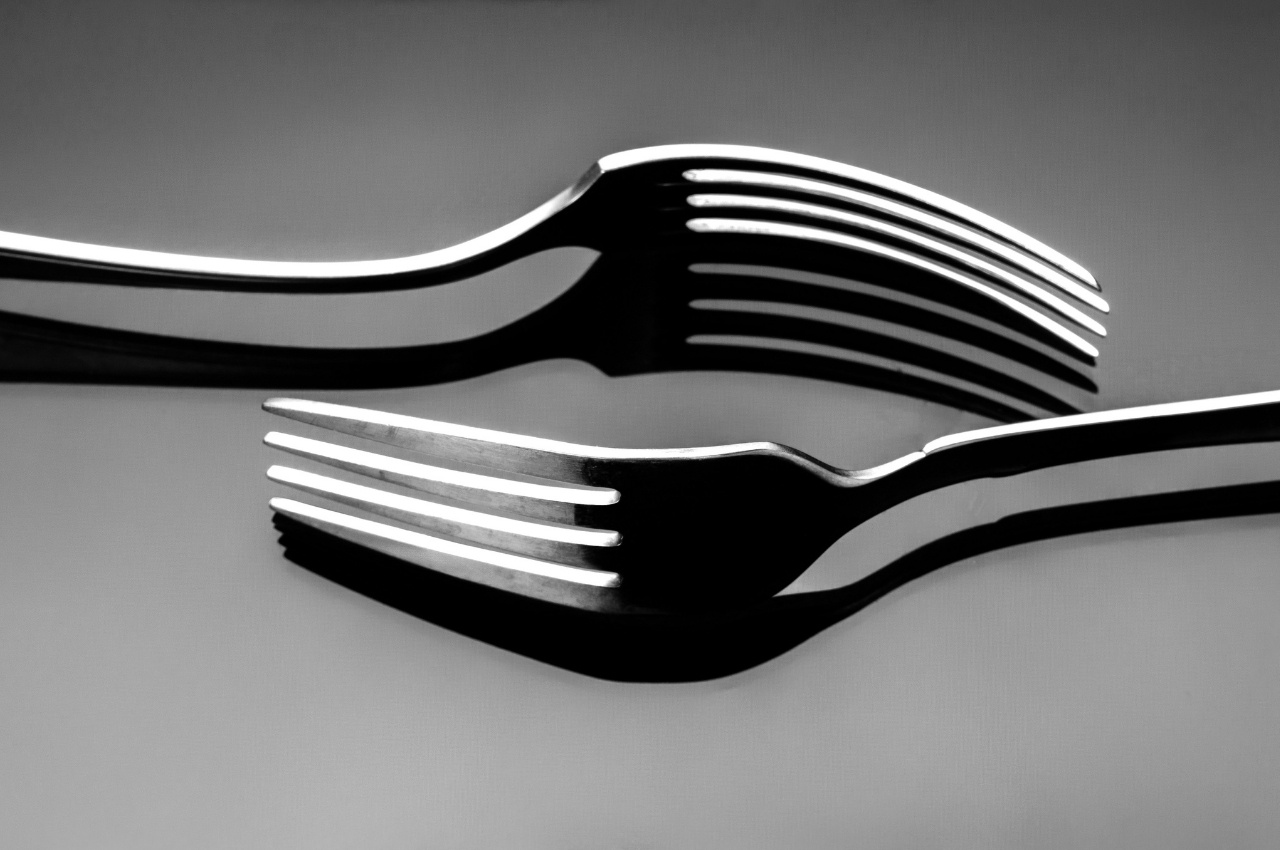
Forks were once considered scandalous. According to the Smithsonian Institution, when they appeared in Europe around the 11th century, church leaders condemned them as symbols of vanity and sin because eating with one’s hands was seen as humble. It took centuries before forks became commonplace at European tables, popularized by Italian nobility and later adopted throughout the continent. Their controversial debut illustrates how cultural shifts often meet resistance before becoming standard etiquette. What we now see as ordinary once challenged deep-rooted beliefs about simplicity and morality.
7. Sunglasses and Their Criminal Beginnings
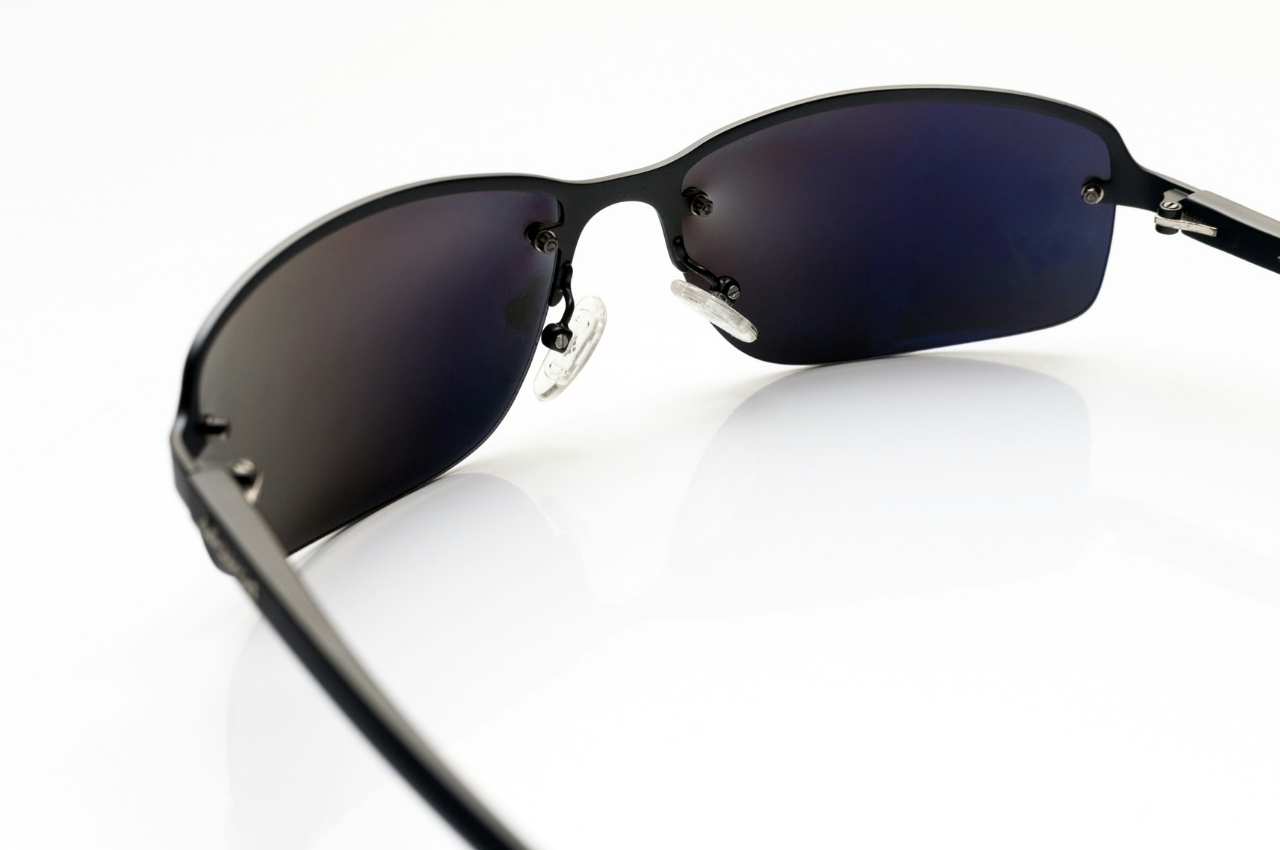
Sunglasses weren’t always about style or sun protection. According to the Library of Congress, early tinted glasses in the 12th century were used by Chinese judges to hide their expressions during court proceedings. In the 20th century, they gained fame through Hollywood, when movie stars wore them to shield from flashbulbs and maintain privacy. Later, soldiers used them for glare protection in World War II. From justice to fashion, sunglasses evolved from a symbol of secrecy into an icon of confidence and celebrity culture.
8. The Microwave’s Accidental Discovery

The microwave oven was born entirely by accident. According to the Smithsonian’s National Museum of American History, engineer Percy Spencer discovered its heating power while working with radar technology at Raytheon in 1945. A candy bar melted in his pocket, leading to experiments that produced the first microwave oven. Originally bulky and industrial, it soon revolutionized home kitchens worldwide. This coincidental discovery serves as a reminder of how chance and curiosity can lead to breakthroughs that revolutionize everyday life and permanently reshape contemporary convenience.
9. Post-it Notes: A Failed Glue That Stuck Around
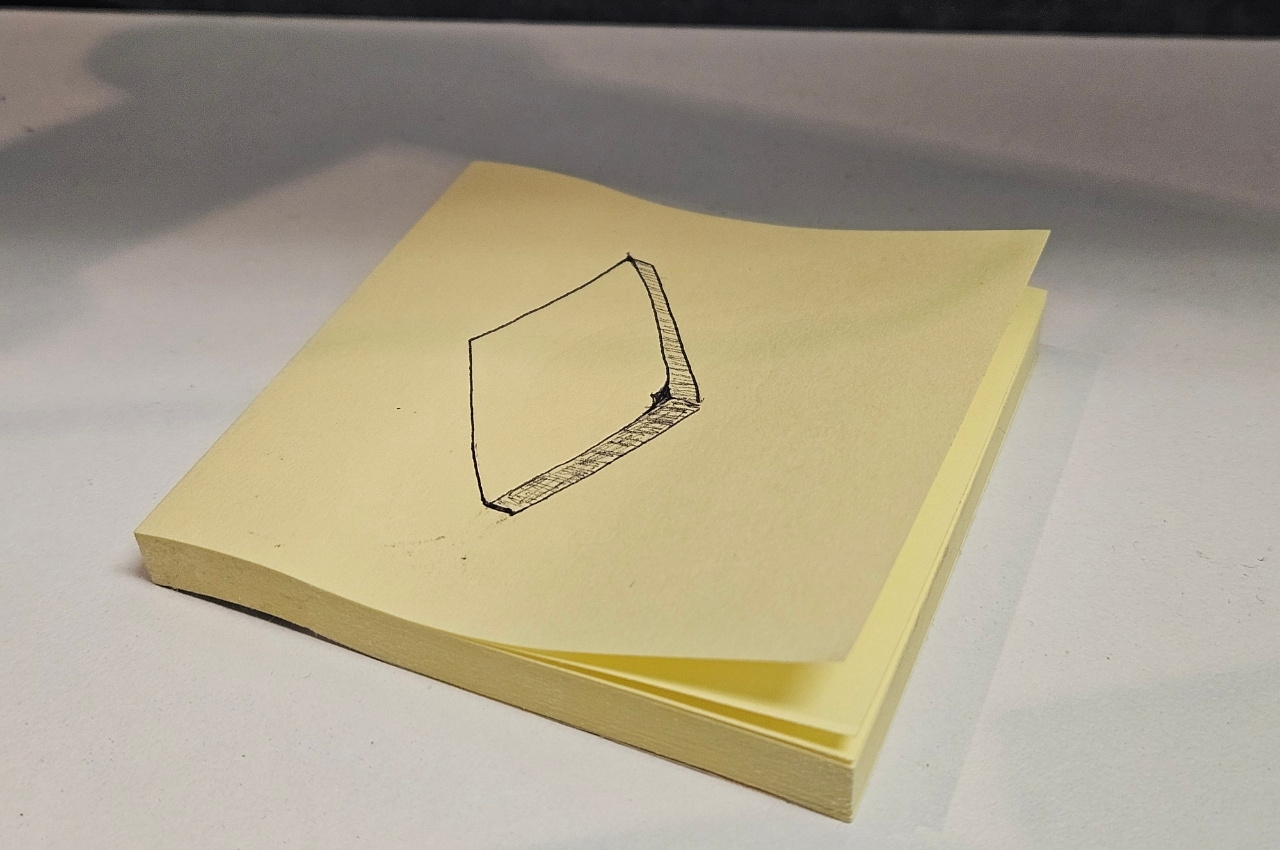
Post-it Notes emerged from an invention gone wrong. According to 3M archives, scientist Spencer Silver created a weak adhesive that couldn’t hold objects firmly. Years later, colleague Art Fry used it to mark pages in his hymnbook, realizing its potential for reusable notes. The product became a global phenomenon, turning a lab failure into a communication staple. Post-it Notes are a prime example of how unplanned discoveries frequently result in the most innovative solutions, revolutionizing the way we share reminders and arrange ideas in our daily workspaces.
10. Toothbrushes and Prison Innovation

The modern toothbrush owes its design to a British prisoner. According to the British Dental Association, William Addis created the first bristle toothbrush in 1780 using bone and boar hair while jailed for inciting a riot. After his release, he commercialized the idea, transforming dental hygiene forever. Earlier methods included using twigs and cloth, but Addis’s design offered precision and practicality. His story reveals how necessity and confinement can inspire invention, turning a moment of desperation into one of the most enduring contributions to public health.