

Even the most celebrated names in history had unexpected passions that revealed their human side. Away from their public achievements, they turned to hobbies that were sometimes eccentric, sometimes tender, but always fascinating. These strange pastimes gave them comfort, inspiration, or simply escape from the pressure of fame and duty. According to Smithsonian Magazine and History.com, many of these habits became essential outlets that shaped their creativity, discipline, or emotional balance. From collecting beetles to bonding with pigeons, here are the unusual obsessions that defined some of history’s brightest minds.
1. Albert Einstein and His Endless Hours with the Violin
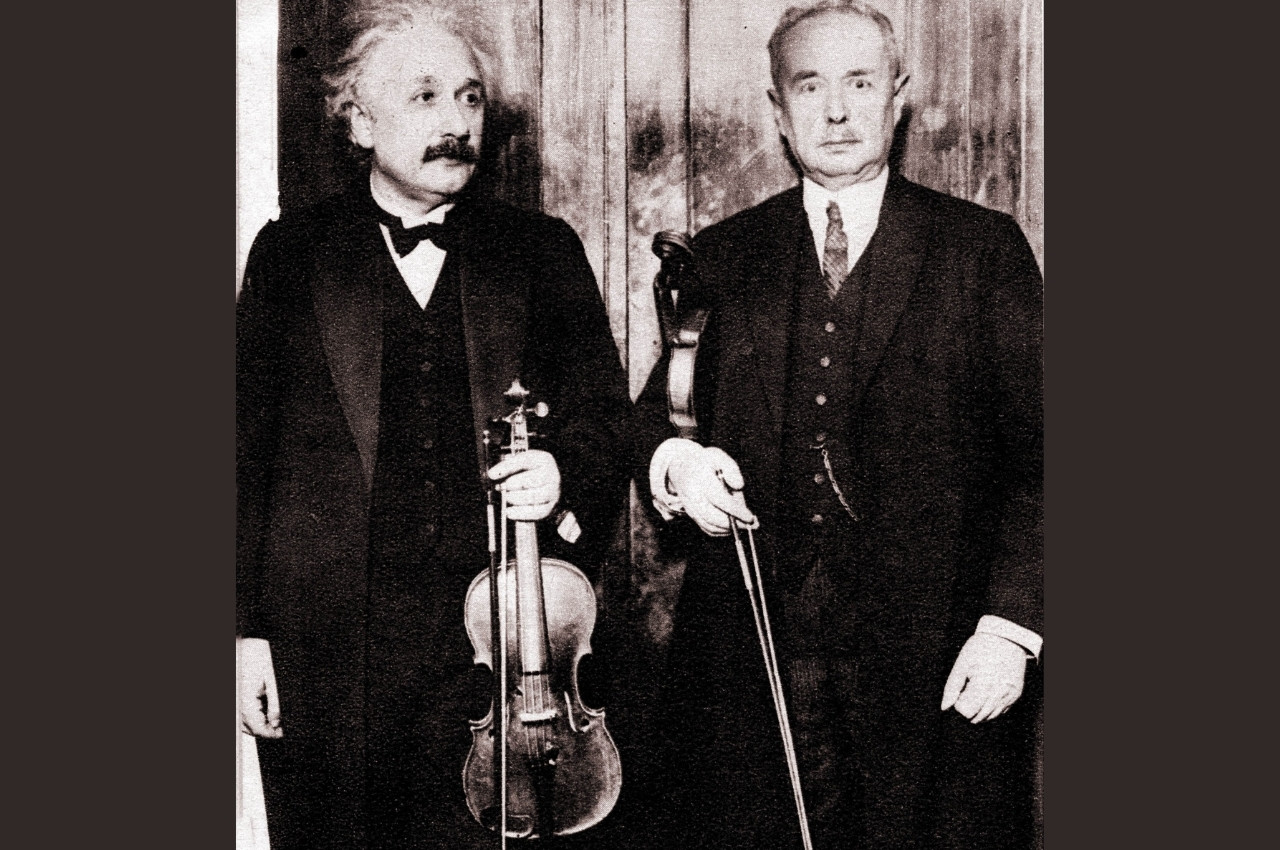
Albert Einstein’s love for the violin was more than a pastime; it was his emotional anchor and source of creativity. According to the American Physical Society, Einstein began playing the violin as a child and continued throughout his life, using music to process complex scientific ideas. He often said that if he were not a physicist, he would be a musician, as creativity in both fields is intertwined. He played pieces by Mozart and Bach daily, claiming they helped him see the harmony of the universe. The violin was his refuge and his muse.
2. Nikola Tesla and His Emotional Bond with Pigeons
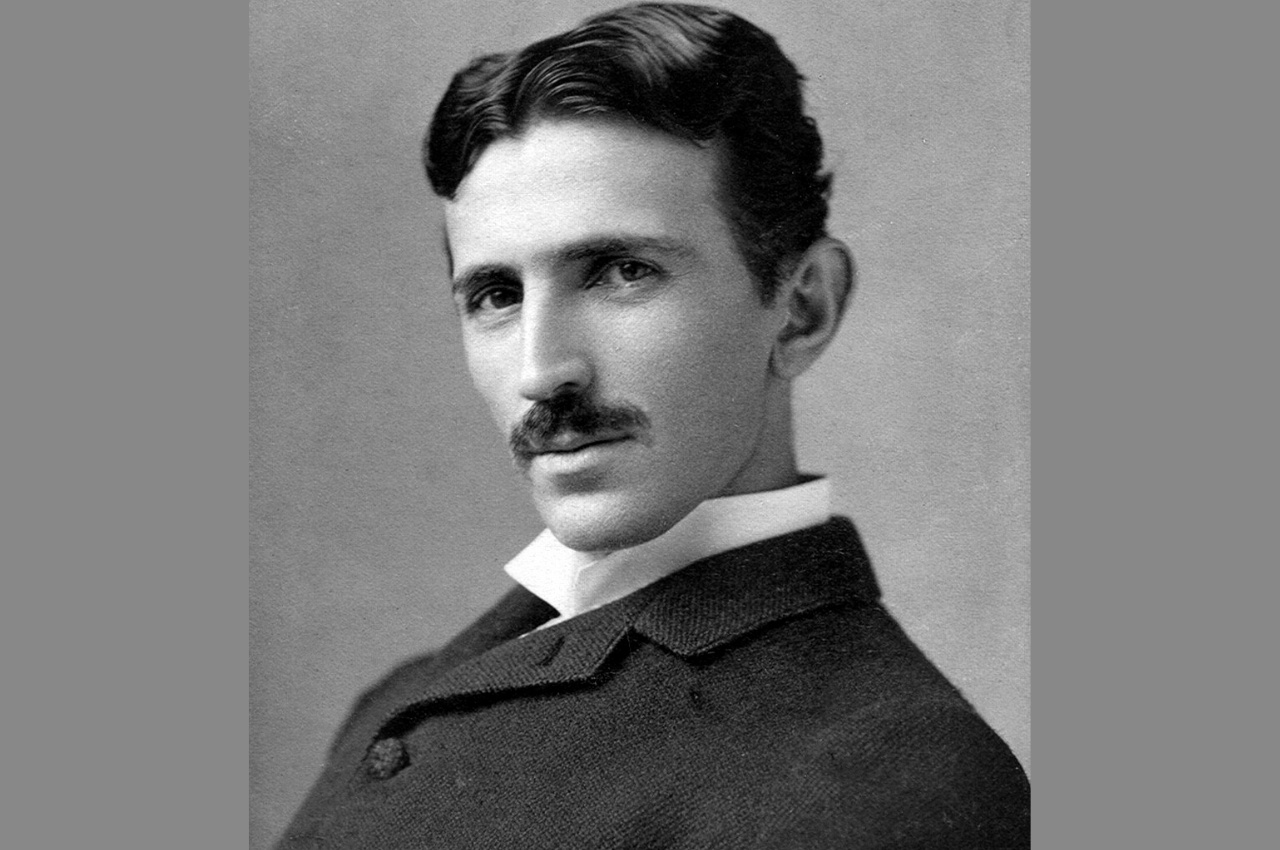
Nikola Tesla, the brilliant inventor behind alternating current, had a deep affection for pigeons, particularly a white one that frequently visited him. According to The Library of Congress, Tesla cared for injured pigeons in his New York hotel room and found peace in their company. He described one pigeon as his closest companion, even confessing that he loved her as he would a human being. This unusual relationship reflected Tesla’s loneliness and deep empathy. His connection with pigeons revealed the softer side of a man often remembered only for his mechanical genius.
3. Winston Churchill Finding Peace in Painting
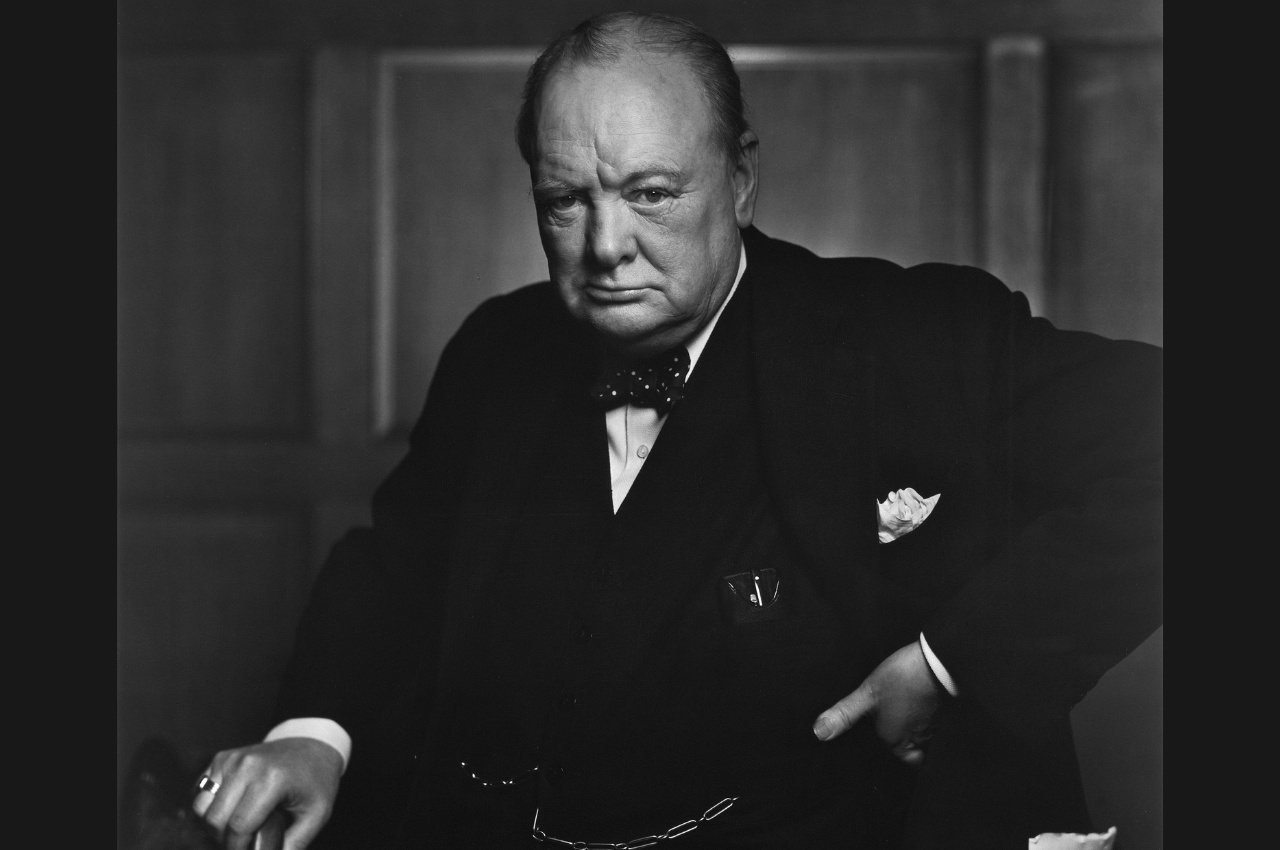
Winston Churchill, best known for his wartime leadership, found profound peace in painting during difficult moments. According to The Churchill Museum in London, he began painting after experiencing periods of depression and continued throughout his life, producing more than 500 works. His favorite subjects were landscapes and still lifes that reflected his appreciation for beauty and calm. Churchill once wrote that painting helped him silence his “black dog” moods and focus his mind. Through art, he found balance and clarity, proving that even the toughest leaders need creative escape.
4. Marie Curie and Her Lifelong Passion for Rocks and Minerals
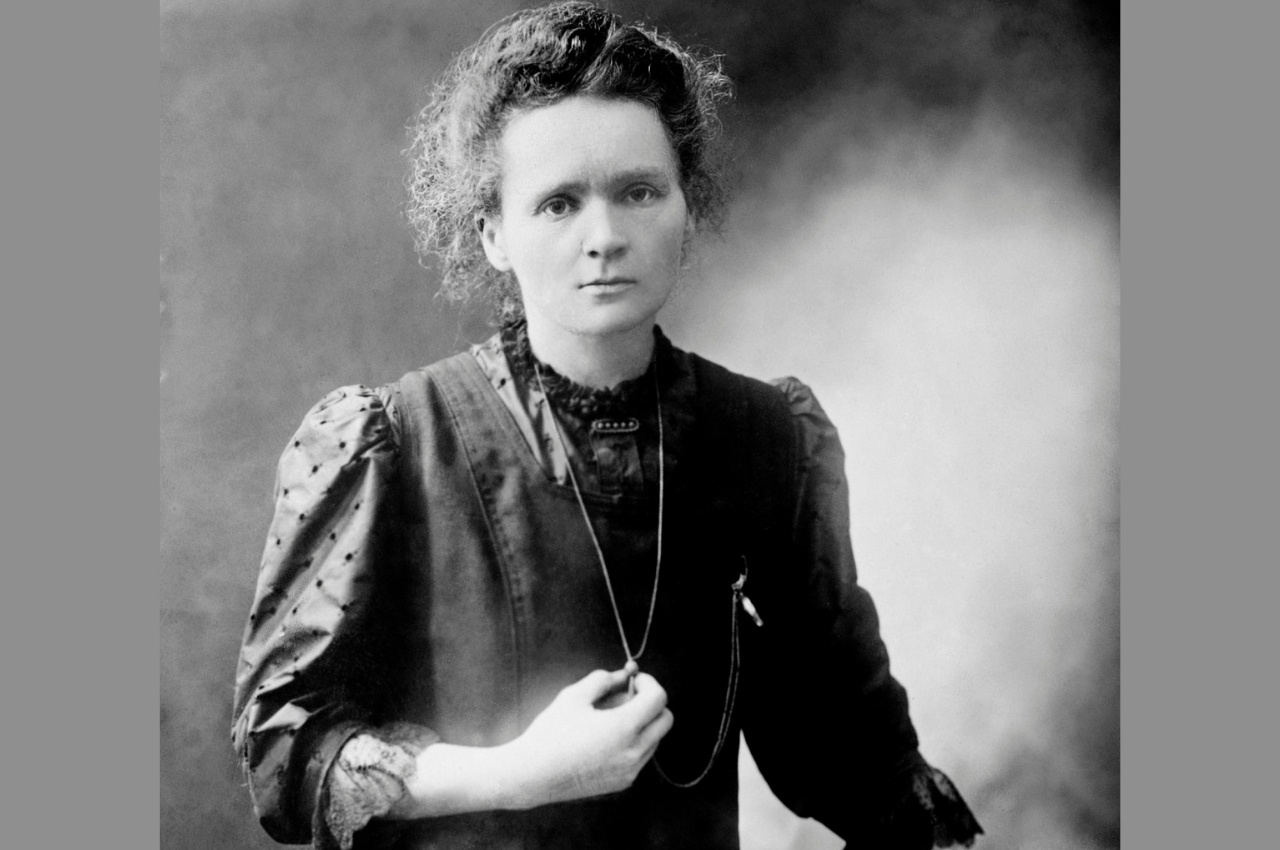
Before her groundbreaking discoveries in radioactivity, Marie Curie’s curiosity began with a fascination for rocks and minerals. According to The Nobel Prize Organization, she spent her childhood collecting stones, studying their shapes, and categorizing them by color and texture. This early hobby trained her in observation and precision, qualities that later defined her scientific success. Even after becoming a two-time Nobel laureate, Curie continued to keep small mineral samples in her study. Her humble collection symbolized her enduring wonder for nature and her lifelong belief that learning begins with curiosity.
5. Charles Darwin and His Obsession with Beetle Collecting
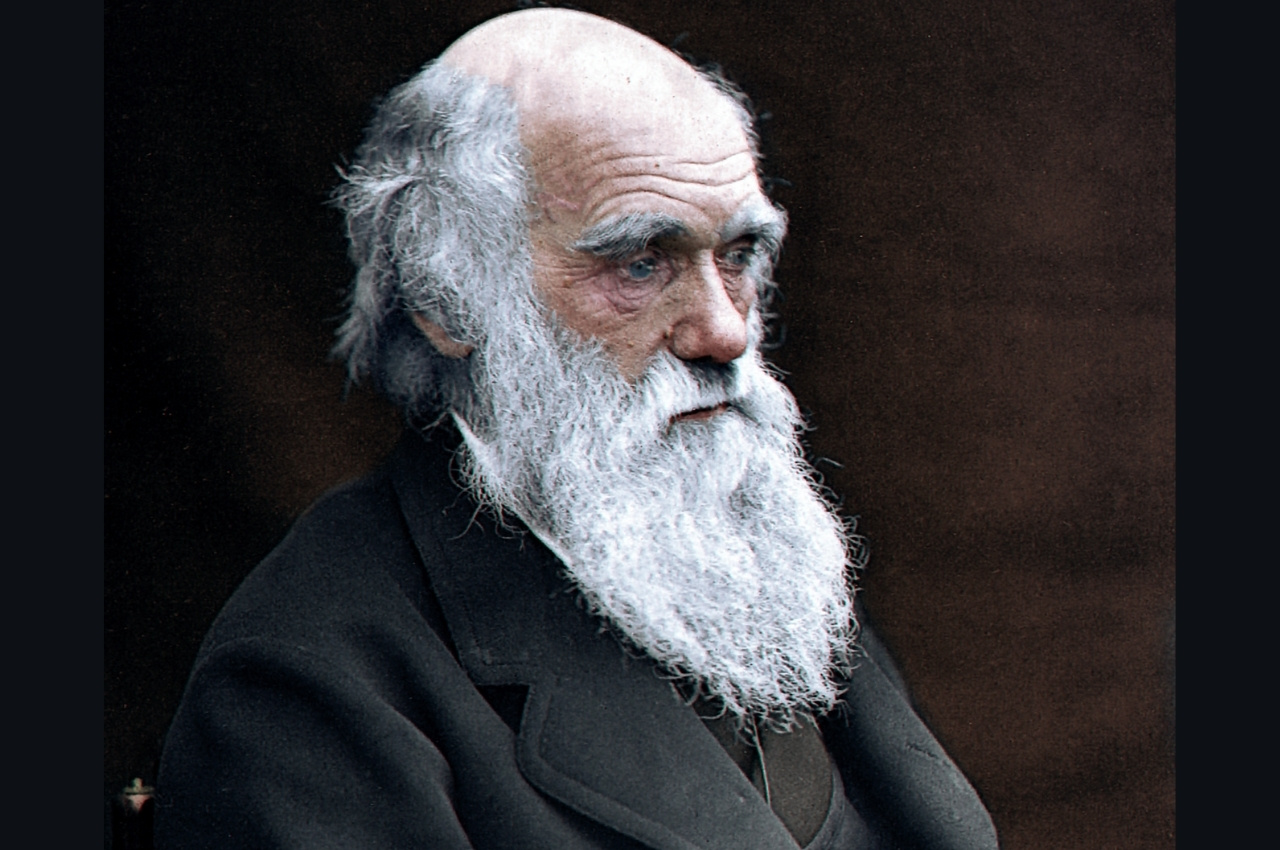
Charles Darwin’s fascination with beetles shaped his scientific mind long before he wrote On the Origin of Species. According to Cambridge University Press, Darwin spent his student years scouring trees, logs, and moss for beetles, sometimes risking injury to collect rare species. He even admitted to placing one in his mouth to avoid losing it while grabbing two others. This obsession sharpened his powers of observation and taught him the value of small details. His beetle collection eventually helped inspire his ideas about variation and natural selection that transformed biology forever.
6. Salvador Dalí and His Pet Ocelot Named Babou
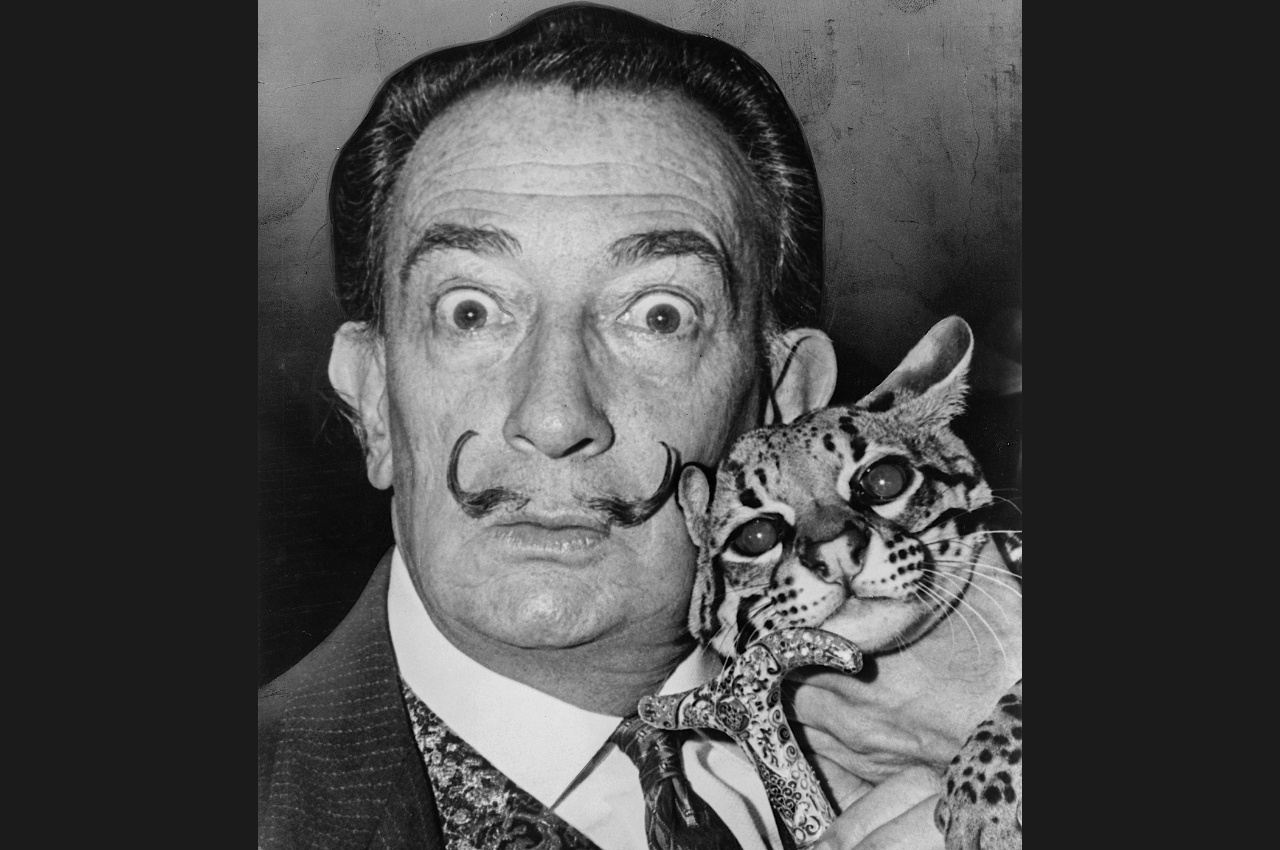
Salvador Dalí, the surrealist painter known for his eccentric personality, took eccentricity to new heights with his pet ocelot, Babou. According to The Dalí Museum, Dalí traveled with Babou across Europe, dining in fancy restaurants and bringing the wild animal to art exhibits. When questioned, Dalí claimed Babou was painted to look like a cat as part of his surreal vision. He also collected strange objects and created elaborate pranks that blurred art and reality. His daily life became an extension of his paintings, turning existence itself into performance art.
7. Queen Elizabeth I and Her Secret Love for Sweet Perfumes
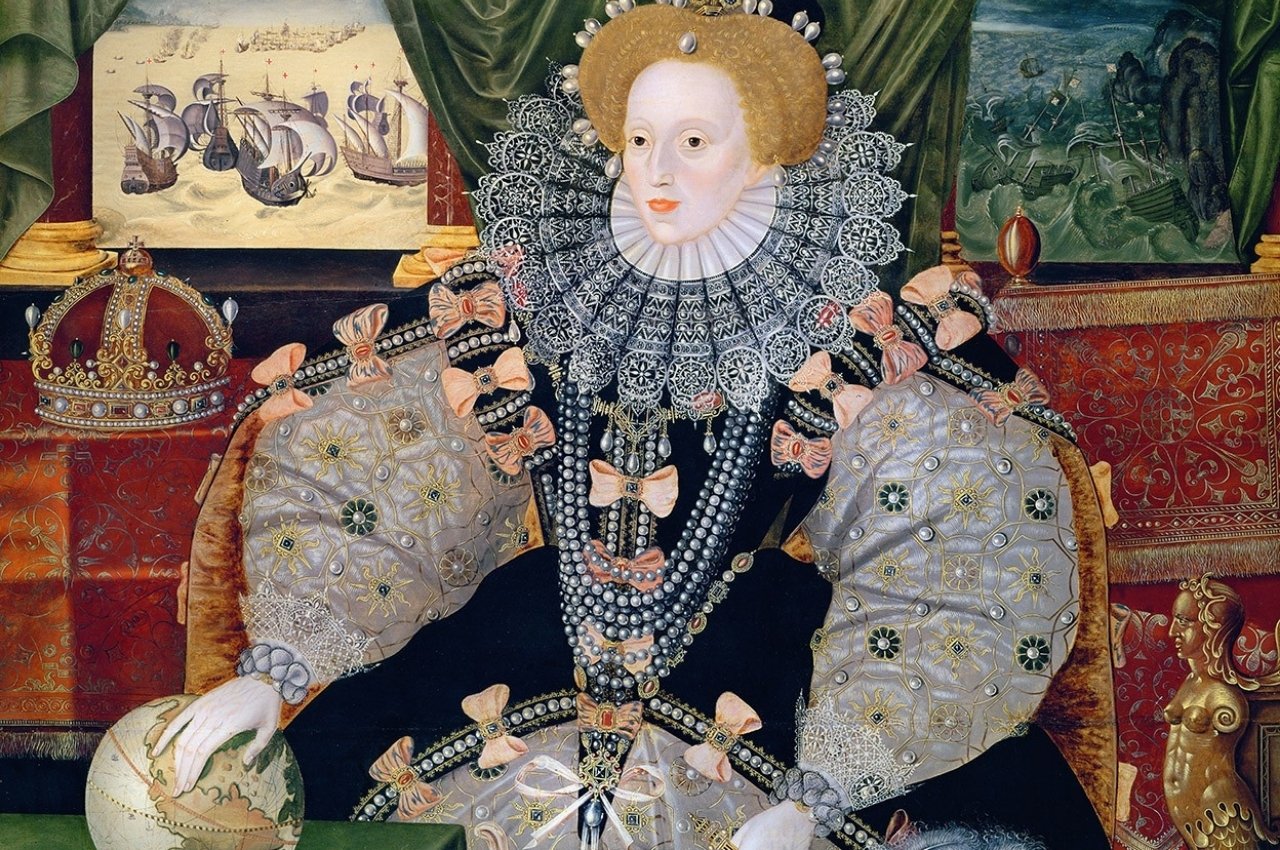
Queen Elizabeth I, one of England’s most powerful monarchs, had a hidden passion for crafting perfumes. According to The British Library, she personally mixed floral essences and herbs, favoring scents of rose, lavender, and jasmine. These fragrances were more than luxury items; they symbolized elegance, power, and control. Elizabeth used perfume to calm herself before major political meetings and to express her refined taste. Her fascination with scent revealed her appreciation for detail and beauty, proving that even a commanding ruler found comfort in creative, personal rituals.