

When someone steps into your home, they form an impression within moments, often before you say a word. It’s the small details, from the scent in the air to the flow of furniture, that signal warmth, care, and personality. A clean entryway, cozy lighting, or thoughtful décor can make your space feel welcoming and comfortable instantly. Understanding what guests notice first lets you create a home that feels inviting, polished, and effortless, leaving a lasting positive impression every time someone visits.
1. Entryway and Front Door

Your entryway is the first handshake your home offers, and it speaks volumes before a guest even steps inside. A cluttered or dark entrance can create a sense of chaos, while a well-kept, bright entry instantly feels welcoming. Simple upgrades like a fresh coat of paint, a clean doormat, or neatly arranged potted plants make a lasting impression. Adding subtle lighting or a decorative wreath can enhance warmth and show that your home is cared for. Even small touches in this space communicate attention to detail and hospitality.
2. Cleanliness and Organization

Cleanliness is one of the most noticeable factors in shaping first impressions. Guests are naturally drawn to tidy surfaces, organized spaces, and uncluttered rooms. Cluttered countertops, scattered shoes, or piles of papers create a sense of disorder, whether intentional or not. Regular dusting, vacuuming, and arranging personal items can transform the home’s perception. Using smart storage solutions and keeping everyday spaces neat demonstrates respect for both the home and its visitors, immediately making the environment feel inviting and cared for.
3. Lighting and Ambiance

Lighting sets the tone of a room before guests even engage with its furnishings. Too dim, harsh, or uneven lighting can make a space feel unwelcoming, while well-planned light layering creates warmth and comfort. Natural light during the day makes rooms feel open and vibrant, while soft lamps or strategically placed accent lights provide a cozy ambiance in the evening. Even small adjustments like swapping a harsh overhead bulb for a warmer option can drastically improve the mood. Proper lighting encourages relaxation and subtly highlights the home’s best features.
4. Smell and Freshness
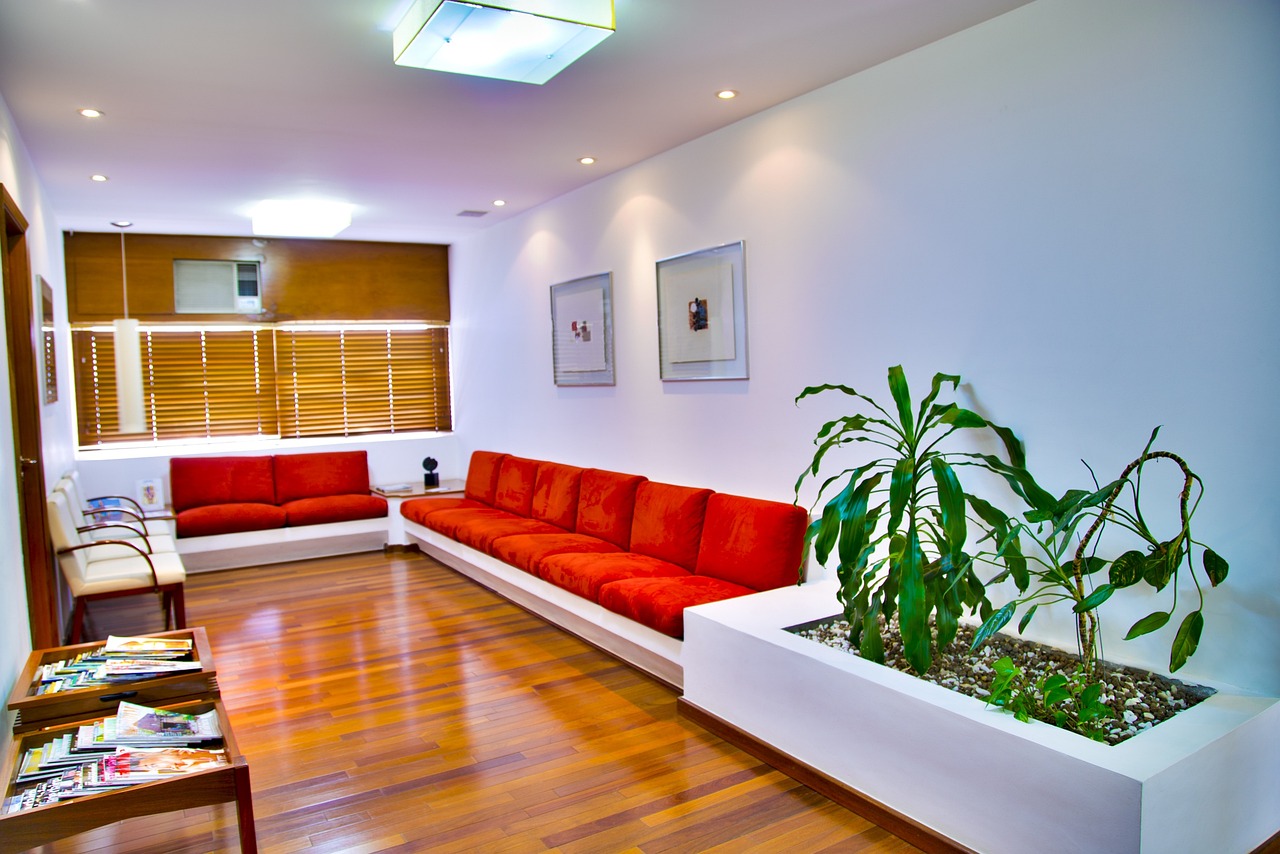
A home’s scent is a subtle but powerful communicator, often noticed before anything else. Lingering odors from cooking, pets, or moisture can be off-putting, while fresh, clean air immediately signals care and comfort. Regular ventilation, air purifiers, or gentle diffusers can keep spaces smelling pleasant. Natural aromas such as citrus, fresh flowers, or lightly scented candles create a welcoming atmosphere. Maintaining freshness not only affects guest perception but also contributes to their overall comfort, making them feel valued and at ease.
5. Flooring and Cleanliness Underfoot
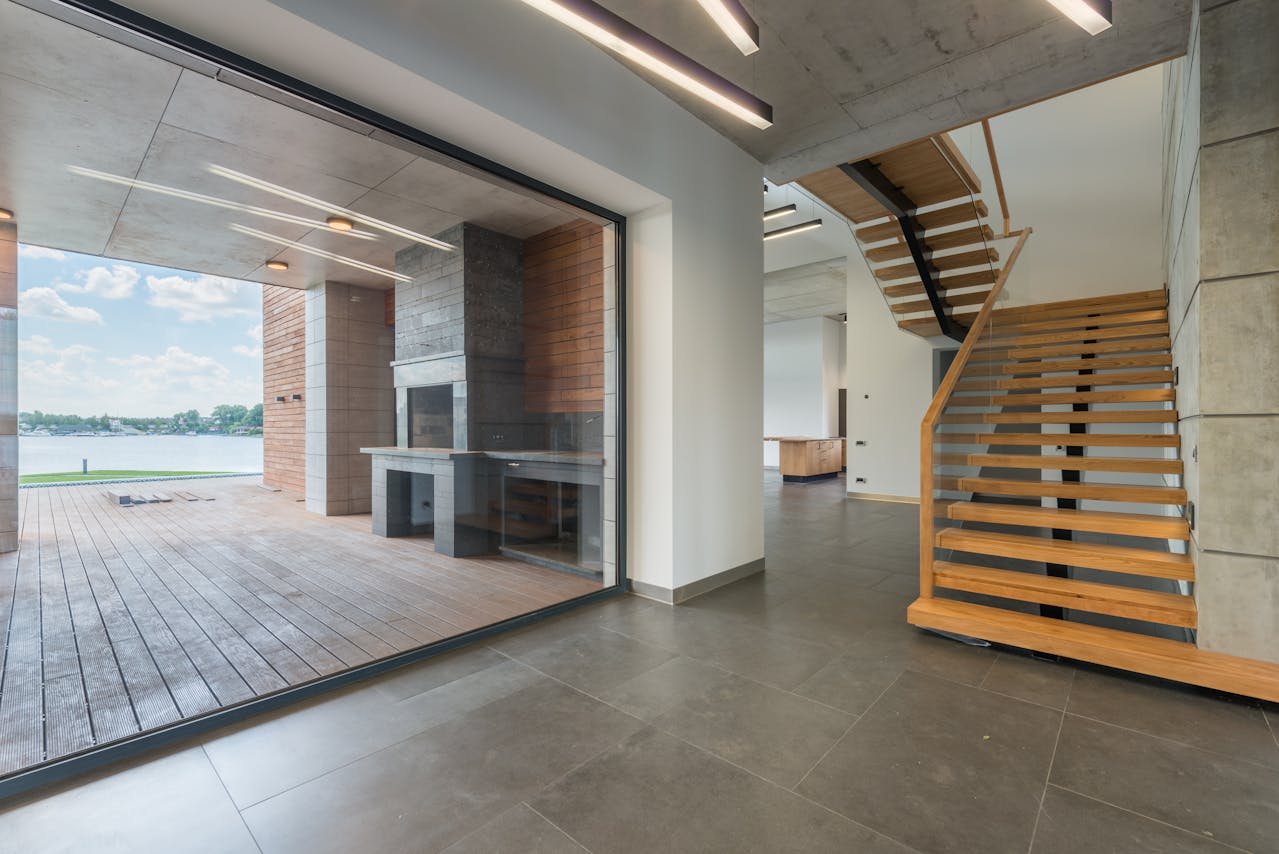
Floors are underfoot everywhere guests walk, making them one of the first subconscious things visitors notice. Dirty or worn-out flooring can give an impression of neglect, even in otherwise clean homes. Vacuuming, sweeping, and polishing floors regularly makes a major difference. Adding decorative rugs or mats in entryways and high-traffic areas improves both comfort and aesthetics. Well-maintained flooring signals overall attention to the home’s upkeep and immediately communicates that the environment is clean, safe, and welcoming.
6. Furniture Placement and Flow

How furniture is arranged has a direct impact on a room’s comfort and usability. Guests notice whether a space feels cramped, awkward, or easy to navigate. Clear walkways, thoughtfully grouped seating areas, and balanced layouts create a sense of openness and invite social interaction. Furniture should complement the room’s scale and purpose, making it feel effortless. Strategic placement enhances both functionality and aesthetics, allowing guests to feel relaxed and engaged rather than confined or overwhelmed.
7. Wall Decor and Personal Touches
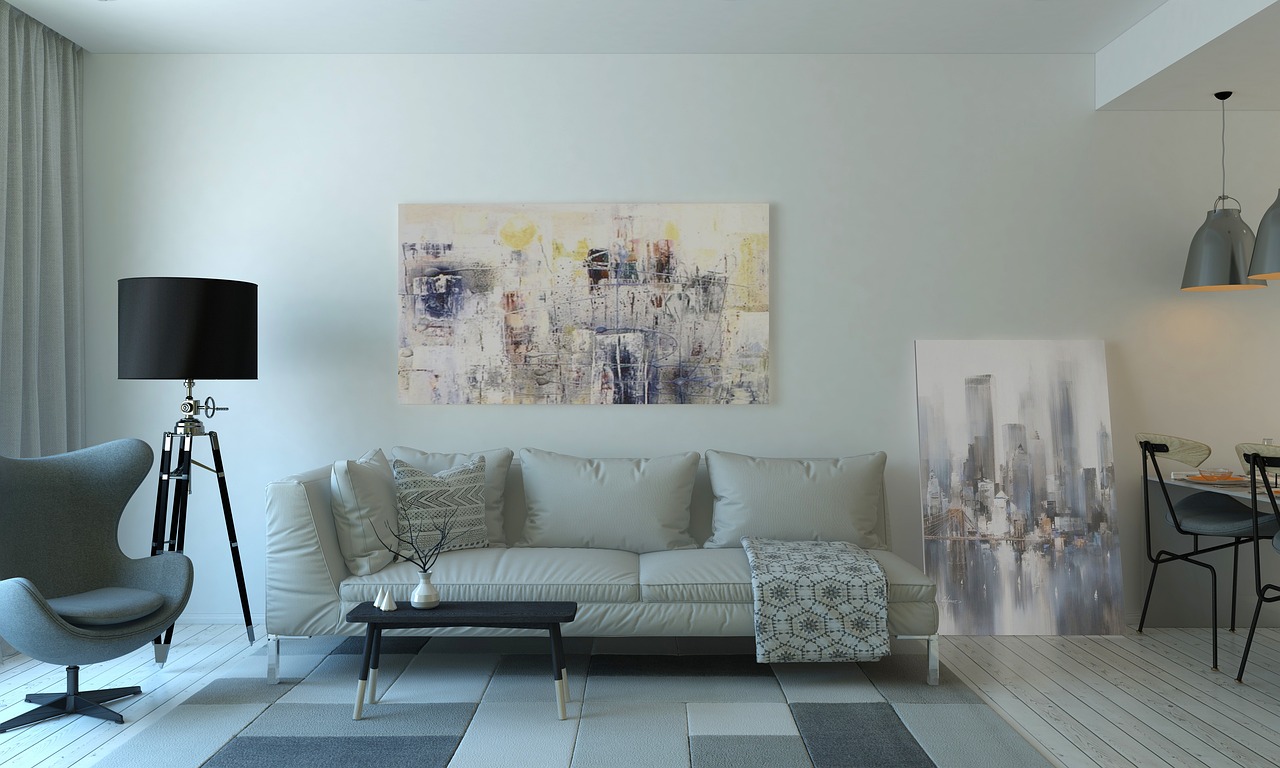
Walls communicate personality and style without a word. Bare or chaotic walls feel impersonal, while carefully chosen art, photos, or decorative pieces create warmth and interest. Well-framed artwork, personal photographs, or tasteful wall hangings can act as conversation starters while enhancing the room’s visual appeal. The key is balance, avoiding clutter while highlighting meaningful details. Thoughtful wall decor gives guests insight into the homeowner’s personality and instantly makes a space feel lived-in, welcoming, and unique.
8. Temperature and Comfort

Guests quickly notice whether a room feels comfortable in temperature. Spaces that are too hot, cold, or stuffy can make visitors uneasy and distracted. Maintaining a stable, comfortable climate is essential for first impressions. Use fans, heaters, or air conditioning as needed, and ensure good ventilation to keep the air fresh. Comfortable seating, cushions, and blankets enhance physical ease, while thoughtful adjustments like opening curtains for sunlight or closing drafts improve the environment. Temperature control shows consideration for guests’ comfort and enjoyment.
9. Noise Levels and Acoustics

Sound shapes perception subtly but significantly. Excessive noise from appliances, echoing spaces, or outside traffic can create discomfort, while calm, balanced acoustics encourage relaxation. Soft furnishings such as rugs, curtains, and cushions help absorb sound and reduce echo. Even playing gentle background music at an appropriate volume can enhance mood without being intrusive. Maintaining quiet, comfortable acoustics signals a welcoming and peaceful environment, allowing guests to focus on conversation and experience rather than distractions or discomfort.